Unveiling the Mysteries: Everything You Need to Know About Roofing Panels
Introduction:
Have you ever looked at a building and marveled at the sheer beauty of its roof? Or, have you ever wondered what goes into the installation of a roof, how it protects your home, and the different elements that come together to form this vital part of a building? Whether you’re a homeowner looking to replace your existing roof, an aspiring roofer eager to learn about the intricacies of the trade, or simply a curious mind intrigued by construction, there’s one component you cannot overlook – roofing panels.
Roofing panels form an integral part of any roofing system. They are the mainstay of the roof, offering both aesthetic appeal and functional use. Not only do they contribute to the overall look of your home or commercial building, but they also provide protection against the elements, insulation from extreme temperatures, and help in directing water away from your structure.
In this comprehensive guide, we are going to delve deep into the world of roofing panels. We’ll explore their function, the different materials used in their production, the variety of designs and styles available in the market, installation procedures, maintenance tips, and how to choose the right roofing panels for your unique needs. Whether you’re looking to embark on a DIY roofing project or hire a professional roofer, we’ll arm you with the knowledge you need to make informed decisions.
Understanding roofing panels is not just an esoteric topic for industry insiders or construction enthusiasts; it’s crucial for every homeowner. Why is this so important, you might ask? The roof is one of the most important investments you will make in your home. It shields you from harsh weather conditions, ensures your comfort by regulating indoor temperature, and significantly contributes to the aesthetic appeal of your property. Therefore, choosing the right roofing panels is not just about personal preference; it’s about the longevity of your roof, the safety of your home, and ultimately, your peace of mind.
In this increasingly eco-conscious world, understanding roofing panels also allows you to make sustainable choices. Many roofing panels today are made from recyclable materials or designed to enhance energy efficiency, helping homeowners reduce their carbon footprint.
In addition to homeowners, this guide also serves as a valuable resource for roofing companies and roofers. As professionals in the industry, staying updated on the latest trends, understanding the different types of roofing panels, and knowing how to install and maintain them effectively is crucial for delivering excellent service to your clients.
So, are ready to embark on this enlightening journey into the world of roofing panels? Whether you’re a homeowner looking to make an informed choice, a professional roofer aiming to expand your knowledge, or a roofing company seeking to provide better service to your clients – this guide promises to equip you with all you need to know about roofing panels. Read on as we unravel the intricacies of this vital roofing component, one panel at a time.
Roofing panels play a vital role in the construction of any building, whether residential, commercial, or industrial. Their fundamental purpose is to provide a protective layer to the structure against various elements such as rain, snow, sun, and wind. It is the framework that shields the interior of a building from external factors while also contributing significantly to the aesthetic appeal and structural integrity of the building.
There are different types of roofing panels available, each with their unique characteristics, advantages, and disadvantages. The most common types include metal roofing panels, asphalt shingles, clay and concrete tiles, wood shakes and shingles, and slate roofing panels. These differ in terms of their longevity, cost, appearance, installation process, and maintenance requirements.
Metal roofing panels are known for their durability and long lifespan. They can withstand harsh weather conditions without deteriorating and require less maintenance compared to other types. Metal roofs are also energy efficient as they reflect sunlight instead of absorbing it, thus reducing cooling costs. However, they can be more expensive upfront and can be noisy during rain or hail storms.
Asphalt shingles are the most common type of roofing material due to their affordability and ease of installation. They come in a variety of colors and styles that can match any architectural design. However, they have a shorter lifespan compared to metal or tile roofs and may need more frequent replacement.
Clay and concrete tiles are another popular choice for roofing panels, especially in areas with a hot climate. They are extremely durable and can last for many decades. Moreover, they have a unique aesthetic appeal that can enhance the appearance of a building. However, they are heavy and require a strong roof structure to support their weight.
Wood shakes and shingles offer a natural and rustic look to a building. They provide good insulation properties and are usually made from renewable resources. However, they require regular maintenance to prevent decay and damage from insects or fungi.
Slate roofing panels are known for their elegant appearance and longevity. They can last for hundreds of years with proper maintenance. However, they are expensive and heavy, requiring a sturdy roof structure for support.
The choice of roofing panels depends on various factors such as the climate of the area, the architectural design of the building, the budget, and personal preferences. It’s crucial to consider these factors to choose the right roofing panel that will provide maximum protection and aesthetic appeal.
Apart from the material, another essential aspect of roofing panels is their installation. The installation process varies with each type of roofing panel and requires skilled professionals for proper fitting. A poorly installed roof can lead to various problems such as leaks, poor insulation, and even structural damage.
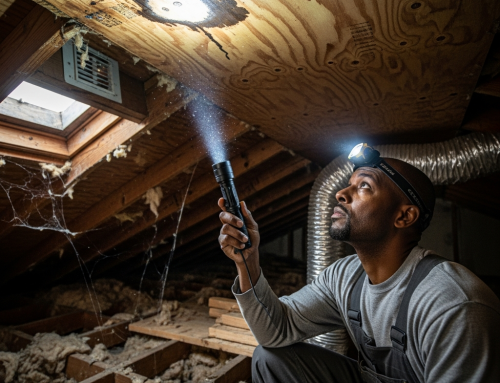
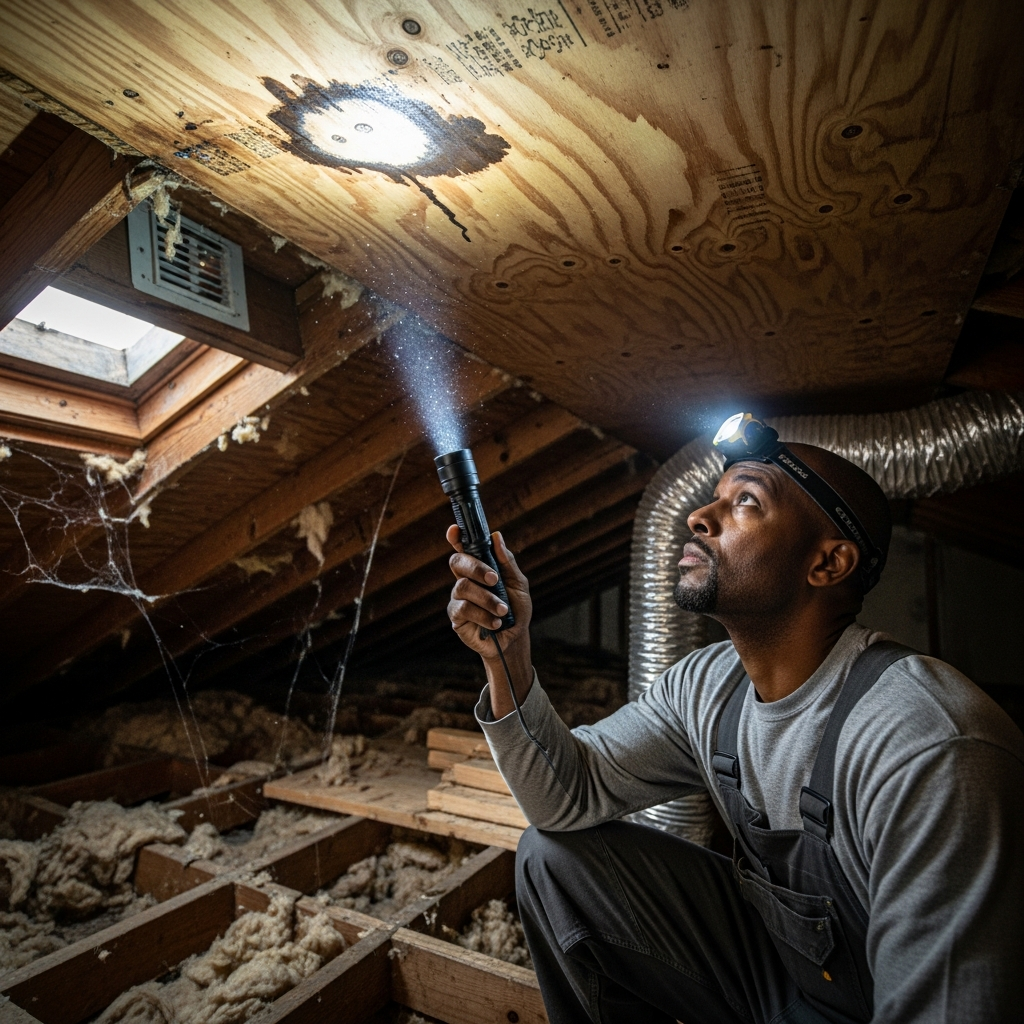
Maintenance is another critical aspect of roofing panels. Regular inspections should be carried out to check for any signs of damage or wear and tear. Small issues should be addressed promptly to prevent them from escalating into bigger problems that can compromise the integrity of the roof.
To sum up, roofing panels are a crucial component of any building structure. They provide protection against external elements, contribute to the building’s aesthetic appeal, and enhance its structural integrity. Choosing the right type of roofing panel, ensuring its proper installation, and carrying out regular maintenance are key to maximizing the benefits that these panels offer. So, when it comes to roofing panels, these are the fundamentals you need to know.
Practical Guide to Roofing Panels: A Step-by-Step Approach
Roofing panels are a popular choice for many homeowners and businesses, primarily due to their durability, energy efficiency, and versatility. In this guide, we will walk you through the basics of roofing panels, providing you with step-by-step instructions on how to select, install, and maintain them. This guide will also offer insights into working with roofing companies and roofers for a seamless roofing experience.
**Section 1: Selecting the Right Roofing Panels**
When it comes to roofing panels, variety is the name of the game. From metal to polycarbonate, each material has its pros and cons. Metal roofing panels, for example, are highly durable and fire-resistant but can be expensive. Polycarbonate panels, on the other hand, are more affordable and versatile but may not last as long.
Before settling on a type of roofing panel, consider factors like your budget, local climate, and aesthetic preferences. For instance, if you live in a region with harsh winters, you might opt for metal roofing panels due to their resilience against heavy snow loads. Alternatively, if your primary concern is cost-effectiveness, polycarbonate or asphalt panels might be more suitable.
**Actionable Advice**: Consult with a trusted local roofer or roofing company. Their knowledge of the local climate and building codes can be invaluable in making an informed decision.
**Section 2: Installing Roofing Panels**
The installation process varies depending on the type of roofing panels you choose. However, the general steps include preparing the roof deck, installing an underlayment, attaching the panels, and installing flashing.
1. **Preparing the Roof Deck**: Start by removing old shingles or panels and inspecting the roof deck for damage. Replace any rotted or damaged sections before proceeding.
2. **Installing Underlayment**: An underlayment acts as a barrier against water and ice, protecting your roof from potential damage.
3. **Attaching Panels**: This involves placing the panels on the roof and fastening them securely. For metal panels, you’ll need to screw them into the roof deck. Polycarbonate panels often use a click-and-lock system.
4. **Installing Flashing**: Flashing helps direct water away from openings in the roof, such as vents and chimneys, reducing the risk of leaks.
**Actionable Advice**: Although it’s possible to install roofing panels yourself, hiring a professional roofer or roofing company can ensure the job is done correctly and safely. Ask for referrals, read reviews, and compare quotes before choosing a roofer.
**Section 3: Maintaining Your Roofing Panels**
Regular maintenance can extend the lifespan of your roofing panels and prevent costly repairs. Here are some maintenance tips
– **Cleaning**: Dirt, leaves, and other debris can accumulate on your roof over time. Regular cleaning prevents this debris from causing damage.
– **Inspection**: Conduct periodic inspections to spot potential issues early. Look for signs of damage like cracks, loose panels, or rust.
– **Repair**: If you notice any damage during your inspection, arrange for repairs as soon as possible.
**Actionable Advice**: Most roofing companies offer maintenance packages that include regular inspections and repairs. Consider investing in one of these packages to keep your roof in top shape.
**Real-World Example**: Let’s consider Mr. Smith, who lives in a region known for its harsh winter climate. Mr. Smith decided to replace his old asphalt shingles with metal roofing panels due to their durability and resilience against heavy snow loads. He consulted a local roofing company, who guided him through the selection process. The company also handled the installation process, ensuring that the panels were correctly installed and secured. Now, Mr. Smith schedules regular maintenance with the same company to keep his roof in optimal condition.
In summary, choosing, installing, and maintaining roofing panels can be a complex process. However, with the right information and support from roofing professionals, you can ensure your roof stands strong for years to come.
Mastering the Challenges and Solutions of Roofing Panels: An Expert Guide
Introduction
Roofing panels are an essential aspect of any building structure. They not only provide our homes with the necessary protection against various weather conditions, but they also add to the aesthetic appeal. Despite their significance, the subject of roofing panels is often riddled with misconceptions and challenges. This article aims to address these issues, offering solutions and expert tips on how to handle roofing panels and work effectively with roofing companies and roofers.
Common Challenges with Roofing Panels
1. Material Selection: The first challenge starts with choosing the right material for your roofing panels. The market is flooded with numerous options, including asphalt, metal, wood, tile, and slate, each with its pros and cons. The wrong material can lead to poor performance and frequent repairs.
2. Installation Issues: Incorrect installation is another common problem. This can lead to leaks, poor insulation, and even structural damage. The complexity of installation varies across different types of roofing panels.
3. Durability: Although manufacturers give an estimated lifespan for their roofing panels, real-world conditions like severe weather can significantly reduce this.
4. Maintenance: Regular maintenance is crucial for the longevity of roofing panels. Unfortunately, many homeowners overlook this aspect, leading to premature deterioration.
Solutions and Expert Tips for Roofing Panels
1. Material Selection: A crucial solution to the material selection challenge lies in understanding your specific needs and environment. For instance, if you live in a region prone to hailstorms or heavy snowfall, metal roofing panels would be an excellent choice due to their durability and resilience.
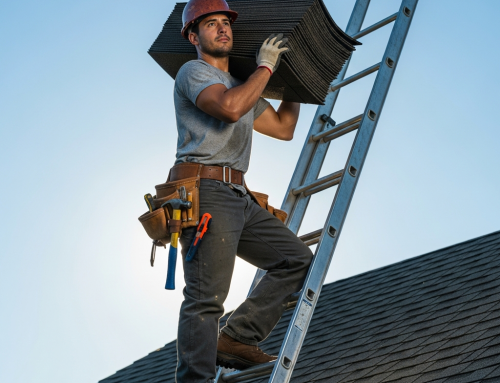
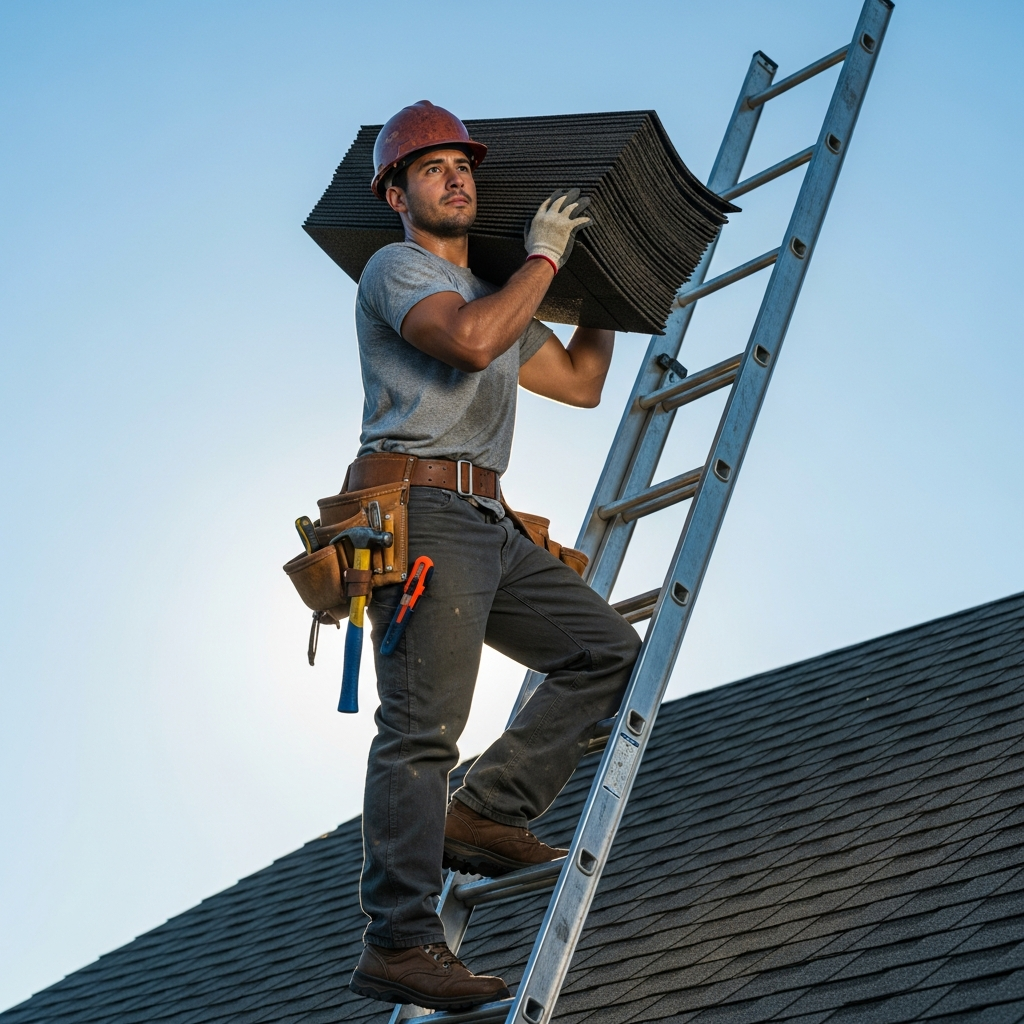
2. Professional Installation: It’s highly recommended to hire a professional roofer or a reputable roofing company for the installation process. They have the necessary skills and experience to ensure your roofing panels are installed correctly, mitigating potential issues down the line.
3. Regular Maintenance: Even the most durable roofing panels require regular maintenance to maximize their lifespan. This includes periodic inspections for damage, clearing debris, and addressing minor issues before they escalate.
Expert Tips
1. Always Research: Don’t settle on the first roofing panel material you come across. Take the time to research different options, comparing their durability, cost, maintenance requirements, and aesthetic appeal.
2. Hire Reputable Roofers: When hiring a roofer or roofing company, don’t just go for the cheapest option. Check their credentials, read reviews, and ask for references to ensure they can deliver quality work.
3. Understand Warranties: Most roofing panels come with a manufacturer’s warranty. Make sure you understand what it covers and for how long. This can save you considerable costs in repair or replacement.
Addressing Misconceptions
One common misconception is that all roofing panels are created equal. In reality, each type of panel has its strengths and weaknesses. For example, metal panels are durable and fire-resistant but can be more expensive. Asphalt shingles are inexpensive and easy to install but may not last as long as other materials.
Another misconception is that roofing panel installation is a simple DIY project. While some homeowners may successfully undertake smaller roofing projects, professional installation is generally recommended to ensure proper fitting, optimal performance, and adherence to building codes.
Best Practices
1. Regular Inspections: Conduct regular inspections of your roof, especially after severe weather conditions. This helps identify potential issues early on.
2. Timely Repairs: Don’t ignore minor leaks or damages. Ignoring them could lead to more significant issues down the line.
3. Adequate Insulation: Ensure your roof has adequate insulation to prevent heat loss during winter and keep your home cool during summer.
Conclusion
Understanding the challenges and solutions related to roofing panels can make a significant difference in the lifespan and performance of your roof. By making informed decisions, hiring professionals for installation, and conducting regular maintenance, you can ensure your roofing panels remain in top condition for years to come.
Understanding Roofing Panels: Expectations, Timelines, and Next Steps
Roofing panels form an essential component of any building, offering protection against various weather elements. They come in numerous types, including metal, asphalt, plastic, and solar roofing panels, each boasting unique strengths and contributing to the overall aesthetics and functionality of your roof.
The process of selecting and installing roofing panels involves various steps and timelines. Let’s delve into what to expect, the likely timelines, and the next steps when considering roofing panels for your home or business.
**Understanding Roofing Panels**
Before you dive into the world of roofing panels, it’s crucial to understand what they are and how they function. Essentially, roofing panels are pieces of material installed onto the roof’s frame to form the exterior layer. They act as the first line of defense against harsh weather conditions, including rain, snow, hail, and intense sunlight. Besides protecting your property, they also offer an aesthetic appeal, contributing to the overall design and appearance of the building.
**Choosing the Right Roofing Panels**
Choosing the right type of roofing panel is a crucial decision that could affect your property’s durability, energy efficiency, and aesthetic appeal. Your choice should primarily be influenced by your specific needs, budget, local climate, and the architectural style of your building.
Metal roofing panels, for instance, are known for their durability and high resistance to extreme weather conditions. They are also energy-efficient as they reflect solar radiant heat, reducing cooling costs during summer. Asphalt panels are affordable and easy to install but may lack the longevity of metal or slate panels. Plastic or polycarbonate roofing panels are lightweight and ideal for patios or greenhouses. Solar panels, while costlier upfront, can offer significant energy savings over time.
**Hiring a Reputable Roofing Company**
Once you decide on the type of roofing panel that suits your needs, the next step involves finding a reliable roofing company. Consider their reputation, experience, and whether they offer warranties or guarantees on their work. Checking online reviews and asking for recommendations from friends and family can also help you make an informed decision.
**Installation Process and Timeline**
The installation timeline can vary based on the type of roofing panels chosen, the size of your roof, and the roofing company’s schedule. However, for most residential roofs, the installation process typically takes between 1 to 3 days.
The installation begins with a thorough inspection of your existing roof. If the roof’s structure is in good condition, the roofers may install the new panels directly on top of the old roof. If not, they will remove the old roofing material, repair any damaged areas, and then install the new panels.
**Post-Installation Care**
After installation, regular maintenance is essential in prolonging the lifespan of your roofing panels. This could involve regular inspections to catch potential issues early, cleaning to remove debris, and immediate repairs for any damages. A well-maintained roof can last for decades, offering you excellent value for your investment.
**Conclusion**
In conclusion, selecting and installing roofing panels is a significant project that requires careful planning and execution. By understanding what to expect and the necessary steps involved, you can ensure that your new roof will serve you well for many years to come. Always remember to consult with a reputable roofing company to guide you through this process and provide professional advice tailored to your specific needs.
In conclusion, roofing panels are an essential component of any residential or commercial building project, offering a multitude of benefits, including durability, sustainability, energy efficiency, and aesthetic appeal. They come in a variety of materials, each with its own unique advantages and considerations.
To recap, metal roofing panels are highly durable and resistant to severe weather conditions. They are lightweight, making them easy to install, and they have an extremely long lifespan compared to other roofing materials. Metal roofs are also sustainable and energy-efficient, reflecting sunlight instead of absorbing it, which can significantly reduce cooling costs.
Asphalt shingles are another popular choice for roofing panels due to their affordability and variety of style options. While they may not last as long as metal roofs, they are still considered durable and can withstand various weather conditions.
Solar roofing panels are innovative solutions for homeowners seeking to reduce their carbon footprint and utility costs. By converting sunlight into electricity, these panels not only provide protection from the elements but also help power your home.
Slate and tile roofing panels are known for their distinctive appearance and longevity. Slate is a natural stone product that is exceptionally durable and fire-resistant, while tile roofs are often associated with Mediterranean-style homes and are known for their high resistance to damage.
Lastly, polycarbonate roofing panels are incredibly versatile and commonly used for patios, greenhouses, and carports. They allow light transmission while blocking harmful UV rays and are more resistant to impact than glass.
Choosing the right roofing panels involves carefully considering various factors, including your budget, the architectural style of your home, the local climate, and your personal preferences. It’s important to note that installation should always be conducted by a professional to ensure safety and efficacy.
When it comes to maintenance, most roofing panels require minimal upkeep. However, regular inspections can help identify potential issues early on, preventing costly repairs down the line. For metal roofs, occasional repainting may be necessary to maintain their aesthetic appeal. Solar panels need to be cleaned periodically to ensure they’re working at their optimal capacity.
It’s also crucial to understand that while some roofing panels may have a higher upfront cost, they often provide substantial long-term savings through lower maintenance costs and energy savings. Therefore, it’s essential to consider the long-term value of your investment when making your decision.
With all these points in mind, it’s clear that roofing panels are not only a necessary component of a building’s structure but also contribute significantly to its overall aesthetic and energy efficiency. Choosing the right roofing panels for your home or commercial building is an investment that can pay dividends in the long run in terms of durability, energy savings, and enhanced property value.
With the multitude of options available, selecting the best roofing panels can be somewhat overwhelming. But don’t worry, you don’t have to navigate this journey alone. Our team of roofing experts is ready and eager to assist you in choosing and installing the perfect roofing panels that meet your needs and exceed your expectations.
So why wait? Contact us today and let us help you transform your roof into a durable, stylish, and energy-efficient masterpiece. Your dream roof is just a call or click away!