8 Ways Roofers Near Me Protect Your Property During Repairs in Dallas
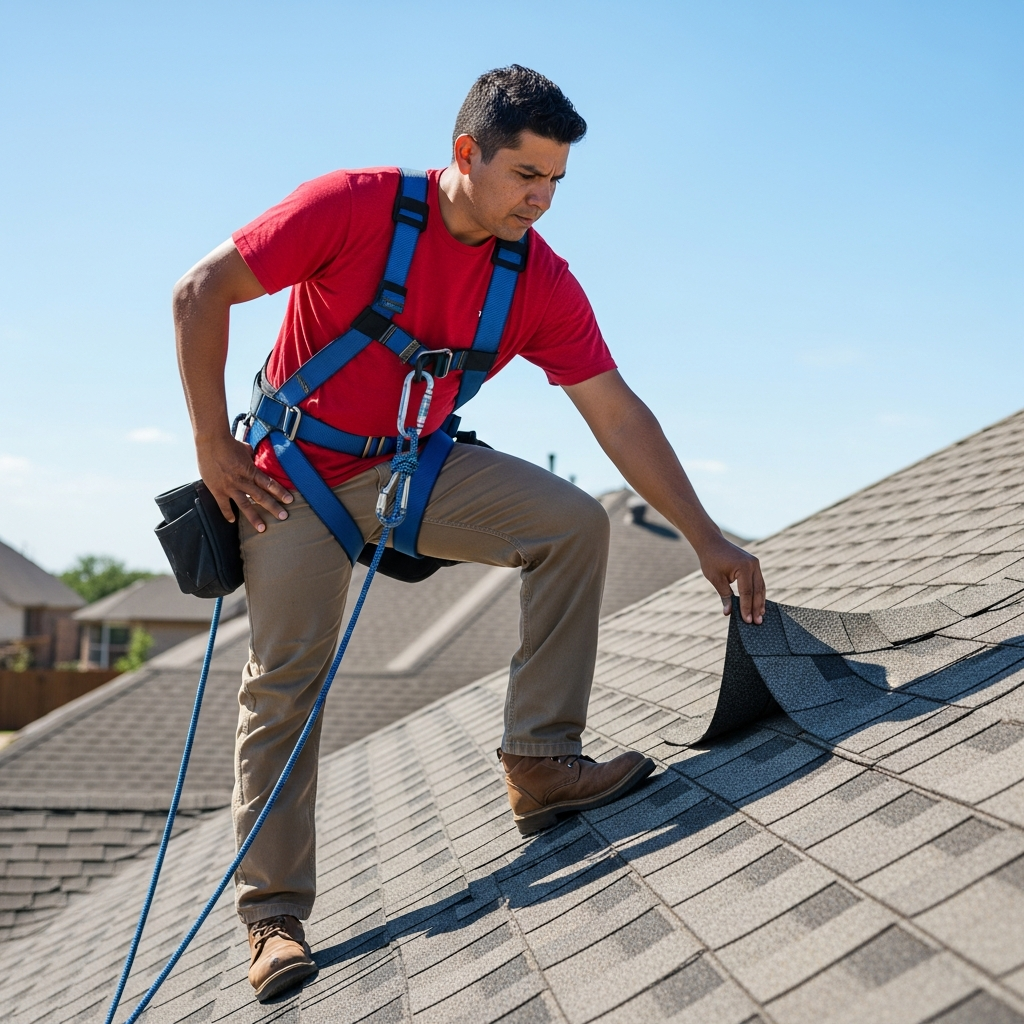
Picture this: you’re sipping your morning coffee, scrolling through your phone, when the sound hits you. *Thud. Thud. THUD.*
At first, you think it’s just your neighbor doing… whatever neighbors do at 7 AM. But then you realize – those thuds are coming from directly above your head. Your roof. And suddenly, your peaceful morning turns into a mini panic attack about what’s happening up there.
If you’ve ever had roof work done, you know that feeling. It’s not just about the noise – though honestly, it sounds like a herd of caffeinated elephants tap-dancing on your shingles. It’s the worry. What if they drop something through the ceiling? What if they damage your gutters? What if debris ends up scattered across your pristine flower beds that you’ve been babying all summer?
Here in Dallas, we get it. Our weather doesn’t exactly play nice with roofs – between those surprise hailstorms that seem to come out of nowhere and the scorching summer heat that makes shingles curl up like potato chips… well, roof repairs aren’t exactly rare around here. But here’s the thing that keeps homeowners up at night (besides the actual repair work happening overhead): how do you know your property is truly protected during the process?
I’ve talked to countless homeowners who’ve shared their horror stories. There’s Sarah from Plano, who came home to find her prized rose bushes completely flattened under a pile of old shingles. Or Mike from Richardson, whose contractor somehow managed to dent his brand-new SUV with falling debris – and then claimed it wasn’t their responsibility. These aren’t just inconveniences… they’re expensive headaches that can turn a necessary roof repair into a financial nightmare.
The truth is, not all roofing contractors operate the same way. Some treat your property like it’s their own grandmother’s house – covering everything with the precision of a surgeon and cleaning up so thoroughly you’d never know they were there. Others? Well… let’s just say they subscribe to the “close enough” school of property protection.
And that difference – that gap between careful contractors and careless ones – can cost you thousands. Think about it: your AC unit, your landscaping, your vehicles, your outdoor furniture, even your home’s siding… all of it sits in the potential line of fire when work begins on your roof. One misplaced ladder, one poorly secured tarp, one moment of inattention, and suddenly you’re dealing with damage that extends far beyond your original roofing issue.
But here’s what I’ve learned after years of watching the best contractors work – the ones who really know what they’re doing don’t just show up and start hammering away. They have systems. Protocols. They think three steps ahead, anticipating problems before they happen. It’s like watching a chess master versus someone who just learned the rules yesterday.
The really good contractors in Dallas? They understand that your property isn’t just a work site – it’s your home. Your sanctuary. The place where your kids play in the backyard and where you’ve invested countless hours (and dollars) making everything just right. They get that protecting your property isn’t just good business… it’s the right thing to do.
So what exactly should you expect from a roofing contractor when it comes to protecting your property? What are the telltale signs that separate the pros from the pretenders? And more importantly, how can you make sure you’re hiring someone who’ll treat your home with the respect it deserves?
That’s exactly what we’re going to talk about. I’m going to walk you through the eight key ways that professional roofers protect your property during repairs – not just the obvious stuff, but the subtle techniques that make all the difference. You’ll learn what questions to ask potential contractors, what warning signs to watch for, and how to spot the difference between someone who talks a good game and someone who actually delivers.
Because honestly? Your home deserves better than “good enough.” And you deserve the peace of mind that comes from knowing your property is in truly capable hands.
Why Your Roof is More Fragile Than You Think
You know that feeling when you’re carrying a full cup of coffee up the stairs? One wrong step and… well, let’s just say your carpet remembers. That’s basically what your roof deals with every single day – except instead of coffee, it’s battling wind, hail, scorching Texas sun, and the occasional surprise thunderstorm that rolls through Dallas like it owns the place.
Here’s the thing most homeowners don’t realize: your roof isn’t just shingles sitting up there looking pretty. It’s actually a complex system – kind of like a really expensive sandwich with multiple layers that all need to work together. You’ve got your decking (the bread), underlayment (the mayo, if you will), and then your visible shingles or tiles on top. When roofers start peeling back those layers during repairs… well, that’s when your home becomes temporarily vulnerable.
The Domino Effect of Roofing Work
I’ll be honest – this part always surprises people. You call a roofer to fix what looks like a small problem, maybe just a few missing shingles. But once they start working, it’s like opening a can of worms. Or more accurately, it’s like pulling a loose thread on a sweater – sometimes you end up unraveling more than you bargained for.
During repairs, your home temporarily loses some of its protective barriers. Think of it like having minor surgery – the surgeon needs to make an incision to fix the problem, which means you’re more susceptible to infection until everything heals properly. Your roof works the same way. Those exposed areas become entry points for water, debris, and – in Dallas – all that lovely dust we pretend doesn’t exist but somehow ends up coating everything.
Weather: The Uninvited Guest
Dallas weather is… let’s call it “moody.” One minute it’s sunny, the next you’re watching your neighbor’s patio furniture fly by your window. When you’re in the middle of roofing work, this unpredictability becomes a real concern.
Professional roofers know that timing is everything. They’re constantly watching weather forecasts like meteorologists (actually, probably more accurately than meteorologists – sorry, Channel 8). Because here’s what happens when unexpected weather hits during repairs: water finds its way into places it was never meant to go. Your attic insulation becomes a soggy mess. Your drywall starts looking like abstract art. And don’t even get me started on what happens to hardwood floors when they meet unwanted moisture…
The Inside Story: What’s Really at Risk
Most people think about roof damage in terms of… well, roof damage. But the reality is that roofing problems have this sneaky way of cascading down through your entire home. It’s like that old song – “the hip bone’s connected to the thigh bone” – except it’s more like “the roof leak’s connected to the ceiling stain, the ceiling stain’s connected to the mold problem, the mold problem’s connected to your bank account crying.”
Your electrical systems, HVAC equipment, personal belongings, structural integrity – they’re all potentially in the line of fire during roofing work. I’ve seen homeowners who thought they were getting a simple repair end up dealing with damaged electronics because they didn’t realize that even a small amount of water intrusion could cause problems.
The Trust Factor (And Why It Matters More Than Price)
Here’s where things get a bit philosophical, but bear with me. When you hire someone to work on your roof, you’re essentially handing over the keys to your castle and saying, “Please don’t let my stuff get ruined while you fix this.”
That’s a huge leap of faith. And frankly, not every roofing company deserves that trust. Some treat your property like a construction zone rather than someone’s home. Others cut corners on protection because tarps and cleanup time eat into their profit margins.
The roofers who really get it? They understand that protecting your property isn’t just good customer service – it’s basic human decency. Your home isn’t just a structure; it’s where your family makes memories, where your kids take their first steps, where you collapse after long days at work.
Actually, that reminds me of something my grandmother used to say: “You can tell a lot about people by how they treat things that don’t belong to them.” When it comes to roofers, truer words were never spoken.
Getting the Most from Your Roofing Team’s Protection Efforts
You know what separates the pros from the weekend warriors? It’s not just the nail gun skills – it’s how they treat your stuff while they’re up there making all that racket. Here’s what you should expect (and demand) from any roofing crew worth their salt in Dallas.
Ask about their tarp system before they even show up. The good crews don’t just throw some random blue tarp over your rose bushes and call it a day. They’ve got heavy-duty, UV-resistant tarps in multiple sizes, and they know exactly which plants in your yard are worth more than their insurance deductible. Pro tip: if they can’t tell you the difference between your Japanese maple and your crepe myrtle… that’s a red flag.
Walk the perimeter with them before work starts. Point out that sprinkler head that’s hidden by the grass, mention that the HVAC unit is brand new (and cost you a fortune), show them where your dog likes to do his business. The more they know about your property’s quirks, the better they can protect it.
Making Sure Your Gutters Stay Happy
Here’s something most homeowners never think about – your gutters are going to take a beating during roof work, even when everything goes right. Debris falls, ladders lean, workers step… it happens.
Before the crew arrives, take photos of your gutters from multiple angles. Not because you don’t trust them (well, maybe a little), but because insurance claims go so much smoother when you’ve got before-and-after documentation. While you’re at it, snap pics of your siding, windows, and that decorative trim your spouse insisted on installing last spring.
Ask your roofer to inspect and clean your gutters before they start. Most will do this anyway, but the ones who don’t… well, they might not be thinking three steps ahead like you want them to. A clean gutter system means debris has somewhere to go instead of backing up and causing water damage during those afternoon Dallas thunderstorms that seem to pop up whenever you least expect them.
The HVAC Dance Nobody Talks About
Your air conditioning unit is basically a magnet for roofing debris. Those condenser coils? They’re like expensive lint traps that happen to keep your house cool. Smart roofers know this.
They should be covering your outdoor unit with plywood (not just a tarp that’ll blow away in our notorious Dallas wind). The really good ones will actually disconnect the power temporarily if they’re working directly overhead – better safe than sorry when it comes to a few thousand dollars worth of cooling equipment.
Don’t be afraid to ask them to move the cover periodically so your system doesn’t overheat. Yes, this means a bit more work for them, but it also means you won’t be calling for emergency AC repair in July when it’s 105 degrees and every HVAC tech in town is booked solid.
Window and Siding Protection That Actually Works
Here’s where you can spot the experienced crews from the fly-by-night operations: how they protect your windows and siding. The amateurs slap some plastic sheeting over everything and hope for the best. The pros? They’ve got a system.
Quality crews use ram board (that thick cardboard-like material) for siding protection, especially around dormers and anywhere ladders need to lean. For windows, they’ll use both protective film AND physical barriers – because a nail through expensive low-E glass is nobody’s idea of a good time.
Insist they show you their protection setup before the real work begins. Walk around with the foreman and have them explain their plan. If they seem annoyed by your questions or can’t give you specifics… well, you might want to reconsider your choice of contractor.
Documentation That Saves Headaches Later
Take this advice seriously: document everything, but be smart about it. You don’t need 500 photos of every shingle, but you do want clear shots of potential problem areas before and after.
Set up a simple system – maybe just use your phone to create an album called “Roof Project” and take a few shots each morning before work starts and each evening after they’ve cleaned up. Pay special attention to areas where protection meets your property… those junction points where most damage tends to happen.
The best roofers won’t mind this at all – they’re proud of their protection methods and happy to show them off.
When Weather Doesn’t Cooperate (And It Won’t)
Let’s be real – Dallas weather has a personality disorder. One day you’re scheduling repairs, the next you’re dealing with a surprise thunderstorm that makes your roofer pack up faster than kids leaving school on Friday.
The biggest headache? Half-finished jobs sitting exposed. I’ve seen homeowners pace their living rooms while tarps flap ominously overhead, wondering if they’ve made a terrible mistake. Here’s what actually works: good roofers will have contingency plans that go beyond “we’ll come back when it’s sunny.” They should be monitoring weather forecasts obsessively – more than your local meteorologist – and communicating changes before you have to call them.
Look for contractors who invest in heavy-duty temporary protection systems, not just blue tarps from Home Depot. And honestly? If a roofer can’t give you a clear plan for weather delays during your initial consultation, that’s a red flag bigger than a tornado warning.
The Neighbor Problem Nobody Talks About
Your property might be protected, but what about Mrs. Johnson’s prized rose bushes next door? Or that vintage car your neighbor parks approximately three inches from your property line?
This gets messy fast. I’ve watched perfectly reasonable people turn into property-line warriors when roofing debris lands in the wrong yard. The solution isn’t just about liability insurance (though that’s crucial) – it’s about proactive communication.
Smart roofers will actually knock on neighbors’ doors before work begins. They’ll explain the process, timeline, and what protection measures they’re taking. Some even provide temporary coverings for neighboring vehicles or delicate landscaping. It sounds like overkill until you’re dealing with an angry neighbor and a damaged relationship that outlasts your new roof by decades.
The “Everything Takes Longer” Reality
Here’s what they don’t tell you in those cheerful brochures: roofing projects expand like gas to fill available space. That “three-day job” becomes a week. The week becomes ten days. And suddenly you’re living under construction chaos longer than a reality TV show marathon.
The real challenge isn’t just the delay – it’s the compounding stress of daily disruptions. Your morning coffee routine gets destroyed when workers arrive at 7 AM. Your dog develops separation anxiety from the constant noise. Your work-from-home calls become exercises in creative muting.
Experienced roofers build buffer time into their schedules, but here’s the thing – they won’t always advertise this upfront because nobody wants to hear “this might take twice as long as we’re telling you.” Push for realistic timelines during consultations. Ask specifically about what could cause delays. And for your own sanity, plan as if everything will take 50% longer than promised.
The Hidden Damage Discovery Dilemma
Nothing quite prepares you for the moment your roofer says, “Well, we found something interesting up here…” in that tone that means your wallet is about to get lighter.
Discovering additional damage mid-project is incredibly common – rotted decking, structural issues, outdated electrical work that needs updating to meet current codes. But here’s where many homeowners get stuck: feeling pressured to make expensive decisions on the spot while workers stand around waiting.
Don’t let anyone rush you into major additional work without proper documentation and revised estimates. Legitimate contractors will photograph problems, explain options clearly, and give you time to consider alternatives. Yes, this might mean temporary work stoppages. Yes, it’s frustrating. But making panicked decisions with thousands of dollars at stake rarely ends well.
Managing the Mess That Spreads Everywhere
Dust travels. Debris finds impossible hiding places. And somehow, despite all the protective measures, you’ll still find roofing materials in places that defy physics – like inside your closed bathroom cabinet.
The expectation gap here is huge. Homeowners picture neat, contained work zones. Reality looks more like a construction tornado hit your property. Daily cleanup becomes essential, not optional. Good roofers will assign someone specifically to end-of-day cleanup, but you’ll still need to stay on top of it.
Set up staging areas for your belongings before work begins. Create barriers around sensitive areas inside your home. And accept that you’ll be doing more cleaning than usual – it’s not a sign of poor workmanship, it’s just the nature of tearing apart and rebuilding the thing that keeps weather out of your house.
What to Expect: The Real Timeline
Here’s the thing about roof repairs – they almost never go exactly as planned. And that’s completely normal.
Most homeowners think a simple shingle replacement should take a day, maybe two. But here’s what actually happens: your roofer shows up, pulls back that damaged section, and discovers the decking underneath is softer than it should be. Or they find that the flashing around your chimney has been letting water seep in for months. Suddenly, your “quick fix” becomes a three-day project.
Don’t panic when this happens. Good roofers in Dallas will walk you through any discoveries – they’re not trying to upsell you, they’re trying to fix problems before they become disasters. A quality repair job typically takes 2-4 days for standard fixes, but complex issues… well, they take as long as they take.
Weather’s another wildcard. Dallas weather doesn’t read your schedule. That afternoon thunderstorm rolling in means your roofer will pack up early rather than risk your safety or their work quality. You might feel frustrated, but trust me – you don’t want someone rushing through waterproofing because they’re worried about rain.
The Mess Factor (And How They Handle It)
Let’s be honest – roof work is messy work. There’s going to be noise, debris, and probably some disruption to your daily routine. But professional roofers know this, and they’ve got systems in place.
Expect tarps everywhere. Your landscaping will look like it’s being prepped for surgery, and that’s exactly what you want to see. Good crews will lay protective coverings before they even bring their first tool up the ladder. They’ll also use magnetic sweepers to grab stray nails – because nobody wants to find those with their car tires later.
The noise starts early (usually around 7 AM) and can be… intense. If you work from home or have small children, plan accordingly. Maybe it’s a good week for that coffee shop you’ve been meaning to try, or time to visit grandparents.
Communication: How Often Is Enough?
You shouldn’t have to hunt down your roofer for updates. Professional crews will check in with you at least once daily – usually at the end of each workday to let you know what they accomplished and what’s planned for tomorrow.
But here’s what you shouldn’t expect: hourly updates or immediate responses to texts. These folks are literally on your roof, focused on not falling off while doing precision work. A good foreman will designate communication windows and stick to them.
If something significant comes up – like that hidden water damage we mentioned – they should stop work and discuss it with you before proceeding. Any reputable roofer will get your approval before adding work to the original scope.
After the Hammering Stops
Once the active repair work wraps up, there’s still a bit more to do. Your roofer should walk through the completed work with you, pointing out what was fixed and how. This isn’t just for your peace of mind – it’s documenting their work quality.
They’ll also handle the final cleanup. This goes beyond picking up obvious debris. Professional crews will do a thorough magnetic sweep of your driveway and surrounding areas. They’ll remove all protective coverings, dispose of old materials properly, and leave your property looking as good as it did before they arrived (maybe better, actually).
The Paperwork Trail
Don’t let them leave without proper documentation. You should receive detailed invoices showing exactly what work was performed, what materials were used, and warranty information for both labor and materials. Keep this stuff safe – you’ll need it for insurance claims, future repairs, or if you sell your home.
Most quality roofers offer warranties on their work, typically 1-2 years for labor and whatever the manufacturer covers for materials. Make sure you understand what’s covered and what isn’t. And yes, get it in writing.
The final inspection should happen after everything’s cleaned up, ideally with you present. Take photos of the completed work – not because you don’t trust them, but because it’s smart documentation for the future.
Remember, a good roofer wants you to be completely satisfied. They’re not disappearing after the last nail is driven – they’re building their reputation one properly protected roof at a time.
Looking back at everything we’ve covered, it’s pretty clear that the right roofing team makes all the difference between a smooth repair experience and… well, a complete nightmare. You know those horror stories your neighbors share about contractors who left their homes looking like a construction zone? Yeah, that doesn’t have to be your story.
The thing is, protecting your property during roof repairs isn’t just about slapping some tarps around and calling it good. It’s about understanding that your home is probably your biggest investment – and definitely your family’s sanctuary. When professional roofers take the time to properly shield your landscaping, set up comprehensive debris management systems, and actually communicate with you throughout the process, they’re showing respect for both your property and your peace of mind.
What Really Sets the Best Teams Apart
Here’s something I’ve noticed after years of working with homeowners: the contractors who go above and beyond with protection measures are usually the same ones who deliver exceptional results overall. It’s like they have this mindset that if they’re going to do the job, they’re going to do it right – from start to finish.
And honestly? In Dallas, where we deal with everything from sudden hailstorms to scorching summer heat, you need that level of thoroughness. Your roof repair shouldn’t create more problems than it solves.
The peace of mind that comes from knowing your property is in capable hands… that’s invaluable. You shouldn’t have to spend your days worrying about whether your flower beds will survive the repair process, or if your driveway will be permanently stained with roofing materials.
You Don’t Have to Navigate This Alone
Maybe you’re reading this because you’ve been putting off necessary repairs, dreading the disruption and potential damage. Or perhaps you’ve gotten a few quotes and felt overwhelmed by varying approaches to property protection. That’s completely understandable – and honestly, pretty smart of you to do your homework.
The reality is that roofing work doesn’t have to be traumatic for you or your property. When you work with contractors who prioritize protection protocols, the whole experience becomes so much more manageable. You might even be pleasantly surprised by how organized and considerate the process can be.
If you’re dealing with roof issues and feeling uncertain about next steps, we’re here to help you think through your options. No pressure, no sales pitch – just honest guidance from people who understand that your home deserves careful, thoughtful attention.
Sometimes the hardest part is just reaching out for that first conversation. Whether you’re dealing with storm damage, aging materials, or just want a professional assessment of your situation, getting expert input can really clarify your path forward.
Ready to explore your options? Give us a call or drop us a message. We’d love to discuss how we can help protect both your property and your peace of mind during any necessary repairs. Your roof – and your sanity – will thank you.