What Materials Do Roofing Companies Use for Roof Replacement in Mesquite?
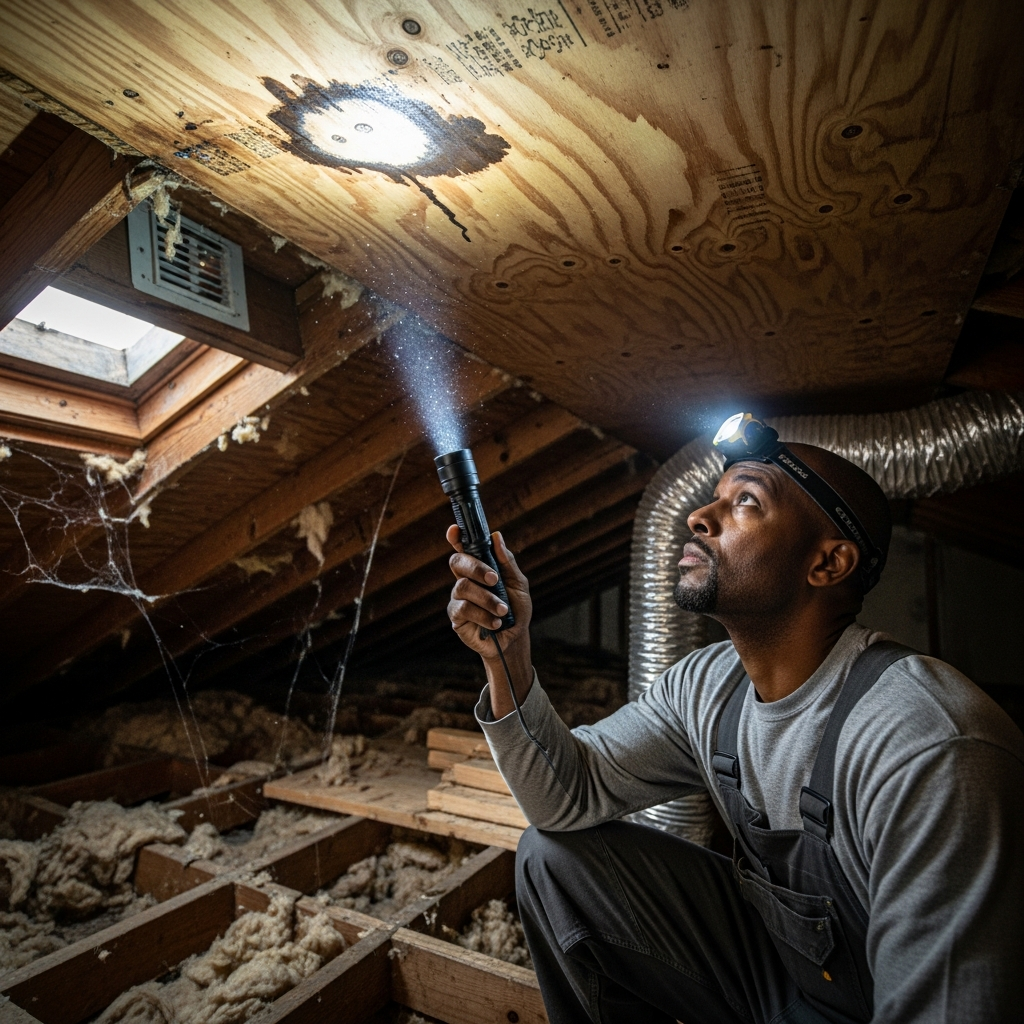
The first drops hit your coffee mug as you’re sitting on your back patio, enjoying what was supposed to be a peaceful Saturday morning. You glance up at the sky – not a cloud in sight. That’s when it hits you: the water isn’t coming from above. It’s coming from *inside* your house.
If you’ve lived in Mesquite for more than a few years, you know this story. Maybe it was your story last spring, or maybe it’s the nightmare scenario that keeps you up at night every time the weather forecast shows those ominous storm clouds rolling in from the west. Either way, you’re probably wondering – when the time comes (and let’s be honest, in Texas, it *will* come) – what exactly are roofing companies going to put over your head?
Here’s the thing about roofing materials… it’s not just about keeping the rain out anymore. Sure, that’s still priority number one, but when you’re dealing with Mesquite’s unique brand of weather punishment – those scorching summers where your attic feels like the inside of a pizza oven, the occasional hail storm that sounds like someone’s throwing golf balls at your house, and those surprise thunderstorms that can drop three inches of rain in thirty minutes – you need materials that can handle it all.
And honestly? The choices can be overwhelming.
Walk into any home improvement store or start browsing roofing company websites, and you’ll see terms thrown around like “architectural shingles,” “modified bitumen,” and “TPO membrane.” It’s like they’re speaking a different language – one that apparently everyone but you learned in some secret homeowner class you missed.
But here’s what I’ve learned after talking to dozens of Mesquite homeowners and roofing professionals: the material that goes on your roof isn’t just about the upfront cost (though trust me, we’ll talk about that). It’s about how long you want to go before dealing with this whole process again. It’s about whether you want to cringe every time you get your energy bill in August. It’s about sleeping soundly during storm season instead of lying awake listening to every creak and wondering if tonight’s the night you’ll be shopping for buckets at 2 AM.
The truth is, roofing companies in Mesquite work with a pretty specific toolkit when it comes to materials – and for good reason. What works beautifully in Seattle might be a disaster here, where the temperature can swing forty degrees in a single day and the sun is basically trying to melt everything for six months straight.
Some materials have been the go-to choice for decades because, well, they work. Others are newcomers that promise better performance, longer life, or energy savings that’ll make your wallet happy. And then there are the premium options – the ones that make you wonder if you’re buying a roof or investing in a small country.
Throughout this guide, we’re going to break down exactly what roofing companies in Mesquite are actually using when they show up at your house with their trucks and ladders. We’ll talk about the workhorses – those reliable materials that most contractors reach for first. We’ll explore the newer options that might cost more upfront but could save you money (and headaches) down the road. And yes, we’ll get into the real numbers – not just what things cost, but what they’re *worth* when you factor in everything from energy bills to how long they’ll actually last on your specific house.
Because at the end of the day, this isn’t about finding the cheapest option or the fanciest one. It’s about finding the right fit for your home, your budget, and your peace of mind. After all, a roof isn’t just something that sits on top of your house – it’s what stands between your family and everything Mother Nature throws at North Texas.
So grab that coffee (hopefully in a leak-free zone), and let’s figure out what’s going to keep you dry for the next couple of decades.
Understanding Your Roof’s Basic Anatomy
Before we start talking about shingles and underlayment (and trust me, there’s more to this than you might think), let’s get our bearings. Your roof isn’t just that visible layer you see from the street – it’s actually a carefully orchestrated system of materials working together.
Think of it like a good winter coat. You’ve got the outer shell that takes the brunt of the weather, an insulating layer underneath, and usually some kind of moisture-wicking base layer against your skin. Your roof works the same way – there’s the visible roofing material, protective barriers underneath, and structural support holding it all up.
The thing is… most homeowners only think about that top layer until something goes wrong. Which, honestly, makes perfect sense. Why would you worry about what you can’t see?
The Foundation: Decking and Structure
Here’s where things get interesting – and maybe a bit more complex than you’d expect. Your roof replacement isn’t just about swapping out old shingles for new ones. The decking (that’s the wooden base everything sits on) might need attention too.
In Mesquite’s climate, we see a lot of OSB (oriented strand board) and plywood decking. OSB is basically wood chips pressed together with adhesive – think of it as the particle board’s sturdier cousin. It’s cost-effective and does the job well, though it doesn’t love getting wet. Plywood, on the other hand, is actual wood layers glued together. It costs more but handles moisture better.
Your roofing contractor should check this decking carefully. Sometimes what looks like a simple shingle replacement turns into… well, more. The good news? Finding soft spots or damage now prevents bigger headaches later.
The Unsung Hero: Underlayment
This is probably the most important thing nobody talks about at barbecues. Underlayment is that protective barrier that goes directly over your decking, under your visible roofing material. It’s your roof’s insurance policy.
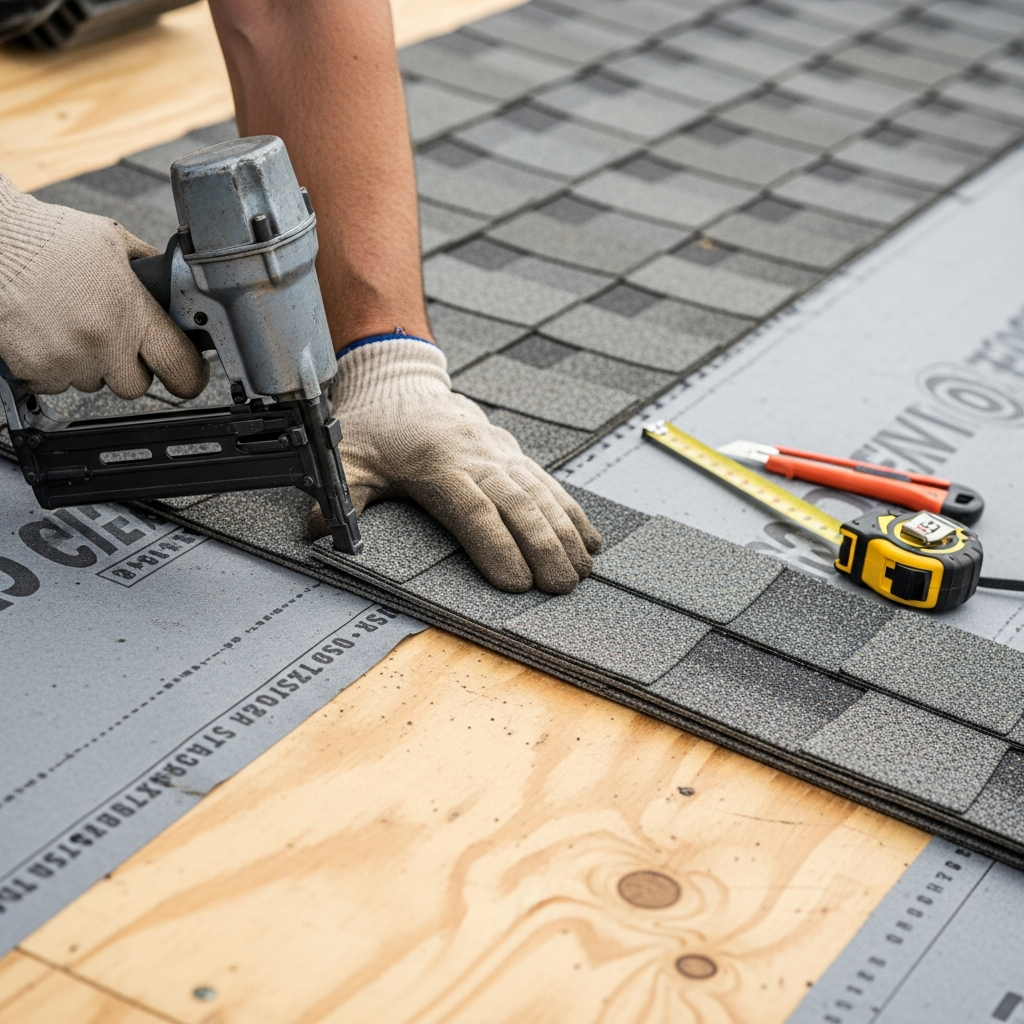
Traditional felt underlayment has been around forever – it’s basically paper saturated with asphalt. Works fine, relatively cheap, but it can tear if you look at it wrong. Synthetic underlayment (made from polypropylene or polyethylene) costs more upfront but… well, it’s like comparing a paper bag to a plastic one in a rainstorm.
Some contractors push the expensive stuff when the basic option would work fine. Others cut corners with the cheapest possible materials. The trick is finding someone who matches the underlayment to your specific situation – your roof’s pitch, local weather patterns, budget constraints.
Climate Reality Check
Living in Mesquite means your roof deals with some pretty intense conditions. We’re talking scorching summers that can push surface temperatures well over 150°F, sudden hailstorms that seem to come out of nowhere, and those occasional ice events that make everyone forget how to drive.
This matters more than you might think when choosing materials. That gorgeous dark shingle might look amazing in the showroom, but it’s going to absorb heat like nobody’s business. Meanwhile, lighter colors reflect more heat but might show dirt and algae growth more readily.
The expansion and contraction from our temperature swings? That’s hard on everything – fasteners, sealants, the materials themselves. It’s like your roof is doing thermal calisthenics every single day.
The Economics of Material Choices
Here’s something that might surprise you: the most expensive material isn’t always the best choice for your specific situation. I know, I know – we’re conditioned to think pricier equals better quality. Sometimes that’s true. Sometimes… not so much.
A premium architectural shingle might last 30 years and look fantastic, but if you’re planning to sell in five years, you might not recoup that investment. On the flip side, going too cheap can mean replacing everything again sooner than you’d like.
Your contractor should walk you through these trade-offs honestly. The best material choice depends on your timeline, budget, home’s style, and what matters most to you – longevity, appearance, energy efficiency, or initial cost.
What This All Means for You
The reality is that roof replacement involves dozens of decisions about materials you’ve probably never heard of. That can feel overwhelming, but here’s the thing – you don’t need to become an expert overnight. You just need to understand enough to ask good questions and recognize when someone’s trying to oversell or cut corners.
Making Sense of Material Quality Grades
Here’s something most homeowners don’t realize – that “architectural shingle” label doesn’t tell you everything. There are actually three distinct quality tiers, and knowing this can save you thousands.
Basic architectural shingles (think 25-year warranty) use thinner mats and less granule coverage. They’ll do the job, sure, but in Mesquite’s punishing sun, you’re looking at premature fading and potential cracking around year 15. Mid-tier shingles – usually carrying 30-year warranties – have denser mats and better UV protection. That’s your sweet spot for most homes.
Premium shingles (40+ year warranties) are where things get interesting. They often include algae resistance strips and enhanced wind ratings… but here’s the thing: if your current roof lasted 20 years, do you really need a 50-year shingle? Sometimes that extra money is better spent on improved ventilation or higher-quality underlayment.
The Underlayment Decision That Actually Matters
Your contractor might mention “felt paper” or “synthetic underlayment” like it’s a minor detail. It’s not. This is huge.
Traditional felt paper costs less upfront but degrades quickly in heat. In Mesquite’s climate, synthetic underlayment – while pricier – provides better moisture protection and won’t deteriorate during installation delays (you know how Texas weather can change plans).
Ice and water shield is another consideration. Now, I know what you’re thinking – ice in Texas? But this self-sealing membrane isn’t just for ice dams. It’s fantastic protection around penetrations like vents and chimneys where wind-driven rain loves to sneak in. Most quality contractors will use it in valleys and around roof features even in our climate.
Ventilation Materials: The Unsung Heroes
Ridge vents versus box vents – this debate gets heated (pun intended). Ridge vents provide more consistent airflow along the entire roof peak, but they require proper soffit ventilation to work effectively. If your home has limited soffit area, strategically placed box vents might actually perform better.
Here’s what I wish more homeowners knew: the type of intake ventilation matters more than most people realize. Those rectangular soffit vents look neat and tidy, but continuous perforated soffit material moves way more air. If you’re doing a full roof replacement, push for continuous soffit vents even if it means a bit more carpentry work.
Flashing: Where Corners Can’t Be Cut
Galvanized steel flashing might seem fine – it’s what’s been used for decades. But in Texas humidity, especially around HVAC penetrations, you’ll see rust stains within five years. Step up to aluminum or, better yet, copper for chimneys and complex roof intersections.
Step flashing around dormers and sidewalls should be individual pieces, not one long strip. This allows for thermal expansion and makes future repairs easier. If your contractor suggests continuous flashing, that’s… well, that’s not ideal. Each shingle course should have its own flashing piece tucked behind it.
Timing Your Material Choices Strategically
Material availability fluctuates more than you’d expect. That premium shingle you fell in love with? It might have a 12-week lead time during busy season. Here’s an insider tip: if you’re planning a roof replacement, start the material selection process in winter or early spring. You’ll have better selection and often better pricing.
Also, consider this – some manufacturers offer better warranties when their products are installed together as a system. GAF’s Total Protection system, for example, extends warranties when you use their shingles, underlayment, and ridge cap together. CertainTeed has similar programs. These aren’t just marketing gimmicks; they often include enhanced wind and algae coverage.
The Regional Reality Check
Mesquite’s specific challenges – intense UV exposure, occasional hail, and those surprise wind storms – should drive your material choices more than national trends.
Cool roof technology is worth considering here. Light-colored shingles with reflective granules can reduce your cooling costs significantly. Some utility companies even offer rebates for Energy Star-rated roofing materials. It’s worth a phone call to Oncor to check current incentive programs.
Don’t let anyone talk you into materials that work great in Minnesota but struggle in Texas heat. Your roof needs to handle 100-degree days for months, not just look good in a showroom.
When Weather Throws Your Timeline Out the Window
Let’s be real – Mesquite weather doesn’t care about your carefully planned roof replacement schedule. You’ve picked your materials, hired your crew, and then… hello, unexpected thunderstorm. Or that scorching heat wave that makes asphalt shingles too hot to handle safely.
The truth is, weather delays aren’t just inconvenient – they’re expensive. Your crew might need to reschedule, materials could sit exposed longer than ideal, and if you’re dealing with a damaged roof, every extra day feels like rolling the dice.
Here’s what actually works: Build buffer time into your timeline from the start. I know, I know – nobody wants their project to drag on. But adding an extra week or two to your expected completion date means weather hiccups become minor inconveniences instead of major stress points. Also, ask your contractor about temporary weatherproofing options. Good crews will tarp vulnerable areas and secure materials properly, but you shouldn’t have to guess about this stuff.
The Sticker Shock Reality Check
You’ve done your research, gotten quotes, and thought you were prepared for the cost. Then the contractor starts talking about fascia boards, unexpected decking repairs, or upgrading your ventilation system. Suddenly, that neat budget you’d planned? It’s looking pretty optimistic.
This happens because roofing is like surgery – you can’t always see what’s underneath until you start removing layers. That 15-year-old roof might be hiding water damage, or your gutters might need work that wasn’t obvious from the ground.
The solution isn’t to panic or assume you’re being scammed. Set aside a contingency fund – typically 10-20% of your total project cost – for these discoveries. And here’s something most people don’t think to ask: request that your contractor document any additional issues with photos before proceeding. You want to see what they’re seeing, not just take their word for it.
Material Availability Nightmares
Remember 2021? When you couldn’t find lumber anywhere, and everything cost twice as much as it did six months earlier? Well, roofing materials aren’t immune to supply chain chaos. The specific tile color you loved might be backordered for three months. That metal roofing system? The manufacturer is having production delays.
This is especially tricky in Mesquite because our climate demands quality materials – you can’t just grab whatever’s available and hope for the best. Cheap alternatives might save money upfront, but they’ll cost you more when they fail under Texas heat and storms.
Smart approach: Have backup material options ready before you need them. Ask your contractor to identify 2-3 suitable alternatives for your primary choice, complete with samples and pricing. If your first choice hits a snag, you’re not starting from scratch. Also, consider placing material orders as early as possible, even if installation is weeks away. Storage costs are usually minimal compared to project delays.
The Permit Puzzle That Nobody Mentions
Here’s something that catches people off guard – Mesquite has specific requirements for roof replacements, and navigating the permit process can feel like solving a puzzle while blindfolded. Different materials have different code requirements. Some installations need engineered drawings. And if your property is in certain neighborhoods or districts, there might be additional restrictions you’ve never heard of.
The permit process typically takes 2-4 weeks, which nobody accounts for in their timeline. Plus, inspections can flag issues that delay completion even further.
Your contractor should handle permits, but don’t just assume they will. Explicitly confirm who’s responsible for obtaining permits and scheduling inspections. Get this in writing. And ask about the timeline – when will permits be submitted, when are inspections expected, and what happens if something needs to be redone?
Communication Breakdowns That Drive Everyone Crazy
You know what’s worse than project delays? Not knowing why they’re happening. Too many homeowners find themselves in the dark about progress, changes, or problems. Your contractor disappears for days without updates, or crew members give you conflicting information about what’s happening next.
This isn’t just annoying – it’s anxiety-inducing when we’re talking about the roof over your head.
Set communication expectations upfront. Weekly check-ins minimum, daily updates during active work phases. Ask for a point person – one contact who knows the project status and can give you straight answers. And don’t feel bad about asking questions. It’s your house, your money, and your peace of mind.
What to Expect During the Process
You’ve made the decision, picked your materials, and chosen your contractor. Now what? Well, here’s the thing – roof replacements aren’t exactly quick weekend projects. A typical residential roof in Mesquite takes anywhere from 3-7 days, depending on size, complexity, and weather (because Mother Nature doesn’t always cooperate with construction schedules).
Day one usually involves tearing off your old roof – and yes, it’s going to be loud. Your neighbors might give you some looks, but hey, they’ll understand when their turn comes. The crew will set up tarps to protect your landscaping, though you might want to move those prized rose bushes just in case.
Here’s something most people don’t think about: your daily routine is going to be… interesting. Working from home during a roof replacement is like trying to concentrate during a very long, very persistent thunderstorm. The dogs will bark. The kids will ask a million questions. And that important Zoom call? Maybe reschedule it.
Weather – Your Project’s Wild Card
In Mesquite, we get everything from sudden downpours to hail storms that seem to come out of nowhere. A good roofing company will monitor weather forecasts like hawks and have contingency plans. If rain’s predicted, they’ll make sure your home is properly tarped and protected – even if it means stopping work mid-day.
Summer heat presents its own challenges. Work typically starts early (think 7 AM) to beat the worst heat, and crews might take extended breaks during peak afternoon temperatures. It’s not laziness – it’s safety. And honestly? Better materials and workmanship come from crews who aren’t dealing with heat exhaustion.
The Inspection Dance
Don’t be surprised if inspectors show up multiple times. There’s usually a preliminary inspection after the old roof comes off, another during installation, and a final inspection when everything’s complete. Each city has its own quirks – Mesquite’s inspectors are generally pretty thorough but fair.
Your contractor should handle scheduling these inspections, but delays can happen. Sometimes the inspector gets called to an emergency. Sometimes there’s a backlog. It’s frustrating, but it’s also normal.
Dealing with the Unexpected
Here’s what no one tells you upfront – almost every roof replacement uncovers something unexpected. Maybe there’s more water damage to the decking than initially visible. Perhaps the chimney flashing is in worse shape than anyone realized. Or – and this happens more often than you’d think – they discover the previous roofer took some creative shortcuts.
A reputable contractor will walk you through any issues they find and explain your options. Yes, it might mean additional costs, but addressing problems now prevents much bigger headaches later. Think of it like surgery – once they’re in there, it’s better to fix everything rather than hope that questionable area holds up.
Communication Throughout
Your project manager should keep you updated regularly – not just when problems arise, but with daily progress reports. Good contractors send photos showing work completed, materials being installed, and any areas of concern.
Don’t hesitate to ask questions, but also remember that your crew needs to focus on the work at hand. Save the detailed discussions for scheduled check-ins rather than interrupting every few hours.
Final Walkthrough and Beyond
When the work’s complete, you’ll do a final walkthrough with your contractor. This isn’t just a formality – it’s your chance to note any concerns, understand your warranty coverage, and get care instructions for your new roof.
Most reputable contractors provide warranties on both materials and workmanship. Material warranties typically come from manufacturers (think 25-50 years), while workmanship warranties are usually 5-10 years from the contractor. Keep these documents somewhere safe – you’ll thank yourself later.
The Aftermath
After the crew leaves, you’ll probably find a few nails in your driveway despite their cleanup efforts. Most contractors do a final sweep with magnetic tools, but a few stragglers always seem to hide. Keep an eye out for a week or two – better to find them now than with your car tires later.
Your new roof will need a few weeks to fully settle. Don’t panic if you hear some minor creaking or shifting sounds – that’s normal as everything adjusts to temperature changes and settles into place.
Making the Right Choice for Your Home
You know, after walking through all these roofing materials – from classic asphalt shingles to those gorgeous slate tiles – it’s pretty clear that there’s no one-size-fits-all answer. And honestly? That’s actually a good thing. Your home isn’t exactly like your neighbor’s, and your needs aren’t either.
Maybe you’re sitting there thinking, “Great, now I have even more questions than when I started.” I totally get that. It’s like going to the paint store for “just white” and discovering there are literally fifty shades of white. Sometimes more options feel overwhelming rather than helpful.
But here’s what I want you to remember – every single one of these materials has found its perfect home somewhere in Mesquite. Those metal roofs gleaming in the Texas sun? They’re keeping families cool and energy bills manageable. The tile roofs adding that Mediterranean flair to neighborhoods? They’re weathering our infamous hailstorms like champs. Even those trusty asphalt shingles are quietly protecting thousands of homes, year after year.
The real trick isn’t finding the “perfect” material… it’s finding the perfect material for you. And that depends on so many factors we haven’t even touched on yet. Like your specific roof’s slope and size. Your home’s architectural style (because let’s be honest, slate on a ranch house might look a little… interesting). Your family’s long-term plans. Even things like whether you’ve got tall trees that’ll drop branches or if you’re in a particularly hail-prone pocket of the city.
I’ve seen homeowners agonize over these decisions for months, creating elaborate spreadsheets and calling every contractor in the phone book. And you know what usually happens? They end up happiest when they find a roofing company they trust and lean on their expertise. Someone who can look at your actual roof, in your actual neighborhood, with your actual budget in mind.
Because here’s the thing – a good roofer isn’t just going to sell you the most expensive option or whatever they have sitting in their warehouse. They’re going to ask about your priorities, explain the trade-offs honestly, and help you navigate those inevitable curveballs (like discovering your decking needs work once they start tearing off the old roof).
Ready to Move Forward?
If all this information has you feeling ready to take the next step – or if it’s left you with a head full of questions – that’s completely normal. Roof replacement is a big deal, and you shouldn’t have to figure it out alone.
The roofing companies here in Mesquite have seen it all. They know which materials hold up best in our climate, they understand local building codes, and they can spot potential issues before they become expensive problems. More importantly, they can translate all this technical stuff into real-world advice that makes sense for your situation.
Don’t feel like you need to become a roofing expert overnight. Reach out to a few local contractors, ask lots of questions, and trust your gut. The right team will make this whole process feel less overwhelming and more like… well, like getting your home the protection it deserves.
Your roof’s got one job – keeping you and your family safe and comfortable. Let the professionals help you choose the material that’ll do that job beautifully for decades to come.