How Do Roofers Near Me Inspect for Roof Damage in Dallas?
You know that moment when you’re lying in bed at 2 AM and you hear it? That little *drip… drip… drip* coming from somewhere in your ceiling. Your heart sinks because you know exactly what it means – and more importantly, you know what it’s going to cost.
If you’re a Dallas homeowner, you’ve probably had this experience… or you’re dreading the day you will. Between our legendary hailstorms that can turn golf ball-sized ice into expensive problems, the scorching summer heat that bakes your shingles until they curl like potato chips, and those surprise spring storms that seem to come out of nowhere – well, let’s just say your roof takes a beating down here.
But here’s the thing that keeps most of us up at night (besides that actual dripping): how do you know if your roof is damaged before it becomes a full-blown disaster?
I mean, you’re not exactly going to grab a ladder every weekend and scramble around up there like some sort of suburban Spider-Man. That’s dangerous, and honestly – would you even know what to look for? Most of us wouldn’t know a compromised flashing from a loose shingle if it fell on our heads. Which… it might, actually.
That’s where professional roofers come in, and not just any roofers – the good ones who know Dallas weather patterns like the back of their weathered hands. The ones who can spot trouble before it spots you.
See, a proper roof inspection isn’t just someone walking around your house, glancing up, and giving you a thumbs up. It’s way more involved than that. These professionals have a whole system – a methodical approach that’s part detective work, part engineering assessment, and part fortune telling (okay, maybe not that last part, but they’re pretty good at predicting what’s going to fail next).
The reality is… most roof damage doesn’t announce itself with dramatic leaks or missing shingles flapping in the wind. The sneaky stuff – the kind that’ll cost you thousands down the road – starts small. A tiny crack here, some granule loss there, a slightly lifted edge that’s letting moisture creep in where it shouldn’t be.
And in Dallas? We’ve got some unique challenges that make professional inspections even more crucial. Our clay soil expands and contracts with our weather extremes, potentially shifting your entire foundation – and guess what sits on top of that foundation? Then there’s our UV exposure (hello, 100-degree summers), the occasional tornado threat, and those infamous Texas hailstorms that can literally punch holes through roofing materials.
But here’s what I find fascinating – and what you’re going to discover as we dig into this – professional roofers don’t just look at your roof. They’re reading your entire house like a book, understanding how different systems work together, how Dallas-specific weather patterns create predictable failure points, and most importantly, how to catch problems while they’re still manageable… and affordable.
Throughout this article, you’ll get an inside look at exactly how these inspections work. We’ll walk through what roofers are actually checking when they show up at your house (spoiler alert: it’s not just the obvious stuff you can see from the ground). You’ll learn about the tools they use – some surprisingly high-tech, others refreshingly simple – and why timing matters more than you might think.
We’ll also cover the red flags that mean you need an inspection ASAP, versus the routine maintenance checks that can save you from bigger headaches later. And because this is Dallas we’re talking about, we’ll specifically address how our unique climate affects what roofers look for and when they recommend getting up there for a closer look.
By the time you finish reading, you’ll know not just when to call a professional, but what questions to ask them, what their process should look like, and how to make sure you’re getting a thorough inspection – not just someone trying to sell you a new roof.
Because that 2 AM dripping sound? We’re going to help you prevent it from ever happening in the first place.
Why Dallas Weather Makes Roof Inspections Tricky
Living in Dallas means your roof takes a beating – and honestly, it’s kind of amazing how much abuse these things can handle. Between the scorching summer heat that can make your shingles feel like they’re melting, those surprise hailstorms that sound like someone’s throwing marbles at your house, and the occasional tornado threat… well, let’s just say your roof needs more attention than a roof in, say, San Diego.
The thing is, most homeowners don’t really think about their roof until water starts dripping into their living room. It’s like ignoring that weird noise your car makes – until it leaves you stranded on I-35, right? But here in North Texas, waiting until you see obvious damage is basically playing Russian roulette with one of your biggest investments.
The Sneaky Nature of Roof Damage
Here’s what’s counterintuitive about roof problems: the worst damage often starts invisibly. You know how termites can hollow out a house before you notice anything? Roof damage works similarly – it starts small and hidden, then spreads.
Take granule loss on asphalt shingles, for instance. Those little ceramic-coated rock bits aren’t just there to make your roof look pretty. They’re like sunscreen for your shingles, protecting the asphalt underneath from UV rays. When they start washing away (and in Dallas, between the heat and our intense afternoon thunderstorms, they definitely wash away), your shingles become vulnerable. But you won’t notice this from the ground – it’s subtle, gradual.
Professional roofers know to look for granules in your gutters, which is honestly something I never would’ve thought of. It’s like checking the oil in your car’s drain pan to see how your engine’s doing.
What Professional Eyes See That You Don’t
There’s this whole language of roof damage that most of us just… don’t speak. When a professional roofer climbs up there, they’re reading your roof like a detective reads a crime scene. Every curled shingle edge, every tiny crack, every missing nail tells a story.
They understand how Dallas’s clay soil affects foundation settling – and how that settling can stress your roof structure in ways you’d never connect. (Actually, that reminds me of a client whose mysterious roof leak turned out to be related to foundation issues. Who knew your house’s foundation and roof were having a conversation?)
The Tools Make a Real Difference
Sure, you could climb up there with a flashlight and your phone camera, but professional roofers use equipment that reveals problems you literally cannot see otherwise. Infrared cameras that detect moisture trapped under shingles? Drone inspections that can spot issues on steep or dangerous sections without risking anyone’s neck?
It’s like the difference between trying to diagnose your own mysterious illness with WebMD versus seeing an actual doctor with actual diagnostic tools. You might catch the obvious stuff, but you’re going to miss the subtle indicators that could save you thousands down the road.
Timing Is Everything in Dallas
Here’s something that caught me off guard when I first learned about roofing: there are actually good and bad times for roof inspections. After our famous spring hailstorms? Obviously a good time. But also before our intense summer heat really kicks in – because once those temperatures start pushing 100+ degrees regularly, some damage becomes harder to spot, and repairs become more challenging.
Professional roofers also know that Dallas’s weather patterns mean damage often shows up in clusters. That violent storm last month? It probably affected multiple components of your roof system, not just the obvious spots. They know to look for the domino effects – how hail damage on one section might have caused stress cracking elsewhere, or how wind damage might have compromised your flashing in ways that won’t leak immediately but will cause problems during the next heavy rain.
The reality is, roof inspection isn’t just about looking for missing shingles anymore. It’s about understanding how all these components work together, how Dallas weather specifically attacks different materials, and how seemingly minor issues can cascade into major problems if left unchecked.
What Actually Happens During a Professional Roof Inspection
Here’s the thing about roof inspections in Dallas – they’re not just some guy with a ladder poking around up there. Professional roofers follow a pretty systematic approach, and honestly? Understanding their process helps you spot the good contractors from the ones who’ll miss half your problems.
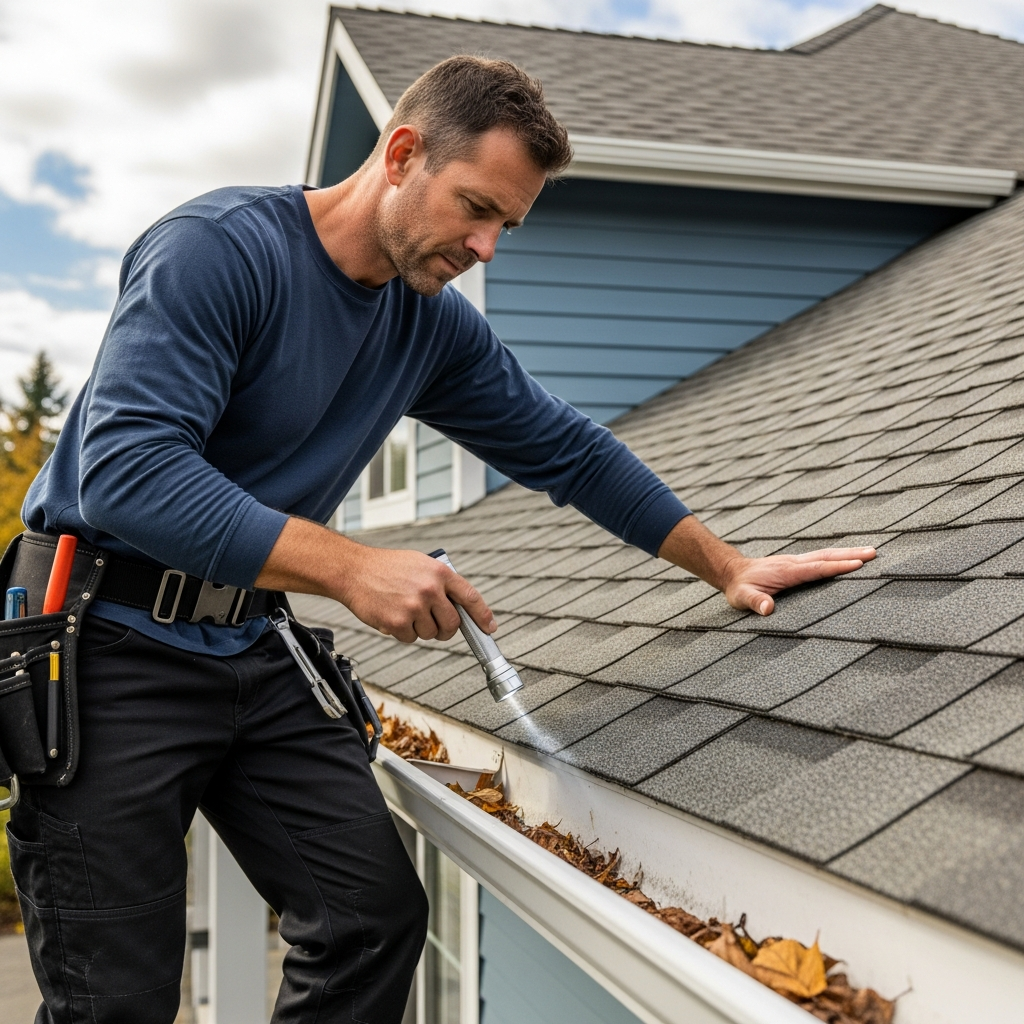
A thorough inspection starts from the ground. Yeah, really. Before they even touch that ladder, experienced roofers walk your property perimeter, looking up at roof lines, checking for obvious sagging or missing materials. They’re also noting things like overhanging tree branches (huge problem here in Dallas) and how water flows around your foundation.
Once they’re up there, they’re checking every single penetration – vents, chimneys, skylights, those satellite dish mounts everyone forgets about. These spots? That’s where most leaks start. Not from some dramatic shingle blowout, but from a tiny gap around a vent boot that’s been letting water seep in for months.
Red Flags That Should Make You Ask More Questions
You know what drives me crazy? Roofers who show up, spend fifteen minutes on your roof, then come down with a laundry list of “critical” repairs. Real talk – if they didn’t bring a camera or take detailed notes, they probably didn’t do a thorough job.
Good roofers document everything. They’ll show you photos of problem areas (from their phone, usually), explain what they found in terms you actually understand, and give you a written report. If someone’s pressuring you to sign something the same day without showing you evidence… that’s a hard no.
Also – and this might surprise you – be wary of contractors who find *everything* wrong with your roof. Dallas weather is tough, sure, but if your roof is less than ten years old and they’re telling you it needs complete replacement? Get a second opinion. Sometimes what looks like major damage is actually normal weathering or minor repairs blown out of proportion.
Timing Your Inspection Like a Pro
Here’s something most homeowners don’t think about – *when* you schedule that inspection matters more than you’d expect. Right after a hailstorm? Good luck getting anyone out there for weeks. Plus, everyone’s in panic mode, prices go up, and you might end up with whoever’s available rather than who’s actually good.
The sweet spot? Late fall or early spring. Weather’s mild, contractors aren’t swamped with storm damage calls, and you’ve got time to properly vet your options. Plus – and this is key – any problems you find won’t turn into emergencies during the next weather event.
If you’re dealing with an active leak, obviously don’t wait. But for routine maintenance checks? Plan ahead. Your roof (and your wallet) will thank you.
Getting the Most Value from Your Inspection
Want to know a secret? The best roofers don’t just look at your current problems – they help you prevent future ones. When they’re up there, they should be checking things like attic ventilation, gutter attachment points, and flashing condition. These aren’t always immediate issues, but they’re the things that’ll save you thousands down the road.
Ask them about your attic ventilation specifically. In Dallas heat, poor ventilation doesn’t just make your AC work harder – it literally cooks your shingles from underneath. A good inspector will tell you if you’ve got enough intake and exhaust vents, and whether they’re actually functioning properly.
Questions You Should Always Ask
Before they leave, make sure you understand their findings completely. Ask things like: “What’s the expected lifespan of these repairs?” or “Which issues should I prioritize if I can’t do everything at once?”
And here’s one most people miss – ask about preventive maintenance. What can *you* do to extend your roof’s life? Usually it’s simple stuff like keeping gutters clean and trimming back tree branches, but getting specific advice for your particular roof and situation is invaluable.
The bottom line? A good roof inspection should leave you feeling informed, not overwhelmed. You should understand what’s wrong, why it matters, and what your realistic options are. If you’re walking away confused or pressured… well, that tells you something important about the contractor too.
When Your Roof Inspector Finds More Than You Bargained For
Here’s what nobody tells you about roof inspections: they almost always find something. And that “something” usually comes with a price tag that makes your stomach drop.
I’ve seen homeowners go from confident to panicked in about thirty seconds flat. You’re expecting maybe a few loose shingles, right? Instead, your inspector starts rattling off terms like “decking replacement” and “flashing failure” – and suddenly you’re looking at thousands instead of hundreds.
The thing is, this isn’t necessarily your inspector trying to upsell you. Dallas weather is brutal on roofs. Those summer storms, the hail, the blazing sun that turns your attic into a furnace… it all adds up faster than you’d think.
Solution: Before the inspection even starts, ask your roofer to explain their process and give you a rough idea of common issues they find in your neighborhood. Most honest contractors will tell you upfront – “Hey, houses built in the 90s around here often have problems with X, and given your roof’s age, don’t be surprised if we find Y.” It’s not about scaring you; it’s about setting realistic expectations.
The Insurance Company Runaround
Oh, this one’s a doozy. Your roof gets damaged in a storm, you file a claim, and then… nothing happens the way it’s supposed to. The insurance adjuster comes out, looks at your roof for maybe twenty minutes, and declares everything’s fine. Meanwhile, your roofer is pointing to obvious hail damage and leak signs.
The frustrating part? You’re caught in the middle of what’s basically a professional disagreement. Your roofer knows roofs, the adjuster knows… well, adjusting. And they don’t always see eye to eye.
I’ve watched homeowners spend months going back and forth, getting supplemental inspections, filing appeals. It’s exhausting, and honestly, sometimes it feels like the insurance company is just hoping you’ll give up.
Solution: Document everything yourself before anyone shows up. Take photos, note any leaks or interior damage, and keep detailed records. When your roofer finds damage, ask them to provide you with a written report that includes photos and specific measurements. This gives you ammunition when dealing with insurance. Also – and this might sound obvious but many people don’t think of it – you can request a second adjuster if you’re not happy with the first assessment.
The Scope Creep Nightmare
This one hits hard. Your inspector starts looking at what you thought was a simple repair, and suddenly they’re talking about replacing half your roof. Or the whole thing. What started as a $500 fix becomes a $15,000 project.
Sometimes this is legitimate – damage often spreads in ways you can’t see from the ground, and one problem can cascade into several others. But sometimes… well, let’s just say not every contractor operates with complete honesty.
The tricky part is figuring out which scenario you’re in. When you don’t know much about roofing (and why would you?), it’s hard to tell if your roofer is being straight with you or seeing dollar signs.
Solution: Always get a second opinion for major work. I know, I know – it means paying for another inspection, dealing with another appointment, more time off work. But think of it as insurance against being oversold. A legitimate contractor won’t be offended by this request. In fact, they might even suggest it themselves for big jobs.
Finding Someone You Can Actually Trust
Here’s the real challenge – Dallas has no shortage of roofing companies, but figuring out which ones are worth your time? That’s another story entirely. After every major storm, the city gets flooded with out-of-state contractors offering deals that sound too good to be true (and usually are).
The problem isn’t just fly-by-night operators, though. Even established local companies can vary wildly in quality, pricing, and… let’s call it “honesty in assessment.”
You end up feeling like you need to become a roofing expert just to hire one responsibly. And who has time for that?
Solution: Start with your neighbors who’ve had recent roof work done. Not just “Did they do a good job?” but “How was the inspection process? Did they find what they said they’d find? Any surprises?” Real talk from people who’ve been through it recently is worth more than any online review.
Also, pay attention during that initial inspection conversation. Good roofers explain what they’re looking for and why. They’ll point out both problems AND things that are holding up well. If someone only focuses on what’s wrong… well, that tells you something too.
What to Expect During Your Roof Inspection
Here’s the thing about roof inspections – they’re not as dramatic as you might think. No one’s going to climb up there and immediately start pointing out a dozen catastrophic problems (well, hopefully not). Most inspections take about 45 minutes to an hour, depending on your roof size and complexity.
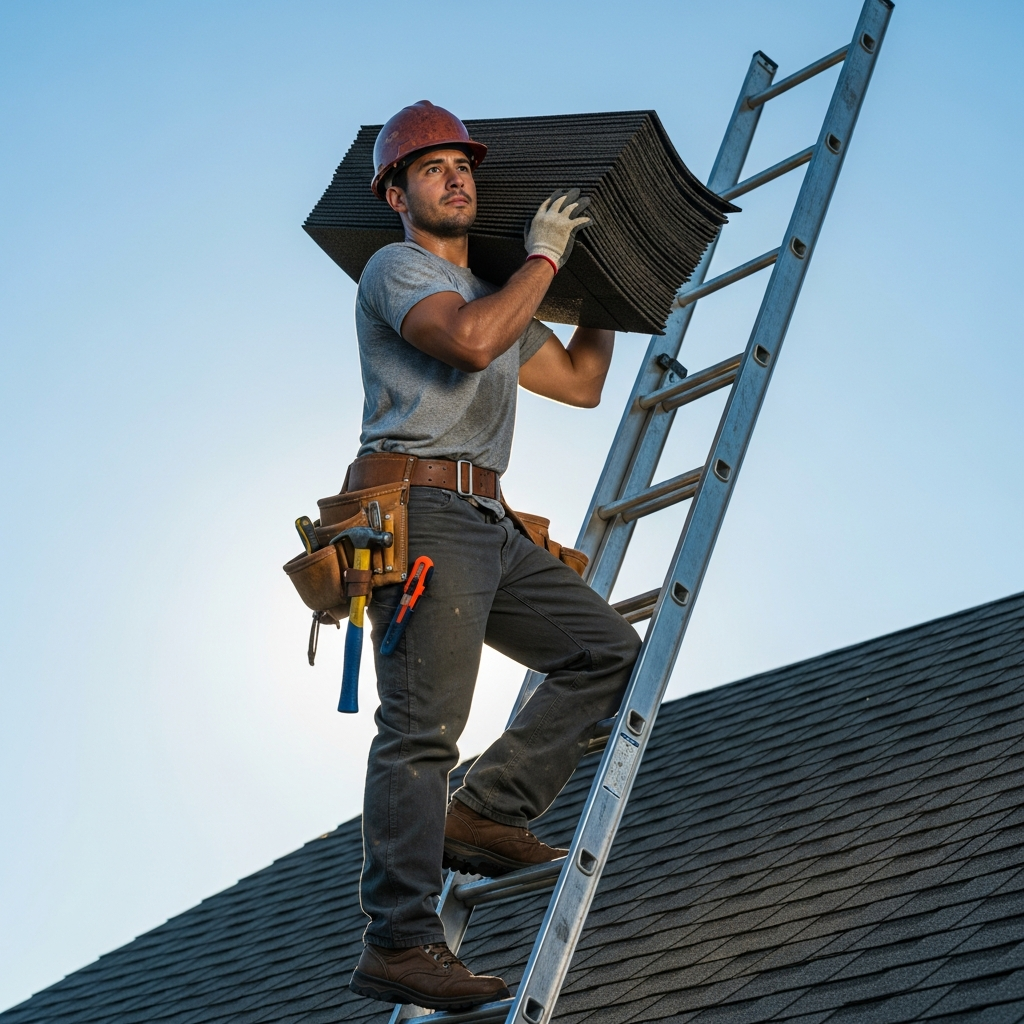
Your roofer will likely start by walking around your property, looking up at the roof from different angles. They’re checking the overall shape, looking for obvious sagging or missing shingles. Then comes the ladder work – and yes, this is where you might want to grab a cup of coffee and let them do their thing. Professional roofers have insurance and experience; you don’t need to supervise every step.
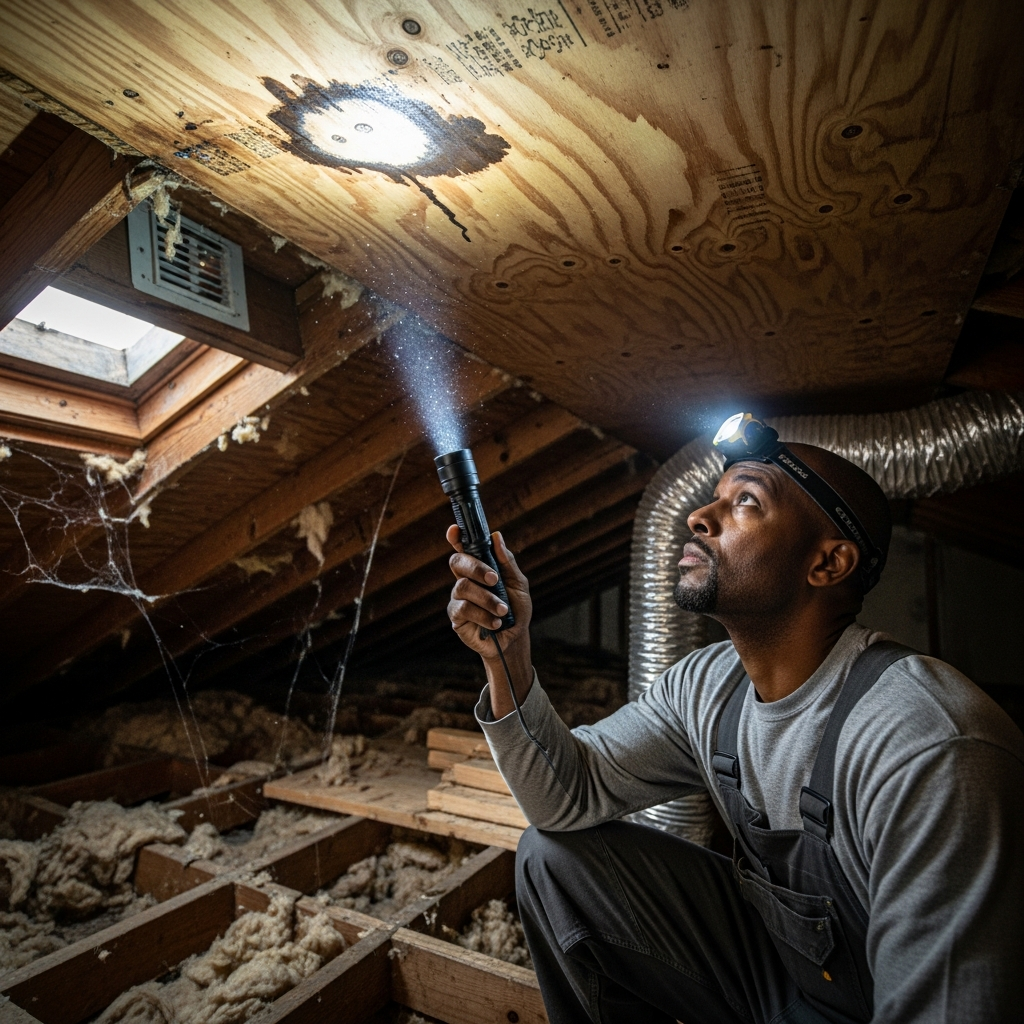
Inside your house, they’ll probably want to peek into your attic if possible. This is actually where some of the most telling signs of damage show up – water stains, daylight peeking through where it shouldn’t, or insulation that looks… well, soggy. Don’t be surprised if they ask about recent storms or whether you’ve noticed any leaks. Context matters when they’re assessing what they find up there.
Getting Your Inspection Results
Most reputable roofers won’t give you a definitive answer on the spot. Sure, they might point out obvious issues – like a tree branch literally sitting on your roof – but the detailed assessment usually comes later. Within 24 to 48 hours, you should receive a written report with photos.
And those photos? They’re worth their weight in gold. You’ll see your roof from angles you’ve never seen before, often with close-ups of problem areas. Some roofers use drones now, which honestly makes the whole process feel a bit futuristic. The photos help you understand exactly what they’re talking about when they mention “compromised flashing” or “granule loss.”
The report should be clear about what’s urgent versus what can wait. Not everything needs immediate attention – sometimes a roofer might flag something to “keep an eye on” rather than demanding immediate repairs.
Timeline Realities for Dallas Roofs
Let’s be honest about timing here. If you’ve just been through a major hail storm (and Dallas gets plenty of those), you’re probably not the only homeowner calling for inspections. During peak storm season – typically late spring through early summer – good roofers can be booked out several weeks.
For routine inspections? You can usually get someone out within a week or two. Emergency situations are different, of course. If you’ve got water actively dripping into your living room, most reputable companies will prioritize getting out there quickly, even if it’s just to provide temporary fixes.
Here’s something people don’t always realize: the inspection itself doesn’t take long, but the insurance dance that sometimes follows… that’s a different story. If you’re filing a claim, expect the process to stretch over several weeks or even months. Your roofer might need to meet with insurance adjusters, provide additional documentation, or wait for claim approvals before major work can begin.
Questions You Should Actually Ask
When you’re talking with the roofer after the inspection, don’t just nod and say “okay” to everything. Ask about the age of the damage – is this from last week’s storm or something that’s been developing over time? Understanding the timeline can be crucial for insurance purposes.
Find out about their warranty policies, both on materials and workmanship. A good roofer stands behind their work, but the specifics vary. Some offer extensive warranties; others provide more basic coverage. Also worth asking: how they handle change orders if they discover additional problems once work begins. (Spoiler alert: they almost always find something unexpected.)
Moving Forward
After you get your inspection report, take some time to review it thoroughly. Don’t feel pressured to make immediate decisions unless there’s genuine urgency. If multiple roofers have told you the same thing about significant issues, that’s probably not a coincidence.
Remember, your roof is one of your home’s biggest investments. A thorough inspection now can save you from much bigger headaches – and expenses – down the road. Dallas weather doesn’t mess around, and neither should you when it comes to protecting your home.
The best roofers want you to be an informed customer, not just someone who signs on the dotted line without understanding what’s happening above your head.
You know what? After talking through all these inspection details, I hope you’re feeling a bit more confident about understanding what’s happening up there on your roof. It’s funny how something we see every day – that protective layer over our heads – can feel so mysterious when problems start cropping up.
The reality is, Dallas weather doesn’t mess around. Between those surprise hailstorms that seem to come out of nowhere and the relentless summer heat that can literally cook your shingles… well, your roof takes a beating. And honestly? Most of us don’t think about it until we’re staring at a water stain on the ceiling, wondering how long that’s been there.
You Don’t Have to Figure This Out Alone
Here’s the thing I want you to remember – you don’t need to become a roofing expert overnight. You don’t need to climb ladders or squint at flashing details you’ve never heard of before. What you *do* need is someone who knows what they’re looking at, someone who can spot the difference between normal wear and a problem that’s going to cost you sleep (and money) down the road.
Those professional inspectors we talked about? They’re not just looking for obvious damage. They’re reading your roof like a story – seeing how the materials have aged, where stress points are developing, what Mother Nature has been up to lately. It’s like having a translator for all those creaks, stains, and weird sounds you’ve been wondering about.
Trust Your Instincts (But Get Expert Eyes Too)
If something feels off – maybe you’ve noticed a few shingles in the yard after that last storm, or there’s a spot where the ceiling looks… different – don’t ignore that little voice in your head. Your instincts about your home are usually pretty good. But pair those instincts with professional expertise, and you’ve got a winning combination.
The inspection process doesn’t have to be intimidating. Most good roofers actually enjoy explaining what they’re seeing because, let’s face it, they love what they do. They want you to understand your roof’s condition, not feel confused or pressured by technical jargon.
Ready for Some Peace of Mind?
Look, dealing with potential roof issues isn’t exactly fun – I get that. But there’s something incredibly reassuring about knowing exactly where you stand. Whether it’s discovering that those mysterious sounds are actually normal settling, or catching a small problem before it becomes a big one, knowledge really is power here.
If you’ve been putting off that inspection because you’re worried about what you might find, or because the whole process seems overwhelming… I understand completely. But what if – and hear me out – what if everything’s actually better than you think? What if those worries keeping you up at night are totally manageable?
Why not find out? A thorough inspection can give you that peace of mind you’ve been missing. And if there *are* issues, you’ll have a clear path forward instead of lying awake wondering “what if.”
Ready to get some answers about your roof? We’re here to help you understand exactly what’s going on up there – no pressure, just honest expertise and genuine care for your home’s wellbeing.