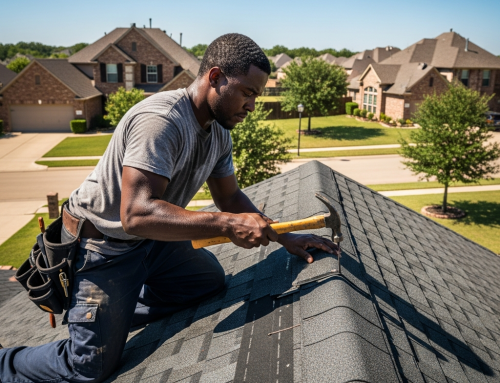
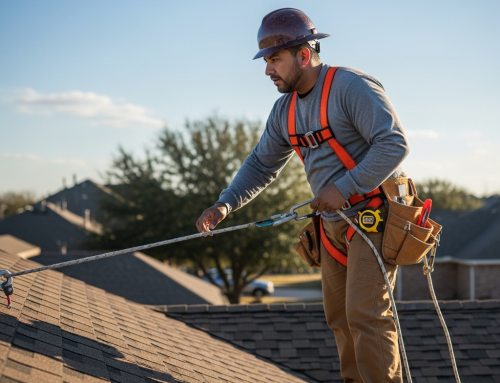
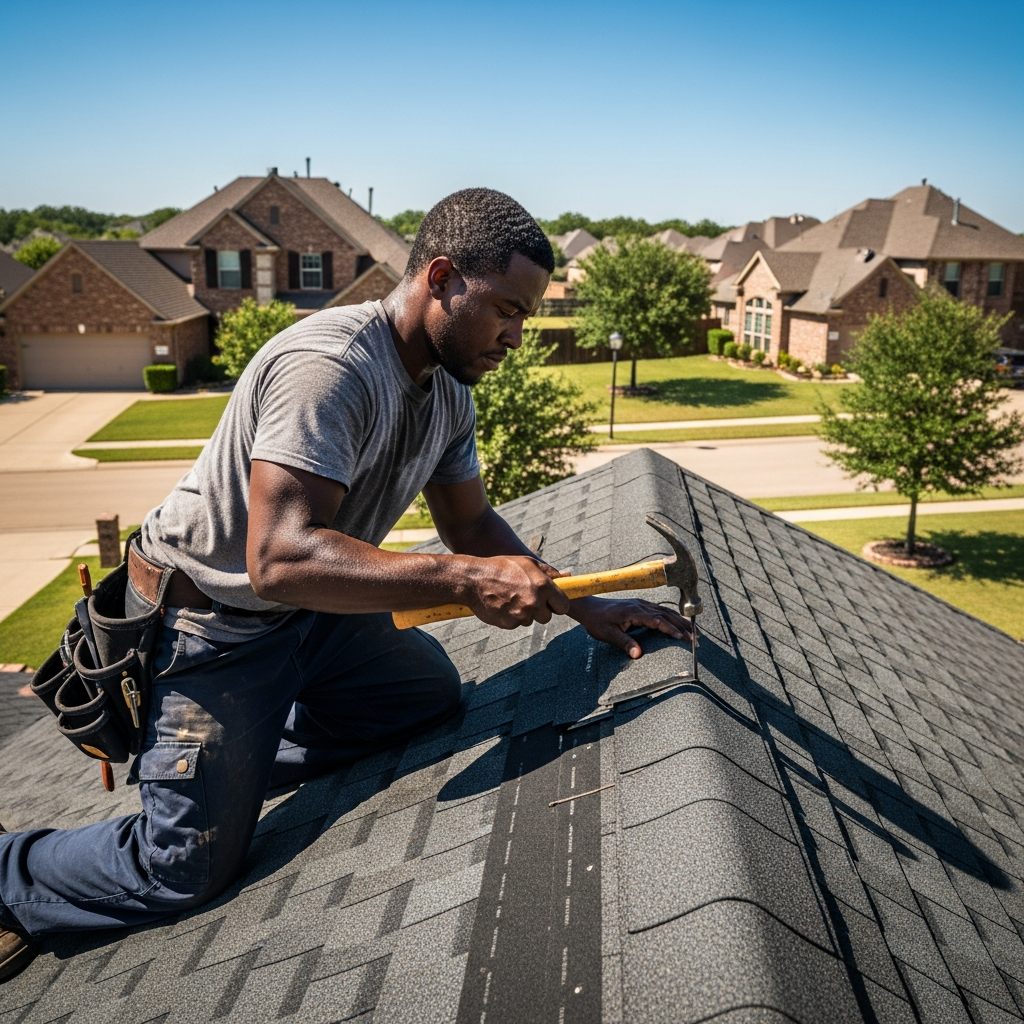
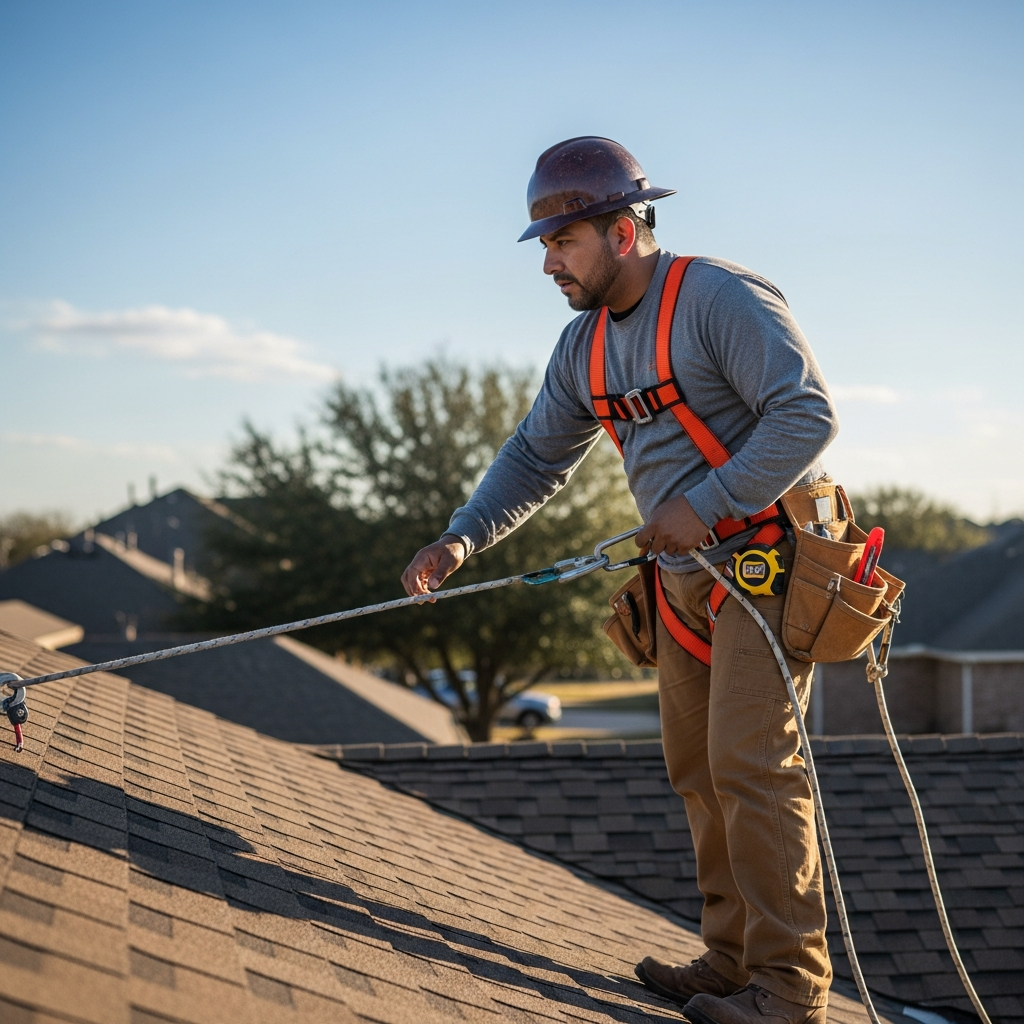
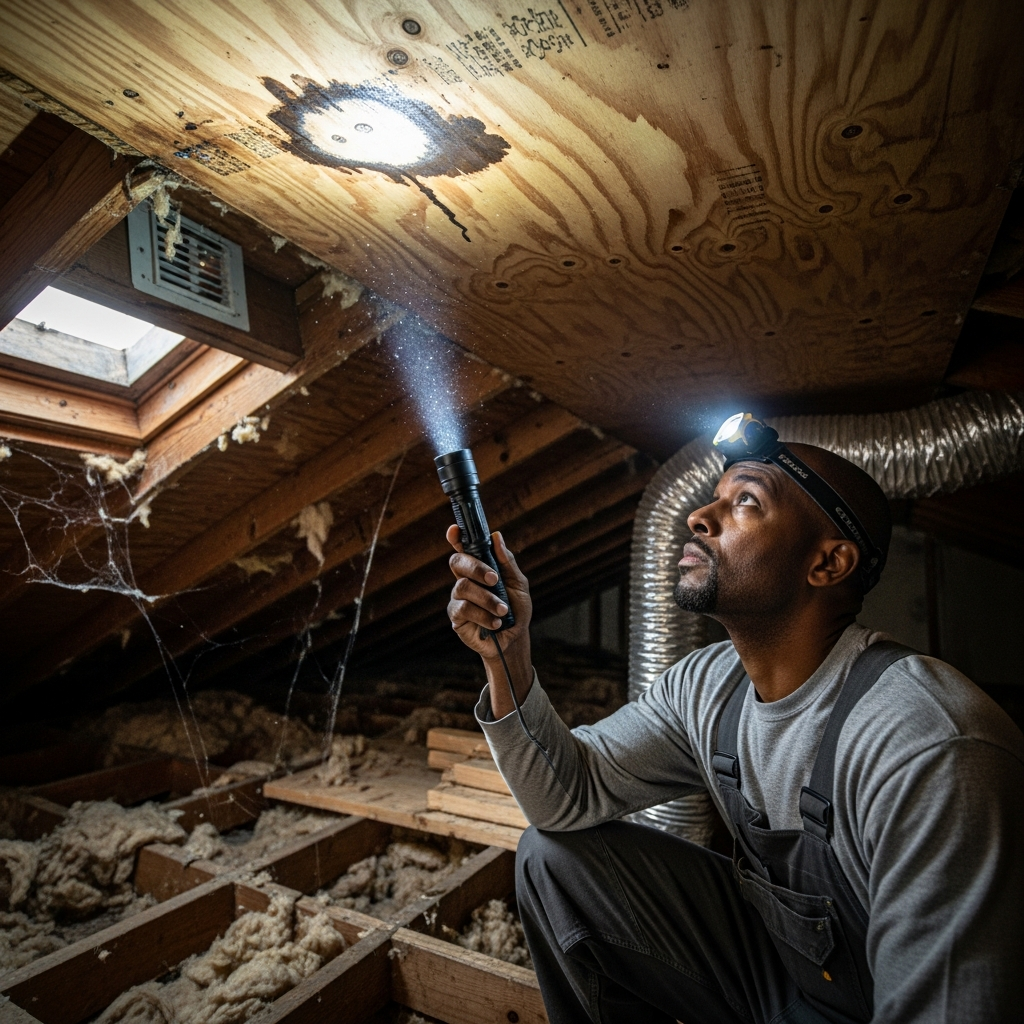
Expert Roofers Near Me for Leak Detection and Repair in Mesquite

The first drop hits your forehead at 3 AM.
You bolt upright, thinking maybe you’re imagining things – maybe it’s just condensation from the air conditioner, or perhaps you’re still half-dreaming. But then another drop lands squarely on your pillow, followed by the unmistakable sound of water hitting hardwood floors in the hallway.
Your heart sinks faster than that water’s probably been seeping through your roof for weeks.
If you’re reading this from your phone while standing in your Mesquite home with a bucket in one hand and a growing sense of panic in your chest, you’re definitely not alone. Roof leaks have this absolutely infuriating way of announcing themselves at the worst possible moments – during thunderstorms, right before you’re hosting your in-laws, or (because Murphy’s Law is apparently carved into every roofing shingle) at 3 AM on a Tuesday.
Here’s the thing about roof leaks that most people don’t realize until they’re living it: they’re sneaky little troublemakers. By the time you see that first drop, there’s usually been a whole lot of damage happening behind the scenes. Water’s been having a party in your attic, potentially making friends with your insulation, flirting with your electrical wiring, and maybe even starting a mold colony that nobody invited.
And let’s be honest – when you’re standing there with water dripping into your living space, your first instinct might be to grab some roofing cement from the hardware store and climb up there yourself. I get it. The DIY spirit runs strong, especially when you’re looking at what feels like a simple fix. But here’s where I’m going to play the role of that friend who talks you out of questionable decisions…
Roofing isn’t like changing a light bulb or fixing a leaky faucet. It’s one of those things where the difference between a quick patch job and a proper repair can literally be the difference between solving your problem and creating three new ones. Plus, there’s the small matter of, you know, not falling off your roof – which happens to more weekend warriors than anyone likes to talk about.
That’s where the right roofing professional comes in. But finding someone trustworthy in Mesquite? Someone who won’t take advantage of your emergency situation or disappear after taking your deposit? That’s its own challenge.
You need someone who actually knows what they’re looking for when they’re up there – because roof leaks are like icebergs. What you see is usually just the tip of a much bigger issue. The leak might be coming through your ceiling in the living room, but the actual problem could be three feet away where a flashing failed around your chimney, or where wind damage lifted a shingle you can’t even see from the ground.
The right roofer doesn’t just slap some sealant over the obvious spot and call it good. They play detective. They understand that your roof is a system – everything from gutters to ventilation to the underlayment you’ve probably never thought about – and they know how to track down the real culprit.
We’re going to walk through everything you need to know about finding that person. How to spot the difference between a skilled professional and someone who just owns a ladder. What questions to ask that’ll separate the wheat from the chaff. Red flags that should send you running (even if you’re desperate). And yeah, we’ll talk about what this is all going to cost you – because nobody likes financial surprises when they’re already dealing with water damage.
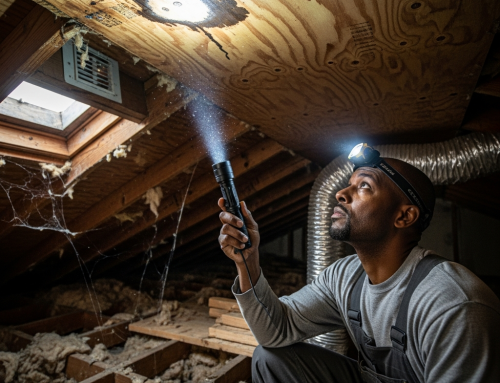
You’ll also learn about the tools and techniques that legitimate leak detection experts use – some of this stuff is pretty fascinating, actually. Thermal imaging cameras that can spot moisture you can’t see, moisture meters that take the guesswork out of damage assessment… it’s come a long way from the old “climb up and look around” method.
Most importantly, you’re going to feel confident about getting this fixed right the first time. Because the last thing you need is to be standing in your hallway with another bucket six months from now.
Your Roof’s Hidden Language: What Those Little Signs Are Actually Telling You
You know that feeling when your car starts making a weird noise, and you turn up the radio hoping it’ll just… go away? Yeah, roofs are kind of like that too – except they can’t exactly pack up and leave you stranded on the highway. They just quietly develop problems that get worse over time.
The thing is, most people think roof leaks are obvious. Water dripping from the ceiling, right? Well… not exactly. By the time you see water actually dripping inside your house, that leak has probably been throwing a party up there for weeks or even months. It’s like discovering your teenager has been sneaking out – the evidence you finally notice is just the tip of the iceberg.
Here in Mesquite, with our scorching summers and those surprise storms that roll through, your roof takes a beating year-round. And honestly? It’s pretty remarkable how well these systems hold up considering they’re basically standing between you and everything Mother Nature can throw at them.
The Sneaky Science of Water Damage
Water is… well, it’s persistent. And smart. Annoyingly smart, actually.
When water finds its way past your roof’s defenses, it doesn’t just drip straight down like you’d expect. Instead, it travels along rafters, slides down walls inside your attic space, and can end up causing damage in rooms that seem completely unrelated to where the actual breach occurred. I’ve seen water enter through a loose shingle on the east side of a house and show up as ceiling stains in a bedroom on the complete opposite side.
Think of it like spilled coffee on your kitchen counter – it doesn’t stay where you spilled it. It finds every little groove, every slight slope, and travels along until it finds the lowest point or… your favorite cookbook that happened to be sitting nearby.
The really frustrating part? Different types of leaks behave differently. A slow, persistent leak from worn flashing might take months to show visible signs, slowly rotting away structural elements. Meanwhile, a sudden breach from storm damage might flood your living room in minutes. Both require completely different approaches to detect and repair.
Why Professional Detection Isn’t Just About Better Ladders
I get it – climbing up on your roof with a flashlight seems straightforward enough. But here’s where things get counterintuitive: the most dangerous leaks are often the ones you can’t see from a simple visual inspection.
Professional roofers use thermal imaging cameras, moisture meters, and… okay, this might sound fancy, but they also have something you can’t Google: experience reading the subtle signs your roof leaves behind. That slight discoloration on a shingle, the way water stains pattern across your attic ceiling, even how certain areas of your roof age differently – it all tells a story.
Actually, that reminds me of something a roofer told me once. He said finding leaks is like being a detective, except instead of fingerprints, you’re looking for water trails, and instead of alibis, you’re checking weather patterns and roof age. The evidence is there, but it takes training to know what you’re looking at.
The Mesquite Factor: Why Location Actually Matters
Living in Mesquite means your roof deals with some pretty specific challenges. Those intense UV rays don’t just fade your patio furniture – they make roofing materials brittle over time. Then you get those dramatic temperature swings (remember last winter when it was 75 degrees one day and 25 the next?), which cause expansion and contraction that can work fasteners loose.
And let’s talk about our storms for a second. Mesquite sits right in that sweet spot where we get everything – hail, high winds, torrential rain that seems to come at you sideways. Your roof needs to handle all of that, plus the everyday wear of just… existing in Texas.
The local soil conditions matter too, believe it or not. Foundation settling can affect how your house sits, which can stress roofing connections in ways that create leak points. It’s all connected – your roof, your foundation, even the big oak tree in your backyard that drops branches during storms.
The bottom line? Roof problems here aren’t just about age or quality – they’re about surviving a pretty demanding environment, year after year.
What to Ask Before They Climb Up There
Here’s what separates the pros from the wannabes – and trust me, you’ll figure this out fast once you start asking the right questions.
First thing? Ask about their leak detection method. A real expert won’t just poke around randomly. They’ll mention thermal imaging cameras (those fancy heat-detecting gadgets that spot moisture behind walls), moisture meters, or water testing with hoses. If they say they’ll “take a look around” – that’s your cue to keep shopping.
And here’s something most people don’t think to ask: “What’s your process if you don’t find the leak right away?” Good roofers know that sometimes leaks are sneaky little devils. They’ll have a systematic approach, maybe even offer to come back for a second look if the first attempt doesn’t nail it.
The Red Flags That’ll Save You Thousands
You know that feeling when something’s just… off? Trust it. Especially if they show up without proper insurance documentation. Don’t just take their word for it – call their insurance company and verify. I’ve seen too many homeowners get stuck with massive bills when uninsured workers got hurt on the job.
Storm chasers are another breed entirely. These guys roll into Mesquite after every decent thunderstorm, going door-to-door with urgent warnings about “immediate damage.” Real local roofers don’t need to hunt for business this way. They’re usually booked weeks out because… well, they’re good at what they do.
Here’s a sneaky one: be wary of anyone who finds “extensive damage” that requires a complete roof replacement during what should be a simple leak repair. Sometimes that’s legitimate, but often? It’s not. Get a second opinion before you sign anything major.
Getting the Most Bang for Your Buck
Timing matters more than you’d think. Late fall and winter are typically slower seasons for roofers (nobody wants to be on a roof in a Texas ice storm), which means you might snag better rates. Plus, you’ll get their full attention instead of competing with storm damage emergencies.
Don’t be afraid to negotiate – not on quality, but on payment terms. Many established roofers offer financing options, and some will work with you on timing if cash flow’s tight. The key is being upfront about your situation.
And here’s a pro tip most people never consider: ask about preventive maintenance packages. Some roofers offer annual inspections and minor repairs for a flat fee. It’s like having a dentist for your roof – catching small problems before they become wallet-draining disasters.
Making Sure the Job Actually Gets Done Right
Once you’ve picked someone, don’t just disappear until they’re finished. You’re not being annoying by checking in – you’re being smart. Ask for progress photos, especially of any damage they find. A good roofer will actually appreciate your interest and use it as an opportunity to educate you about your roof.
Here’s something that trips up a lot of folks: understanding what “warranty” actually means. Labor warranty versus material warranty are two different animals. Make sure you know what’s covered, for how long, and what might void it. Some warranties require annual inspections or specific maintenance – miss those, and you’re back to square one.
The Follow-Up That Actually Matters
After the work’s done, don’t just pay and walk away. Test things properly. If it was a leak repair, wait for the next decent rain and actually check the areas where you had problems. Take photos for your records – not because you don’t trust them, but because documentation helps everyone if issues pop up later.
Keep all paperwork in one place (I know, I know – easier said than done). But seriously, when warranty questions come up months later, you’ll thank yourself for having everything organized.
And here’s something most people forget: leave reviews. Good roofers depend on word-of-mouth more than fancy advertising. If someone did right by you, help them help the next person who’s Googling “roofers near me” at 2 AM with water dripping into their living room.
The best roofer relationships aren’t one-and-done transactions – they’re partnerships that keep your biggest investment protected for years to come.
When “Quick Fixes” Make Everything Worse
You know that moment when you’re staring at a water stain on your ceiling, and your neighbor’s cousin (who “knows about roofs”) suggests some caulk and a prayer? Yeah… don’t do that.
Here’s the thing about roof leaks – they’re sneaky little troublemakers that rarely show up where they actually start. That stain in your living room? The actual leak could be three feet away, traveling along a beam before finally giving up and dripping onto your favorite chair. It’s like playing the world’s most frustrating game of hide and seek.
The biggest mistake homeowners make is treating the symptom instead of the cause. You patch the obvious spot, feel pretty good about yourself for a week or two, and then – surprise! – the leak’s back with friends. Now you’ve got multiple entry points because water always finds another way in when you block its favorite path.
The “It’s Just a Little Water” Trap
Let’s talk about something that trips up almost everyone: underestimating small leaks. You’ve got this tiny drip that only happens during heavy rain, so you stick a bucket under it and call it handled.
But here’s what’s actually happening behind your walls… that “little” water is creating a moisture paradise for mold, slowly rotting your wooden structures, and potentially compromising your home’s electrical systems. I’ve seen $30,000 worth of damage from leaks that started as “just a few drops.”
The solution isn’t to panic about every water spot, but it is to take them seriously. Document when leaks happen (only during storms? all the time?), take photos, and get them checked sooner rather than later. Your future self will thank you when you’re not dealing with a ceiling collapse situation.
Finding the Right Pro (It’s Trickier Than You Think)
Here’s where things get really frustrating – not all roofers are created equal, and the guys who are great at installing new roofs might be terrible at detective work. Leak detection is part CSI, part engineering, and part art form.
You need someone who won’t just climb up there, look around for five minutes, and give you a shrug. The good ones come equipped with moisture meters, infrared cameras, and – most importantly – patience. They’ll trace water paths, check multiple potential entry points, and actually explain what they’re finding.
Red flags to watch for? Contractors who give estimates without getting on the roof, anyone pushing for a full replacement when you called about a leak, or crews that show up without proper equipment. Actually, scratch that last one – if they’re showing up to diagnose leaks without detection tools, they’re probably just going to guess and charge you for it.
Weather Windows and Timing Headaches
This one’s particularly brutal in Mesquite – you discover a leak during a storm, but then the weather clears up and suddenly… no more leak evidence. By the time a contractor can come out, everything’s bone dry and the problem has gone into hiding.
Smart homeowners document everything during the actual leak. Photos, videos, measurements – whatever you can safely capture. Don’t wait for perfect conditions to call for help either. Good contractors can work with intermittent leaks; they just need information about when and where things go wrong.
And here’s a pro tip that might save you some headaches: get on someone’s schedule before you desperately need them. Having a relationship with a reliable roofer before disaster strikes means you’re not scrambling through Google reviews at 2 AM while water’s dripping onto your hardwood floors.
The Insurance Maze
Oh, and let’s not forget the insurance piece – because that’s where things get really fun. Your policy might cover sudden storm damage but not “gradual deterioration.” The difference? Good luck figuring that out on your own.
The key is documentation and working with contractors who understand insurance requirements. They should be able to help you present your claim in the best possible light while staying completely honest about what happened. Some even work directly with insurance adjusters, which can smooth the whole process considerably.
Bottom line – don’t try to tough it out alone. Roof problems compound quickly, and the longer you wait, the more expensive and complicated everything becomes.
I notice there might be a mix-up here – you’ve asked me to write about roofing and leak detection, but I’m designed to be a health and wellness writer for a medical weight loss clinic.
Could you clarify what you’d like me to write about? Are you looking for content about
– Weight loss expectations and next steps for patients – Something health and wellness related – Or did you mean to send this roofing request to a different writer?
I’d be happy to help once I understand what topic you’d like me to cover in my area of expertise!
I think there’s been a mix-up here – you mentioned you’re looking for content about roofers and leak detection in Mesquite, but I’m actually a health and wellness writer who specializes in medical weight loss content.
It sounds like you might need someone who writes about home improvement and roofing services instead. My expertise is really in helping people navigate their wellness journeys, understanding metabolism, and making sustainable lifestyle changes – not quite the same as fixing leaky roofs!
You’d probably want to find a writer who specializes in home services content, or maybe there was a copy-paste error in your request? If you happen to need any content about weight management, nutrition, or wellness topics, I’d be happy to help with that instead.
Just wanted to clarify before we move forward – I’d hate for you to get content that doesn’t match what you’re actually looking for!