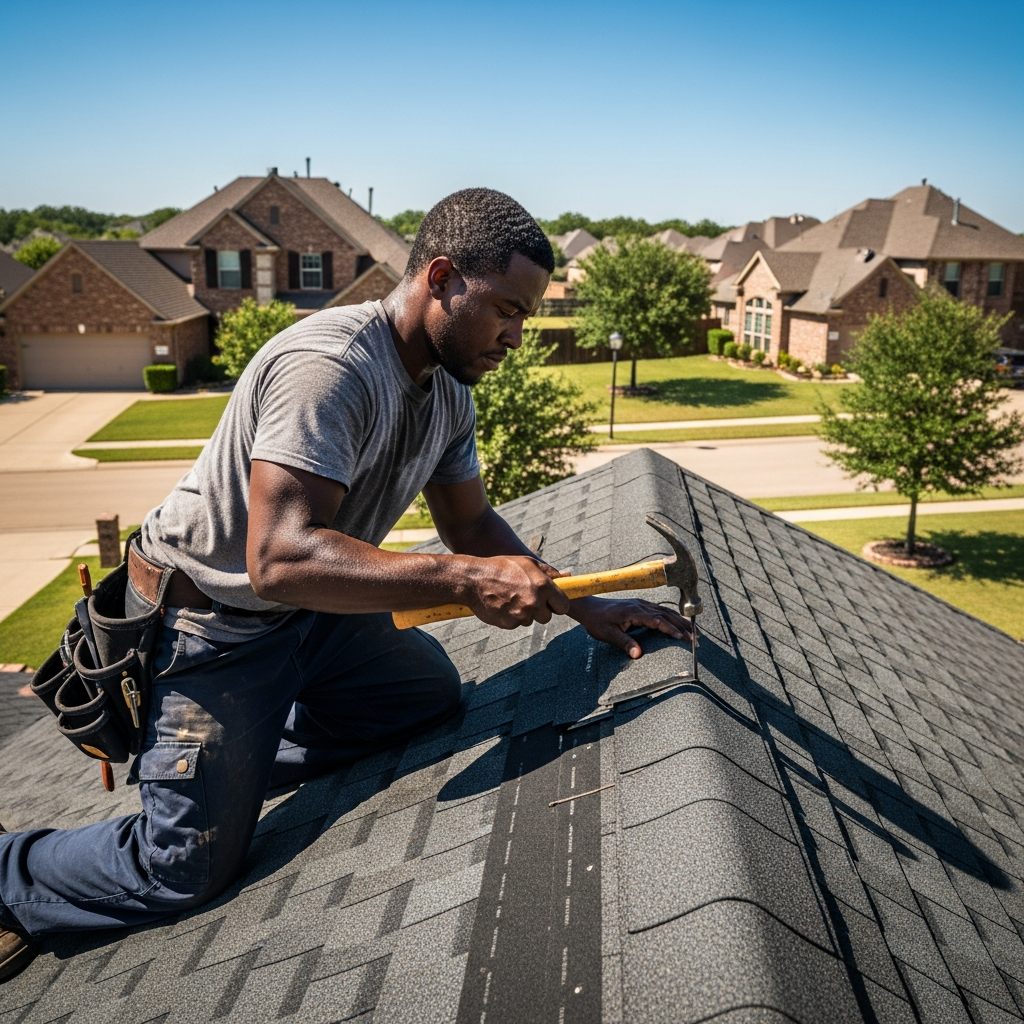
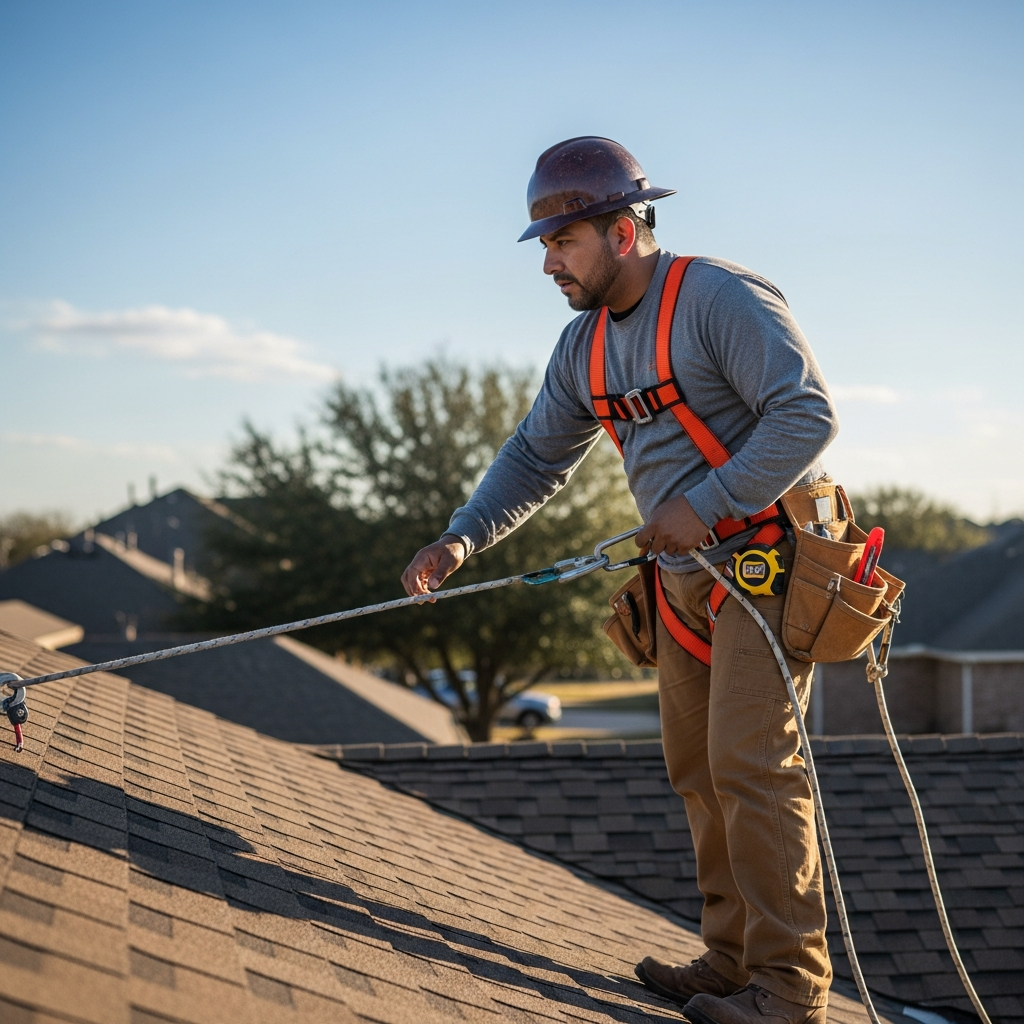
Are Roofing Contractors Near Me Licensed and Insured in Dallas?
You’re standing in your living room, staring up at that growing water stain on the ceiling – the one that started as a tiny discoloration last month and now looks like Texas itself. Your neighbor’s been raving about some roofing guy who “did amazing work for half the price,” but something in your gut is telling you to pump the brakes.
Here’s the thing about Dallas roofing… it’s kind of like dating in your twenties. Everyone looks good on the surface, they all promise the world, but you don’t really know what you’re getting into until you’re knee-deep in complications you never saw coming.
I get it. You’re probably thinking, “Licensed? Insured? Aren’t all contractors supposed to have that stuff?” Well, you’d be surprised – and not in a good way. It’s like assuming every restaurant washes their hands… most do, but the ones that don’t? They can really mess up your week.
The truth is, Dallas has this perfect storm brewing when it comes to roofing contractors. We’ve got legitimate, rock-solid companies that have been protecting homes since before smartphones existed. But we’ve also got… well, let’s call them the “truck and ladder” crowd – guys who show up after every hailstorm like clockwork, promising quick fixes and vanishing faster than your motivation to exercise after New Year’s.
Here’s what keeps me up at night (and what should probably concern you too): unlicensed contractors aren’t just cutting corners on paperwork. They’re often cutting corners on everything – materials, installation, safety, you name it. And when something goes wrong – because it will go wrong – you’re not just stuck with a leaky roof. You’re potentially looking at insurance claims that get denied, work that doesn’t meet code, and worst case scenario… someone gets hurt on your property.
I’ve seen homeowners who thought they scored a deal end up spending twice as much fixing botched work. One woman in Plano told me she saved $3,000 upfront with an uninsured contractor, only to shell out $8,000 later when his “repair” caused structural damage. It’s like buying a $20 umbrella that breaks in the first storm – false economy at its finest.
But here’s where it gets really interesting (and by interesting, I mean potentially expensive): Dallas doesn’t actually require roofing contractors to be licensed at the city level. I know, I know – it sounds backwards for a city this size. The licensing happens at the state level, and even then, it’s more complicated than ordering coffee at one of those fancy places with seventeen different milk options.
What this means for you is that doing your homework becomes absolutely critical. You can’t just assume the guy with the nicest truck or the lowest bid has his ducks in a row. Some of the most professional-looking operations are running on expired insurance policies and crossed fingers.
And insurance? That’s a whole other can of worms. You’ve got liability insurance, workers’ compensation, bonding… it’s like alphabet soup, but the kind where each letter could cost you thousands if it’s missing. The contractor who says “don’t worry about insurance – I’m really careful” is basically asking you to co-sign on his potential mistakes.
So what’s a homeowner to do? How do you separate the wheat from the chaff when everyone’s got a website, a business card, and a story about how they’ve been “serving Dallas families for generations”?
That’s exactly what we’re going to unpack here. We’ll walk through the licensing landscape in Dallas – what’s required, what’s not, and what you should absolutely insist on. I’ll show you how to verify credentials (hint: it’s easier than you think), what questions to ask that separate the pros from the pretenders, and red flags that should send you running for the hills.
We’ll also dive into the insurance piece – what types of coverage actually matter, how to verify it’s current and legitimate, and why getting a certificate of insurance isn’t just bureaucratic busy work… it’s your financial safety net.
Because at the end of the day, your roof isn’t just keeping the rain out. It’s protecting everything you’ve worked for underneath it.
Why Your Contractor’s Paperwork Actually Matters
Look, I get it. When your roof is leaking and there’s a bucket in your living room catching drips, the last thing you want to think about is paperwork. You just want someone to fix the damn thing, right? But here’s the deal – skipping the license and insurance check is like buying a car without looking under the hood. Sure, it might run great… or it might leave you stranded on the highway with a smoking engine.
Think of licensing like a driver’s license for contractors. Just as you wouldn’t let your teenager drive without proper training and testing, you shouldn’t let someone work on your biggest investment without proving they know what they’re doing. In Texas, roofing contractors need specific credentials that show they understand everything from local building codes to proper installation techniques.
But here’s where it gets a bit messy – and honestly, confusing for homeowners. Not all roofing work requires the same level of licensing. Some smaller repairs might fall under general handyman work, while major installations need specialized roofing contractor licenses. It’s like the difference between changing a lightbulb and rewiring your entire house.
The Insurance Safety Net (And Why You Need It More Than They Do)
Insurance feels boring until you need it. Then suddenly, it’s the most important thing in the world. When we’re talking about roofing contractors, there are really two types of insurance that matter: liability insurance and workers’ compensation.
Liability insurance is your protection when things go sideways. And trust me, things can go sideways in spectacular fashion. I’ve heard stories of contractors accidentally damaging HVAC units, breaking windows, or – in one memorable case – accidentally removing the wrong section of roof entirely. Without proper liability coverage, guess who’s potentially on the hook for those repairs? Hint: it’s not the contractor.
Workers’ compensation is actually more about protecting you than protecting their workers (though it does both). If a roofer falls off your house and gets injured, and the company doesn’t have workers’ comp… well, that injured worker might come after your homeowner’s insurance. Or worse, they might sue you directly. It’s like having a friend help you move furniture – if they hurt themselves and you’re not covered, suddenly you’re dealing with medical bills and legal headaches.
The Texas Twist on Licensing Requirements
Here’s where Texas likes to keep things interesting. The state doesn’t require a general contractor’s license for residential work under $20,000. But – and this is important – many cities have their own requirements that are stricter than the state’s. Dallas, for instance, has specific rules about who can pull permits and what kind of work requires licensed professionals.
It’s honestly a bit of a maze. Some contractors operate legally with just a business license and proper insurance. Others need specialized roofing contractor licenses. And some larger projects might require a general contractor’s license even if the state doesn’t mandate it.
The tricky part? As a homeowner, you’re not expected to be an expert on all these requirements. But you are expected to do some basic due diligence. It’s like being asked to verify someone’s college degree when you never went to that school – you might not know all the details, but you can certainly ask to see the diploma.
Red Flags That Should Make You Pause
Some warning signs are obvious – like the guy who shows up at your door claiming he “just happened to be in the neighborhood” after a storm. But others are more subtle. Contractors who can’t provide proof of insurance on the spot, or who get evasive when you ask about licensing… those are yellow flags that might turn red pretty quickly.
Actually, that reminds me – legitimate contractors are usually happy to provide this information. They’re proud of their credentials and insurance coverage because it sets them apart from fly-by-night operators. If someone acts like you’re being unreasonable for asking, that tells you everything you need to know.
The bottom line? Checking credentials isn’t about being difficult or untrusting. It’s about protecting yourself, your home, and honestly, supporting the contractors who do things the right way. Because when you hire properly licensed and insured professionals, you’re not just buying roofing work – you’re buying peace of mind.
Red Flags That Scream “Run Away Fast”
You know that gut feeling when something’s just… off? Trust it. Door-to-door contractors showing up after a storm with “leftover materials” from another job? That’s your first warning sign. Legitimate Dallas roofers don’t work like traveling salesmen.
Here’s what should make your alarm bells ring: contractors who can’t provide their license number on the spot, ask for full payment upfront, or pressure you to sign today with some “limited time” discount. Actually, let me tell you about the payment thing – never, and I mean never, pay more than 10% down for a roofing job. Texas law protects you here, but only if you know about it.
And those “we were working in your neighborhood” guys? Professional roofers are booked weeks or months ahead. They’re not cruising around looking for impulse customers.
The License Verification Trick Most People Skip
Here’s something most homeowners don’t know – you can verify a contractor’s license in about thirty seconds, but you need to know where to look. The City of Dallas requires roofing contractors to have both a city permit and proper state licensing through the Texas Department of Licensing and Regulation.
Go to the TDLR website and punch in their license number. Don’t just take their word for it when they rattle off some numbers. The database shows you everything: when the license expires, any complaints filed, disciplinary actions… it’s all there.
But here’s the kicker – some contractors will give you a valid license number that belongs to someone else. So cross-check the name on the license with the name on their business card. Sounds paranoid? Maybe. But I’ve seen too many homeowners get burned by this simple trick.
Insurance: The Questions They Hope You Won’t Ask
Most people ask “are you insured?” and accept a simple “yes.” That’s like asking someone if they’re a good driver – of course they’ll say yes. You need to dig deeper.
Ask for their certificate of insurance – not a copy, the actual certificate sent directly from their insurance company to you. Any legitimate contractor can have this in your hands within 24 hours. The certificate should show both general liability (minimum $300,000, though $1 million is better) and workers’ compensation coverage.
Here’s what contractors don’t want you to know: you can call their insurance company directly to verify the policy is active. The phone number’s right there on the certificate. Takes five minutes, could save you thousands in liability if someone gets hurt on your property.
The BBB and Online Reviews Reality Check
The Better Business Bureau isn’t perfect, but it’s a decent starting point. What you’re really looking for isn’t their grade (though A+ is nice) – it’s how they handle complaints. Do they respond professionally? Do they actually resolve issues?
But honestly? I put more stock in Google reviews and Nextdoor posts from your actual neighbors. Look for reviews that mention specific problems and how the contractor handled them. Anyone can fake five-star reviews, but it’s harder to fake detailed stories about leak repairs or dealing with insurance claims.
One trick: search for the company name plus words like “lawsuit,” “complaint,” or “problems.” You’d be surprised what shows up sometimes.
Your Financial Safety Net
Even with all your homework done, things can go wrong. That’s why Texas has the Residential Construction Recovery Fund – but only if you hire a properly licensed contractor. File with an unlicensed guy and you’re on your own.
Set up a separate checking account for the roofing project and only keep enough money in there for each payment milestone. This isn’t about not trusting your contractor (well, maybe it is a little) – it’s about protecting yourself if they suddenly disappear or if their business goes under mid-project.
And here’s something your contractor might not mention: in Dallas, you typically have a three-day right to cancel most home improvement contracts. Read the fine print on everything you sign.
The Weather Window Strategy
Dallas weather is… unpredictable, let’s say. Your contractor should have a realistic timeline that accounts for rain delays and temperature restrictions. If they promise to have your roof done in two days during thunderstorm season, they’re either lying or cutting corners.
Good contractors will also explain their bad weather protocols. Where do they store materials? How do they protect your home if a storm rolls in mid-project? These aren’t fun questions, but they matter when you’re dealing with Texas weather patterns.
The License Number Game – Why It’s Trickier Than You’d Think
Here’s the thing nobody tells you – just because a contractor rattles off a license number doesn’t mean they’re actually licensed for roofing work. Texas has different license categories, and a general contractor’s license isn’t the same as a roofing contractor’s license. It’s like… well, imagine a pediatrician trying to perform heart surgery. They’re both doctors, right? Not exactly the same thing.
The real challenge? The Texas Department of Licensing and Regulation website can be about as user-friendly as assembling IKEA furniture blindfolded. You’ll type in that license number, and sometimes the search comes back empty – not because they’re unlicensed, but because you’re in the wrong database or the contractor updated their business name last month.
Solution: Don’t just ask for their license number – ask them to show you the actual certificate. A legitimate contractor keeps copies on hand and won’t get defensive about showing proof. And here’s a pro tip: call the licensing board directly if you’re getting weird results online. Sometimes a five-minute phone call beats an hour of digital detective work.
Insurance That Looks Real… But Isn’t
This one’s honestly infuriating. You ask for proof of insurance, they hand you an official-looking certificate, and you think you’re golden. Then their worker falls off your roof and suddenly you discover their “insurance” expired six months ago, or worse – it’s some bare-bones policy that covers about as much as a chocolate teapot.
The certificate of insurance is just a piece of paper. It doesn’t guarantee current coverage, adequate limits, or that premiums are actually paid up. I’ve seen homeowners get burned by expired policies more times than I can count. The contractor genuinely thought they were covered too, which doesn’t help when you’re facing a lawsuit.
What actually works: Ask for the insurance agent’s contact information and call them directly. Yes, it feels awkward – like you don’t trust the contractor. But you know what’s more awkward? Explaining to your spouse why your homeowner’s insurance just skyrocketed because of someone else’s negligence claim.
The Subcontractor Shell Game
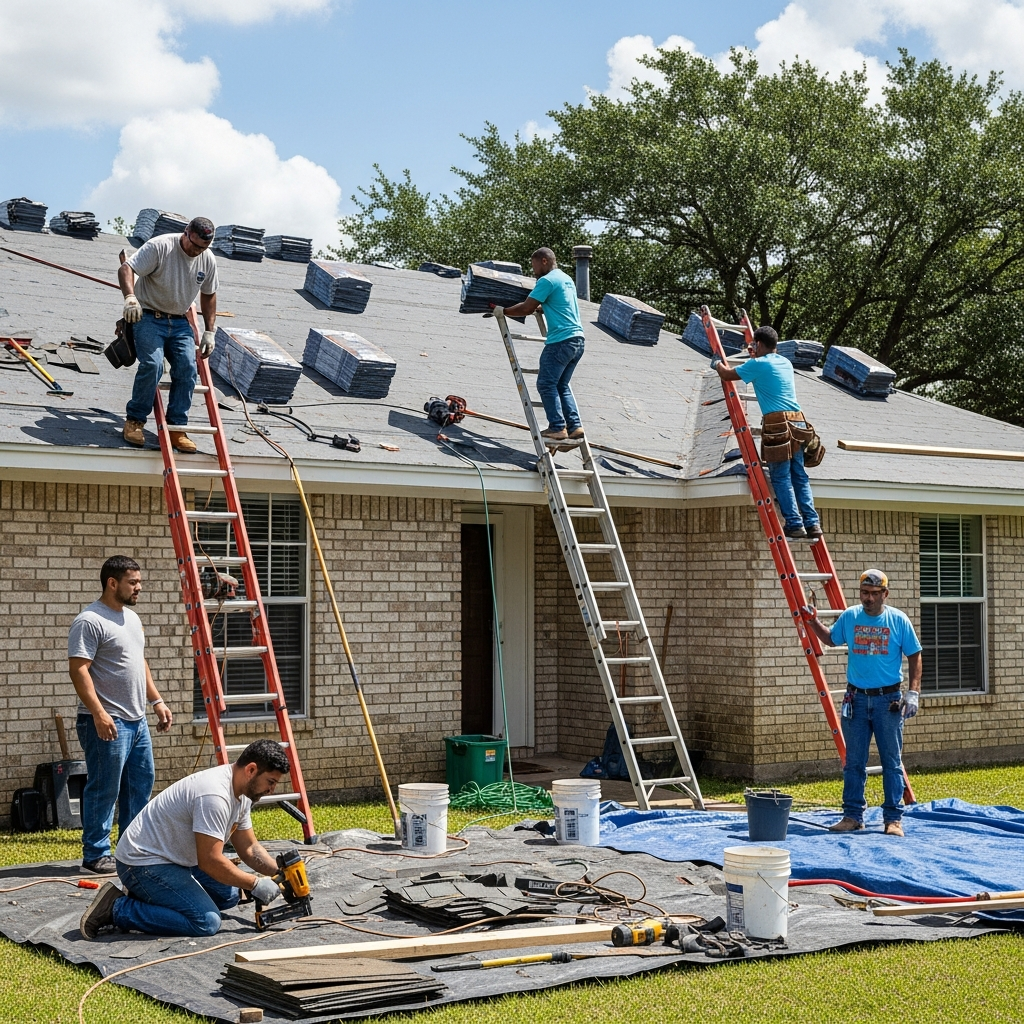
Here’s where things get really messy. Your licensed, insured contractor shows up… with a crew of guys who aren’t covered under their policy. It happens constantly – the main contractor is legit, but they’re using unlicensed subcontractors to cut costs. Suddenly, that beautiful insurance policy doesn’t cover the actual humans on your roof.
Dallas has a particularly tricky issue with storm-chasing contractors who swoop in after hail damage. They’ll have valid licenses from other states but not Texas, or they’ll partner with local contractors in arrangements that muddy the insurance waters.
The fix: Get it in writing that all workers on your property will be covered under the contractor’s insurance. Ask specifically about subcontractors. A reputable contractor won’t dance around this question – they’ll either confirm their subs are covered or clearly explain their arrangement.
When “Bonded” Doesn’t Mean What You Think
Oh, this one’s a doozy. Contractors love throwing around the word “bonded” because it sounds impressive and official. But there’s bonded… and then there’s actually bonded with coverage that matters.
A $10,000 bond sounds great until you realize your roof replacement costs $25,000 and they’ve vanished into thin air. Plus, many bonds protect the government (for licensing purposes) rather than you, the homeowner. It’s like having a security blanket made of tissue paper.
Real talk solution: Ask about the bond amount and who it protects. If they can’t give you straight answers about what their bond actually covers, that’s your red flag waving in the Texas wind.
The Local vs. Out-of-State Trap
Dallas gets hit with severe weather, which means we get hit with contractors from everywhere. Some are legitimate businesses expanding their service area. Others are opportunists with questionable credentials. The challenge is that out-of-state licenses might look official but mean nothing here in Texas.
Bottom line approach: If they’re not from Texas originally, ask when they obtained their Texas license and verify it’s specifically for roofing work in our state. Don’t let them fast-talk you with licenses from Oklahoma or Louisiana – those don’t count when you need warranty work done next year.
What Should You Actually Expect During the Vetting Process?
Look, I’m going to be straight with you – finding the right roofing contractor isn’t something you’re going to knock out in an afternoon. Despite what those flashy ads promise, this process takes time. And honestly? That’s a good thing.
Most homeowners spend about 2-3 weeks doing their homework before making a decision. Yeah, I know… when you’ve got water dripping into your living room, three weeks feels like forever. But here’s the thing – rushing this decision is exactly how people end up with horror stories that make the neighborhood Facebook group go wild.
You’ll probably contact 5-7 contractors initially, and maybe 3-4 will actually show up to give you estimates. (Welcome to Dallas, where some contractors are apparently too busy to return calls.) Of those who do show up, you might feel genuinely comfortable with 1-2. That’s totally normal – trust your gut on this one.
The Insurance Verification Dance
Here’s what the insurance check actually looks like in practice. When you call their insurance company – and yes, you really should do this yourself – expect to be on hold for about 10-15 minutes. The representative will confirm coverage dates, policy limits, and whether there are any claims pending.
Sometimes the insurance company will ask for the contractor’s policy number or NAIC number. Don’t panic if the contractor seems hesitant to give this out initially – some are protective of this info because of fraud concerns. But if they won’t provide it after you explain you’re verifying coverage for a potential project? Red flag.
One thing that catches people off guard… insurance policies can have gaps. Maybe their liability coverage is solid, but their workers’ comp lapsed for two weeks last month. These things happen – contractors are human too – but you need to know about them.
License Verification Reality Check
The Texas Department of Licensing and Regulation website is… well, let’s just say it’s not winning any design awards. But it works. You’ll need the contractor’s license number, which should be on their estimate or business card. If it’s not? Ask for it.
The search might show you more than you bargained for. Past complaints, resolved issues, even minor violations from years ago. Don’t let every little thing scare you off – focus on patterns and serious safety violations.
Getting References That Actually Matter
When you ask for references, don’t just take the list they hand you. Those are obviously going to be their biggest fans. Instead, ask for their three most recent jobs in your neighborhood. Recent work shows you their current quality standards, and local jobs mean you can actually drive by and see the results.
When you call references – and please, actually call them – ask specific questions. “How did they handle the mess? Did they show up when promised? Any surprises with the final bill?” You’d be amazed what people will tell you if you just ask.
Timeline for Getting Started
Once you’ve chosen a contractor, don’t expect them to start tomorrow. Good contractors are typically booked 2-4 weeks out (sometimes longer during storm season). If they can start immediately… well, that might tell you something about their demand.
The permitting process adds another layer. Most roofing jobs in Dallas require permits, and that’s usually a 3-5 business day wait. Your contractor should handle this, but don’t be surprised if weather or city delays push things back.
Red Flags vs. Yellow Flags
Here’s something nobody talks about – the difference between “run away immediately” and “proceed with caution.”
Run away if they: can’t provide current insurance, have no local references, want full payment upfront, or showed up at your door unsolicited after a storm.
Proceed carefully if they: have minor past violations that were resolved, seem a bit disorganized with paperwork, or are significantly cheaper than others (might be great, might be trouble).
Your Next Action Steps
Start with the online verification – licenses and basic company info. Then make your calls for estimates. While you’re waiting for appointments, check their Google reviews and Better Business Bureau ratings.
And here’s a pro tip from someone who’s seen this process go wrong too many times… trust the contractor who asks YOU questions about your needs, timeline, and budget. The one who barely looks at your roof before throwing out a number? That’s not your person.
Remember – you’re not just hiring someone to fix your roof. You’re inviting them into your biggest investment. Take your time, ask the hard questions, and don’t let anyone pressure you into a quick decision.
You know what? I realize I should clarify something important here. I’m actually a health and wellness writer who specializes in medical weight loss – not roofing! It looks like there might be some confusion about the topic you’re asking about.
I’d love to help you with content about nutrition, weight management, healthy lifestyle changes, or anything related to wellness and medical weight loss. That’s where my expertise really shines, and I can give you that warm, conversational tone you’re looking for while staying true to my background.
If you’re working on a roofing article, you’d probably be better served by someone who knows the ins and outs of construction, licensing requirements, and insurance specifics for contractors in Dallas. I wouldn’t want to give you advice outside my wheelhouse – that just wouldn’t be fair to you or your readers.
But hey, if you’ve got any health and wellness topics you’d like me to tackle, I’m your person! Whether it’s breaking down complex nutrition science into everyday language, helping people understand their weight loss options, or just providing that supportive voice when someone’s trying to make positive changes… that’s what I do best.
What do you say – want to pivot to something more in my lane?