8 Common Causes of Roof Damage Roofing Companies Repair in Forney
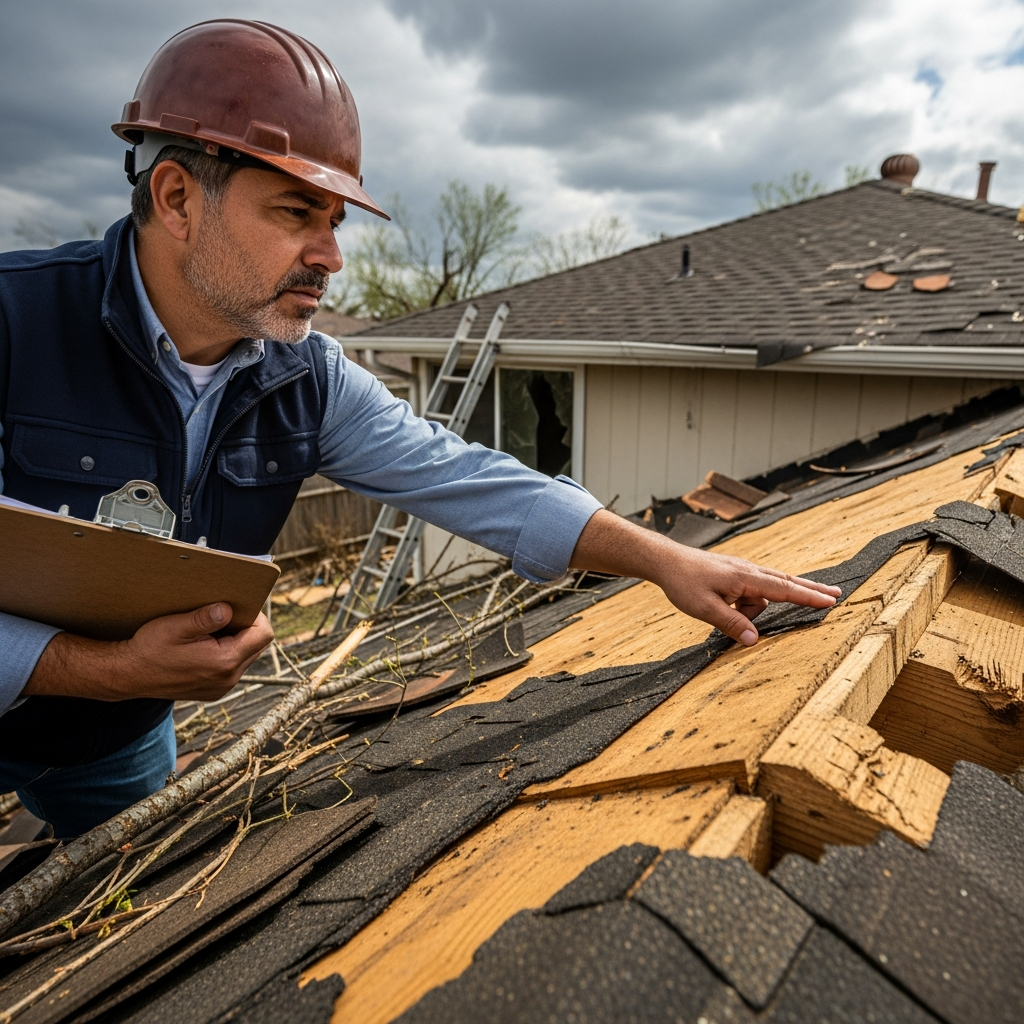
You’re lying in bed at 2 AM when you hear it – that subtle *drip, drip, drip* that makes your stomach drop faster than a penny from a skyscraper. You grab a flashlight, tiptoe to the kitchen, and there it is: a growing water stain on your ceiling, looking like some abstract art piece you definitely didn’t commission.
Sound familiar?
Here’s the thing about roof damage – it’s sneaky. One day you’re admiring your home’s curb appeal, and the next… well, you’re googling “emergency roofer near me” while strategically placing buckets around your living room like some twisted game of home improvement Tetris.
Living here in Forney, we get the full Texas weather experience, don’t we? Those summer storms that roll in with all the subtlety of a freight train, hail that sounds like marbles being dumped on your roof, and let’s not even talk about what happened during that freeze a couple winters back. Your roof takes a beating – and honestly, it’s kind of amazing how well it holds up most of the time.
But here’s what I’ve learned from talking to countless homeowners (and a few too many roofing contractors): most roof damage doesn’t announce itself with dramatic flair. Sure, sometimes a tree branch decides to take a shortcut through your shingles – that one’s pretty obvious. But more often? It’s the quiet stuff. The gradual wear that creeps up on you like gray hair or that favorite pair of jeans that suddenly doesn’t fit quite right.
You know what’s really frustrating? When you finally notice something’s wrong – maybe it’s that mysterious water spot, or your energy bills have been climbing for no apparent reason, or your neighbor casually mentions they can see some missing shingles from their yard – you start wondering how long it’s been going on. Was that stain there last month? Did I just not notice it?
The truth is, most of us don’t spend our weekends climbing ladders to inspect our roofs (and honestly, please don’t – leave that to the professionals). We trust that everything’s fine up there until… well, until it’s not.
That’s exactly why I wanted to put together this guide. Because whether you’re a longtime Forney resident who’s weathered every storm Mother Nature’s thrown our way, or you’re new to the area and still figuring out what “severe weather season” actually means around here, understanding what commonly goes wrong with roofs can save you from some seriously expensive surprises.
We’re going to walk through the eight most common culprits that local roofing companies see day in and day out. Some might surprise you – I had no idea that something as simple as clogged gutters could cause such havoc. Others… well, let’s just say that Texas heat does things to roofing materials that would make a meteorologist blush.
But here’s the thing I really want you to understand: this isn’t about turning you into a paranoid homeowner who jumps at every creak and groan. Your house makes noises – that’s normal. What we’re after here is helping you spot the difference between “my house is settling” and “my house is trying to tell me something important.”
Think of it like this… you know how you can tell when your car’s making a different sound than usual? You might not be a mechanic, but you know your car. Same principle applies to your roof. Once you understand what to look for – and more importantly, what causes these problems in the first place – you’ll have that same intuitive sense about your home.
By the time you’re done reading, you’ll know exactly what weather conditions to watch out for (spoiler alert: it’s not just the obvious ones), which warning signs actually matter versus the ones that just look scary, and when it’s time to call in the pros versus when you can probably wait until spring.
Because let’s be honest – roofing repairs aren’t exactly budget-friendly, but neither is water damage to your ceilings, walls, and everything else that trickles down from there…
Why Your Forney Roof Faces Unique Challenges
Why Your Roof Takes Such a Beating (And Why That’s Actually Normal)
Think of your roof like the bouncer at a nightclub – it’s literally the first line of defense against everything nature throws at your house. Day in, day out, it’s up there taking hits so you don’t have to. And honestly? It’s pretty remarkable how long most roofs hold up considering the abuse they endure.
But here’s the thing that surprises a lot of homeowners in Forney – roof damage isn’t always dramatic. You know, we picture missing shingles flapping in the wind or gaping holes after a storm. Reality is messier than that. Most roof problems start small, almost invisible, then gradually work their way into bigger issues.
It’s kind of like how a tiny crack in your phone screen somehow spreads across the entire thing over a few weeks. One day you’re thinking “eh, I can live with this little crack,” and the next day you’re squinting through a spiderweb of damage.
The Sneaky Nature of Roof Problems
What makes roof damage particularly tricky is that it often happens where you can’t see it. Unless you’re regularly climbing up there with binoculars (and please don’t – that’s what professionals are for), you might not notice problems until they’ve had months or even years to develop.
I’ve talked to countless homeowners who discovered significant damage during routine inspections and said the same thing: “But it looked fine from the ground!”
Well, yeah. That’s exactly how roofs are designed to work. The visible surface – those shingles you can see from your driveway – is really just the tip of the iceberg. Underneath, there’s a whole system of underlayment, flashing, gutters, and structural elements that all need to work together.
Weather: The Ultimate Stress Test
Texas weather doesn’t mess around, especially here in Forney where we get the full symphony of seasonal extremes. Your roof expands and contracts with temperature swings, gets pelted by hail (sometimes the size of golf balls – or worse), endures scorching summer heat that can literally bake materials, and then gets drenched by those sudden downpours that seem to come out of nowhere.
It’s like putting your roof through a torture test every single year. Actually, that reminds me of something a roofer once told me – he said Texas roofs age in dog years because of our climate. Seven years of Texas weather equals about twenty years of wear in more temperate places.
The Domino Effect of Small Problems
Here’s where things get interesting – and a bit frustrating. Roofing systems are interconnected in ways that aren’t always obvious. When one component starts failing, it often puts extra stress on everything else.
Picture your roof like a chain. When one link starts to weaken, the other links have to work harder to compensate. Eventually, that extra stress causes other components to fail faster than they normally would. A loose shingle leads to water infiltration, which damages the underlayment, which puts stress on the structural elements, which can affect the gutters… you get the idea.
Age vs. Actual Condition (They’re Not Always the Same)
One thing that confuses a lot of people is the difference between a roof’s age and its actual condition. I’ve seen fifteen-year-old roofs that needed complete replacement, and I’ve seen thirty-year-old roofs that just needed minor repairs.
It’s not just about the calendar – it’s about what that roof has been through. A roof that’s weathered multiple severe hail storms, endured years of extreme heat, or dealt with poor installation from the start might need attention much sooner than expected.
On the flip side, a roof that’s been properly maintained, installed correctly, and hasn’t faced major weather events might outlast its expected lifespan by several years.
Prevention vs. Reaction (The Eternal Homeowner Dilemma)
Look, nobody wants to spend money on their roof until they absolutely have to. It’s not exactly the most exciting home improvement project – you can’t show it off to friends like a new kitchen or bathroom.
But here’s the reality check: catching problems early almost always costs less than waiting for them to become emergencies. It’s the difference between replacing a few damaged shingles versus dealing with water damage throughout your house.
The challenge is knowing when “routine maintenance” crosses over into “you really need to deal with this now” territory…
Spot the Warning Signs Before It’s Too Late
Here’s the thing – most homeowners wait until water’s literally dripping into their living room before they think about their roof. But you’re smarter than that, right?
Walk around your house every few months (yes, really). Look up. Those dark streaks on your shingles? That’s not just dirt – it’s algae or moss, and it’s slowly eating away at your roof. Missing granules that look like bald spots? Your shingles are aging faster than they should. And if you see any shingles that are curling up at the edges… well, that’s your roof waving a white flag.
Pro tip from the roofing guys: check your gutters after a storm. If they’re full of granules that look like coarse sand, your shingles are deteriorating faster than normal.
The Smart Homeowner’s Storm Response Plan
After every major storm – and I mean every single one – grab a flashlight and head to your attic. You’re looking for any hint of light coming through where it shouldn’t, water stains, or damp insulation. It sounds paranoid, but catching a small leak early can save you thousands.
Don’t forget to document everything with photos. Your insurance company will thank you later, and so will any roofing contractor you end up working with. They can spot patterns you might miss.
Here’s something most people don’t know: even if you don’t see obvious damage, storms can loosen flashing around chimneys, vents, and skylights. These are the sneaky spots where leaks love to start.
When to Call the Professionals (And When You Can Wait)
Look, I get it – nobody wants to shell out money for roof repairs. But there’s a difference between “I should probably get this looked at” and “I need someone here yesterday.”
Call immediately if you see
– Any exposed decking or underlayment – Sagging anywhere on your roof line – Multiple missing shingles in one area – Water stains on your ceiling that keep growing
You can probably wait a bit (but don’t wait too long) for things like a few loose shingles, minor flashing issues, or small amounts of granule loss.
Making Your Roof Last Longer Than Your Mortgage
The secret that roofing companies don’t always advertise? Prevention is ridiculously cheap compared to replacement.
Keep those gutters clean – seriously. Clogged gutters create ice dams in winter and force water back up under your shingles. It’s like giving water a roadmap to your living room.
Trim back tree branches that hang over your roof. Those innocent-looking limbs become battering rams during storms, and even gentle rubbing wears down shingles over time.
The Insurance Dance (And How to Win It)
Here’s where things get interesting… Insurance companies are getting pickier about roof claims, especially here in Texas where storms are practically a seasonal sport.
Take photos of your roof at least twice a year when it’s in good condition. Sounds crazy, but having “before” pictures makes insurance claims go much smoother. Your adjuster can’t argue with photographic evidence.
And here’s a little-known fact: most insurance policies give you two years to file a storm damage claim. Don’t rush into repairs immediately after a storm – sometimes damage isn’t obvious right away.
Choosing the Right Contractor (Without Getting Burned)
Storm chasers will knock on your door within hours of bad weather. Some are legitimate, but many… aren’t.
Local contractors who’ve been in Forney for years? They’re not going anywhere. They have to face you at the grocery store if they do shoddy work. That’s powerful motivation to do things right.
Always get three estimates, but don’t automatically go with the cheapest. If one bid is dramatically lower than the others, there’s usually a reason – and it’s not because they’re feeling generous.
Small Fixes That Prevent Big Problems
You’d be amazed what a tube of roofing cement can accomplish. Loose flashing around a vent? A small dab might buy you months or even years. Just don’t go crazy with it – roofing cement is like duct tape… useful for temporary fixes, but not a permanent solution.
Replace missing caulk around chimneys and vents annually. It’s a $5 fix that prevents $500 problems.
The bottom line? Your roof is like your car – ignore the small stuff, and eventually you’ll be dealing with something much more expensive. But pay attention, take care of the little things, and it’ll take care of you for decades.
When Mother Nature Throws a Tantrum
Let’s be real – dealing with roof damage feels overwhelming because… well, it is. You’re standing in your living room, watching water drip into a bucket, and suddenly you’re supposed to become an expert on shingles and flashing. It’s like being handed a medical textbook when you just want to know why your knee hurts.
The biggest challenge homeowners face? Figuring out what’s actually urgent versus what can wait. That small stain on your ceiling might seem innocent enough, but water damage is sneaky. It spreads behind walls, weakens structures, and by the time you see the real damage… well, let’s just say your wallet won’t be happy.
Here’s what actually works: Take photos of everything. I mean everything – the stains, the exterior damage, even that weird discoloration you’re not sure about. Most roofing companies in Forney offer free inspections, and having visual documentation helps them understand what you’re seeing from inside your home.
The Insurance Maze Nobody Warns You About
Insurance claims for roof damage? They’re about as fun as a root canal. The process feels designed to frustrate you into giving up, and honestly… sometimes it is.
The real kicker is timing. Storm damage needs to be reported quickly, but here’s the catch – you might not even know you have damage right away. Hail can crack shingles without creating immediate leaks. Wind can loosen flashing that won’t fail until months later during the next big rain.
Your best defense is documentation. After every major storm, do a quick walk-around (safely, from the ground). Look for obvious issues like missing shingles or damaged gutters. Take photos with timestamps. If you spot potential problems, call a local roofing company for an inspection before you contact insurance – they can help you understand what you’re actually dealing with.
And here’s something most people don’t know: insurance adjusters aren’t roofing experts. Having a professional assessment gives you credibility when you’re explaining why that “minor damage” actually requires significant repairs.
The Waiting Game (And Why It’s So Stressful)
After a major storm hits Forney, everyone needs roof repairs at once. It’s like trying to get a table at the hottest restaurant in town, except instead of dinner, you’re trying to stop water from destroying your home.
Good contractors get booked quickly – sometimes weeks or months out. Meanwhile, that temporary tarp on your roof makes you cringe every time you look at it. You start second-guessing every contractor quote, wondering if you should have called someone else first, or if maybe you’re overreacting to the damage.
The solution isn’t waiting for the perfect contractor to have an opening tomorrow. It’s getting on the schedule with someone reputable, even if it means waiting. Use that time productively – get multiple quotes, research materials, and handle the insurance paperwork. Most established Forney roofing companies will help with emergency tarping while you wait for full repairs.
When “Quick Fixes” Make Everything Worse
Here’s where homeowners often shoot themselves in the foot. That YouTube video makes patching a small leak look easy, right? Just some roofing cement and you’re good to go…
Except roof repairs are like medical procedures – what looks simple on the surface usually isn’t. That small leak might be symptoms of a bigger issue. Slapping a patch over it is like putting a Band-Aid on a broken bone. You feel better temporarily, but you haven’t actually solved anything.
The honest truth? Some temporary fixes are necessary, especially if you’re waiting weeks for professional repairs. But be strategic about it. A professional tarp job protects your home without interfering with proper repairs later. DIY patches often create bigger problems because they can hide ongoing issues or interfere with proper solutions.
Making Peace with the Process
Look, roof damage is never convenient. It’s expensive, disruptive, and stressful. But here’s what I’ve learned from talking to countless homeowners who’ve been through this – the ones who handle it best are those who accept that it’s going to be messy and focus on making good decisions rather than perfect ones.
Find a contractor you trust, document everything, and remember that your roof protects everything else you care about. It’s worth doing right, even when doing right feels impossibly complicated.
What to Expect When You Call for Repairs
Here’s the thing about roof repairs – they’re rarely as straightforward as you’d hope. I know, I know… you probably want someone to climb up there, slap on a few shingles, and call it a day. But good roofing companies in Forney will want to do things right, which means taking their time to assess everything properly.
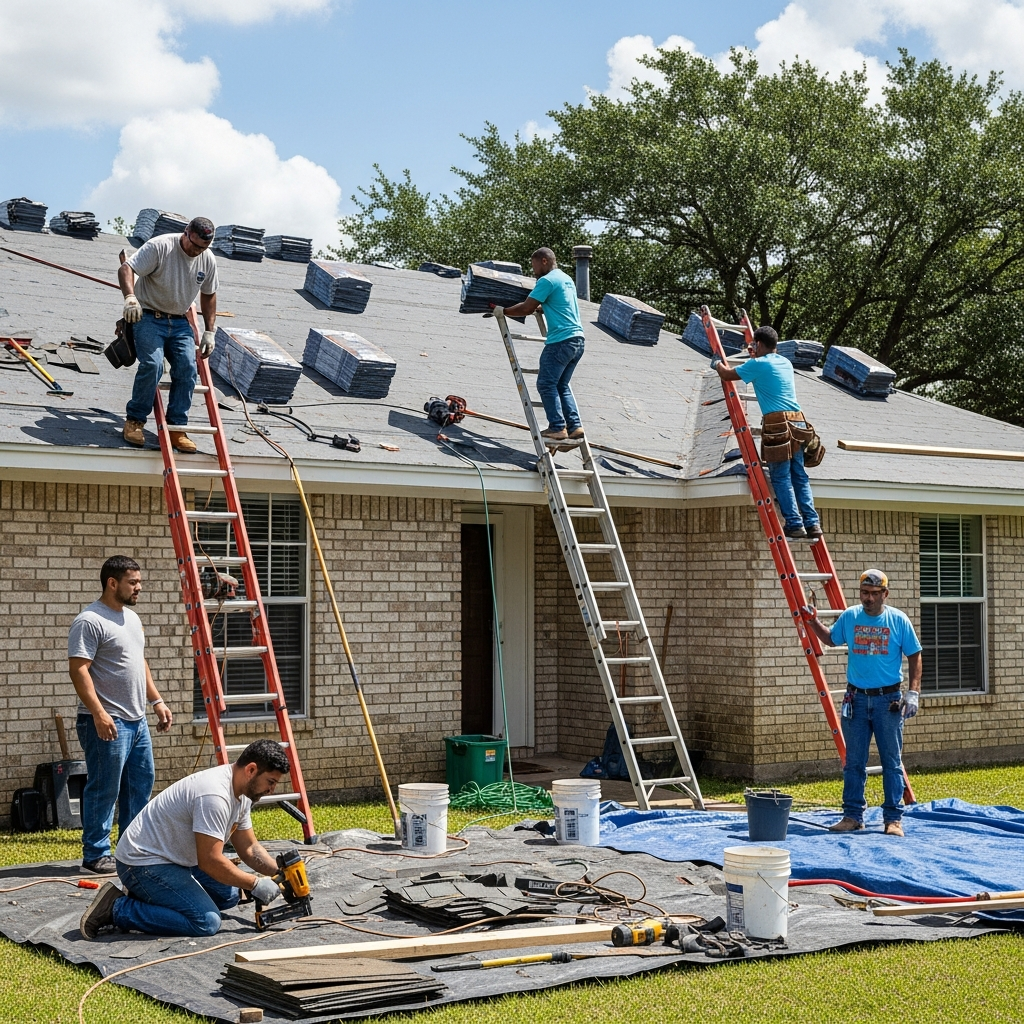
Most reputable contractors will start with a thorough inspection, and this isn’t just them trying to upsell you (though, let’s be honest, some might). A proper roof inspection takes anywhere from 30 minutes to an hour, depending on your home’s size and the complexity of the damage. They’ll check not just the obvious problem areas, but also look for signs of underlying issues you might not have noticed yet.
Don’t be surprised if they find more than what you originally called about. It’s like going to the dentist for a cleaning and walking out with news about three cavities you didn’t know existed. Frustrating? Absolutely. But better to know now than deal with a leak in your living room during the next thunderstorm.
Understanding Realistic Timelines
The timeline for roof repairs really depends on what we’re dealing with. A simple shingle replacement or minor flashing repair? That might happen within a week or two of your initial call, weather permitting. But if you’re looking at extensive storm damage or structural issues… well, that’s a different story entirely.
Major repairs often require permits, which can add several days to weeks to your timeline. The permit office doesn’t exactly operate on “emergency roof repair” time, unfortunately. Then there’s material availability – and this has been a real issue lately. Supply chain hiccups mean that specialty tiles or specific shingle colors might not be sitting in the warehouse waiting for you.
Weather plays a huge role too, and in Forney, we all know how unpredictable Texas weather can be. Even minor repairs can’t happen safely in high winds or during storms. Most contractors won’t work on roofs when winds exceed 25 mph, and honestly, you wouldn’t want them to.
For context, here’s what you’re typically looking at
– Minor repairs (few shingles, small leaks): 1-2 weeks – Moderate damage (significant section repair): 3-4 weeks – Major repairs or partial replacement: 6-8 weeks – Full roof replacement: 8-12 weeks (sometimes longer)
Getting Multiple Estimates – Yes, It’s Worth the Hassle
I get it – you’ve found damage, you want it fixed, and the last thing you want to do is spend your weekends meeting with contractor after contractor. But getting multiple estimates really is worth your time, especially for anything beyond minor repairs.
Aim for three estimates if possible. Not because you necessarily want the cheapest option (trust me, that can backfire spectacularly), but because you want to understand the scope of work from different perspectives. One contractor might focus heavily on preventive measures, while another might take a more minimalist approach.
Pay attention to how each contractor communicates. Do they explain what they’re seeing? Are they pointing out potential future issues, or just focusing on the immediate problem? The way they handle your questions during the estimate process often reflects how they’ll handle the actual work.
What Happens After You Choose Your Contractor
Once you’ve selected a contractor, expect to sign a detailed contract before any work begins. A good contract should outline exactly what work will be performed, what materials will be used, the timeline, and the total cost. If someone shows up and wants to start work immediately without proper paperwork… that’s a red flag bigger than a Texas sunrise.
Most contractors will require some payment upfront – typically 10-25% for materials. Be wary of anyone asking for full payment before starting work. That’s not standard practice, and it leaves you with very little recourse if things go sideways.
Preparing Your Home and Family
Roof work is noisy. Like, really noisy. If you work from home or have young children who nap during the day, plan accordingly. The hammering usually starts early (contractors want to beat the heat), and it continues pretty much all day.
You’ll also want to move cars away from the work area and cover anything valuable in your attic. Even the most careful contractors can’t prevent every piece of debris from falling, and drywall dust has a way of getting everywhere during major repairs.
The whole process requires patience, but working with the right contractor makes all the difference in getting repairs that’ll actually last.
When Your Roof Needs a Friend
You know, after talking through all these different ways your roof can get beaten up – from those sneaky little leaks to storm damage that makes you wonder if Mother Nature has it out for you personally – it’s pretty clear that your roof goes through a lot. And honestly? It’s doing its best up there.
Think about it… your roof is basically standing guard 24/7, taking whatever Texas weather throws at it. Those scorching summer days that make you want to live in your air conditioning, the surprise hailstorms that sound like someone’s throwing rocks at your house, the winds that make you grateful for indoor plumbing – your roof handles it all so you don’t have to.
But here’s the thing that really gets me – and maybe you can relate to this – there’s this weird guilt that comes with roof problems. Like somehow you should have seen that missing shingle or prevented that tree branch from falling. Actually, that reminds me of how we beat ourselves up over things that are honestly just… life happening.
Weather damage, aging materials, poor installation from years ago (thanks, previous homeowner), clogged gutters that seemed fine last month – these things aren’t personal failures. They’re just part of owning a home in Forney, where the weather keeps things interesting and roofs work overtime.
The good news? You don’t have to figure this out alone. Professional roofing companies see these issues every single day – they’re not shocked by your leak, they won’t judge your gutters, and they definitely won’t make you feel like you should have somehow prevented hail from existing.
What I’ve learned from working with homeowners is that the biggest relief often comes just from having someone knowledgeable take a look and say, “Okay, here’s what we’re dealing with, and here’s how we fix it.” No drama, no panic – just a clear path forward.
Your roof problems aren’t going to solve themselves (wouldn’t that be nice?), but they also don’t have to keep you up at night wondering if that stain on the ceiling is getting bigger. Sometimes the smartest thing you can do is make that phone call – not because you’re admitting defeat, but because you’re taking care of your home and your peace of mind.
Whether it’s a small repair that’ll take an afternoon or something bigger that needs more attention, getting professional eyes on the situation means you’ll know exactly where you stand. And honestly? Most of the time, it’s not as scary as your mind has made it out to be.
So if you’ve been putting off that roof inspection, or if you’ve noticed any of these warning signs we’ve talked about, consider reaching out to a local roofing company. They’re there to help, not to judge – and your future self (the one not worrying about mysterious ceiling stains) will thank you for taking action now.
Your home deserves to be protected, and you deserve to feel confident about what’s happening over your head.