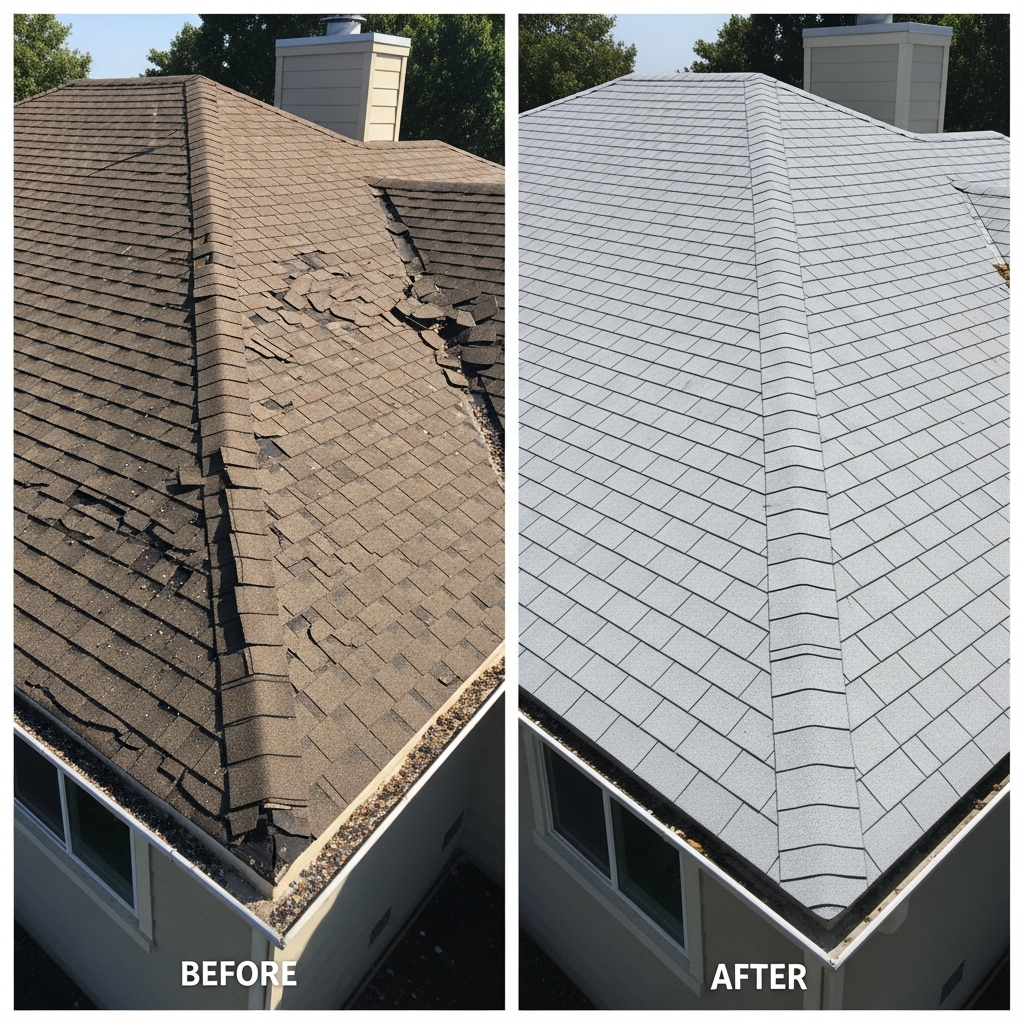
Roof Replacement Solutions Backed by Quality Materials in Dallas
You’re lying in bed at 2 AM, and there it is again – that subtle *drip, drip, drip* echoing from somewhere in your house. Your stomach drops because you know exactly what that sound means. It’s the same feeling you get when your check engine light comes on or when you hear that weird noise your washing machine’s been making for weeks.
The thing is, you’ve been telling yourself for months that those few missing shingles “aren’t that big a deal” and that the small water stain on your bedroom ceiling will “probably be fine until next year.” Sound familiar? We’ve all been there – caught between hoping a problem will magically fix itself and dreading the conversation with contractors about how much it’s actually going to cost.
But here’s what nobody tells you about roofs in Dallas: they don’t just protect your stuff. They protect your entire financial future.
The Real Cost of Waiting
That innocent-looking leak isn’t just about a bucket in your living room. It’s about mold creeping through your walls, about insulation getting waterlogged and useless, about your energy bills skyrocketing because your HVAC system is working overtime to compensate for all that compromised efficiency. And if you’re thinking about selling anytime soon? Well… let’s just say buyers notice water damage faster than they notice your beautiful kitchen renovation.
I’ve talked to homeowners who thought they could stretch their roof another two years, only to discover that waiting actually tripled their repair costs. The foundation issues, the electrical problems, the complete attic renovation they suddenly needed – it adds up fast.
Why Dallas Makes This Personal
Living in Dallas means your roof isn’t just fighting gravity and time – it’s going twelve rounds with Mother Nature on a regular basis. Those gorgeous spring thunderstorms that make everything green and beautiful? Your roof takes every punch. The summer heat that makes your car steering wheel untouchable? That’s beating down on your shingles 100+ days a year.
And don’t get me started on hail season. You know that moment when the weather alert goes off and you’re mentally calculating whether your car insurance deductible is lower than your roof replacement cost? (Spoiler alert: it usually isn’t.)
The truth is, Dallas weather is basically designed to test every construction material known to humanity. Which means the difference between quality roofing materials and “good enough” materials isn’t just about aesthetics – it’s about whether you’re replacing your roof every decade or every three decades.
What Actually Matters When Everything’s On the Line
You’re probably wondering what makes one roofing solution better than another, right? I mean, a shingle is a shingle… except it’s absolutely not. The materials that hold up to Dallas weather have specific characteristics – UV resistance, impact ratings, thermal cycling capabilities. Sounds technical, but it’s really just about whether your roof can handle another Texas summer without turning into expensive confetti.
But here’s the thing that surprised me most when researching this: the installation matters almost as much as the materials themselves. You can have the most advanced, weather-resistant shingles money can buy, but if they’re not installed correctly for Texas conditions… well, you’re basically buying yourself a very expensive problem.
Here’s What We’re Going to Cover
Throughout this article, we’ll walk through exactly what separates high-quality roofing solutions from the alternatives that look good in a brochure but fall apart when Dallas weather gets serious. You’ll learn which materials actually live up to their warranties (and which ones have more fine print than a pharmaceutical commercial), what installation techniques make the difference between a 15-year roof and a 30-year roof, and how to spot the red flags that separate legitimate contractors from the guys who show up after every hailstorm with clipboards and big promises.
Most importantly, we’ll talk about how to make these decisions without second-guessing yourself into paralysis or breaking your budget on unnecessary upgrades. Because at the end of the day, you just want to sleep soundly knowing that the next time it storms, the only thing you’ll hear is rain on the roof – not rain *in* the house.
What Makes Dallas Roofs Different (Spoiler: It’s Complicated)
You know how your car needs different tires for Minnesota winters versus Arizona summers? Well, Dallas roofs face their own unique personality test from Mother Nature – and honestly, she can be pretty moody here.
The thing about Dallas weather is… it’s like that friend who can’t decide what to wear. One day it’s blazing hot enough to fry an egg on your sidewalk, the next week you’re dealing with hail the size of golf balls. Then there’s the humidity that makes everything feel sticky, followed by those dramatic temperature swings that’ll have you questioning if you even live on the same planet.
This constant weather drama doesn’t just affect your outfit choices – it puts serious stress on roofing materials. Traditional asphalt shingles, for instance, expand and contract like they’re doing yoga all year long. Over time, this creates micro-cracks that let moisture sneak in… and once water finds a way into your home, well, that’s when things get expensive fast.
The Material Game-Changer You Probably Haven’t Heard Of
Here’s where it gets interesting – and maybe a little counterintuitive. You’d think the fanciest, most expensive materials would automatically be the best choice for Dallas, right? Actually, that’s not always true.
Take slate tiles, for example. They’re gorgeous, last forever in cooler climates, but in Dallas heat? They can crack under thermal stress faster than you’d expect. It’s like wearing a wool sweater in July – technically high-quality, just not right for the situation.
The real winners in Dallas tend to be materials that can roll with the punches. Impact-resistant shingles – these are basically the martial arts masters of the roofing world. They’re designed to absorb energy from hail impacts without cracking, which is crucial when you’re dealing with Texas-sized hail storms.
Metal roofing has also become incredibly popular here, and for good reason. Modern metal roofs aren’t your grandfather’s rusty barn roof – they’re engineered with reflective coatings that actually bounce heat away from your home. Think of them as wearing a white t-shirt instead of a black one on a hot day.
Why Quality Materials Actually Save You Money (Eventually)
I get it – sticker shock is real when you’re looking at premium roofing materials. It’s tempting to go with the cheapest option and hope for the best. But here’s the thing about Dallas: cheap materials don’t just fail faster here, they fail *dramatically*.
I’ve seen homeowners replace budget shingles three times in fifteen years, when they could’ve installed quality materials once and been done with it. It’s like buying cheap shoes that fall apart every six months versus investing in a good pair that lasts for years.
The math gets even more compelling when you factor in energy costs. Dallas summers are… well, let’s just say your air conditioning bill knows exactly what season it is. Quality roofing materials with proper insulation and reflective properties can seriously impact those monthly utility bills. We’re talking about potential savings of 20-30% on cooling costs during peak summer months.
The Insurance Factor Nobody Talks About
Here’s something that might surprise you – your insurance company cares *a lot* about what’s on top of your house. And in a state where weather-related claims are pretty common, they’re getting pickier about what they’ll cover.
Many insurance companies now offer discounts for impact-resistant materials or Class 4 shingles. Some even require them in certain high-risk areas. It’s like getting a safe driver discount, but for your roof.
Actually, that reminds me – the building codes in Dallas have gotten stricter over the years, especially after some of those memorable hail storms. What was acceptable ten years ago might not meet current standards, which is another reason why understanding material specifications matters more than ever.
The bottom line? Your roof isn’t just protection from the weather – it’s an investment in your home’s value, your family’s comfort, and your long-term financial well-being. Getting the materials right from the start saves you headaches (and money) down the road.
Finding the Right Materials for Dallas Weather
Look, Dallas weather isn’t messing around. We’re talking scorching summers that’ll fry an egg on your sidewalk, hailstorms that sound like machine gun fire, and those sneaky winter freezes that catch everyone off guard. Your roof materials need to handle all of this without breaking a sweat.
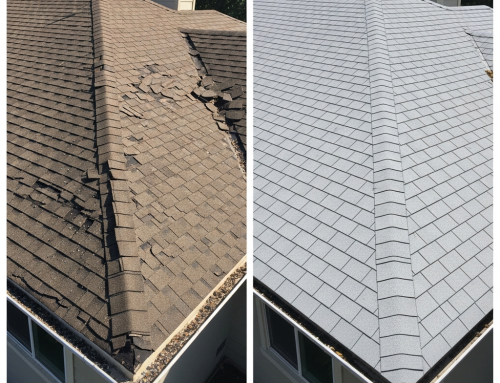
Asphalt shingles are popular here – and for good reason. They’re budget-friendly and… well, they work. But here’s the insider tip: go for architectural shingles over basic three-tab ones. They’re thicker, last longer, and honestly? They make your house look like you invested in quality rather than just checked a box.
Metal roofing is having a moment in Dallas, and I get it. It reflects heat like nobody’s business (your AC bill will thank you), and when hail hits, it just bounces off. Sure, the upfront cost makes you wince a little, but we’re talking 40-50 years of protection. That’s… a lot of summer storms weathered.
Timing Your Replacement Like a Pro
Here’s something most contractors won’t tell you upfront – timing your roof replacement can save you serious money. Fall and winter are the sweet spots in Dallas. Everyone’s thinking about their roof in spring after storm season damages start showing, which means higher demand and higher prices.
But here’s the catch: don’t wait too long if you’ve got obvious problems. That small leak you’re “keeping an eye on”? It’s not getting better. Water damage spreads like gossip in a small town, and what starts as a $15,000 roof job can quickly become a $25,000 nightmare when you factor in structural repairs.
Actually, that reminds me – get up there (safely!) and look for these red flags: shingles that are curling at the edges, granules collecting in your gutters like sand, or dark streaks running down from your roof line. These aren’t just cosmetic issues – they’re your roof waving a white flag.
The Permit Game Nobody Talks About
Dallas requires permits for roof replacements, period. I know, I know – more paperwork, more waiting, more bureaucracy. But here’s why you shouldn’t try to skip this step: insurance companies are getting pickier about paying claims on work done without proper permits.
Your contractor should handle this for you (and if they suggest skipping it, run). The process takes about 2-3 weeks typically, so build that into your timeline. Use this waiting period to your advantage – research your contractor more, get that second or third estimate, maybe save up a little more cash.
Material Delivery and Storage Secrets
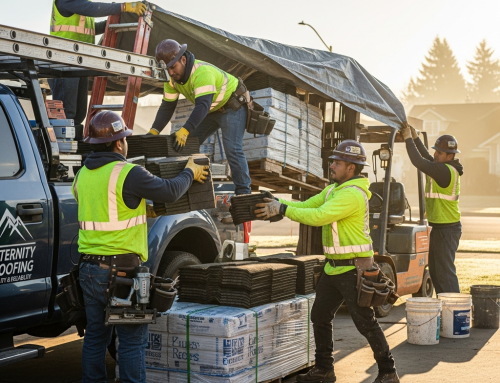
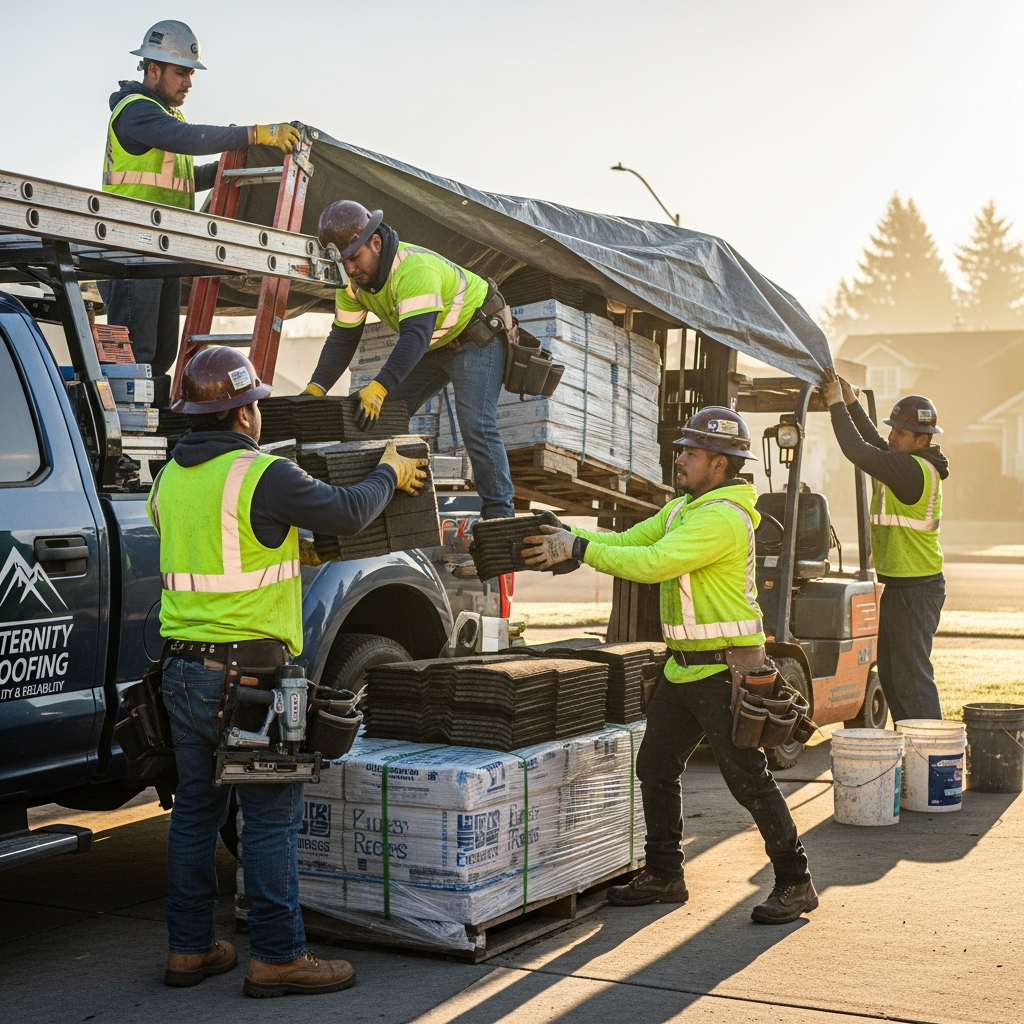
Something nobody warns you about – where are all these materials going when they arrive? A typical Dallas home needs 30-40 squares of shingles, plus underlayment, flashing, nails… it’s a lot of stuff.
Most contractors will have materials delivered 1-2 days before work starts. Make sure they’re storing everything properly – shingles should be on pallets, covered, and distributed around your property (not all stacked in one spot that’ll kill your grass or crack your driveway). Good contractors know this. Questionable ones… well, you’ll find out when your sprinkler system gets crushed.
Quality Control During Installation
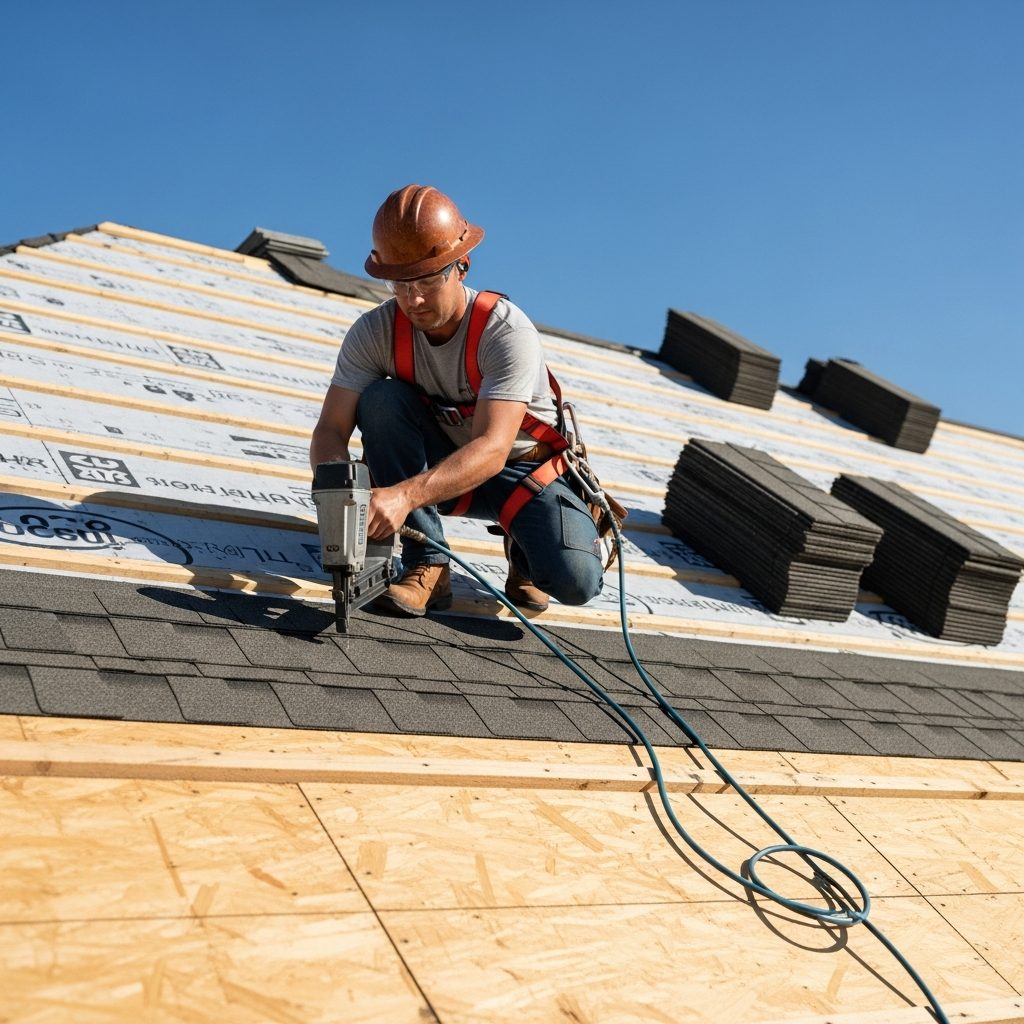
You don’t need to hover over the crew like a helicopter parent, but you should absolutely check in on progress daily. Here’s what to look for: proper starter strips at the edges (prevents wind uplift), consistent nail placement (not too high, not too low), and flashing that looks professionally installed around chimneys, vents, and valleys.
The nail gun should sound consistent – not rapid-fire like they’re in a race. Proper installation takes time. If your roof is getting replaced in record time, that’s usually not a good sign.
Weather Contingency Planning
Dallas weather changes faster than a toddler’s mood, so your contractor needs a solid weather plan. Reputable companies monitor forecasts closely and won’t start work if there’s rain in the forecast within 24 hours.
They should also have tarps ready to protect your home if unexpected weather rolls in mid-project. Don’t be shy about asking what their weather protocols are – it shows you’re paying attention and care about quality work.
When Mother Nature Throws Her Worst at You
Dallas weather doesn’t mess around, and honestly? It’s probably the biggest challenge you’ll face during a roof replacement. We’re talking about a city where it can be 95 degrees with tornado warnings one day and hailing golf balls the next. I’ve seen projects get delayed for weeks because of surprise storms that weather apps somehow missed.
The solution isn’t to wait for perfect weather – you’d be waiting until 2030. Instead, work with contractors who actually understand Dallas seasonality. Spring through early fall? Expect delays. Your contractor should build buffer time into the schedule and have contingency plans. The best ones will even store your materials in weatherproof locations because… well, because Texas gonna Texas.
The Sticker Shock That Makes You Question Everything
Let’s be real about something everyone thinks but nobody talks about – quality roofing materials cost serious money. When you see that estimate and your first thought is “I could buy a decent used car for this amount,” you’re not alone. The temptation to go with the cheapest option is overwhelming, especially when three different contractors give you quotes that vary by thousands of dollars.
Here’s what actually works: get itemized estimates that break down material costs versus labor. This way, you can see exactly where your money’s going. Sometimes that “expensive” contractor is actually using materials that’ll last twice as long. Other times? They’re just overpricing. You won’t know unless you dig into the details.
Also – and this might sound counterintuitive – consider financing options. Many quality material suppliers offer programs that let you spread costs over time. Yeah, you’ll pay interest, but if it means the difference between getting a roof that lasts 30 years versus one that starts failing in 10… the math actually works out in your favor.
The Permit Maze That Makes You Want to Scream
Dallas permitting can feel like trying to solve a Rubik’s cube blindfolded. Different neighborhoods have different requirements, HOAs add their own layer of complexity, and don’t even get me started on historic districts. I’ve watched homeowners get weeks into a project only to discover they needed additional permits for structural changes they didn’t even know they were making.
The honest solution? Find contractors who handle permits as part of their service – but verify they actually know what they’re doing. Ask for references from recent Dallas projects and check that their permits were approved without hiccups. A contractor who says “permits are easy, don’t worry about it” is waving a red flag the size of Texas.
Finding Contractors Who Actually Show Up
This one hits different in Dallas because the construction boom means good contractors are booked solid, and sketchy ones are everywhere trying to cash in. You’ll encounter contractors who give great estimates then disappear, ones who start your job then vanish to chase higher-paying projects, and sadly, some who take deposits and run.
Here’s what actually protects you: never pay large amounts upfront. Legitimate contractors don’t need 50% down to buy materials – they have supplier accounts and established credit. Also, check their license status in real-time, not just when you first meet them. I know it sounds paranoid, but I’ve seen licenses expire mid-project.
Look for contractors with local supplier relationships. The guy who’s been buying from the same Dallas-area supply house for five years? He’s probably not going anywhere. The one who wants cash upfront to “secure materials from a special vendor”? Run.
When Your Timeline Becomes a Suggestion
Every roofing project takes longer than quoted. Every. Single. One. Whether it’s weather delays, permit hiccups, or discovering your roof deck needs more work than expected – something will extend your timeline. The challenge isn’t avoiding delays; it’s managing them without losing your mind.
Smart contractors build realistic timelines from the start and communicate regularly about changes. If someone promises your roof will be done in three days, they’re either lying or planning to cut corners that’ll cost you later. Quality installations take time, especially when you’re using premium materials that require specific installation techniques.
Set expectations with your family about temporary inconveniences – noise, limited access to certain areas, contractors starting early. And honestly? Have a backup plan for storing belongings if weather forces unexpected delays. Your grandmother’s antique furniture doesn’t need to meet Dallas hailstones.
Setting Realistic Timeline Expectations
Here’s the thing about roof replacements – they don’t happen overnight, and honestly? That’s a good thing. I know you’re probably eager to get this project wrapped up (especially if you’ve been dealing with leaks or worrying about the next storm), but rushing a roof job is like… well, it’s like trying to bake a cake at twice the temperature to get it done faster. You’ll end up with a mess.
A typical residential roof replacement in Dallas usually takes anywhere from 3-7 days, depending on the size of your home and the complexity of the job. But – and this is important – that’s just the actual installation time. The whole process, from your initial consultation to the final cleanup, usually spans about 2-4 weeks.
Weather plays a huge role here too. We’re in Texas, so you know how unpredictable our storms can be. If it rains during your project (and it probably will at some point), work stops. No reputable contractor is going to risk your home’s interior by working in wet conditions. It’s frustrating, I get it, but it’s also exactly what you want them to do.
What Happens During Your Initial Consultation
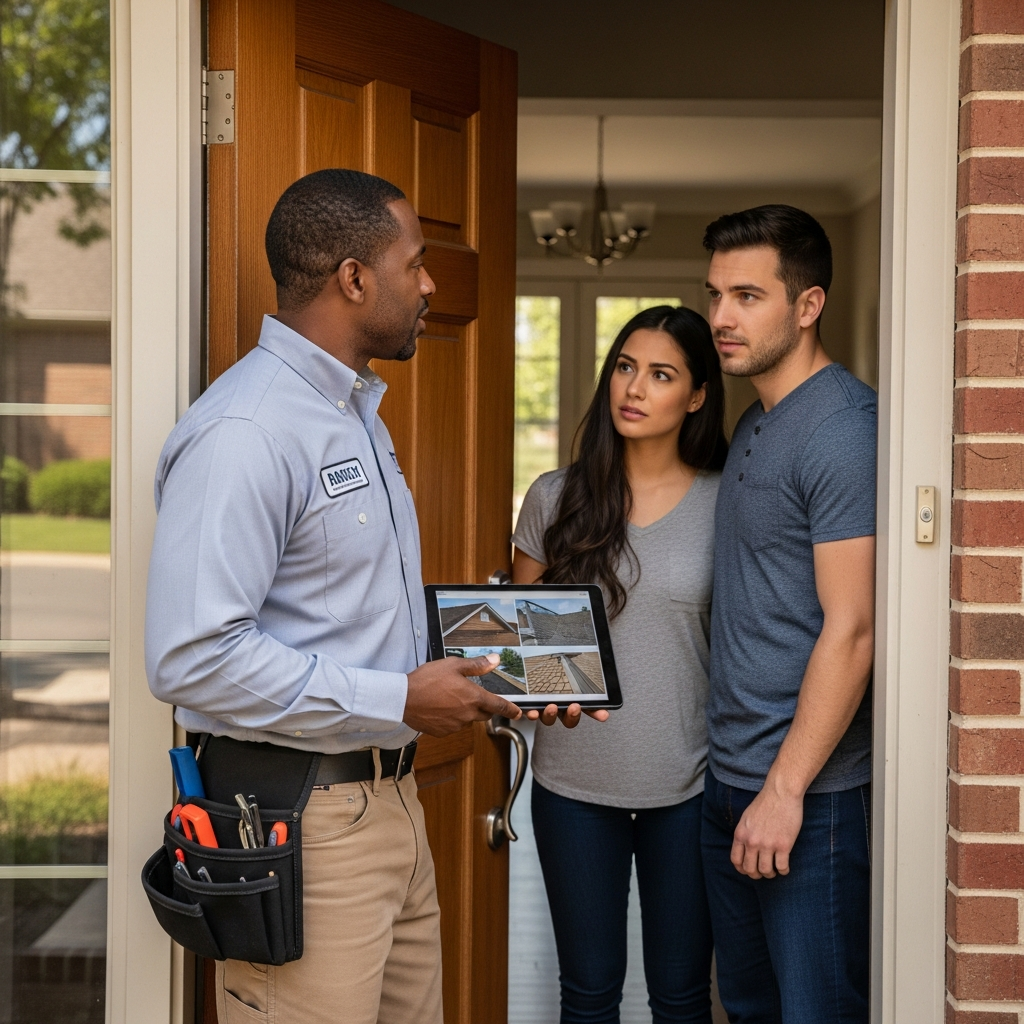
Your contractor should spend at least an hour walking around your property – not just glancing up from the driveway. They’ll need to get up on the roof (safely, with proper equipment) to check for things you can’t see from the ground. Soft spots in the decking, flashing issues, ventilation problems… the stuff that really matters.
Don’t be surprised if they find additional issues once they start tearing off the old materials. It’s kind of like renovating a bathroom – you never really know what’s behind those walls until you open them up. A good contractor will communicate with you immediately if they discover anything unexpected, and they should provide options, not just tell you what you “have to” do.
The Material Ordering Process
Once you’ve signed your contract, your contractor will order materials. Here’s where things can get tricky – and where quality materials really show their worth. Premium materials often have longer lead times, especially if you’ve chosen something specific like architectural shingles in a particular color or metal roofing with custom finishes.
Standard asphalt shingles? Usually available within a few days. But if you’re going with something more specialized (which you probably should, given Dallas weather), you might be looking at 1-2 weeks for delivery. During busy seasons – typically spring and after major storms – those timelines can stretch even longer.
Day-by-Day Installation Process
The first day is usually the messiest. That’s when they’ll tear off your old roof, and yes, it’s going to be loud. Your house will literally shake. If you have pets, maybe plan a spa day for them somewhere else. The crew will also protect your landscaping and outdoor furniture with tarps, but you might want to move anything particularly delicate.
Days two through however-many involve installing the new decking (if needed), underlayment, and then the actual roofing material. Each layer has to be done properly – no shortcuts. Quality contractors won’t move to the next step until the previous one is completely finished and inspected.
Communication Throughout the Project
A good contractor will check in with you daily, usually at the end of each workday. They should explain what got accomplished and what’s planned for tomorrow. If you’re not getting this kind of communication… that’s a red flag.
Don’t hesitate to ask questions, but maybe save them for the end of the day rather than interrupting work every hour. These crews work best when they can maintain their rhythm, and constant interruptions can actually slow things down (and increase the chance of mistakes).
Final Inspections and Warranty Information
After installation, there should be a thorough cleanup – and I mean thorough. Roofing nails have a way of hiding in the most unexpected places. A quality contractor will use magnetic sweepers and do a final walkthrough with you.
Your warranty paperwork should be clear and comprehensive. Keep it somewhere safe – you’ll need it if any issues arise down the road. Most quality materials come with manufacturer warranties ranging from 20-50 years, but the installation warranty is typically separate and shorter.
The whole process might feel overwhelming, but remember – you’re making an investment that should protect your home for decades. Taking the time to do it right now saves you headaches (and money) later.
Making the Right Choice for Your Dallas Home
You know what? Replacing your roof doesn’t have to feel like you’re navigating uncharted territory. Sure, it’s a big decision – probably one of the biggest you’ll make for your home this decade. But here’s the thing: you’ve already taken the most important step by educating yourself about quality materials and what makes a replacement truly worthwhile.
Living in Dallas, we both know your roof isn’t just sitting there looking pretty. It’s battling those scorching summer days when the heat index makes you question your life choices, weathering those surprise hailstorms that seem to come out of nowhere, and standing strong against winds that can make even the sturdiest homeowner a little nervous. Your roof is basically your home’s superhero – and like any good superhero, it needs the right gear to do its job well.
The materials you choose today will determine whether you’re dealing with another roof crisis in five years… or whether you can finally cross “roof worries” off your mental to-do list for the next several decades. Think of it like buying a good pair of boots – you can go cheap and replace them every year, or invest in quality that’ll carry you through whatever Texas throws your way.
What really matters isn’t just the shingles or the underlayment or even the flashing (though yes, all of that’s important). It’s finding contractors who understand that your home is your sanctuary. People who show up when they say they will, who explain things without making you feel like you need a construction degree to understand your own roof, and who stand behind their work because they actually care about doing it right.
Here in Dallas, we’re lucky to have options. But sometimes having options can feel overwhelming, right? You’re probably wondering about warranties, about which materials really perform best in our climate, about whether that estimate seems fair or if you’re missing something important. Those are exactly the questions you *should* be asking.
The truth is, a quality roof replacement isn’t just about protecting your stuff – though it certainly does that. It’s about peace of mind. It’s about not holding your breath every time the weather app shows storms rolling in. It’s about knowing that the investment you’re making today will keep paying dividends in comfort, energy savings, and yes, even property value for years to come.
Ready to move forward with confidence? We’d love to help you sort through your options without any pressure or sales tactics. Whether you’re still in the research phase, comparing materials, or ready to get serious about replacing your roof, we’re here to answer your questions honestly. Give us a call or send us a message – let’s talk about what makes sense for your specific home, your budget, and your peace of mind. Because at the end of the day, that’s what this is really about: helping you make the choice that’s right for you.
Your roof is too important to leave to chance, but it’s also too important to stress over endlessly. Let’s figure this out together.