Professional Roofing Contractors Near Me for Residential Projects in Garland
You know that moment when you’re lying in bed at 2 AM and you hear it? That soft *drip… drip… drip* coming from somewhere in your ceiling. Your stomach drops because you know exactly what it means – and more importantly, what it’s going to cost.
Or maybe you’re the type who notices things gradually. The little dark spot on your bedroom ceiling that wasn’t there last month. The way your energy bills have been creeping higher and higher, even though you haven’t changed your habits. That weird musty smell in the hallway that you keep telling yourself is probably nothing… but deep down, you know it’s not nothing.
Here’s the thing about roofs – they’re kind of like that friend who never complains until they’re having a complete breakdown. Your roof has been up there, silently protecting your family, your belongings, your entire life for years. Maybe decades. And then one day? It decides it’s done.
But here’s what really gets me fired up about this whole situation: finding the right contractor shouldn’t feel like playing Russian roulette with your life savings. Yet that’s exactly what it feels like for most homeowners in Garland, isn’t it? You’re scrolling through Google reviews at midnight, trying to figure out if “RoofGuy247” is legit or if he’s going to disappear with your deposit faster than your teenager’s allowance.
I’ve seen too many horror stories. The contractor who showed up with a pickup truck and a ladder that looked like it survived the Civil War. The company that gave you a quote so low you thought you’d won the lottery – until you realized they’d basically quoted you for putting a Band-Aid on a broken leg. Or my personal favorite: the “storm chasers” who knock on your door after every weather event, claiming they’ve spotted “catastrophic damage” that requires immediate attention… and immediate payment.
The truth is, your roof isn’t just about keeping the rain out anymore. I mean, yes, that’s still pretty important – nobody wants to deal with water damage or mold issues that can turn your cozy home into a health hazard. But these days, a roof replacement or major repair is also about energy efficiency, property value, and honestly? Your peace of mind.
Think about it this way: your roof is basically a giant hat for your house. And just like you wouldn’t wear a hat with holes in it during a Texas thunderstorm, your house deserves better than a roof that’s barely hanging on.
What makes this even trickier in Garland specifically – and you probably know this if you’ve lived here for any length of time – is that our weather doesn’t mess around. We get everything from hailstorms that sound like someone’s throwing golf balls at your house to heat waves that make you question why humans ever decided to live in Texas. Your roof needs to handle it all, and it needs contractors who understand exactly what “handling it all” means in this climate.
So here’s what we’re going to talk about… because I’m guessing you didn’t stumble onto this article just for fun. You probably need a roof contractor, and you need one you can trust. We’re going to walk through how to find legitimate professionals in Garland who won’t treat your home like a quick payday. You’ll learn the red flags that should send you running (spoiler alert: if they’re going door-to-door after a storm, that’s a big one), and more importantly, the green flags that signal you’ve found someone worth your time and money.
We’ll also cover what questions you should actually be asking – beyond just “how much will this cost?” – because the right questions can save you thousands of dollars and months of headaches. And honestly? We’ll talk about when you might be able to hold off on a full replacement versus when you need to bite the bullet and just get it done.
Because at the end of the day, you deserve to sleep soundly without worrying about what’s happening eight feet above your head.
What Makes a Roofing Contractor Actually “Professional”?
You know how everyone calls themselves a “professional” these days? Your neighbor’s cousin who helped reshingle a garage once suddenly has business cards. But when we’re talking about your roof – the thing that literally keeps your family dry – professional means something pretty specific.
A legitimate roofing contractor isn’t just someone with a ladder and good intentions. They’re licensed (yes, Texas requires it), bonded, and insured. Think of it like the difference between your friend who’s “good with cars” and an actual ASE-certified mechanic. Both might know their way around under a hood, but only one has the credentials to back up their expertise when things go sideways.
Here’s what’s counterintuitive though – the flashiest marketing doesn’t always equal the best work. I’ve seen contractors with gorgeous websites and terrible track records, while some of the most skilled roofers in Garland still operate with handwritten estimates. It’s… confusing, honestly.
The Real Difference Between Repair and Replacement
This is where things get tricky, and frankly, where a lot of homeowners get taken for a ride. Some contractors will walk up to your door after a storm and immediately start talking replacement. Others might patch and pray when you really need a whole new roof.
Think of your roof like an old car. Sometimes you need new brake pads – that’s a repair. Sometimes the transmission is shot and you’re throwing good money after bad – that’s replacement territory. A professional contractor should be able to explain the difference without making you feel stupid for asking.
The honest truth? Most roofing issues start small. That little leak above your bathroom isn’t necessarily a $20,000 emergency. But ignore it long enough, and… well, you know how that story ends. Water damage is like that friend who overstays their welcome – starts small, gets expensive fast.
Why Garland’s Climate Makes Local Expertise Matter
Here’s something people don’t always think about – Garland’s weather is basically a stress test for roofs. We get everything from brutal summer heat that can warp shingles to sudden hailstorms that turn golf ball-sized ice into expensive problems.
A contractor from, say, Minnesota might know snow loads inside and out, but Texas heat? That’s different math entirely. The thermal expansion, the UV exposure, the way materials behave when it’s 105 degrees for weeks straight – that knowledge comes from working here, dealing with insurance claims here, and understanding what actually holds up in North Texas.
Actually, that reminds me – the insurance piece is huge. Local contractors know which insurance companies are reasonable to work with and which ones will fight you over every shingle. They speak the language of adjusters and know the local building codes that might trip up an out-of-town crew.
The Insurance Dance (And Why It’s More Complicated Than It Should Be)
Let’s be real about insurance claims – they’re not exactly straightforward. Your policy might say one thing, but what the adjuster approves… that’s often something else entirely. Professional contractors have been through this dance before. They know how to document damage properly, what photos insurance companies need, and how to advocate for appropriate repairs.
But here’s the thing that drives me crazy – some contractors will promise to “handle everything with insurance” and then leave you holding the bag when coverage doesn’t match expectations. A legitimate professional will walk you through the process, but they won’t guarantee what your insurance will pay. Because honestly? They can’t.
Materials Matter More Than You Think
There’s this assumption that shingles are just… shingles. But the difference between builder-grade materials and quality roofing can literally add decades to your roof’s lifespan. It’s like comparing a $20 umbrella from the gas station to a real raincoat – both keep you dry until the first real storm hits.
Professional contractors don’t just slap up whatever’s cheapest. They’ll explain options, show you samples, and help you understand the trade-offs between upfront cost and long-term value. Because replacing a roof twice in 20 years definitely isn’t the bargain it might seem like initially.
The material conversation should also include your home’s specific needs – slope, exposure, architectural style. What works perfectly on your neighbor’s ranch house might look terrible (or perform poorly) on your two-story colonial.
Reading Between the Lines: What Quality Contractors Won’t Tell You Upfront
Here’s something most Garland homeowners don’t realize – the best roofing contractors actually hope you’ll ask the tough questions. They want you to dig deeper than just “when can you start?”
When you’re vetting potential contractors, ask about their material sourcing. The top-tier guys? They’ve got relationships with suppliers like ABC Supply or SRS Distribution right here in the Dallas area. They’ll tell you exactly where your shingles are coming from and why they chose that particular brand. If someone gives you vague answers about “industry-standard materials”… that’s your cue to keep looking.
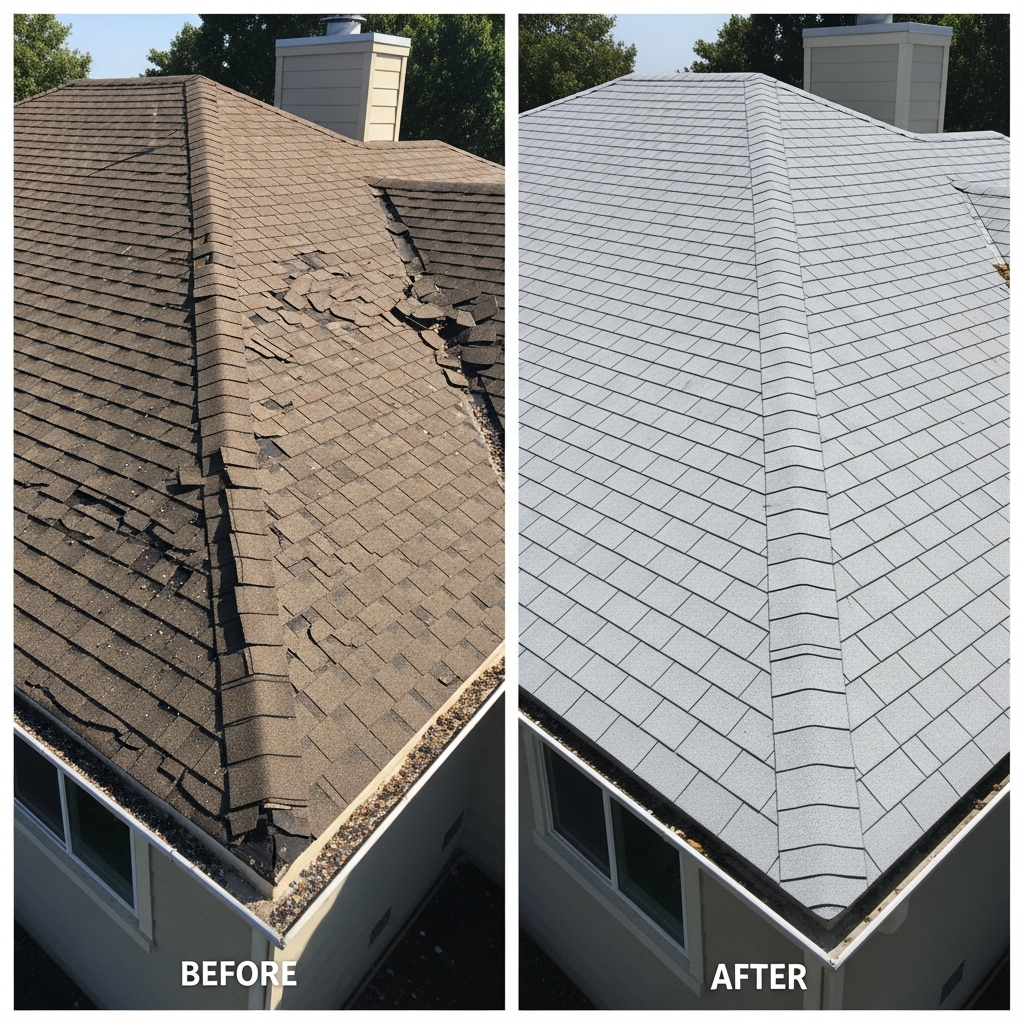
And here’s a secret – legitimate contractors carry photos on their phones. Not just the glamour shots from their website, but candid before-and-after pics from recent Garland projects. They’re proud of their work and can’t help but show it off. Ask to see examples of similar roof pitches or architectural styles to yours.
The Weather Window Strategy (It’s More Important Than You Think)
Living in Garland means dealing with our… let’s call them “dramatic” weather patterns. Smart contractors plan around this, and you should too.
The sweet spot for roofing work here? Late September through November, then again in March and April. Sure, everyone knows summer’s brutal for roof work, but what many don’t consider is that spring storms can create massive backlogs. If you’re planning a replacement, booking during these calmer months means better availability and sometimes better pricing.
But here’s where it gets interesting – experienced Garland roofers have contingency plans for sudden weather changes. They should be able to explain exactly how they’ll protect your home if an unexpected storm rolls in mid-project. We’re talking about proper tarping systems, not just throwing a blue tarp over exposed areas and hoping for the best.
The Permit Dance: Let Them Lead
This one trips up so many homeowners… you don’t need to become a permit expert, but you do need to know your contractor should be handling this entirely. In Garland, most roofing projects require permits, and the good contractors have this process down to a science.
They’ll pull the permits, schedule inspections, and deal with any city requirements. If a contractor suggests you handle permits yourself to “save money” – run. That’s a red flag the size of Texas. Legitimate contractors have established relationships with Garland’s building department and know exactly what documentation is needed.
Actually, that reminds me – ask how they handle inspection scheduling. The pros coordinate with inspectors efficiently because they know delays cost everyone time and money.
Insurance Claims: Your Secret Weapon (If You Know How to Use It)
If storm damage brought you here, understanding the insurance dance can save you thousands. The best Garland contractors work with insurance adjusters regularly – they speak the same language and know what documentation insurers need.
Here’s what many homeowners miss: your contractor should be willing to meet with your adjuster, but they shouldn’t handle all communication for you. You want someone who can translate technical roofing terms into insurance-speak, not someone who tries to take over your claim entirely.
Ask potential contractors about their experience with major insurers like State Farm, Allstate, or USAA (popular in our area). They should be able to walk you through the process and explain common sticking points before they happen.
The Money Conversation: Timing Matters More Than You Think
Payment structure tells you everything about a contractor’s legitimacy. Here’s the golden rule – never pay more than 10% upfront, and that’s only for material orders on larger projects.
Quality contractors understand cash flow. They’re not desperate for money before starting work because they’ve got established credit lines with suppliers. If someone needs significant money upfront for materials, that’s concerning. It suggests they’re either new to business or struggling financially – neither scenario works in your favor.
The payment schedule should align with project milestones. Something like: small deposit (if any), payment when materials arrive, progress payment at halfway point, and final payment upon completion and your satisfaction.
Your Gut Check: Trust the Process
You know what? After all the research and quote comparisons, sometimes it comes down to how you feel about the team. The right contractor will make this major home investment feel manageable, not overwhelming. They’ll answer your calls, explain things clearly, and treat your property like their own.
If you’re feeling rushed or pressured, step back. Quality work and good contractors aren’t going anywhere – but high-pressure sales tactics should send you running.
The Budget Reality Check Nobody Talks About
Let’s be honest – roofing estimates can feel like a punch to the gut. You’re expecting maybe $8,000, and then three contractors later, you’re looking at quotes ranging from $12,000 to $25,000. What’s going on here?
The truth is, roofing costs in Garland have jumped significantly over the past few years. Supply chain issues, labor shortages, and increased demand from storm damage have all played a part. But here’s what actually helps: get at least four quotes, and don’t automatically go with the lowest bid. That rock-bottom price often means corners will be cut – maybe they’re not including proper underlayment, or they’re planning to use fewer nails per shingle than manufacturer specs require.
Instead of panicking about the numbers, ask each contractor to break down their estimate line by line. Materials, labor, disposal, permits – everything. This gives you real comparison data and helps you understand where your money’s actually going.
When Weather Becomes Your Worst Enemy
You’ve scheduled your roof replacement for early October – perfect timing, right? Then three weeks of rain shows up. Or that “minor” project stretches into December because your contractor is juggling four other jobs.
Weather delays aren’t just frustrating; they’re expensive. Every day your roof sits half-finished is another day for potential water damage. The solution isn’t crossing your fingers and hoping for clear skies. Before signing any contract, nail down (pun intended) what happens during delays. Will they tarp your roof properly? Who pays for additional materials if weather damages exposed work?
Smart contractors in Garland build weather buffers into their schedules – especially during storm season. If someone promises they can definitely finish your roof in three days no matter what… well, they’re probably not being entirely honest with you.
The Insurance Maze That Actually Makes You Crazy
Your insurance adjuster says one thing, your contractor says another, and somewhere in the middle, you’re trying to figure out who’s telling the truth. Welcome to the most frustrating part of roof replacement.
Here’s what trips most people up: assuming your contractor and insurance company will figure everything out between themselves. They won’t. You need to be involved in every conversation. Request copies of all documentation. When your adjuster comes out, walk the roof with them (safely) if possible. Take photos of everything they’re noting.
And about those “we’ll handle your insurance claim for you” contractors? Be very careful. While some are legitimate, others might be padding claims or cutting corners to meet insurance payouts. A reputable contractor will work with your insurance, but they shouldn’t be making promises about what your insurance will cover.
Finding Someone Who Actually Shows Up
You know what’s worse than getting a high estimate? Getting no estimate at all because contractors keep rescheduling or never call back. In Garland’s competitive market, good contractors are busy – sometimes too busy.
This is where your homework pays off. Don’t just call contractors randomly from Google. Ask neighbors who’ve had recent work done. Check with local building supply stores – they know which contractors pay their bills on time and do quality work. The Better Business Bureau actually is useful for roofing contractors, despite what you might think.
When you do find someone reliable, don’t lowball them on price or ask them to start immediately. Good contractors book weeks or months ahead, and trying to rush usually means you’ll end up with whoever’s available… which isn’t always who you want climbing on your roof.
The Permit Predicament Everyone Ignores
Most homeowners don’t realize that roofing work in Garland requires permits for major repairs or replacements. Your contractor should handle this, but “should” and “will” are different things. Some skip permits to save time and money – yours and theirs.
Here’s the thing: unpermitted work can bite you hard when you sell your house. It can also void your insurance coverage if problems arise later. Always ask upfront who’s pulling permits and include it in your written contract. Yes, it adds cost and time, but it also ensures the work meets local building codes.
The solution is simple: don’t work with anyone who suggests skipping permits or says they’re “not necessary” for your project. In Garland, they almost always are.
What to Expect During Your Roofing Project
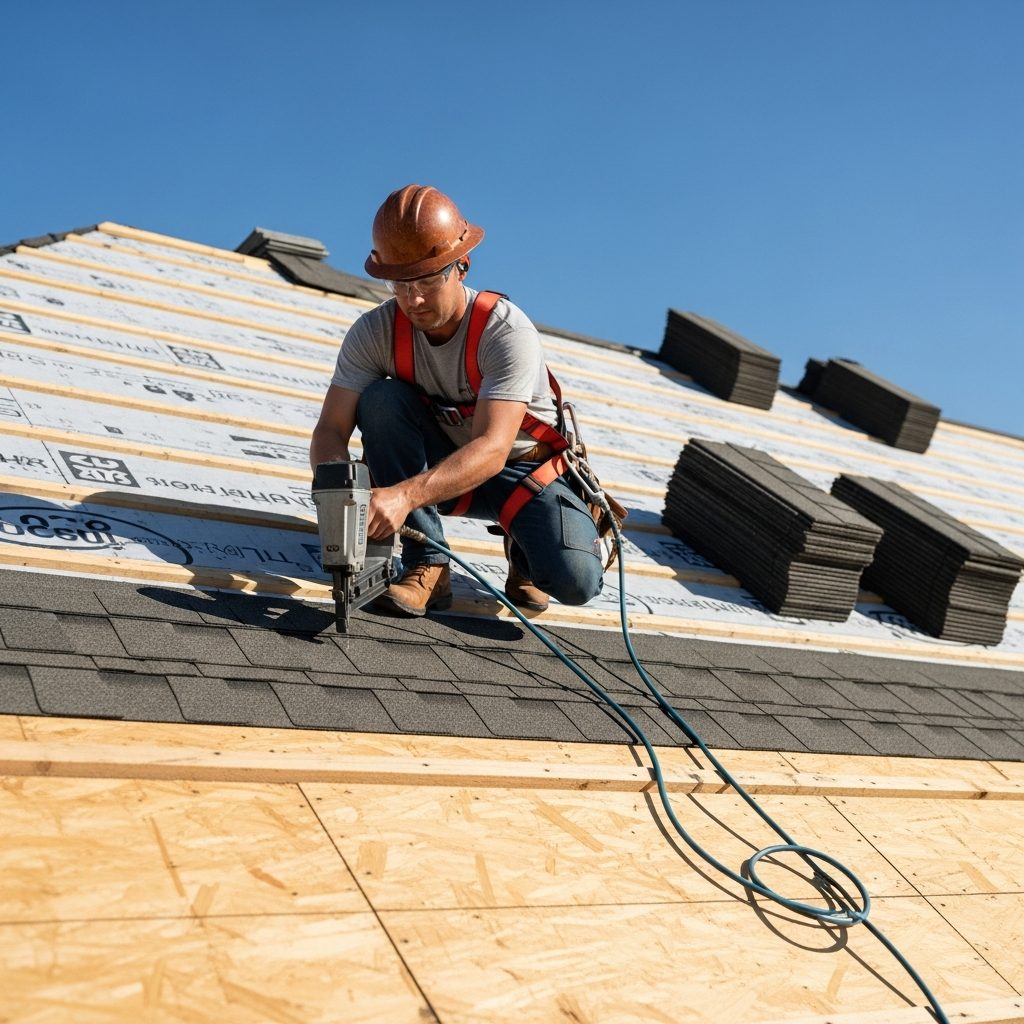
Let’s be honest – getting your roof done isn’t like ordering takeout. You’re not going to call a contractor on Monday and have a finished roof by Wednesday (and if someone promises that, run the other way). Most residential roofing projects in Garland take anywhere from 2-5 days for a standard replacement, though weather can throw that timeline right out the window… literally.
Your contractor should walk you through their timeline during the estimate – and good ones will actually pad it a bit. Why? Because Mother Nature doesn’t check construction schedules. That storm that rolls in Tuesday afternoon? Yeah, that’s pushing your project to Wednesday or Thursday. It’s not laziness; it’s safety and protecting your home from water damage.
The noise level is something people always ask about but rarely prepare for properly. Think of it this way: imagine someone dropping bowling balls on your ceiling while running a chainsaw. For several hours. Your pets aren’t going to love it, your work-from-home setup might need adjusting, and if you’ve got little ones, you might want to plan some outings during the loudest phases.
The Pre-Work Dance (And Why It Matters)
Before the first hammer swings, there’s paperwork. Permits, insurance notifications, homeowner association approvals if you’ve got them… it’s not the glamorous part, but skipping these steps is like trying to drive without a license. Technically possible, but you really don’t want to get caught.
Most reputable contractors handle the permit process for you – that’s actually a good sign. If they’re trying to skip permits altogether? Red flag. Garland has specific requirements for roofing work, and legitimate contractors know this stuff inside and out.
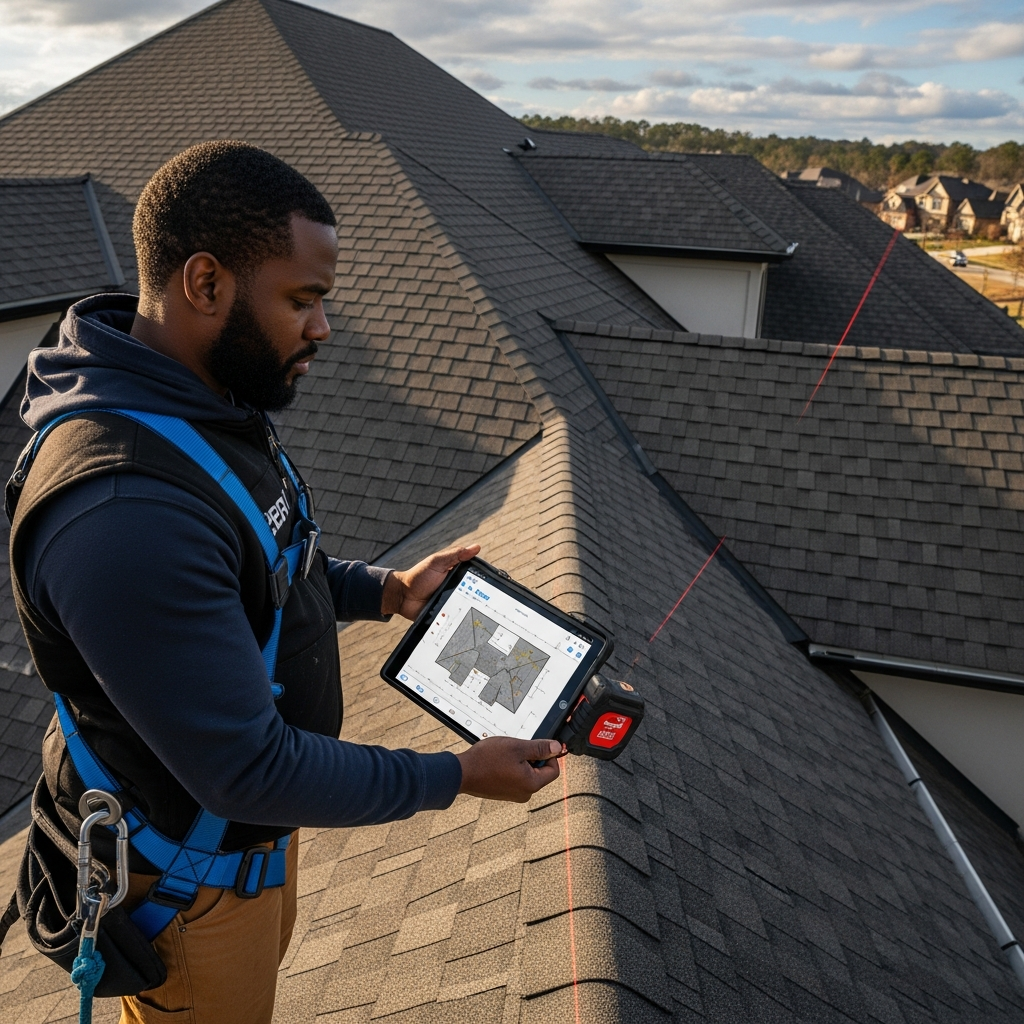
Your contractor should also do a pre-work inspection of your property. They’ll note existing damage to landscaping, mark sprinkler heads, and document anything that might become a “he said, she said” situation later. This isn’t them being paranoid – it’s them being professional.
During the Storm (So to Speak)
Once work begins, expect organized chaos. There will be trucks, trailers, workers arriving early (usually around 7 AM – check your local noise ordinances), and more activity than your neighborhood usually sees. Good contractors will introduce themselves to your immediate neighbors and provide contact information. It’s just good business.
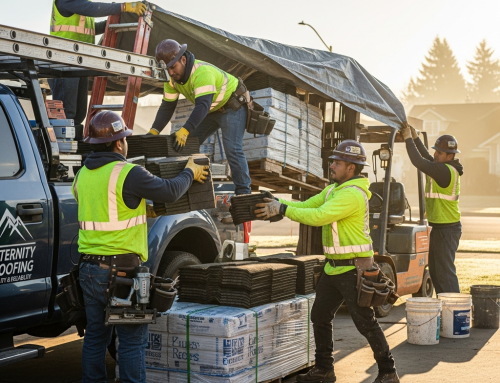
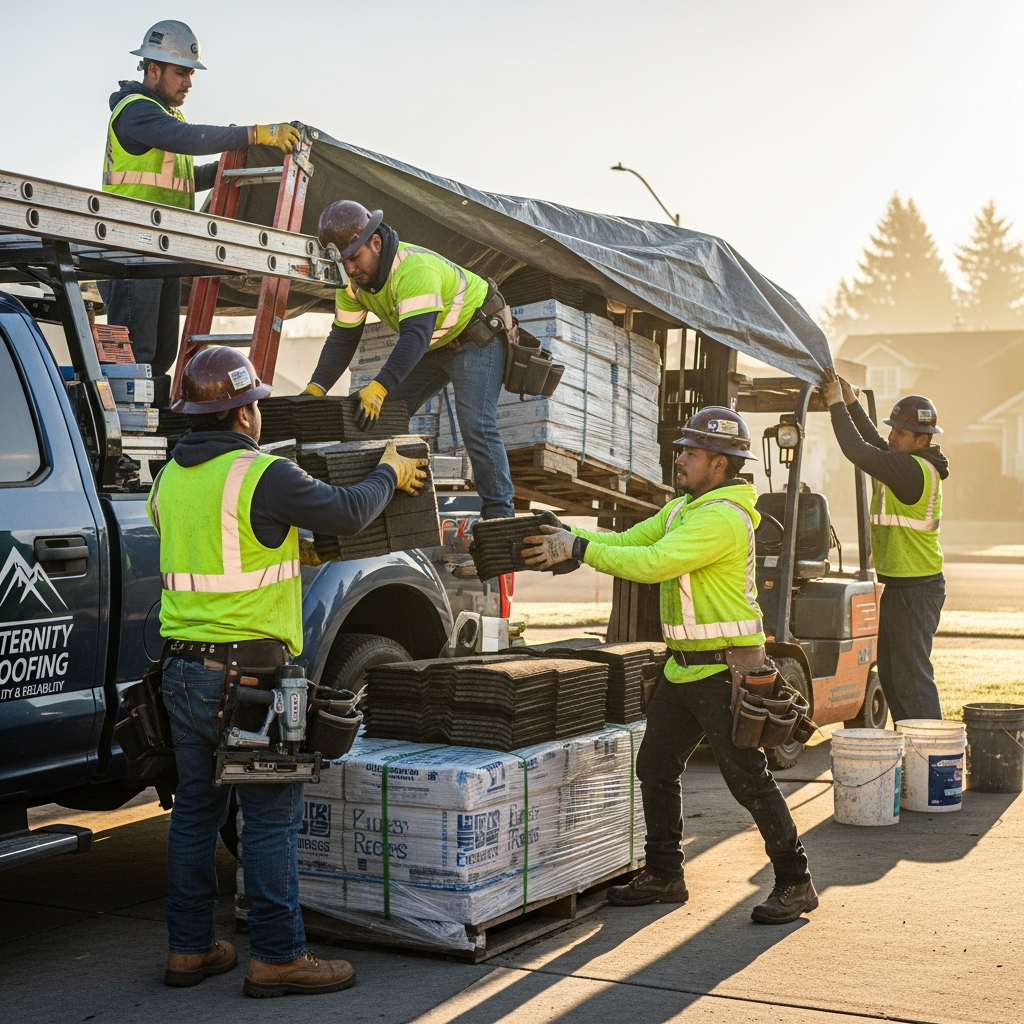
The material delivery usually happens the day before work starts, and honestly? It’s kind of impressive watching them organize thousands of shingles, nails, and underlayment into a system that actually makes sense. Though you might want to move your car – falling debris isn’t covered under most auto insurance policies as an “act of roofing.”
Daily cleanup should happen every evening. Yes, there will be nails and debris during the work day, but you shouldn’t be finding roofing materials in your flower beds a week later. A magnetic sweep for nails is standard – and if your contractor doesn’t do this, definitely ask them to.
After the Dust Settles
The final inspection isn’t just your contractor looking around and saying “yep, looks good.” In Garland, you’ll typically need a city inspection for permit compliance. Your contractor should coordinate this and be present when the inspector comes. Don’t panic if the inspector finds something minor – it happens, and good contractors fix it quickly.
You’ll get a final walkthrough where your contractor should show you their work, explain your warranty coverage, and answer any questions. This is also when you’ll get all your paperwork – permits, material warranties, labor warranties, and care instructions. Keep this stuff somewhere safe; you’ll need it if issues arise later.
Setting Realistic Expectations for Communication
Here’s something nobody talks about enough: communication during roofing projects can feel scattered. Your project manager might not be on your roof every day, and the crew lead might not speak English as their first language. This doesn’t mean they don’t know what they’re doing – specialization is actually a good thing in construction.
Establish upfront who your main point of contact is for questions and concerns. Get their direct phone number, not just the main office line. And remember – if they don’t answer immediately, they might be, you know, on someone’s roof trying not to fall off.
The best contractors send progress photos and updates without being asked. But if yours doesn’t? It’s totally fine to ask. Your investment, your updates.
You know, choosing the right roofing contractor doesn’t have to feel like you’re rolling the dice. Sure, there are plenty of options out there – some great, some… well, not so much. But here’s the thing: when you take the time to do your homework, ask the right questions, and trust your instincts, you’re setting yourself up for success.
Finding Your Roofing Partner
Think of it less like hiring a contractor and more like finding a partner for one of your home’s most important projects. Because that’s really what it is, isn’t it? Your roof isn’t just shingles and nails – it’s protection for everything you’ve worked hard to build. Your family, your belongings, your peace of mind on stormy nights.
The best contractors in Garland understand this. They’ll walk you through every step, explain things in plain English (not contractor-speak), and treat your project like it’s their own home. They know you might feel overwhelmed by insurance claims, material choices, or timeline concerns… and they’re there to guide you through it all.
Trust the Process (And Your Gut)
Here’s something I’ve learned over the years: the right contractor will never make you feel rushed or pressured. They’ll give you space to think, answer your questions – even the ones you ask three times – and provide references without you having to beg for them. If someone’s trying to get you to sign today with promises of “special pricing,” well… that’s usually your cue to keep looking.
Actually, that reminds me – don’t forget to check those online reviews, but read between the lines. A company with a few less-than-perfect reviews that they’ve responded to professionally? Often better than one with suspiciously perfect scores across the board.
When Weather Won’t Wait
Sometimes Mother Nature doesn’t give us the luxury of taking our time. Storm damage, emergency leaks, or sudden structural issues – these situations need immediate attention. Even then, reputable contractors will work with you to address urgent needs while planning for the complete solution your home deserves.
Moving Forward With Confidence
Your home is likely your biggest investment, and you deserve someone who treats it that way. Whether you’re dealing with storm damage, planning a long-overdue replacement, or just want a professional assessment of your current roof’s condition, the right help is out there.
The contractors worth working with? They’re the ones who’ll return your calls, show up when they say they will, and explain everything clearly. They understand that this might be your first major roofing project, and they’re genuinely happy to educate rather than intimidate.
If you’re feeling ready to take that next step – or even if you just want to ask a few questions without any pressure – don’t hesitate to reach out. A simple phone call can give you a feel for how a company operates, and most reputable contractors are happy to provide free estimates or consultations. You’ve got this, and you don’t have to figure it all out alone. The right team is waiting to help make your roofing project as smooth and stress-free as possible.