How Often Should a Roofing Contractor Inspect My Roof in Forney?
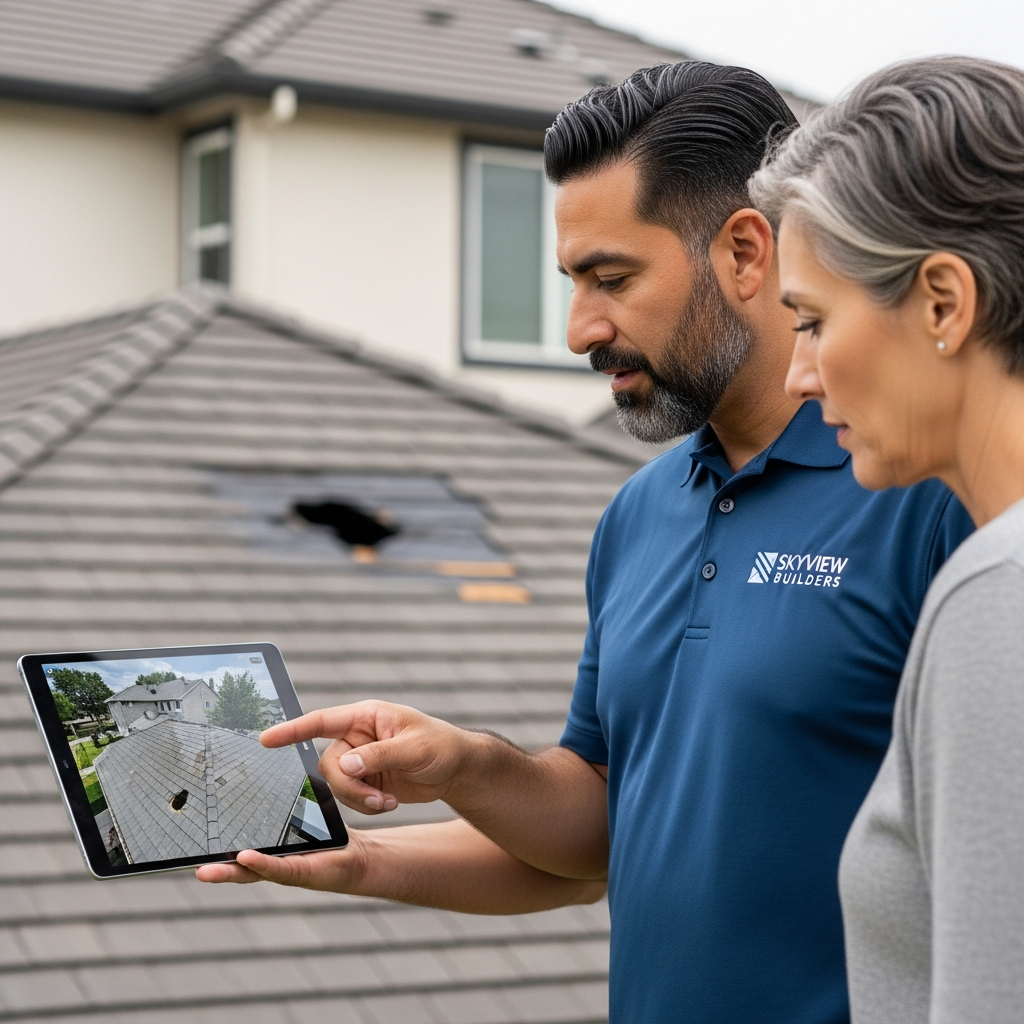
You’re standing in your kitchen on a Tuesday morning, coffee in hand, when you hear it – that unmistakable *drip, drip, drip* hitting the hardwood floor upstairs. Your heart sinks because you know exactly what that sound means. And the first thought that crashes through your mind? “When was the last time someone actually looked at my roof?”
If you’re like most homeowners in Forney, the honest answer is probably… well, you can’t quite remember. Maybe it was when you bought the house? Or was that just the home inspection? The thing is, we live our lives looking straight ahead – not up. Our roofs are literally over our heads, doing their job day after day, and we barely give them a second thought until something goes wrong.
But here’s what I’ve learned after talking to countless homeowners (and a few too many roofing contractors): that “out of sight, out of mind” approach can cost you thousands. Actually, let me rephrase that – it *will* cost you thousands if you’re not careful.
Think about it this way – you wouldn’t drive your car for five years without an oil change, right? You get your teeth cleaned twice a year, your HVAC system serviced annually… but your roof? That expensive thing protecting literally everything you own? We tend to treat it like it’s invincible.
Living in Forney, we get the full Texas weather experience. Those intense summer heat waves that make your shingles expand and contract like they’re doing daily yoga. The occasional hailstorm that can turn a perfectly good roof into Swiss cheese in fifteen minutes. Wind that can lift shingles you thought were permanently attached. And don’t even get me started on what happens when we actually get rain – especially those surprise torrential downpours that test every seal and flashing on your house.
Your roof is basically fighting a war against Mother Nature 24/7, and like any good soldier, it needs regular check-ups to stay in fighting shape.
Now, I know what you’re thinking – “Great, another thing I need to spend money on.” But here’s the reality check: a small problem caught early might cost you a couple hundred dollars to fix. That same problem ignored for a year or two? You’re looking at thousands, potentially tens of thousands, especially if water gets involved. Water damage is like that friend who overstays their welcome – it spreads, it lingers, and it ruins everything it touches.
The tricky part is figuring out how often you actually need these inspections. Too frequent and you’re throwing money away on unnecessary check-ups. Not frequent enough and you’re playing Russian roulette with your biggest investment. And let’s be honest – every roofing contractor you call is going to give you a different answer, because they all have different motivations (and let’s face it, different levels of honesty).
Some will tell you twice a year – which sounds like a lot, doesn’t it? Others say every three to five years is fine. Meanwhile, your neighbor swears he hasn’t had his roof looked at in a decade and it’s “doing just fine, thank you very much.” So who’s right?
The answer isn’t as straightforward as you might hope, because it depends on a bunch of factors that are specific to your situation. How old is your roof? What kind of materials are up there? Did you get hammered by that hailstorm last spring? Do you have trees hanging over your house? Are you planning to sell in the next few years?
All these variables matter – and that’s exactly what we’re going to sort through together. Because by the time you finish reading this, you’ll know exactly how often YOUR roof needs professional attention, what signs to watch for in between inspections, and how to find a contractor who’ll give you straight answers instead of a sales pitch.
You’ll also learn some tricks for spotting problems yourself (spoiler alert: you don’t need to climb up there with a ladder), when you can probably wait a bit longer, and when you need to make that call immediately.
Ready to become a more informed homeowner? Let’s talk about keeping your roof – and your wallet – in good shape.
The Art of Reading Your Roof’s Health
Think of your roof like your car’s engine – you wouldn’t wait for steam pouring out of the hood to check your coolant levels, right? Your roof operates on the same principle, except the warning signs are often sneakier and way more expensive to ignore.
Most Forney homeowners treat their roof like that friend who never complains… until suddenly they’re in crisis mode. But here’s the thing – your roof is actually talking to you all the time. Those subtle changes in how water flows during storms, that slight discoloration you noticed last month but forgot about, even the way your energy bills have been creeping up – these are all whispers before the scream.
The truth is, roofing inspections aren’t just about catching problems. They’re about understanding the story your roof tells about weather patterns, aging materials, and yes – even your home’s overall structural health.
Weather: Forney’s Hidden Roof Enemy
Living in Forney means your roof faces a personality disorder of weather conditions. We’ve got blazing summer heat that can literally cook your shingles (I’m not exaggerating – asphalt shingles can reach 150°F on those July scorchers). Then winter rolls around with its freeze-thaw cycles that work like tiny jackhammers, expanding and contracting materials until something gives way.
But it’s the storms that really keep roofing contractors busy around here. Hail doesn’t just dent your car – it can crack shingles, damage gutters, and create entry points for water that won’t show up as leaks for months. Actually, that delayed reaction is what makes storm damage so tricky. You might think you dodged a bullet after that nasty storm in April, only to discover water stains in your ceiling come August.
Spring brings its own challenges with those intense temperature swings. Your roof materials are constantly expanding and contracting – imagine doing jumping jacks for three months straight. Even the toughest materials get tired.
The Inspection Process Decoded
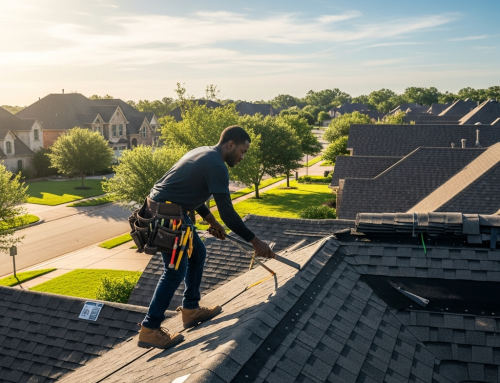
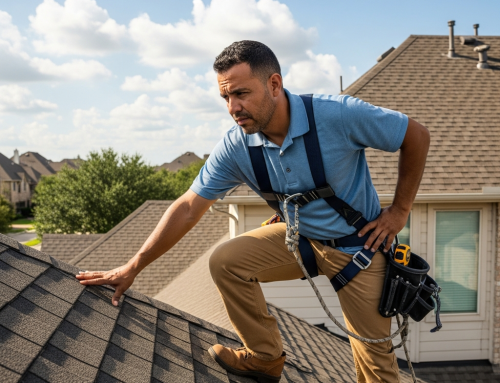
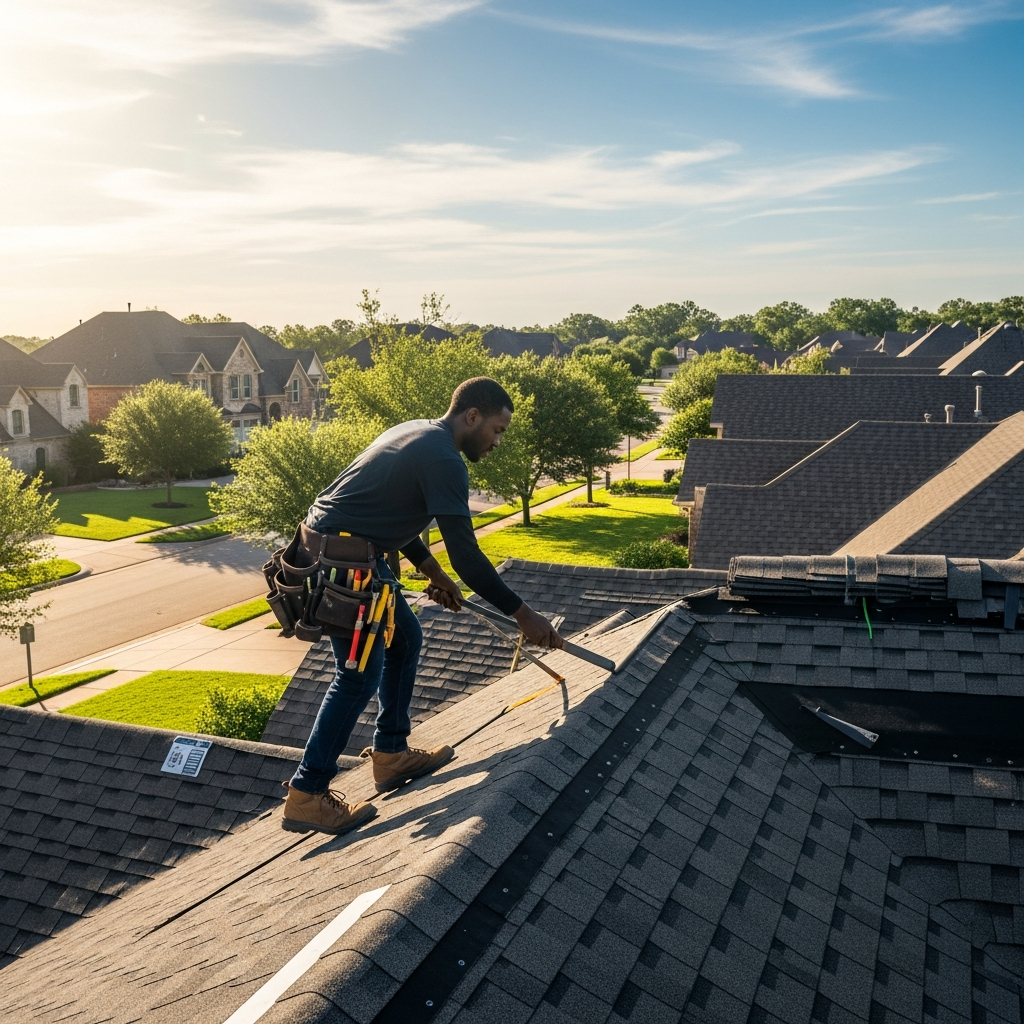
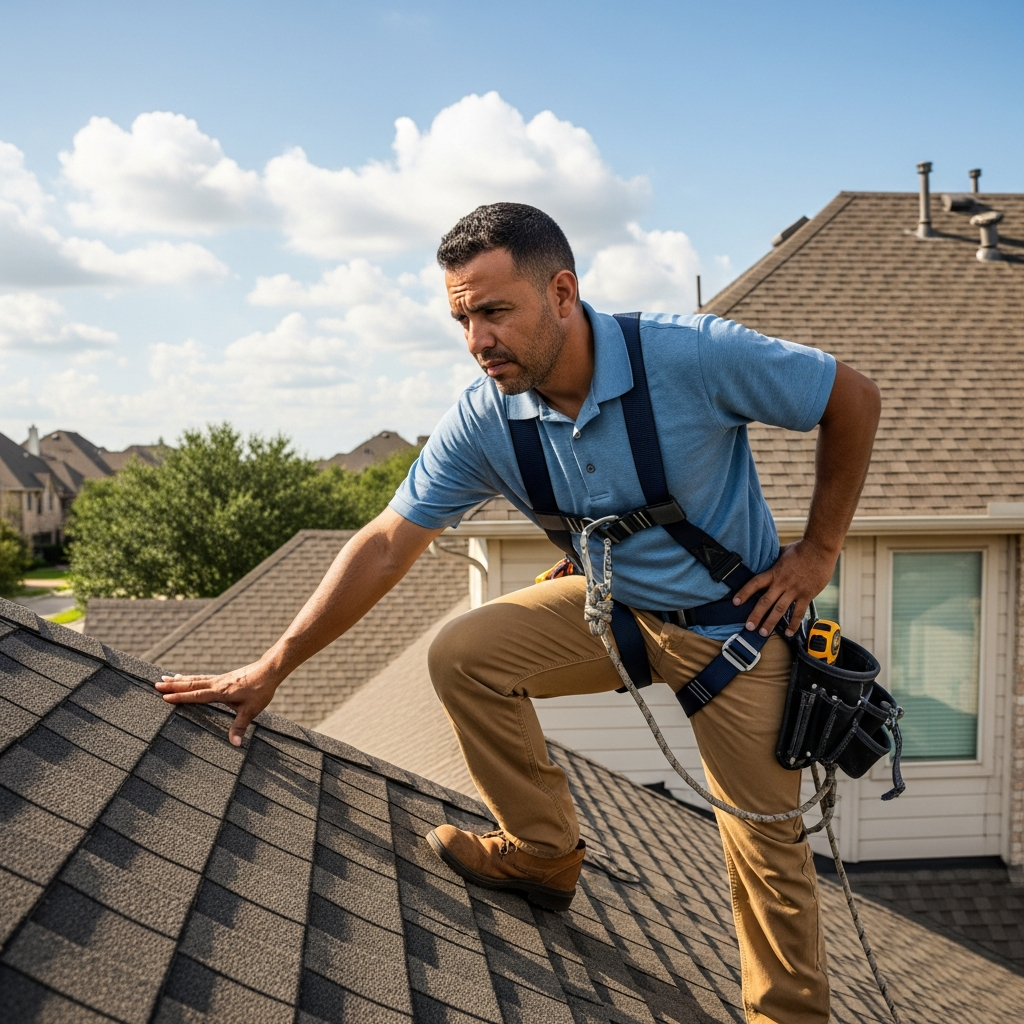
Here’s where things get interesting (and honestly, a bit more complex than most people realize). A proper roof inspection isn’t just some guy with a ladder taking a quick look around. Professional inspectors are basically roof detectives, and they’re looking for clues you’d never think to notice.
They start from the ground – yes, really. A good inspector can spot potential issues from your driveway by checking the roof line for sagging, looking at how gutters hang, even observing how shingles lay flat (or don’t). It’s like diagnosing a limp by watching someone walk across a room.
Then comes the close-up examination. This is where experience really shows. A seasoned contractor can feel a soft spot in decking that looks perfectly fine to your eyes, or notice that certain flashing has been installed incorrectly – something that might not cause problems for years but will eventually fail.
The confusing part? Sometimes the biggest problems hide behind cosmetic perfection. I’ve seen roofs that looked gorgeous from the street but had serious structural issues underneath. It’s counterintuitive, but surface appearance can be deceiving.
Why DIY Inspection Falls Short
Look, I get it. You’re handy, you’ve got a decent ladder, and you’re thinking – how hard can it be to spot obvious damage? And you’re right… sort of. You can definitely catch the obvious stuff – missing shingles, visible holes, gutters hanging at weird angles.
But here’s what you can’t easily see: the early stages of problems that will become expensive later. That slight softness in one section of roof decking. The way certain flashing isn’t quite sealed properly. How your ventilation system isn’t working as efficiently as it should (which affects everything from energy bills to moisture control).
Plus – and this might sound obvious but it’s worth saying – roofs are dangerous. Even experienced contractors take falls. It’s not just about having the right equipment; it’s about knowing how to read a roof’s stability before you put your full weight on it.
The real value of professional inspection isn’t just spotting current problems. It’s understanding how your specific roof ages, what to watch for next, and timing repairs before they become replacements. That’s the kind of insight that saves real money over time.
The Smart Homeowner’s Inspection Schedule
Here’s the thing most people don’t realize – you’re not just scheduling one type of inspection. Think of it like going to the doctor… you wouldn’t only see them when you’re sick, right? Your roof needs both routine checkups and targeted examinations.
For most homes in Forney, you’ll want a professional inspection every 2-3 years during normal conditions. But – and this is important – that timeline shifts dramatically based on your roof’s age and what Mother Nature’s been throwing at us lately.
If your roof is over 15 years old? Bump that up to annual inspections. I know it sounds excessive, but trust me on this one. Older roofs are like that car you’ve been driving forever – they might run fine most days, but little things start failing more frequently.
Weather-Triggered Inspections (This Is Where Most People Mess Up)
Here’s where homeowners usually drop the ball. They wait for the “big” storm to call for an inspection, missing all the smaller events that cause real damage.
After any hail storm – even if the stones seemed small – get your roof looked at within 30 days. Those innocent-looking quarter-sized hailstones? They’re basically nature’s ball-peen hammers, and they can crack shingles in ways you won’t notice from the ground.
Wind storms over 60 mph deserve attention too. You might not see missing shingles, but wind can lift and reseal shingles in slightly wrong positions, creating future weak spots. It’s like having a loose bandage – looks fine until it’s not.
After ice storms… well, that’s non-negotiable. Ice dams can cause damage that doesn’t show up until months later when your ceiling starts sporting those lovely brown water stains.
Seasonal Timing That Actually Makes Sense
Spring is inspection season for a reason – you’re catching winter damage before summer heat makes repairs more miserable. But here’s an insider tip: schedule your inspection for late March or early April. You’ve gotten through the worst of winter weather, but you’re still ahead of the spring rush when contractors get slammed.
Fall inspections make sense too, especially if you’re dealing with an older roof. Think of it as winterizing prep – catching small issues before they become big problems during freeze-thaw cycles.
DIY Monitoring Between Professional Visits
You don’t need to climb up there (please don’t), but you can do monthly walk-arounds from the ground. Look for obvious stuff – missing or curled shingles, damaged gutters, anything that looks… off.
After storms, grab binoculars and do a visual sweep. You’re looking for
– Shingles that look different from their neighbors – Dark spots or streaks (often algae, but sometimes damage) – Gutters pulling away from the house – Anything in your yard that clearly came from your roof
Keep a simple log – even just photos on your phone with dates. It helps contractors understand what’s been happening over time.
Red Flags That Mean “Call Now”
Some situations don’t wait for your regular inspection schedule. Water spots on interior ceilings or walls? That’s a same-week call. Daylight visible through your attic? Also urgent.
Multiple neighbors getting roof work done after a storm you might have forgotten about? Yeah, you probably need that inspection too. Storm damage has a sneaky way of being inconsistent – your neighbor’s roof might be destroyed while yours looks fine but has hidden issues.
The Insurance Angle Nobody Talks About
Here’s something your insurance company won’t advertise but absolutely practices: they love documented maintenance. Those regular inspection reports? They’re gold when filing claims.
Most insurers actually prefer proactive inspections to reactive damage calls. Some companies even offer discounts for properties with documented regular maintenance. It’s worth asking about.
If you’re filing a claim, having inspection reports from before the damage event strengthens your position significantly. It proves the damage is new, not pre-existing wear and tear.
Making It Affordable and Manageable
Professional inspections don’t have to break the bank. Many contractors offer package deals if you schedule regular maintenance. Some even provide basic inspections free if you use them for repairs.
Consider splitting costs with neighbors – many contractors will discount multiple inspections done in the same area on the same day. It’s like a block party, but for roof maintenance.
The bottom line? Regular inspections aren’t an expense – they’re insurance against much bigger problems down the road.
When Life Gets in the Way of Roof Care
Let’s be honest – remembering to schedule roof inspections is about as exciting as remembering to floss. You know you should do it, but somehow six months turns into two years, and suddenly you’re dealing with a leak during the worst possible week of your life.
The biggest challenge? Most of us operate on crisis mode when it comes to home maintenance. We only think about our roof when it’s literally raining in our living room. It’s like ignoring that weird noise your car makes until it leaves you stranded on I-20.
Here’s what actually works: Set a recurring reminder in your phone for spring and fall. Not some vague “check roof” note, but something specific like “Call Johnson Roofing for inspection.” Make it the same weekend you change your clocks – that way you’ve got a built-in memory trigger.
The “It Looks Fine From Down Here” Trap
You peek up at your roof from the driveway, see shingles that aren’t obviously missing, and think you’re good to go. Meanwhile, your gutters are slowly pulling away from the house, and there’s granule loss happening that you can’t spot from ground level.
This is where a lot of Forney homeowners get tripped up. Our climate here – those sudden hailstorms, the scorching summers, the occasional ice event that makes everyone forget how to drive – creates damage that’s often invisible from your vantage point.
The solution isn’t trying to become a roofing expert yourself. Instead, think of professional inspections like getting your blood pressure checked. You can’t see high blood pressure, but catching it early prevents major problems down the road.
Fighting Sticker Shock on Inspection Costs
Here’s where people often stumble: they see that inspection fee and think, “I’ll just wait and see if problems develop.” But most reputable contractors in Forney charge between $200-400 for a thorough inspection – that’s often less than what you’d spend on a nice dinner for two in Dallas.
Compare that to emergency roof repairs, which can easily run thousands, and suddenly that inspection fee looks pretty reasonable. Think of it this way – you probably spend more on coffee in a month than you would on an inspection that could save you from major headaches.
If the cost is genuinely a concern, some contractors offer free inspections after severe weather events. Just make sure you’re working with someone established locally, not the storm chasers who show up with out-of-state plates.
The Contractor Runaround Problem
Finding a reliable contractor can feel like dating in your 40s – lots of disappointment and ghosting. You call, leave messages, maybe get a callback three weeks later when you’ve already forgotten why you called.
Here’s what actually works in Forney: Ask your neighbors who they’ve used. Not just for major repairs, but for routine maintenance. The guy who shows up consistently for small jobs is usually the one you want for bigger problems too.
Get recommendations from your insurance agent – they know which contractors actually follow through and do quality work because they deal with the aftermath when things go wrong.
Weather Window Anxiety
Forney’s weather can be… unpredictable. You schedule an inspection, then worry about whether the timing is right. Should you wait until after storm season? What if hail comes right after the inspection?
Stop overthinking this. Regular inspections help you understand your roof’s baseline condition. If you have an inspection in March and hail hits in April, you’ll have documentation of your roof’s pre-storm state. That’s incredibly valuable for insurance claims.
Plus, many contractors will come back for a quick post-storm assessment if you’re already an established client.
Making Peace with Imperfect Timing
The truth is, there’s never a perfect time to deal with roof maintenance. You’re always busy, money’s always tight, and there’s always something more fun to spend your weekend thinking about.
But here’s what I’ve learned from talking to countless homeowners: the people who stay on top of roof inspections aren’t superhuman planners. They’re just folks who decided that two planned inspections a year beat one emergency repair that happens at the worst possible moment.
Your roof doesn’t care about your schedule, but a little attention now beats a lot of stress later.
Setting Realistic Expectations for Your Roof Inspections
Here’s the thing about roof inspections – they’re not magic. A good contractor won’t climb up there and suddenly transform your 20-year-old roof into something brand new. What they *will* do is give you an honest assessment of what you’re working with and help you plan for the future.
Most homeowners in Forney are surprised by how thorough a proper inspection actually is. We’re talking about 45 minutes to an hour and a half, depending on your roof’s size and complexity. Your contractor should be checking everything from shingle condition and flashing integrity to gutter alignment and ventilation systems. They might even pop into your attic to look for signs of leaks or poor ventilation.
Don’t expect a verbal “looks good” as they’re climbing down the ladder. A reputable contractor will provide you with a written report – usually within 24 to 48 hours. This isn’t just a courtesy; it’s your roadmap for maintaining your roof properly.
What Your Inspection Report Should Include
A quality inspection report feels a bit like getting a physical at the doctor’s office. Some news might be good, some might need attention, and some issues might require monitoring over time.
Your report should include photos of any problem areas (because let’s face it, most of us aren’t climbing up there to verify), a priority ranking of needed repairs, and realistic timelines for addressing issues. If a contractor tells you everything needs to be fixed “immediately,” that’s usually a red flag. Most roofing issues develop gradually, and you’ll often have time to budget for repairs properly.
The best reports also include maintenance recommendations specific to your roof type and local conditions. In Forney, that might mean specific advice about preparing for storm season or dealing with our occasional ice storms.
Planning Your Next Steps
Once you have your inspection results, take a breath. You don’t need to make all decisions immediately, despite what some pushy contractors might suggest.
Start with safety issues first – anything that could cause leaks or structural problems. These might include loose or missing shingles, damaged flashing around chimneys or vents, or clogged gutters that could cause water backup. Most of these repairs can be scheduled within a few weeks, depending on weather and your contractor’s availability.
Next, tackle maintenance items that prevent bigger problems down the road. Think of this as preventive medicine for your roof. Resealing small gaps, replacing worn weatherstripping, or adding attic ventilation might not seem urgent, but they’ll save you money and headaches later.
Understanding Seasonal Timing
Here’s something many Forney homeowners don’t realize – timing your repairs and follow-up inspections strategically can save you both money and stress.
Spring is typically the busiest time for roofing contractors (everyone’s dealing with winter damage), so scheduling non-urgent work for late summer or fall often means better availability and sometimes better pricing. However, if your inspection reveals storm damage, don’t wait. Insurance claims have deadlines, and small problems can become big ones quickly during our active weather seasons.
Your contractor should help you understand which repairs are weather-dependent and which can be done year-round. Some sealant work, for example, requires specific temperature ranges to cure properly.
Building a Long-Term Relationship
The best roofing relationships aren’t transactional – they’re partnerships. When you find a contractor who provides thorough, honest inspections, stick with them. They’ll get to know your roof’s quirks and history, making future inspections more valuable.
Many contractors offer service agreements that include annual inspections plus priority scheduling for repairs. These programs typically cost less than paying for individual inspections and often include small maintenance tasks at no extra charge.
Moving Forward with Confidence
Remember, your roof doesn’t exist in isolation. Weather patterns, nearby construction, tree growth, and even changes to your gutters or landscaping can affect its performance over time. Regular inspections help you stay ahead of these changes rather than reacting to problems after they’ve caused damage.
The goal isn’t perfection – it’s smart, proactive management of one of your home’s most important systems. With realistic expectations and a solid plan, those regular inspections become less of a chore and more of an investment in your peace of mind.
Your Roof Deserves the Same Care You Give Yourself
You know what’s funny? We spend so much time thinking about our health – scheduling those annual check-ups, getting our teeth cleaned every six months, even taking our cars in for regular maintenance. But somehow, that big protective shell over our heads? It often gets forgotten until something goes wrong.
Here’s the thing though – your roof is working 24/7, rain or shine (literally), protecting everything and everyone you care about. And just like you wouldn’t skip a doctor’s visit when something feels off, your roof needs that same kind of attention.
Whether you’re looking at twice-yearly inspections for an older roof that’s seen some Texas weather, or annual check-ups for a newer one, the key is consistency. Think of it like… well, like brushing your teeth. You don’t wait until you have a cavity to start caring for them, right?
I get it – roof maintenance isn’t exactly exciting. It’s not like picking out new kitchen tiles or planning a backyard garden. But there’s something deeply satisfying about knowing your home is truly protected. That peace of mind when those summer storms roll through Forney? That’s priceless.
And here’s what I’ve learned from talking to homeowners over the years: the folks who stay on top of their roof inspections almost always save money in the long run. They catch those loose shingles before they become missing shingles. They spot small leaks before they become… well, before they become someone’s very expensive problem.
Plus – and this might sound weird – but there’s actually something empowering about being proactive with your home maintenance. Instead of feeling like you’re always reacting to problems, you’re staying ahead of them. You’re in control.
The seasonal approach really works well for most people. Spring inspections after winter’s done its worst, fall check-ups before the heavy weather hits again. It becomes part of your home’s rhythm, just like cleaning gutters or winterizing your sprinkler system.
Remember, a good roofing contractor isn’t trying to find problems that don’t exist – they want your roof to last as long as possible too. Their reputation depends on honest assessments and quality work. When they recommend an inspection schedule, they’re thinking about what truly serves your home best.
Your roof is probably one of the biggest investments protecting your family and your belongings. It deserves attention, care, and yes – regular professional eyes looking it over.
Ready to Give Your Roof the Care It Deserves?
If you’re sitting there thinking, “You know what, I can’t remember the last time someone actually looked at my roof,” or if you’re just ready to get on a smart maintenance schedule, we’re here to help. No pressure, no scare tactics – just honest assessment and practical guidance for keeping your Forney home protected.
Give us a call or shoot us a message. Let’s set up a time that works for you and get your roof the attention it’s been patiently waiting for. Your future self (and your wallet) will thank you.