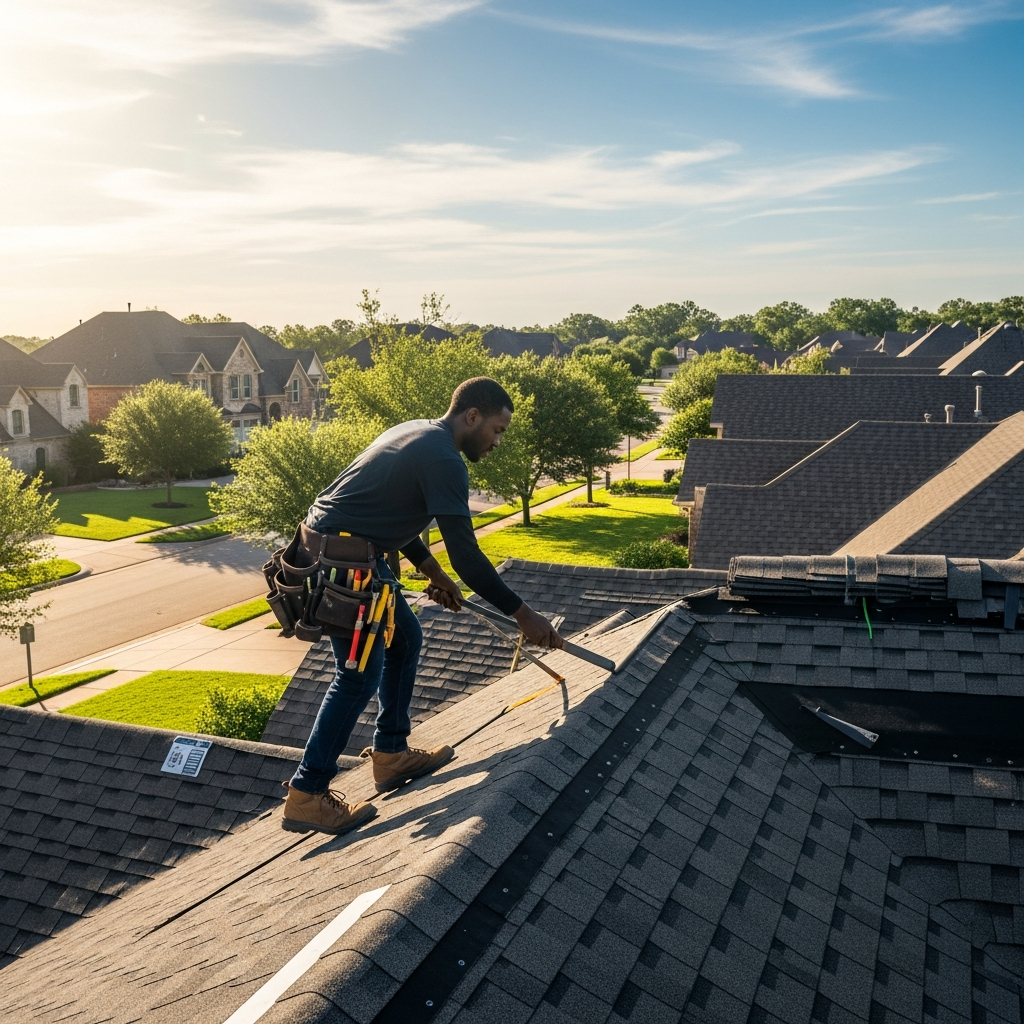
Roof Repair Near Me for Storm, Wind, and Hail Damage in Garland

You’re lying in bed at 3 AM when the first crash hits your roof. Then another. And another. Outside, what started as a gentle spring rain has turned into nature’s version of a batting cage – golf ball-sized hail pummeling everything in sight. Your heart’s racing, not just from being jolted awake, but from that sinking feeling every homeowner knows: *How much is this going to cost me?*
Welcome to storm season in Garland, where Mother Nature has a habit of throwing tantrum after tantrum across North Texas. One minute you’re enjoying a peaceful evening, the next you’re watching your neighbor’s patio furniture become airborne missiles while marble-sized ice chunks turn your car into a dented mess.
But here’s what really keeps you up at night afterward… it’s not just the immediate chaos. It’s standing in your driveway the next morning, coffee in hand, staring up at your roof and wondering what you can’t see. Those missing shingles? Yeah, those are obvious. But what about the stuff that’s not so obvious – the compromised flashing, the micro-fractures in your tiles, the subtle shifts that could turn into major leaks three months from now when you’re least expecting it?
And let’s be honest – most of us know about as much regarding roof inspection as we do about performing brain surgery. You might spot the really obvious damage, but distinguishing between “needs immediate attention” and “can wait until spring” isn’t exactly common knowledge. That’s assuming you’re even comfortable climbing up there in the first place (which, spoiler alert: you probably shouldn’t be).
Here’s the thing about storm damage in our area – and this might surprise you – it’s often more extensive than it looks from the ground. Garland sits right in the sweet spot where severe weather systems love to park themselves and throw their worst at us. We get the straight-line winds, the rotating storms, and yes, those infamous hailstorms that can strip years off your roof’s life in a matter of minutes.
What makes this particularly tricky is that storm damage has this sneaky way of compounding. That small leak from last month’s storm? It’s been quietly soaking your insulation and rotting your decking while you’ve been going about your daily life. By the time you notice that suspicious water stain on your ceiling, you’re not just looking at a simple shingle replacement anymore.
And don’t even get me started on the insurance dance… because that’s a whole different kind of storm to navigate. You’ve got claim deadlines, adjuster visits, coverage questions, and the eternal mystery of what your policy actually covers. Some folks put off calling for repairs because they’re dreading the insurance hassle. Others rush into the first contractor who knocks on their door after a storm (which, by the way, is rarely the best idea).
The truth is, finding reliable roof repair in Garland after storm damage isn’t just about fixing what’s broken – it’s about protecting one of your biggest investments. Your home isn’t just where you sleep; it’s where you’ve built your life. It’s Saturday morning pancakes with the kids, birthday parties in the backyard, and quiet evenings on the couch. When that protective barrier above your head is compromised, everything else feels a little less secure.
So whether you’re dealing with the aftermath of last night’s storm or you’re one of those smart folks who wants to be prepared before the next one hits, understanding your options for roof repair matters. A lot. We’re going to walk through everything – from identifying damage you might miss to working with insurance companies, from choosing the right contractor to understanding when repairs make sense versus when it’s time for a full replacement.
Because here’s what I’ve learned after helping countless Garland homeowners through this process: the more you know upfront, the better decisions you’ll make when you’re standing in that driveway with your morning coffee, looking up at a roof that’s seen better days.
Your Roof’s Daily Battle Against Nature
Think of your roof like a boxer in the ring – every day, it’s taking hits from sun, wind, rain, and temperature swings. Most days, it shrugs off these lightweight punches without breaking a sweat. But then storm season rolls around in Garland, and suddenly your roof is facing a heavyweight champion throwing haymakers.
The thing is, roofing damage isn’t always as obvious as you’d think. Sure, if a tree branch crashes through your living room ceiling, you’ll know about it immediately. But most storm damage? It’s sneaky. It starts small – a few loose shingles here, a tiny crack in the flashing there – and then… well, then you’re dealing with water stains on your bedroom ceiling six months later, wondering how things got so bad.
The Texas Weather Gauntlet
Living in Garland means your roof faces what I like to call the “Texas Triple Threat” – and honestly, it’s pretty brutal when you think about it.
Hail hits like nature’s version of a pitching machine gone rogue. Those ice chunks don’t just bounce off harmlessly – they create granule loss on asphalt shingles (imagine sandpaper being rubbed against your car’s paint), crack tiles, and can even dent metal roofing. The tricky part? Hail damage often looks minor from the ground, but it’s actually compromising your roof’s ability to shed water properly.
Wind is the silent saboteur. You might not see dramatic damage after a windstorm, but those gusts – especially Garland’s notorious straight-line winds – can lift shingle edges, loosen nails, and create weak spots that’ll fail during the next storm. It’s like repeatedly bending a paperclip until it finally snaps.
Heavy rain is what I call the “truth teller.” It finds every weakness that hail and wind created and exploits it mercilessly. Water has this annoying habit of finding the tiniest gap and making it bigger… and bigger… until you’ve got a real problem on your hands.
The Hidden Timeline of Damage
Here’s something that surprises a lot of homeowners – storm damage operates on two different timelines, and the second one is where things get expensive.
There’s immediate damage – the stuff you can see right after a storm. Missing shingles, obvious dents, debris everywhere. This is actually the easier stuff to deal with because it’s right there in front of you.
Then there’s progressive damage – the sneaky stuff that develops over weeks and months. A small nail hole becomes a bigger hole. A tiny crack in flashing becomes a pathway for water. Granules lost to hail make shingles more vulnerable to UV damage. It’s like a slow-motion domino effect happening on your roof.
Why Professional Assessment Actually Matters
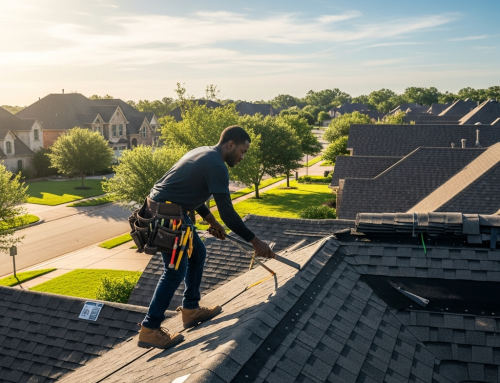
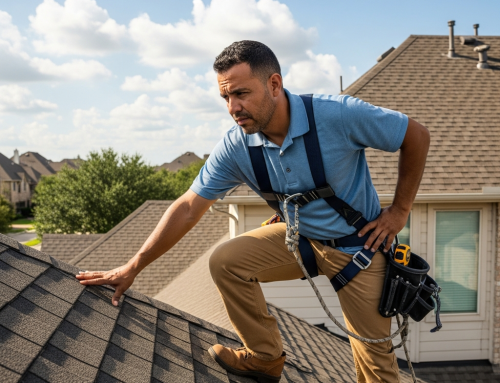
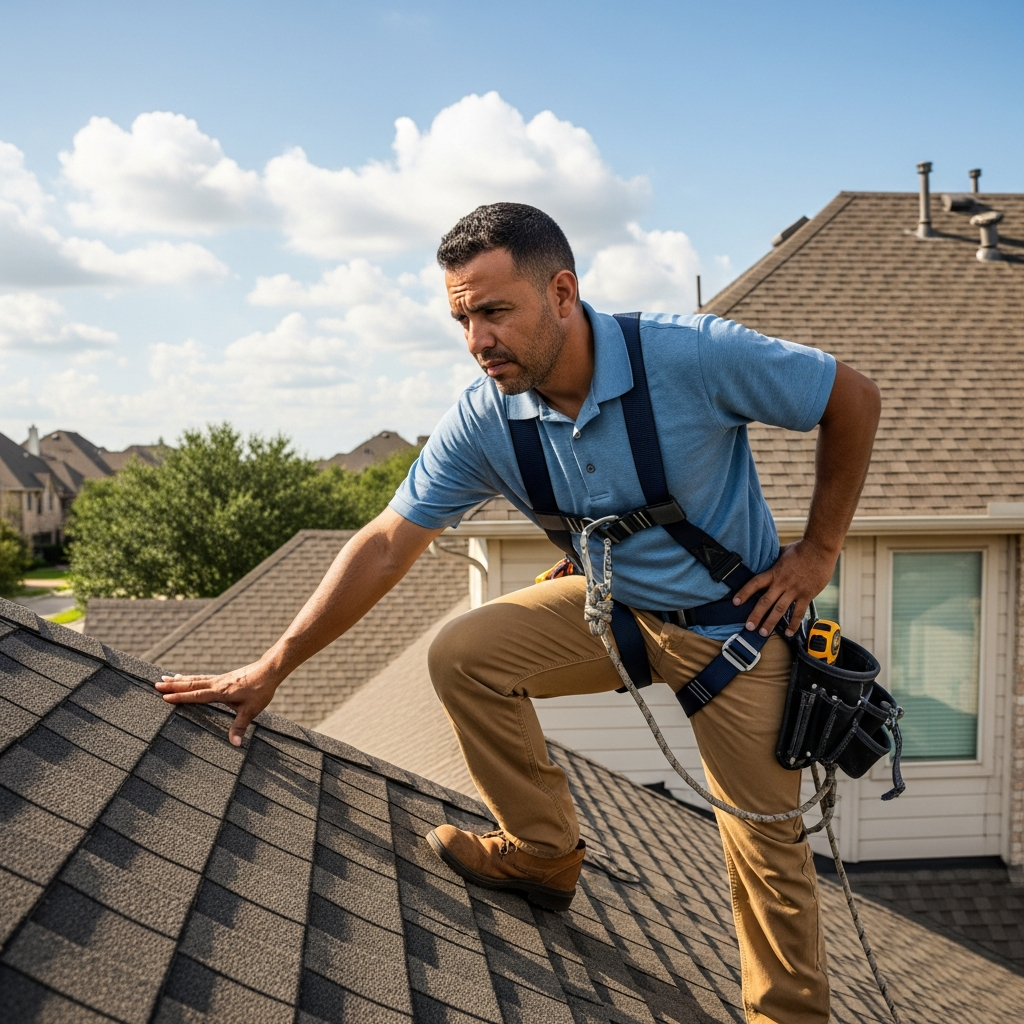
I know, I know – climbing up on your roof with a ladder from Home Depot seems straightforward enough. But here’s the thing (and this might sound self-serving, but bear with me) – roofing contractors see things differently than homeowners do.
We’re looking for patterns. A few missing shingles might seem random to you, but to us, they tell a story about wind direction and intensity. Granule loss might look like normal wear to an untrained eye, but we can tell the difference between age-related deterioration and fresh hail damage.
Plus – and this is important for insurance claims – we know how to document damage in ways that insurance adjusters recognize and accept. Taking a blurry cell phone photo of what you think might be damage… that’s not going to cut it when you’re trying to get a claim approved.
The Insurance Maze (Because Someone Has to Talk About It)
Insurance companies aren’t evil, exactly – they’re just really, really good at finding reasons to say no. They have specific criteria for what constitutes “storm damage” versus “normal wear and tear,” and the line between those two things? It’s thinner than you’d expect.
This is where having proper documentation becomes crucial. Insurance adjusters want to see consistent patterns of damage, evidence that the damage occurred during a specific weather event, and proof that the damage actually compromises your roof’s function.
Getting this right the first time – rather than trying to fight a denied claim later – can save you months of headaches and thousands of dollars. Trust me on this one.
The 24-Hour Rule – Why Speed Actually Matters
Here’s something most contractors won’t tell you upfront – the first 24 hours after storm damage can make or break your insurance claim. I’m not trying to scare you, but… well, actually, maybe a little urgency is good here.
Water damage spreads like gossip in a small town. That tiny leak from a missing shingle? By tomorrow morning, it could be soaking your insulation, dripping into walls, creating the perfect breeding ground for mold. And here’s the kicker – insurance companies love to argue about what’s “storm damage” versus “neglect.” Don’t give them ammunition.
Take photos immediately, even if it’s still drizzling. Your phone’s camera is your best friend right now. Document everything – the damaged areas, any water stains, debris on the roof. Think of yourself as a detective collecting evidence… because that’s essentially what you’re doing.
Red Flags That Should Make You Run (Not Walk) Away
You know those contractors who show up at your door within hours of a storm, clipboard in hand and a smile that’s just a little too eager? Yeah, those guys. Storm chasers are like vultures – they smell opportunity and swoop in fast.
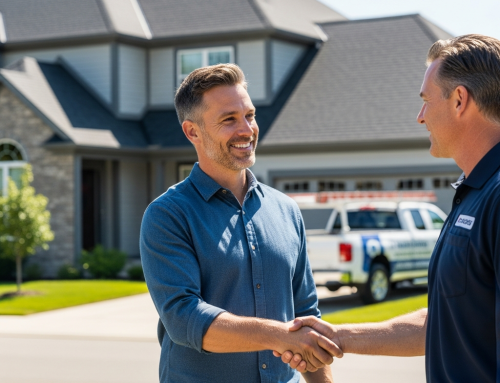
Here’s what legitimate local contractors in Garland won’t do: they won’t demand full payment upfront, they won’t pressure you to sign anything immediately, and they absolutely won’t knock on your door uninvited claiming they “just happened to be in the neighborhood.” Real professionals are busy enough without door-to-door sales tactics.
A good contractor will give you time to think, provide local references you can actually call, and show you their Texas license without you having to ask. They’ll also explain the insurance process instead of promising to “handle everything” for you. Trust me on this one – you want to stay involved in your own claim.
The Insurance Dance – Playing Your Cards Right
Insurance adjusters aren’t the enemy, but they’re definitely not your best friend either. They’re doing their job, which is to pay out as little as possible while staying within policy guidelines. You need to play this game smart.
Before the adjuster arrives, create a detailed list of every issue you can spot. That loose flashing around the chimney that’s been bothering you? If it got worse during the storm, it counts. Don’t exaggerate – that’ll backfire – but don’t undersell the damage either.
Here’s an insider tip: most adjusters in the Garland area are overloaded after major storms. If they seem rushed during their inspection, politely ask them to slow down. Point out issues you’ve documented. You’re not being difficult – you’re being thorough. There’s a difference, and good adjusters actually appreciate homeowners who’ve done their homework.
Materials Matter More Than You Think
Not all shingles are created equal, especially when it comes to Texas weather. If you’re looking at replacement options, don’t just go with whatever’s cheapest. Those builder-grade shingles that barely lasted through their warranty? This might be your chance to upgrade.
Look for shingles with higher wind ratings – Class F is what you want for serious wind resistance. In Garland, with our lovely combination of straight-line winds and occasional tornadoes, this isn’t just nice to have. It’s practical insurance for the future.
And here’s something nobody mentions – the color of your shingles affects your cooling costs. Darker shingles absorb more heat, which means your AC works harder during our brutal summers. If insurance is covering replacement anyway, consider lighter colors or reflective options.
Timing Your Repairs Like a Pro
The best time for roof work in Garland isn’t necessarily when you need it done – it’s when conditions are right and contractors aren’t swamped. If your damage isn’t causing active leaks, you might have some flexibility.
Spring and early fall are ideal for major roof work. Summers are brutal for workers (and more expensive), and winter weather can delay projects. But here’s the catch – after major storms, you’re competing with every other damaged roof in town. Sometimes you have to work with the schedule you’re given, not the one you want.
Get temporary repairs done immediately to prevent further damage, then plan the full replacement strategically. A good contractor will prioritize stopping water intrusion first, then schedule the complete work when conditions and availability align better.
The Insurance Maze That Makes Everyone Want to Scream
Let’s be real – dealing with insurance after storm damage is like trying to solve a Rubik’s cube while blindfolded. You’re already stressed about your roof, and then you’ve got to navigate this whole bureaucratic nightmare.
The biggest headache? Getting your adjuster to see what you see. They might show up three weeks after the storm (if you’re lucky), spend twenty minutes on your roof, and somehow miss that softball-sized hole that’s been letting rain into your living room. It happens more often than you’d think.
Here’s what actually works: Document everything before they arrive. Take photos from multiple angles, mark damage with chalk circles if you have to. Create a simple list with locations – “Missing shingles on south-facing slope, damaged flashing near chimney.” When the adjuster arrives, walk them through your documentation. Don’t be pushy, but… don’t be passive either.
And here’s something most people don’t know – you can request a second inspection if you disagree with the initial assessment. Your policy probably covers it.
Finding Contractors Who Won’t Disappear Into Thin Air
After major storms in Garland, contractors multiply like rabbits. Suddenly there’s a guy with an out-of-state license plate knocking on your door, promising to fix everything for cash upfront. Spoiler alert: that rarely ends well.
The nightmare scenario goes like this – you pay half upfront, they start the work, then… crickets. Their phone goes straight to voicemail. The materials they ordered never show up. You’re left with a half-finished roof and a lighter bank account.
The solution isn’t complicated, but it requires patience when you feel like you don’t have any. Start by checking with neighbors who’ve had recent work done. Not just “Did they finish?” but “Did they clean up properly? Did they return your calls? Would you hire them again?”
Look for local contractors who’ve been around for at least five years – they have skin in the game. Check their Better Business Bureau rating, sure, but also drive by some of their recent projects if possible. Does the work look clean? Are there leftover materials scattered around months later?
Most importantly: never pay more than 10% upfront, regardless of what they tell you about material costs. Legitimate contractors have relationships with suppliers that don’t require massive upfront payments.
The Weather Window Stress Spiral
Here’s the thing nobody tells you about roof repairs in Texas – the weather doesn’t cooperate just because you’re finally ready to fix things. You’ve got your contractor lined up, materials ordered, and then… seven straight days of thunderstorms.
This creates a domino effect of anxiety. You’re worried about more damage happening while you wait. Your contractor is juggling multiple delayed projects. Materials are sitting somewhere getting rained on. Everyone’s patience is wearing thin.
The reality check you need: Good contractors plan for this. They’ll protect your roof with tarps or temporary patches while waiting for clear weather. If your contractor seems surprised by rain delays in Texas… that’s a red flag the size of a barn door.
Ask upfront how they handle weather delays. What’s their process for protecting partially completed work? Do they have backup crew availability when the weather clears? These aren’t unreasonable questions – they’re smart ones.
The Matching Game That Never Quite Works
You know what’s maddening? When you need to replace 30% of your roof, and the new shingles look… different. Even when they’re supposedly the same color and brand. Your house ends up looking like it’s wearing a patchwork quilt.
This happens because roofing materials change slightly over time – manufacturing processes evolve, colors fade at different rates, discontinuation happens. Your “Weathered Wood” from 2015 isn’t quite the same as “Weathered Wood” from 2024.
The honest solution: Sometimes you have to bite the bullet and replace more than just the damaged area to get a uniform look. Yes, it costs more upfront. But it saves you from living with a roof that looks like it couldn’t decide what it wanted to be when it grew up.
Some contractors will blend new and weathered materials strategically to minimize the contrast – that’s a sign of someone who actually cares about how your house looks when they’re done.
When “Temporary” Becomes Permanent
That blue tarp on your roof? It was supposed to be there for two weeks max. That was three months ago. Now it’s practically a neighborhood landmark.
This usually happens when one thing leads to another – permit delays, insurance back-and-forth, material shortages, contractor scheduling conflicts. Before you know it, your “quick fix” has become an eyesore that’s probably violating your HOA rules.
The key is setting realistic expectations from day one and having backup plans. Because in roofing, just like in life, things rarely go exactly according to schedule.
What to Expect During the Repair Process
Here’s the thing about storm damage repairs – they never happen as fast as you’d like them to. I get it. You’re dealing with a tarp flapping in the wind, maybe some buckets catching drips, and every weather forecast has you holding your breath. But understanding what’s actually normal can save you a lot of stress.
Most roof repairs in Garland take anywhere from one to three weeks from the time you sign a contract to completion. That might seem like forever when you’re living under a damaged roof, but there’s good reason for this timeline. First, your contractor needs to order materials – and after a major storm, everyone’s ordering at the same time. Shingles, underlayment, flashing… these things don’t just sit around in unlimited quantities.
Then there’s the actual work. A quality repair isn’t just slapping some shingles up there and calling it good. We’re talking about carefully removing damaged materials, checking the underlying structure (you’d be surprised how often we find issues that weren’t immediately obvious), and then rebuilding everything properly. Weather delays? Oh, absolutely. You can’t install roofing materials in the rain, and Texas weather… well, you know how that goes.
Working With Your Insurance Company
This part can feel like navigating a maze blindfolded, honestly. Your adjuster will schedule an inspection – usually within a week or two of filing your claim, though major storm events can push this out further. Here’s what I always tell homeowners: be there for that inspection if at all possible.
Walk around with the adjuster. Point out everything you’ve noticed – not just the obvious stuff like missing shingles, but also those water stains on the ceiling, the loose gutters, even that weird sound the house makes now when the wind picks up. Take photos of them taking photos. Document everything.
The adjuster’s report usually comes back within a few days to a week. And here’s where it gets interesting – sometimes they miss things. It’s not necessarily malicious; they’re human, they’re looking at a lot of roofs, and damage isn’t always obvious from the ground. This is why having a local contractor do their own assessment is so valuable. They can help you understand if the insurance estimate covers everything that actually needs repair.
Preparing Your Home and Family
While you’re waiting for repairs to begin, there are some practical things you can do. If you’ve got a tarp up there (and honestly, you probably should), check it regularly. Those things don’t last forever, especially in Garland’s wind. Make sure it’s secured properly – we’ve seen tarps become projectiles in storms, which is… not ideal for anyone.
Inside your home, keep an eye on things too. Set up buckets or containers if you’re dealing with leaks, and don’t forget to empty them regularly. Actually, that reminds me – take photos of any water damage as it happens. Your insurance company will want to see the progression of damage, especially if interior repairs become necessary.
If you have kids or pets, talk to them about staying away from the damaged area. Loose shingles can fall, and nobody needs an emergency room visit on top of everything else.
Timeline Reality Check
I wish I could promise your roof will be perfect in a week, but that’s just not realistic. After major storms, good contractors get booked up fast. The fly-by-night crews? Sure, they might promise to start tomorrow. But do you really want the people who are available immediately after every homeowner in town is looking for help?
Quality work takes time, and scheduling takes time. If your contractor gives you a start date, add a few days to it in your mind. Weather happens. Material deliveries get delayed. Sometimes they uncover additional damage that needs addressing before they can move forward.
Communication is Everything
Throughout this process, your contractor should be keeping you informed. Not necessarily texting you updates every hour, but you shouldn’t be left wondering what’s happening either. Good contractors will let you know when materials are ordered, when they expect delivery, if there are any delays.
Don’t hesitate to ask questions. This is your home, your investment, and you have every right to understand what’s happening up there. Most reputable contractors actually appreciate homeowners who are engaged but not hovering over their shoulder every minute.
The key thing to remember? This process, while frustrating, is temporary. Your roof will get fixed, and eventually this whole storm damage headache will be just a story you tell at neighborhood barbecues.
When the Storm Clouds Clear
You know that feeling when you walk outside after a big storm passes? There’s this weird mix of relief that everyone’s okay… and then that sinking realization as you look up at your roof. Maybe there’s a shingle hanging like a loose tooth, or you spot some granules scattered across your driveway like confetti from a party nobody wanted to attend.
Here’s the thing – and I can’t stress this enough – you’re not alone in this. Every homeowner in Garland has either been through this or will go through it. It’s just part of living in North Texas, where the weather can go from calm to chaos faster than you can say “tornado watch.”
I’ve seen too many people beat themselves up, thinking they should have somehow prevented storm damage. Listen, Mother Nature doesn’t ask for permission, and she definitely doesn’t care about your budget or timing. What matters now is taking care of your home – and yourself – moving forward.
The beautiful thing about our community here is how we look out for each other. Your neighbors get it. Local contractors understand exactly what Garland roofs go through. We’ve all weathered these storms together, literally and figuratively.
And here’s something that might surprise you… dealing with storm damage doesn’t have to be this overwhelming nightmare you’re probably imagining. Yes, there are phone calls to make and paperwork to handle, but you don’t have to figure it all out alone. The right roofing team will walk you through everything – insurance claims, material choices, timeline expectations. They’ll translate all that construction jargon into plain English.
Actually, that reminds me of something a client told me last month. She said the hardest part wasn’t the repair itself, but just making that first call. Once she connected with a reliable local team, everything else fell into place much easier than she’d expected.
You’ve Got This (And We’ve Got You)
Look, your roof protects everything that matters to you. Your family, your memories, that ridiculously expensive coffee maker you probably didn’t need but absolutely love. It deserves proper care from people who understand both the technical side and the human side of what you’re going through.
Don’t wait until that small problem becomes a big, expensive one. And please – don’t climb up there yourself with a ladder and good intentions. We want you safe on solid ground.
If you’re ready to get your roof back to protecting what matters most, reach out to us. No pressure, no pushy sales pitch – just an honest conversation about what your roof needs and how we can help make it happen. We’ve helped hundreds of Garland homeowners get back to sleeping soundly through thunderstorms, and we’d be honored to help you too.
Your home has been through a lot lately. Let’s give it the care it deserves, so it can keep taking care of you for years to come.
*Ready to start the conversation? Give us a call or send a quick message. We’re here when you’re ready.*