Why Should I Choose Local Roofing Companies Near Me Over National Brands in Forney?
Picture this: your roof takes a beating during one of those brutal Texas storms – you know the kind, where the hail sounds like someone’s throwing golf balls at your house and the wind makes you genuinely wonder if your gutters are about to become someone else’s problem three streets over. The storm passes, you walk outside, you look up… and your stomach drops.
So you do what most people do. You grab your phone and search for help.
And that’s exactly where things get interesting – and honestly, a little complicated.
Within seconds, you’ve got a list of options. Some of them are these big, glossy national brands with slick websites, 1-800 numbers, and what feels like the kind of corporate polish that says “we’ve got this handled.” It’s tempting. It looks professional. It feels safe, like ordering from a chain restaurant when you’re in an unfamiliar city. You know what you’re getting… sort of.
But here’s what those national brands aren’t going to tell you.
They don’t know Forney. Not really. They don’t know that the weather here can swing from scorching summer heat that would make your shingles weep, to sudden hailstorms, to those weird late-spring cold snaps that catch everyone off guard. They’ve never driven down Farm-to-Market Road or watched a Texas thunderhead build on the horizon and thought, *man, that roof on the Henderson place over on Clements is going to take a hit tonight.* They’re not part of this community. They’re visiting it.
And when it comes to your roof – arguably one of the most critical protections your home has – that distinction matters more than most people realize.
Look, we understand the instinct to go national. There’s a psychological comfort in size, right? Big company equals big resources equals someone who knows what they’re doing. But the roofing industry doesn’t actually work that way, and a lot of homeowners in Forney have learned that lesson the hard way. Delayed response times. Subcontractors flown in from out of state who’ve never dealt with Texas-specific roofing challenges. Claims processes that feel like you’re shouting into a void. And when something goes wrong? Good luck getting a call back from someone who actually knows your name.
Local roofing companies aren’t just a sentimental choice. They’re frequently a smarter one – financially, practically, and in terms of the long-term health of your home.
Here’s what this article is going to walk you through, and I promise it’s worth your time before you make any phone calls or sign any contracts. We’re going to talk about why local roofers in the Forney area have a genuine, tangible advantage when it comes to understanding Texas weather patterns and the specific demands those patterns put on your roof. We’ll get into the accountability factor – because when a company has its name and reputation tied to *this* community, the stakes are completely different. We’ll also look at response times (which, when you’ve got a tarp on your living room ceiling, suddenly becomes the most important thing in the world), familiarity with local building codes, and the economic ripple effect of keeping your dollars in Forney rather than funneling them to a corporate headquarters somewhere far away.
Actually, there’s one more thing worth mentioning upfront – and this is something people don’t always think about. Insurance claims. If you’ve ever navigated a homeowner’s claim after storm damage, you know it can feel like a second job. Local roofers who work Forney regularly? They know the insurance landscape here. They’ve worked with the adjusters. They know the paperwork. That relationship and experience can genuinely make a difference in what you end up recovering.
None of this means every national brand is bad or every local roofer is perfect. That would be way too simple, and you deserve a more honest conversation than that. But if you’re a Forney homeowner trying to make a smart, informed decision about who to trust with your roof – one of your biggest investments – understanding what local expertise actually brings to the table changes the whole picture.
So let’s get into it.
What We Actually Mean by “Local” vs. “National”
First, let’s make sure we’re talking about the same thing – because this distinction is a little murkier than it sounds. A “local” roofing company doesn’t just mean a small operation run out of someone’s garage (though some of those are excellent, honestly). It means a company that’s genuinely rooted in your community. Their owner probably lives nearby. Their crews know the area. When a big storm rolls through Forney, they’re dealing with the same flooded streets you are trying to get to your house.
National roofing brands – sometimes called “storm chasers” in the industry – are a different animal entirely. These are large franchise operations or corporate contractors that move into a market, often right after major weather events, and then… move on. They’re not bad people. They’re just not *your* people. There’s a real difference.
Some national companies do maintain regional offices, which blurs the line a bit. That’s worth acknowledging. But even then, the decision-making, the accountability, and the profit – it all flows somewhere else. Not back into Forney.
Why Geography Actually Matters for Roofing
Here’s something that surprises a lot of homeowners: roofing isn’t one-size-fits-all. The materials that perform beautifully in, say, Seattle would be a questionable choice in Kaufman County. Forney sits in a climate zone that throws everything at your roof – brutal summer heat that can push attic temperatures past 150 degrees, ice storms that nobody saw coming, and those springtime hail events that have become almost a seasonal tradition at this point.
A local roofer who’s been working in this area for years has seen what fails. They know which shingle weights hold up against Texas hail. They understand how the clay-heavy soil around here causes foundations to shift slightly, and what that can mean for your roofline over time. That’s not knowledge you get from a corporate training manual. That’s knowledge you earn by re-roofing someone’s house on Reeder Road and then coming back two years later because you want to make sure it’s still holding up.
Think of it like choosing a doctor. A perfectly competent physician who just relocated from Minnesota might miss that your symptoms are consistent with something common in this region – something a local practitioner would recognize immediately. Context matters.
The Accountability Thing (Which Sounds Boring But Really Isn’t)
Okay, this is where it gets counterintuitive – and a little uncomfortable to think about. When you hire a national company, you’re often protected by… what, exactly? A warranty? A customer service number? Sure. But warranties are only as useful as the company standing behind them.
Local roofers operate on reputation in a way that national brands simply don’t have to. Your neighbor talks to your other neighbor. The guy at the Forney hardware store hears things. A local contractor who does shoddy work doesn’t just lose your business – they lose *everything* in a tight-knit community. That’s a powerful motivator that no corporate compliance training can replicate.
This doesn’t mean every local company is trustworthy and every national brand is sketchy. That would be too simple. But the incentive structure is genuinely different. One of these contractors will be at the same Friday night football game as you. That matters.
How Licensing and Local Knowledge Tie Together
Texas has its own licensing requirements, building codes, and permit processes – and Forney has local specifics layered on top of that. A contractor who regularly pulls permits in Kaufman County knows the inspectors, knows the timeline, knows what the city is picky about right now. That sounds like a small thing until your project gets delayed three weeks because the paperwork wasn’t filed correctly.
Actually, that reminds me of something worth mentioning – insurance. Storm damage claims are particularly complicated in this area, and a local roofer who works regularly with the insurance adjusters serving Forney knows how to document damage in a way that maximizes your claim legitimacy. Not in a shady way. Just in a “we’ve done this a thousand times and we know what works” way.
The fundamentals here really come down to this: proximity creates accountability, local experience creates expertise, and community ties create motivation. It’s not rocket science, but it is genuinely meaningful – especially when you’re making a decision that affects your home for the next twenty years.
How to Actually Vet a Local Roofer (Before You Hand Over a Dime)
Here’s the thing most homeowners skip – they get a quote, it sounds reasonable, and they just… go with it. Don’t do that. A quick search for “roofing company Forney TX” will pull up dozens of results, and not all of them are worth your time. Before you call anyone, pull up the Texas Department of Licensing and Regulation website and verify they’re properly licensed. Takes about two minutes. Saves you from a nightmare.
Ask specifically if they carry general liability AND workers’ comp insurance. Some contractors carry one but not the other – and if a worker gets hurt on your roof without workers’ comp, guess whose homeowner’s policy gets dragged into it? Yours.
Questions That’ll Separate the Real Ones From the Pretenders
When you get them on the phone, ask where their physical office is located. Not a P.O. box – an actual address in or around Forney. A legit local company isn’t going to hesitate here. Then ask how many roofs they’ve done in Kaufman County specifically. Experience in your region matters because North Texas weather is its own beast – the hail patterns, the heat cycles expanding and contracting shingles, the occasional ice storm nobody’s prepared for. A contractor who mostly works in Dallas proper might not understand how Forney’s newer subdivisions handle drainage differently.
Ask for three references from jobs completed within the last six months. Not five years ago – recent work. And actually call those references. I know it feels awkward, but homeowners love talking about good (and bad) experiences. You’ll learn more in a five-minute conversation than reading a dozen Google reviews.
The Insurance Claim Process Is Where Local Companies Earn Their Keep
If you’re filing a hail or storm damage claim – which, living in Forney, you probably will at some point – a local roofer is worth their weight in gold here. They know how to document damage in a way that aligns with what Texas adjusters look for. They can meet your insurance adjuster on-site, point out damage you’d never notice yourself, and advocate for a fair settlement.
National brands often hand you a 1-800 number and a regional rep who’s juggling fifty claims across three states. Your local roofer can literally drive over and meet the adjuster Tuesday morning. That access? It’s genuinely underrated.
Ask any roofer you’re considering: *”Have you worked with insurance claims in this area before, and can you walk me through how that process works with you?”* Watch how confidently they answer. Hesitation is information.
Timing and Getting Multiple Bids (Without Wasting Your Life)
After a bad storm rolls through Forney, you’ll have storm chasers from out of state knocking on your door within 48 hours. Seriously – don’t sign anything immediately. You have time. Texas law actually gives you a right to rescind certain contracts within specific windows, but better to just slow down upfront.
Get three bids minimum, but make sure you’re comparing apples to apples. Ask each company to specify the shingle brand and product line, the underlayment they’re using, whether they’re doing a full tear-off or layering over existing material (always do the tear-off – it costs more but it’s the right call), and what their warranty covers. One bid might look cheaper because they’re skipping steps.
Actually, that reminds me – ask about manufacturer certifications. Companies like GAF and Owens Corning have certified contractor programs, and local roofers who’ve earned those certifications can offer extended warranties that non-certified contractors simply can’t. It’s a meaningful differentiator that’s easy to verify.
After the Work Is Done
Don’t pay the final balance until you’ve walked the property yourself and they’ve shown you photos of the completed work from the roof. Check that all debris is cleared – nails in your driveway and yard are genuinely dangerous – and make sure they’ve pulled the proper permits where required. A company that skips permitting is cutting corners you can’t see.
Keep your paperwork. Warranty documentation, the contract, any insurance correspondence – file it somewhere you can actually find it. When you sell your home someday, a documented, properly permitted roof from a traceable local company is a selling point. A mystery roof from a company that no longer exists? That’s a negotiating problem waiting to happen.
When Local Goes Wrong (And How to Avoid It)
Let’s be honest for a second. Choosing a local roofer isn’t automatically a good decision just because they’re local. There are real pitfalls here – and pretending otherwise wouldn’t be doing you any favors.
The most common mistake people in Forney make? Picking whoever knocked on their door after a hailstorm. Storm chasers are basically the door-to-door salespeople of the roofing world, and they prey on exactly the moment when you’re stressed, your roof is leaking, and you just want *someone* to fix it. They look local. They might even have a Forney phone number. But they’ll be three states away before your first winter freeze, and good luck getting warranty work done.
The fix: If someone showed up unsolicited right after a storm, slow down. A legitimate local company doesn’t need to chase storms because they already have a reputation and steady referrals. Take 48 hours before signing anything.
The “I Couldn’t Find Any Reviews” Problem
This one actually trips up a lot of homeowners. You’ve found a contractor someone recommended, but when you search online… crickets. No Google reviews, no Facebook presence, nothing. Does that mean they’re shady?
Not necessarily. Some of the most skilled, trustworthy roofers in the Forney area have been in business for 20 years and still think “SEO” is a typo. Their business runs entirely on word-of-mouth and they’ve never once thought to ask a customer for a Google review.
But here’s the thing – that doesn’t mean you can’t verify them. Call the Kaufman County or Rockwall County area Better Business Bureau. Ask them directly for three or four references from jobs they’ve done within the last year, specifically in Forney or the surrounding neighborhoods. If they hesitate or can’t produce names, that’s your answer. If they hand you a list without blinking? That’s a good sign.
When “Local” and “Licensed” Aren’t the Same Thing
Texas has… let’s say a complicated relationship with roofing licensing requirements. The state doesn’t require a general roofing license, which means technically anyone with a truck and a ladder can call themselves a roofer. This catches a lot of homeowners completely off guard.
What you actually need to verify is their general liability insurance and workers’ compensation coverage. Ask for certificates – not just their word. An uninsured crew working on your roof means you could be liable if someone gets hurt on your property. That’s not a hypothetical. It happens.
Also check that they’re registered with the Texas Secretary of State if they’re operating as an LLC or corporation. Takes about two minutes on the SOS website and tells you whether the business is actually legit.
The Lowball Bid Trap
You’ve got three estimates. One is noticeably lower than the other two. It feels like a win… but it’s usually not.
A dramatically lower bid almost always means something – cheaper materials, fewer layers of underlayment, skipping drip edge installation, or just planning to cut corners where you won’t immediately notice. Your roof might look fine for a year or two, and then the problems start showing up right around the time your warranty has quietly expired.
The solution isn’t to automatically pick the highest bid either, by the way. It’s to ask each contractor to break down their estimate line by line – materials, labor, disposal fees, everything. When you can compare apples to apples, the “deal” often looks a lot less appealing.
Communication Breakdown
This is genuinely the thing that causes the most headaches after you’ve already hired someone. You’re getting vague answers about timelines, the project manager isn’t returning calls, and you’re not sure if that tarp on your roof is temporary or… permanent.
Set expectations before work begins. Ask specifically: who is my point of contact, how will you update me on progress, and what’s your typical response time if I have a concern? A contractor who gets annoyed by those questions is telling you something important about how the job will go.
And get everything – timeline, materials, payment schedule, warranty details – in writing before a single shingle gets touched. Not because local contractors are untrustworthy, but because memory is surprisingly unreliable when money is involved, even with the most well-intentioned people.
Local is worth choosing. Just go in with your eyes open.
What to Expect When You Work With a Local Roofer
Here’s the honest truth – working with a local Forney roofing company isn’t going to be some magical, frictionless experience. Roofing is messy, loud, and disruptive. The crew will show up early (probably earlier than you’d like), there will be debris in your yard, and your dog is absolutely going to lose his mind for a day or two. Knowing that going in just makes the whole thing easier.
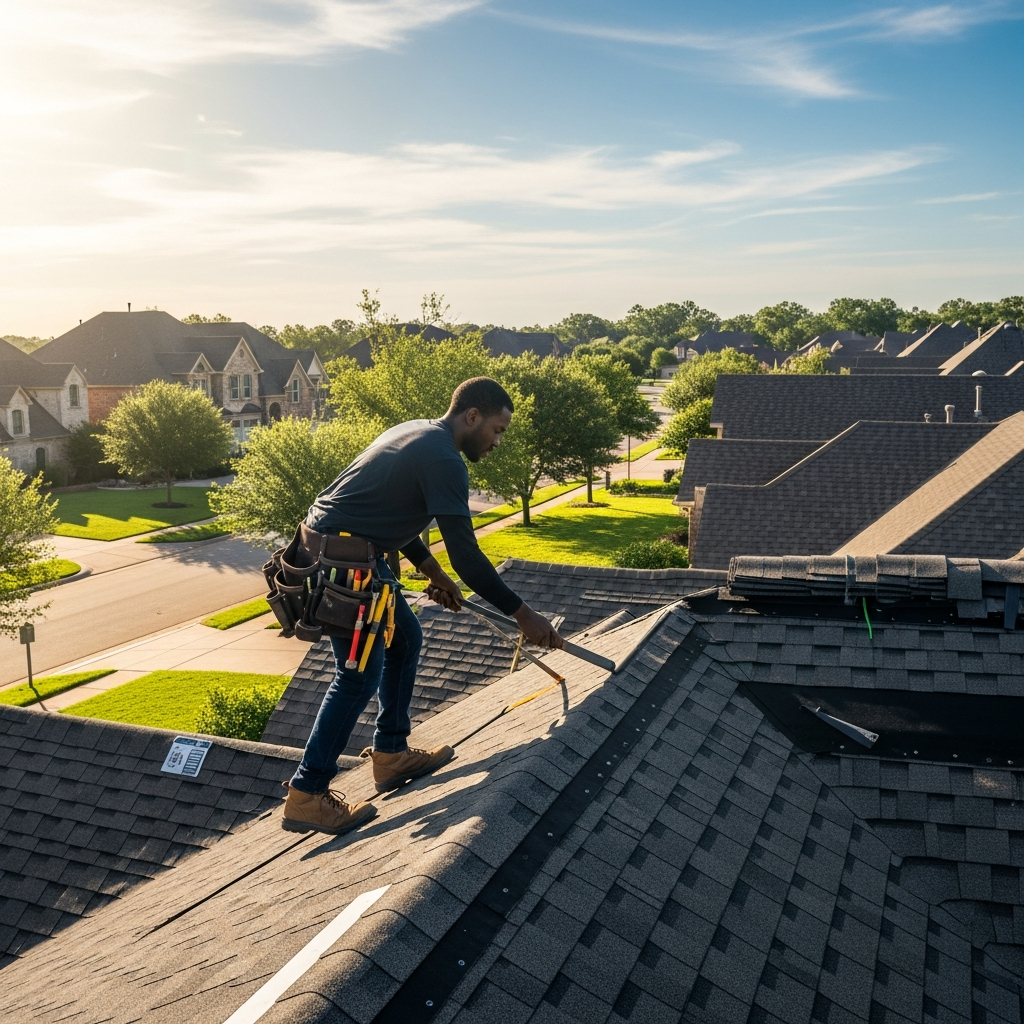
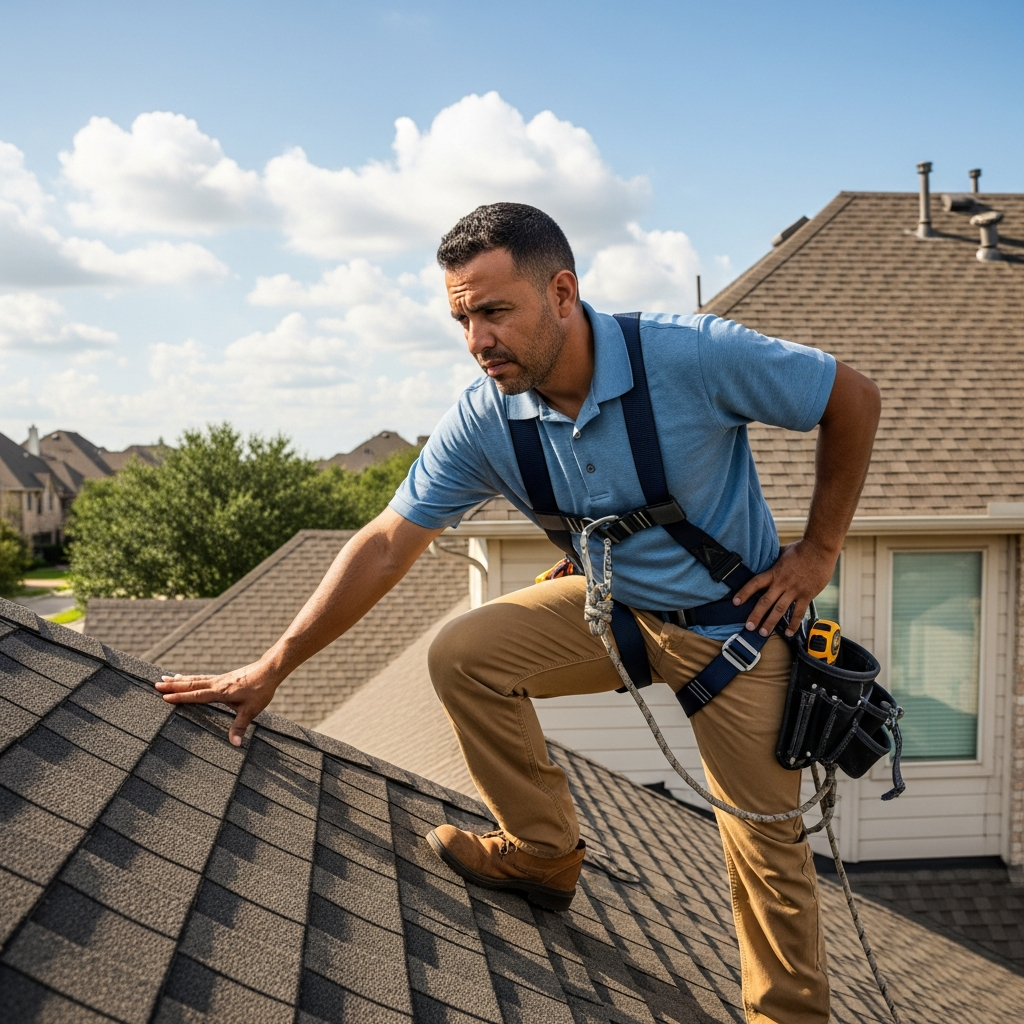
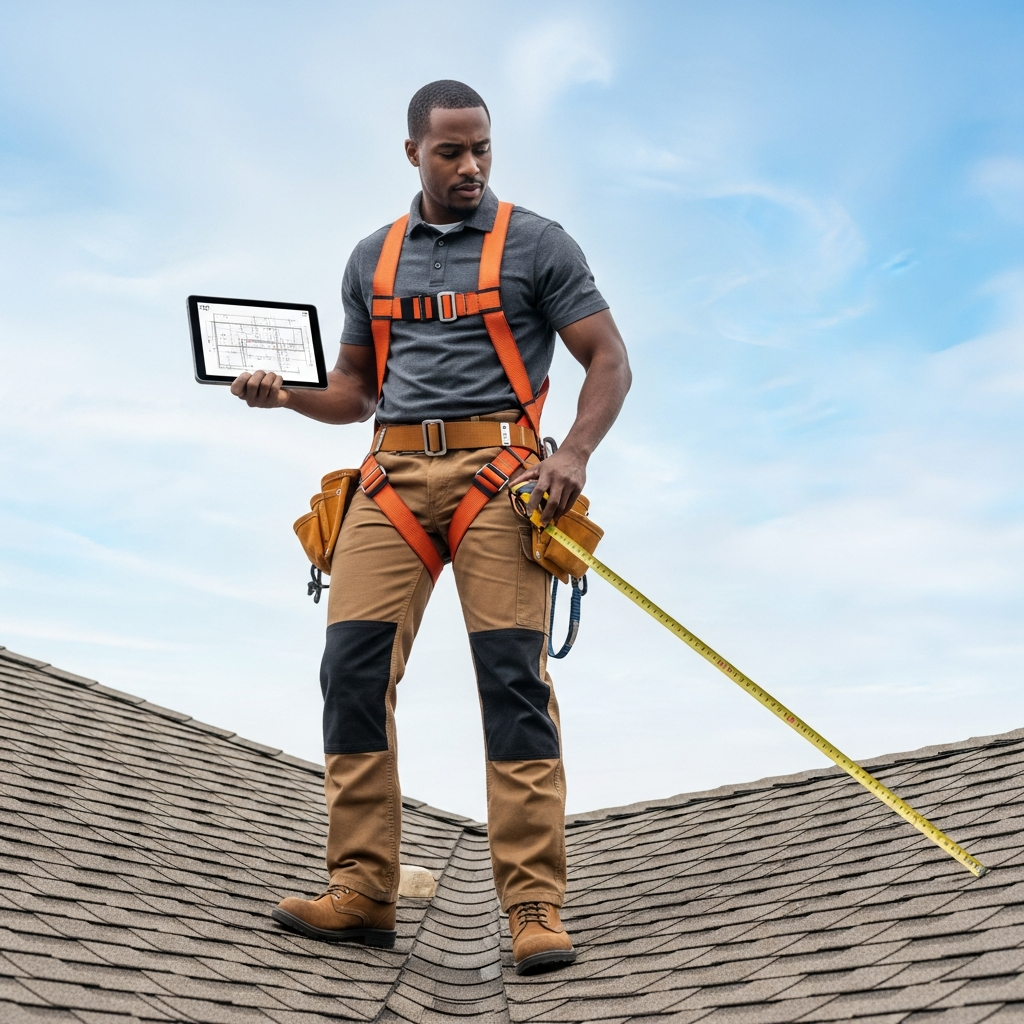
That said, here’s what *should* happen when you hire a reputable local contractor. They’ll come out and do a proper inspection – not a five-minute walkover, but an actual assessment where someone gets on your roof and looks at things. You’ll get a written estimate, usually within a few days. Then there’s scheduling, which can stretch out anywhere from a week to several weeks depending on the time of year and how backlogged they are. Spring storm season in North Texas? Expect everyone to be busy.
Don’t let a wait time spook you. It’s usually a good sign.
Timelines That Are Actually Realistic
A standard residential roof replacement in Forney – say, a 2,000 to 2,500 square foot home – typically takes one full day, sometimes two if there are complications like decking repairs or multiple layers of old shingles to tear off. If a contractor tells you it’ll be completely done in three hours, raise an eyebrow. If they’re quoting you three weeks for a simple replacement, that’s worth questioning too.
Storm damage repairs are a different animal entirely. If half the neighborhood got hit in the same hailstorm (and we both know how Texas storms go), even the most efficient local crews are stretched thin. A few weeks of wait time after a major weather event is completely normal. Actually, if someone calls you back the next day after a big storm promising they can start immediately, be careful – that’s sometimes a red flag for storm chasers who’ve rolled into town from out of state.
The insurance claim process, if you’re filing one, adds another layer. That can take anywhere from a few days to a few weeks depending on your insurance company’s workload and whether there’s any back-and-forth about the adjuster’s assessment. Your local contractor should be willing to walk through this with you, answer questions, and even meet with your adjuster if needed. That’s genuinely one of the advantages of hiring someone local – they’ve dealt with the same insurance companies you’re dealing with, and they know the process.
Your Next Steps (Without Overcomplicating It)
So where do you actually go from here? A few simple things.
Get more than one estimate. Two or three is the sweet spot. Less than that and you don’t have enough to compare – more than that and you’re just adding confusion to your life. Look at what’s included, not just the bottom-line number. Are they replacing the drip edge? What’s the warranty on labor versus materials? Are they hauling away all the old shingles?
Ask around. This is Forney – it’s not a small town anymore, but it still has that community feel where your neighbor on Clements Drive might genuinely know the roofing crew personally. Facebook groups, Nextdoor, even just asking coworkers – local word of mouth is still incredibly reliable.
Check their licensing and insurance before anyone gets on your roof. This isn’t optional. A legitimate contractor won’t flinch when you ask for proof of general liability and workers’ comp coverage. One who gets defensive about it… well, that tells you something.
A Realistic Mindset Going In
There’s no perfect roofing experience. Something unexpected almost always comes up once the old shingles come off – rotted decking, improper ventilation that’s been quietly causing problems for years, whatever. A good local contractor will call you before addressing it, show you photos, explain what needs to happen and what it’ll cost. That transparency is what you’re paying for.
What you’re *not* paying for is some slick national brand experience with a fancy app and a corporate customer service line in another state. You’re paying for someone who built their business here, knows what Forney roofs go through – the heat, the hail, the wind – and will be around if you need them next year.
That’s worth something. Probably more than you’d think.
Here’s the thing about decisions like this – they’re not really about roofing at all. They’re about trust. About knowing that when a storm rolls through Forney and your ceiling starts looking suspicious at 9pm on a Tuesday, there’s a real person you can call. Someone who knows your neighborhood, knows the weather patterns that have been battering this part of Texas, and actually shows up.
National brands aren’t bad, exactly. They just can’t give you that. It’s the difference between getting your hair cut at a place where the stylist remembers you switched to a shorter style last spring versus walking into a chain where you have to explain yourself from scratch every single time. One just *feels* different.
Local roofers in Forney have skin in the game in a way that a national call center simply doesn’t. Their reputation lives at the Friday night football game, at the hardware store on 80, at the neighborhood Facebook group where people aren’t shy about sharing their opinions. That accountability? It shapes how they work. It shapes whether they cut corners or whether they stay an extra hour to make sure the flashing is right.
And honestly, the practical stuff matters too. A local company knows that Forney summers are brutal, that hail season is a real and recurring threat, and that the codes and requirements here aren’t the same as they are in Phoenix or Atlanta. They’re not working from a generic playbook – they’re working from experience they’ve built right here.
There’s also something worth saying about where your money goes. When you hire locally, you’re putting dollars back into a community you actually live in. That contractor might be the same person coaching your kid’s little league team or sitting two rows over at church on Sunday. That’s not a small thing.
So if your roof is aging, if you noticed some granules collecting in the gutters after the last big storm, if there’s a soft spot you’ve been meaning to get looked at… don’t let it sit. These things have a way of becoming much bigger – and much more expensive – the longer they wait. You know how it goes.
The good news is you don’t have to figure this all out alone. If you’re not sure whether you’re dealing with normal wear or something that actually needs attention, just ask. A trustworthy local roofer will give you a straight answer – not a sales pitch. And if something genuinely needs to be done, you deserve to hear it clearly, understand your options, and feel confident in whoever you choose to handle it.
We’d love to be that resource for you. Whether you have a quick question, want someone to take a look and just tell you honestly what they see, or you’re ready to talk about a repair or replacement – reach out. No pressure, no runaround. Just a real conversation with people who know Forney roofs, care about doing good work, and want to earn your trust the right way.
Your home deserves that kind of attention. And so do you.