What Happens During a Roof Replacement Project in Dallas?
You know that moment when you’re lying in bed during a Dallas thunderstorm, listening to the rain pelt your roof, and you find yourself wondering… is that normal? Or when you’re up in the attic looking for Christmas decorations and notice those suspicious water stains that definitely weren’t there last year. Maybe it’s the way your energy bills have been creeping up despite your best efforts, or how your neighbors keep asking if you’ve “thought about your roof lately” with that knowing look.
Here’s the thing about roofs – they’re kind of like our health. We ignore them until something goes wrong, and then suddenly we’re scrambling to figure out what the heck we’re supposed to do next.
If you’re reading this, chances are you’ve crossed that invisible line from “maybe I should look into this” to “okay, I actually need to do something about my roof.” And honestly? That’s a pretty overwhelming place to be. Especially here in Dallas, where we get everything from hail the size of golf balls to heat that could melt your shoes to your driveway.
The whole roof replacement thing feels massive, doesn’t it? Like, where do you even start? One day you’re living your normal life, and the next you’re supposed to become an expert on shingles and underlayment and… what’s a drip edge anyway? Plus, there’s this nagging worry about contractors – we’ve all heard the horror stories about the guy who took the money and disappeared, or the “quick fix” that turned into a months-long nightmare.
But here’s what I’ve learned after talking to dozens of homeowners who’ve been through this process (and yes, I’ve been there myself): it doesn’t have to be the chaotic mess you’re imagining. Sure, there are moving parts, and yes, you’ll probably lose some sleep when they start tearing off your old roof and you realize your house is temporarily… well, let’s call it “open to the elements.” But when you know what to expect – really know, not just the glossy brochure version – the whole thing becomes way more manageable.
Think of it like this: getting a roof replacement is kind of like having surgery. (Stay with me here.) You’re nervous beforehand because you don’t know exactly what’s going to happen or how you’ll feel during recovery. But once you understand the process – what happens first, what the timeline looks like, what’s normal versus what should worry you – you can actually relax a little and focus on the outcome instead of spiraling about the unknown.
That’s exactly what we’re going to walk through together. Because you deserve to know what those first few days will actually look like when the trucks show up in your driveway. You should understand why they’re going to make all that noise (and yes, it’s going to be loud – your cats will hate you temporarily). You need to know what questions to ask when your project manager shows you those mysterious things they found under your old shingles.
We’ll talk about the timeline – not the optimistic “3-5 days” estimate, but what really happens when Dallas weather decides to throw a curveball. We’ll cover what your house will look like at various stages (spoiler: it gets worse before it gets better, but that’s totally normal). And probably most importantly, we’ll go over how to tell if things are going well or if you need to speak up about something that doesn’t seem right.
By the time you finish reading this, you’ll know exactly what to expect from day one through that final cleanup. You’ll understand which disruptions are part of the process and which ones are red flags. And hopefully, you’ll feel like you can breathe again instead of lying awake at night wondering if you’re making the right choice or picking the right contractor.
Because here’s the truth: your roof replacement doesn’t have to be a disaster movie. With the right information, it can just be… a thing you get through. And then you get to enjoy decades of not worrying about water stains or energy bills or what that weird noise was during the last storm.
Ready to demystify this whole process? Let’s start with what happens before those first shingles ever come off…
The Anatomy of Your Roof (It’s More Complicated Than You Think)
You know how people say “I need a new roof” like it’s one simple thing? Yeah, that’s like saying “I need a new car engine” when really you’re talking about hundreds of interconnected parts working together. Your roof isn’t just those shingles you see from the street – it’s actually a complex system with layers you’ve probably never thought about.
Think of it like a sandwich… but one of those fancy multilayer club sandwiches where each ingredient has a specific job. At the bottom, you’ve got your roof deck (usually plywood or OSB boards) – that’s your foundation, like the bread that holds everything together. Then comes the underlayment, which is basically a waterproof barrier – think of it as plastic wrap protecting your sandwich from getting soggy.
On top of that, you might have ice and water shield in certain areas (more on that later), then your actual roofing material – shingles, metal, whatever you’ve chosen. And don’t forget the flashing around chimneys and vents… honestly, it gets complicated fast.
Why Dallas Weather Makes Everything Harder
Here’s where things get interesting – and by interesting, I mean potentially expensive. Dallas weather is basically designed to torture roofs. You’ve got scorching summers that can literally cook your shingles, sudden temperature swings that make materials expand and contract like they’re doing yoga, and those legendary Texas storms that can drop baseball-sized hail faster than you can say “insurance claim.”
The UV rays here? They’re relentless. I’ve seen shingles that looked fine from the ground but were completely brittle when you actually got up there and touched them. It’s like the difference between a fresh cracker and one that’s been sitting in your pantry for two years – same appearance, totally different structural integrity.
And then there’s the hail… look, if you’ve lived in Dallas for more than five minutes, you know about the hail. It’s not just the big chunks that obviously dent your car – even smaller hail can knock the protective granules off your shingles, leaving them vulnerable to UV damage and water infiltration.
The Permit Puzzle (Yes, You Need One)
This might surprise you, but you can’t just wake up one Saturday and decide to tear off your roof. Dallas requires permits for roof replacements, and honestly? That’s a good thing, even though it adds time and paperwork to your project.
The permit process forces contractors to submit plans and ensures the work meets current building codes. Building codes change over time – what was acceptable when your house was built in 1985 might not cut it today. Your new roof needs to meet current wind resistance standards, proper ventilation requirements, and energy efficiency codes.
Most reputable contractors handle the permit process for you (and if yours doesn’t offer to, that’s a red flag waving in a hurricane). The permit typically costs a few hundred dollars and takes a week or two to process – not terrible, but definitely something to factor into your timeline.
Material Choices That Actually Matter in Texas
Here’s where it gets fun – choosing your roofing material isn’t just about what looks pretty. In Dallas, you need to think about performance first, aesthetics second.
Asphalt shingles are the most common choice, and for good reason – they’re relatively affordable and handle Texas weather reasonably well. But not all shingles are created equal. You want impact-resistant shingles (look for that Class 4 rating) because of our hail situation. Some insurance companies even give you discounts for installing them.
Metal roofing is gaining popularity, and I get why. It reflects heat better than asphalt, stands up to hail like a champ, and can last 50+ years. The downside? It’s more expensive upfront, and it can be… let’s call it “acoustically interesting” during heavy rain.
Clay tiles look gorgeous and handle heat beautifully, but they’re heavy (your roof structure might need reinforcement) and can crack under hail impact. It’s always a trade-off, isn’t it?
The key is finding that sweet spot between your budget, your home’s structural capabilities, and Dallas’s unique climate challenges. Your contractor should walk you through these options based on your specific situation – not just hand you a generic brochure and call it good.
Preparing Your Home (And Your Sanity) for the Big Day
You know what nobody tells you about roof replacement? It’s going to sound like a construction zone exploded above your head. I’m talking nail guns firing at 7 AM sharp – and trust me, your neighbors already know what’s happening before you’ve had your first cup of coffee.
Here’s the thing though… a little prep work saves massive headaches later. Move your car out of the driveway – seriously, debris will find your windshield like a magnet. Cover anything valuable in your attic with tarps or old sheets because dust has this sneaky way of settling on everything, even in sealed boxes.
And if you’ve got pets? This might be the perfect time for that “vacation” at grandma’s house. Dogs lose their minds with the hammering, and cats… well, they’ll give you the silent treatment for weeks.
What to Expect During Demo Day
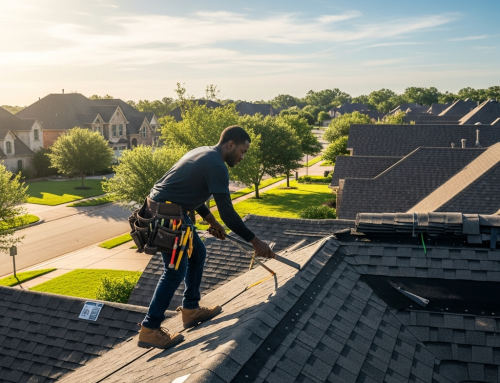
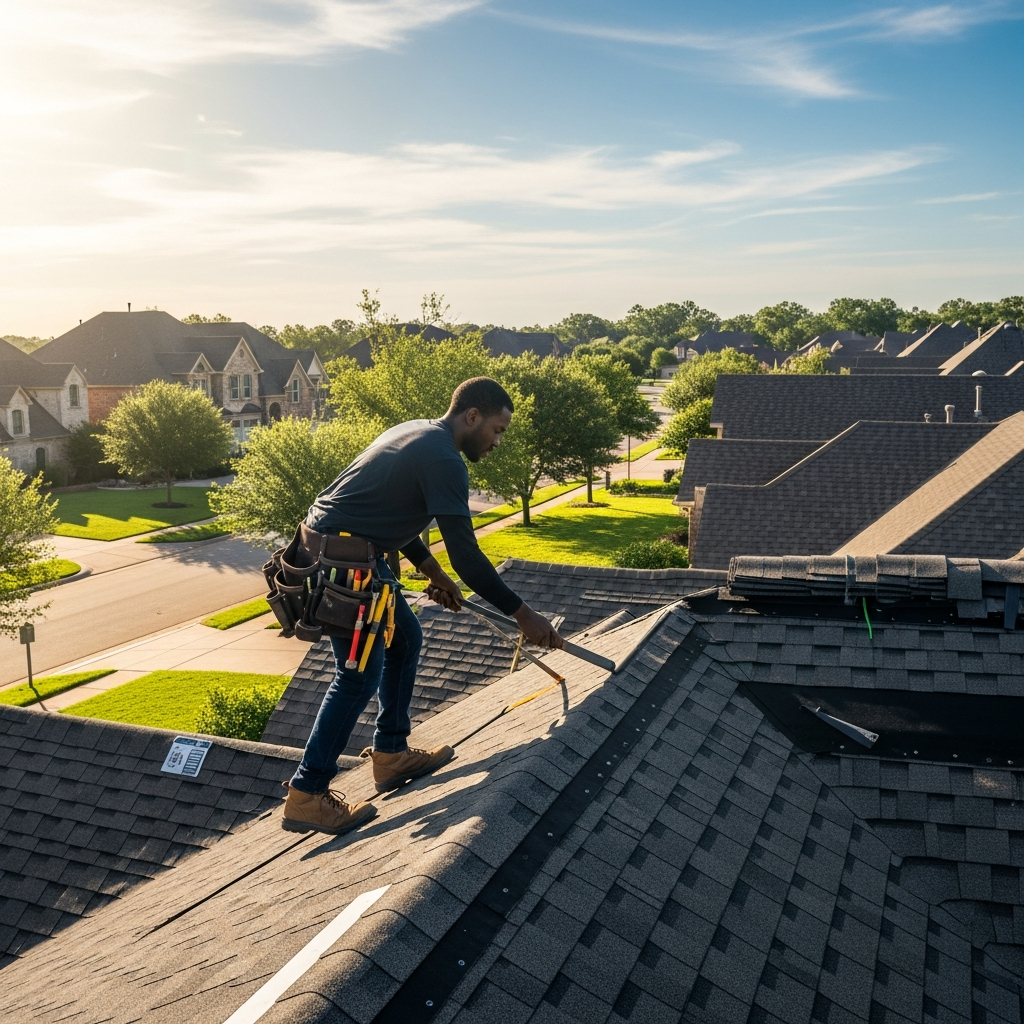
Demo day is intense – like watching your house get a buzzcut. The crew will strip everything down to the decking, and it’s louder than you think. We’re talking industrial-strength noise that makes normal conversation impossible.
Most Dallas crews start early (I mean *really* early) to beat the heat. By 6:30 AM, you’ll hear them setting up. Don’t panic when you see shingles flying off your roof – that’s literally their job. They’ll have a dumpster positioned strategically, though inevitably a few pieces will escape and play hide-and-seek in your landscaping.
Here’s something most people don’t realize: they’ll expose your entire roof structure during this phase. If it rains unexpectedly – and Dallas weather loves surprises – good contractors will have tarps ready faster than you can say “storm clouds.” But still… keep an eye on that forecast.
Installation Phase: Where the Magic Happens
Once the old stuff’s gone, the real artistry begins. First comes the underlayment – think of it as your roof’s underwear. Not glamorous, but absolutely essential. Ice and water shield goes around valleys and eaves, then synthetic underlayment covers everything else.
The actual shingle installation? It’s methodical, almost meditative to watch. Good roofers work in a rhythm – measure, cut, nail, repeat. They’ll start from the bottom and work up, overlapping each row like fish scales.
Pro tip: If you see workers skipping the chalk line step (those blue powder lines that ensure straight rows), speak up. Crooked shingle lines aren’t just ugly – they can create water penetration points down the road.
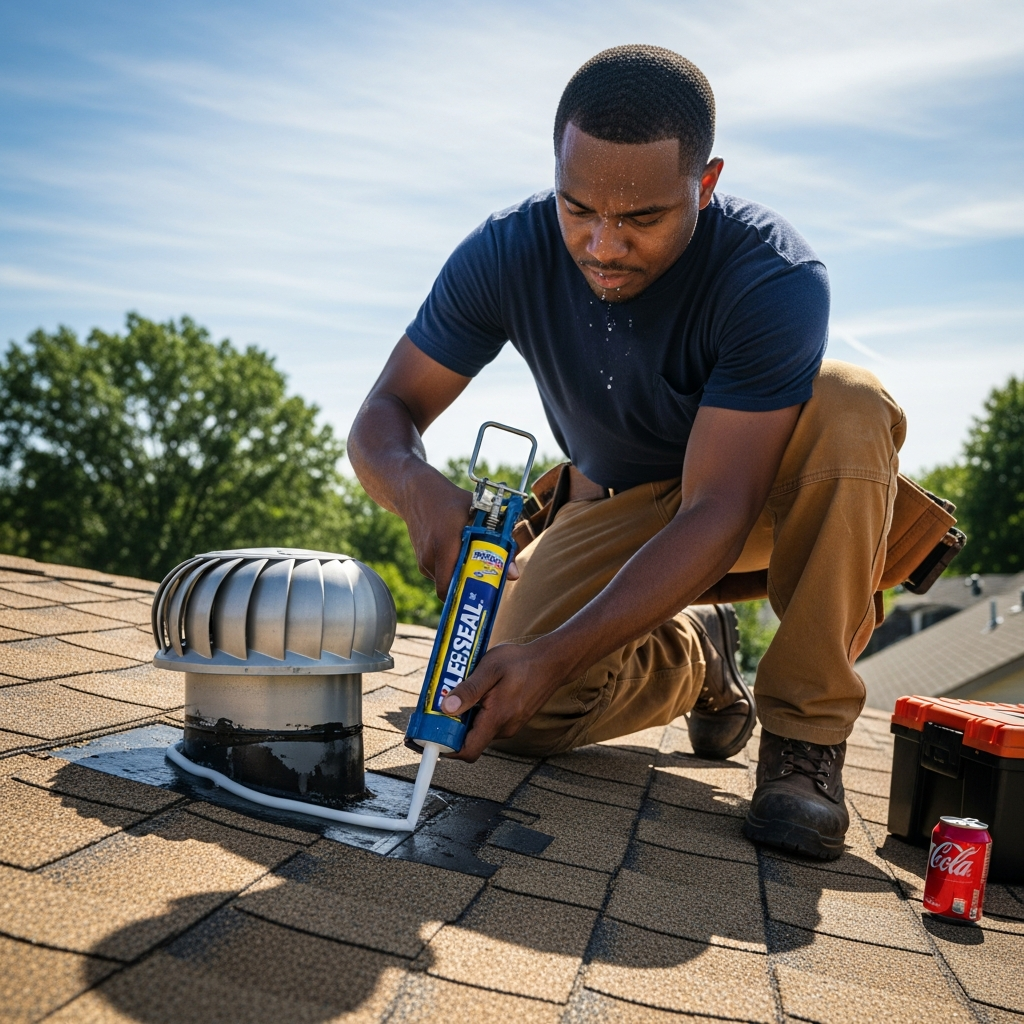
Quality crews will also replace pipe boots, vent covers, and step flashing around chimneys. Don’t let anyone convince you to “save money” by reusing old flashing. It’s like putting new tires on a car but keeping the old, cracked valve stems.
Managing the Chaos (Because It Will Be Chaotic)
Let’s be honest – your daily routine is about to get scrambled. That home office directly under where they’re working? Forget about taking calls there. The vibrations travel through the house structure, making everything rattle.
Stock up on ibuprofen and patience. Keep bottled water handy for the crew – Dallas heat is brutal, and hydrated workers do better work. Plus, it builds goodwill for when you need to discuss that one spot where the gutters don’t quite line up perfectly.
Communication becomes crucial during installation. Establish morning check-ins with the foreman. Ask about daily goals, weather concerns, and any discoveries (older Dallas homes love surprising everyone with hidden issues). Don’t hover constantly – these folks know their craft – but stay engaged.
Final Walkthrough: Your Quality Control Moment
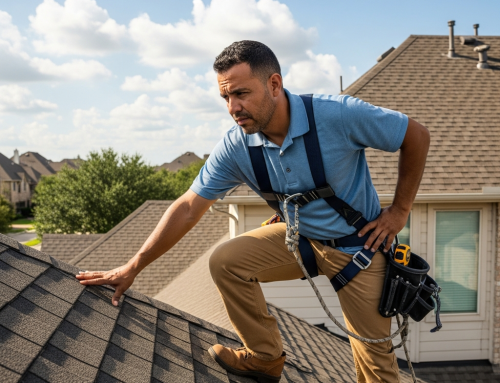
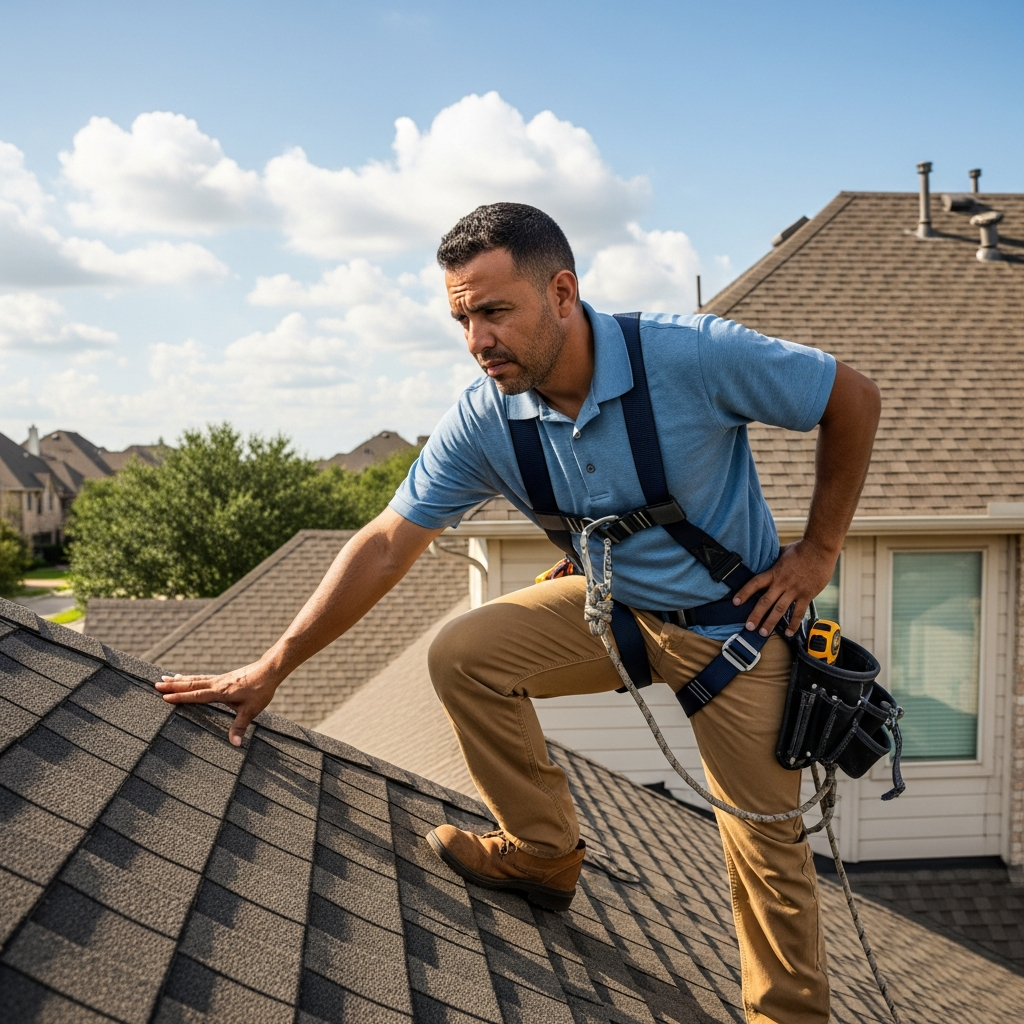
Before signing off on completion, grab a ladder and do your own inspection… actually, scratch that. Let the contractor do the ladder work while you observe from the ground with binoculars if needed.
Look for straight shingle lines, proper overhang at gutters, and clean flashing work around penetrations. Check that gutters are properly reattached and downspouts drain away from the foundation. Inside your house, inspect the attic for any new light spots (hint: there shouldn’t be any).
Most importantly, get that warranty paperwork organized immediately. File it somewhere you’ll remember – not in that kitchen drawer where important documents go to die. Your future self will thank you when it’s time for that first maintenance inspection.
The cleanup should be thorough too. A good crew will run magnets across your driveway and yard to catch stray nails. Because nothing ruins barefoot summer evenings quite like discovering a roofing nail with your foot.
The Weather Roller Coaster (And Your Sanity)
Let’s be real – Dallas weather is about as predictable as a toddler’s mood. One day you’re sweating through your shirt, the next you’re dodging golf ball-sized hail. Your contractor might tell you the project will take a week, but Mother Nature? She’s got other plans.
The biggest headache comes when storms roll in mid-project. Picture this: half your old roof is gone, new materials are stacked in your driveway, and the weather app is flashing tornado warnings. Not exactly the peaceful home improvement experience you imagined.
Here’s what actually works: Build buffer time into your expectations from day one. If your contractor says five days, mentally prepare for seven to ten. It’s not pessimism – it’s Dallas reality. Also, ask upfront about their weather protocols. Good contractors will have tarping systems ready and won’t leave your home exposed overnight, even if it means working longer hours to reach a safe stopping point.
The Noise Factor (And Your Neighbors’ Patience)
Nobody warns you about the sound level. I’m talking jackhammer-meets-thunderstorm loud. Starting at 7 AM. For days.
Your neighbors might start with polite smiles, but by day three of non-stop hammering, those smiles get a bit… strained. And if you work from home? Good luck taking any video calls during demo day.
The solution isn’t earplugs (though those help). Communication is everything. Talk to your neighbors before the project starts – maybe even bring them a bottle of wine or some cookies. Let them know the timeline, and ask if there are specific times that would be particularly disruptive for them. Most people are surprisingly understanding when they’re kept in the loop rather than ambushed by chaos.
The Great Material Shortage Mystery
Here’s something that’ll make your eye twitch: your contractor calls on Tuesday saying the shingles you picked are backordered for six weeks. The project was supposed to start Thursday.
This happens more than you’d think, especially with specific colors or premium materials. Supply chains are still wonky, and popular choices sometimes vanish overnight. It’s not necessarily your contractor’s fault, but it sure feels personal when you’re staring at a half-finished roof.
The real solution? Order materials earlier than feels necessary. Like, uncomfortably early. If your project is scheduled for March, have materials secured by January. Yes, you’ll need storage space (or pay for contractor storage), but you’ll avoid the nightmare of weather windows closing while you wait for supplies.
Insurance Company Shenanigans
Oh, the insurance dance… It starts simple enough. Storm damage, file a claim, get money, fix roof. Except your adjuster wants to argue about whether those missing shingles were “actually” storm damage or just normal wear. Then they want to depreciate everything down to basically nothing.
Meanwhile, your contractor is asking for payments, but insurance is holding up funds pending “additional documentation.” You’re caught in the middle, watching your savings account drain while two companies play bureaucratic ping-pong.
What actually helps: Get your contractor involved early in the insurance process. Experienced Dallas roofers know the local adjusters and understand what documentation they need. Don’t go it alone – let the professionals handle the technical arguments while you focus on keeping your sanity intact. Also, document everything yourself. Photos, receipts, conversations. Everything.
The Perfectionist Trap
You know what’s worse than a small imperfection? Obsessing over it for three months. Maybe one shingle sits slightly different, or the gutters don’t align perfectly with your mental image. Suddenly you’re out there with a measuring tape, convinced the entire project is ruined.
Here’s the thing – roofing isn’t cabinet making. It’s construction work happening 20 feet in the air, often in challenging weather. Some variation is normal, and most “flaws” you notice from the ground are completely invisible from anywhere else.
The key is setting realistic expectations upfront and trusting your contractor’s expertise. If something genuinely looks wrong, speak up. But also remember that your roof’s job is protection, not perfection. Sometimes good enough really is good enough… and that’s perfectly fine.
What to Expect Timeline-Wise
Let’s be honest here – roofing projects rarely go exactly as planned. I mean, we’re dealing with Texas weather, material deliveries, and the reality that sometimes you don’t know what you’re working with until you start peeling back those old shingles.
A typical residential roof replacement in Dallas takes anywhere from 3-7 days. That’s assuming we’re talking about a straightforward job – standard asphalt shingles, no major structural surprises, and Mother Nature cooperating. But here’s the thing… you should mentally prepare for it to take longer.
Weather delays are just part of life here. You know how Dallas weather works – it can be sunny and 75 degrees, then suddenly there’s a thunderstorm rolling in that nobody saw coming. Contractors can’t work in the rain (well, they shouldn’t), and they need dry conditions for proper installation. So if it’s storm season? Add a few extra days to your mental timeline.
Then there’s the discovery factor. Sometimes contractors strip off your old roof only to find rotted decking underneath, or outdated electrical that needs addressing, or – surprise! – a previous repair job that was done… let’s call it “creatively.” These aren’t anyone’s fault, really. They’re just the reality of working with older homes.
The Daily Rhythm You’ll Experience
Your days are going to start early – we’re talking 7 AM or even earlier during summer months. Roofers beat the heat by starting when it’s still relatively cool, which means you’ll hear activity before your first cup of coffee kicks in.
The noise level? It’s significant. There’s no sugarcoating this one. Between the tear-off, the nail guns, the equipment, and just general construction sounds… it’s loud. Really loud. If you work from home, you might want to set up shop at a coffee shop for a few days. Your pets probably won’t love it either – maybe consider a doggy daycare situation if your furry friends are particularly sensitive to noise.
You’ll also lose access to certain areas around your house. Contractors need space to move around, set up ladders, and have materials staged. Your beautiful flower beds might get temporarily trampled (good contractors will try to protect them, but accidents happen), and you definitely won’t want to park in your usual spot.
Communication That Actually Works
Here’s something I’ve learned from talking to hundreds of homeowners who’ve been through this process – the projects that go smoothest are the ones where communication flows freely from day one.
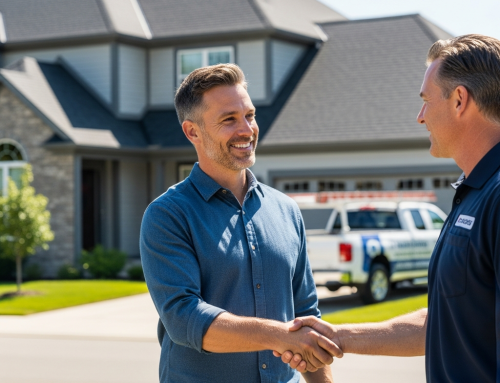
Your contractor should be giving you daily updates. Not necessarily formal reports, but at least a quick check-in about progress, any issues they’ve encountered, and what’s planned for tomorrow. If you’re not getting this kind of communication by day two… speak up. You’re not being pushy – you’re being a responsible homeowner.
Keep a running list of questions as they pop up. Don’t feel like you need to save them all for one big conversation. Text or call when you think of something – most contractors prefer this to getting blindsided with fifteen questions at once.
Preparing for the Unexpected
I always tell people to have a Plan B ready. What if the project runs longer than expected? What if you need to stay elsewhere for a night or two? What if your internet gets interrupted (it happens when they’re working around cables)?
Budget-wise, keep about 10-15% extra set aside for those surprise discoveries I mentioned earlier. You might not need it – and wouldn’t that be nice? – but having it available reduces stress if something unexpected pops up.
Also, document everything with photos. Take pictures of your property before work starts, during the process if you can do so safely, and definitely afterward. Not because you expect problems, but because it’s good practice and sometimes helpful for insurance purposes down the road.
When It’s All Over
The cleanup phase is crucial, and a good contractor will do multiple passes with a magnetic sweep to pick up nails and metal debris. Still, you’ll probably find the occasional nail in your driveway weeks later – it just happens.
Your contractor should walk you through the completed work, show you what they did, and explain any maintenance recommendations. Don’t be afraid to ask questions during this walkthrough. Actually, that reminds me – make sure you understand your warranty terms before they pack up and leave.
The whole experience can feel overwhelming while you’re in it, but most homeowners tell me afterward that it wasn’t as bad as they’d anticipated. Just… prepare yourself for a few days of controlled chaos.
Moving Forward with Confidence
Here’s the thing about roof replacement projects – they’re never just about shingles and nails. They’re about protecting what matters most to you… your family, your belongings, your peace of mind. And honestly? That can feel overwhelming, especially when you’re trying to navigate Dallas’s unique weather challenges and figure out which contractor won’t disappear after the first payment.
But you’ve already taken the biggest step by educating yourself. You know what to expect now – from those initial inspections (yes, even the ones that reveal more problems than you bargained for) to the final cleanup that actually leaves your property cleaner than when they started. You understand why that neighbor’s three-day roofing job probably isn’t the standard you want to aim for.
The timeline might stretch longer than you’d like. Weather delays happen – and in Dallas, they happen a lot. Your daily routine will get disrupted, and there’ll be noise. Lots of noise. Your dog might hide under the bed for a week, and you’ll probably find a random nail or two in your driveway months later. That’s all normal.
What’s not normal? A contractor who doesn’t return your calls, skips proper permits, or makes you feel rushed into decisions. Trust your instincts here. The right team will walk you through every step, answer your questions (even the ones you ask three times), and make sure you understand exactly what’s happening on your roof.
Remember, this investment isn’t just about curb appeal or checking something off your home maintenance list. A quality roof replacement can actually increase your home’s value, improve energy efficiency, and give you decades of protection. In Dallas’s climate – with our surprise hailstorms and scorching summers – that protection is worth every penny.
The best part? Once it’s done, it’s really done. No more climbing into the attic during rainstorms to check for new leaks. No more wincing every time the weather forecast mentions severe weather. You’ll actually look forward to the first big storm just to test out your new roof (though hopefully from inside, with a cup of coffee).
Ready to Take the Next Step?
If you’re feeling ready to move forward with your roof replacement, or even if you’re still on the fence and have more questions, we’d love to help. We’ve guided hundreds of Dallas homeowners through this exact process, and we know how to make it as smooth as possible.
Whether you need help choosing the right materials for our climate, want a realistic timeline for your specific situation, or just need someone to explain why your neighbor’s cousin probably isn’t the best choice for a roofing contractor… we’re here for you.
Don’t let another season pass worrying about your roof. Reach out today – we’ll start with a no-pressure consultation where we actually listen to your concerns and explain your options clearly. Because the sooner you start, the sooner you’ll have that amazing feeling of knowing your home is truly protected.