7 Qualities of a Reliable Roofing Contractor in Garland
The first raindrop hits your ceiling at 2 AM.
You’re lying there in the dark, listening to that unmistakable *plink… plink… plink* of water finding its way where it absolutely shouldn’t be. Your heart sinks faster than that water’s dripping into the bucket you’ll inevitably have to grab from the kitchen. And suddenly, you’re wide awake with one thought racing through your mind: “How am I supposed to find someone to fix this… and how do I know they won’t make it worse?”
If you’ve been through this nightmare – or you’re smart enough to want to avoid it altogether – you know that finding the right roofing contractor isn’t just about getting the job done. It’s about peace of mind. It’s about not getting taken advantage of when you’re vulnerable. It’s about knowing that the person climbing onto your biggest investment actually knows what they’re doing up there.
Here’s the thing about Garland homeowners… we’ve seen it all. Those spring storms that roll through with a vengeance, leaving half the neighborhood scrambling for contractors. The summer heat that bakes shingles until they crack like old leather. And don’t even get me started on what a Texas hailstorm can do to a roof – it’s like Mother Nature decided to play baseball with your house as the target.
But here’s what makes it even trickier: after every major storm, the vultures circle. You know the ones – they show up at your door with a clipboard and a too-good-to-be-true estimate, promising they can start “right away.” Some are legitimate contractors trying to help. Others? Well, let’s just say they’re more interested in your insurance check than your actual roof.
I’ve watched neighbors go through absolute horror stories. Like my friend Sarah, who hired what seemed like a reputable company only to have them disappear halfway through the job… in the middle of rainy season. Or Tom down the street, who got such shoddy work that he ended up paying twice – once for the original “fix” and again for someone to actually do it right.
The truth is, your roof isn’t just some abstract part of your house. It’s literally what stands between your family and everything the Texas sky wants to throw at you. When it fails, everything you care about is at risk – your belongings, your safety, your financial stability. That’s a lot of pressure to put on a few layers of shingles and some wooden beams.
So how do you separate the heroes from the zeros? How do you find someone who’ll treat your home with the same care they’d show their own grandmother’s house?
That’s exactly what we’re going to figure out together. Because while you can’t control when your roof decides to give up (it always seems to happen at the worst possible moment, doesn’t it?), you absolutely can control who you trust to fix it.
We’re going to walk through the seven non-negotiable qualities that separate the contractors you can count on from the ones who’ll leave you with bigger problems than you started with. These aren’t just nice-to-haves – they’re your armor against getting scammed, abandoned, or stuck with work that creates more headaches than it solves.
You’ll learn how to spot the red flags that should send you running… and just as importantly, the green flags that signal you’ve found someone worth trusting with your home. We’ll talk about what questions to ask (and what answers should make you nervous), how to verify that someone’s actually qualified to be on your roof, and why the cheapest bid often ends up being the most expensive mistake you’ll ever make.
Because here’s what I’ve learned after years of watching Garland homeowners navigate this process: the stress of needing roof work doesn’t have to be compounded by the stress of wondering if you chose the right person to do it. When you know what to look for, finding a reliable contractor becomes less like gambling and more like… well, like making any other smart decision about your home.
Ready to never lose sleep over a roofing contractor decision again?
Why Your Choice of Contractor Actually Matters More Than You Think
You know that feeling when you’re standing in your driveway, looking up at your roof after a storm, wondering if those dark spots are just shadows or… something worse? Yeah, that pit-in-your-stomach moment when you realize you might need professional help.
Here’s the thing about roofing – it’s not like hiring someone to paint your living room. If your painter messes up, you’re out some money and dealing with an eyesore for a while. But if your roofer cuts corners? You could be looking at water damage, mold, structural issues, and repair bills that’ll make your head spin faster than a Texas tornado.
The roofing industry has this weird reputation – and honestly, some of it’s deserved. You’ve probably heard the horror stories: contractors who disappear after taking deposits, “storm chasers” who roll through neighborhoods after bad weather promising quick fixes, or companies that seem great until something goes wrong and suddenly your calls go straight to voicemail.
The Texas Weather Factor (Because Mother Nature Doesn’t Mess Around)
Living in Garland means your roof takes a beating that folks in, say, San Diego just can’t imagine. We’re talking hail that can dent your car, winds that’ll lift shingles like they’re playing cards, and summer heat that bakes everything to a crisp. Then there’s the occasional ice storm – because why not throw freezing temperatures into the mix?
This climate reality means your contractor needs to understand more than just “how to nail shingles to wood.” They need to get thermal expansion, proper ventilation for our scorching summers, and how different materials hold up when Mother Nature decides to throw her periodic tantrums.
Actually, that reminds me – I once talked to a homeowner who hired what seemed like a legitimate company, only to discover they’d used the wrong type of underlayment for our climate. Everything looked fine from the ground, but the next summer’s heat basically cooked the material from the inside out. Expensive lesson.
The Insurance Maze (More Complicated Than It Should Be)
Here’s where things get… well, messy. Insurance companies and roofing work go together like oil and water – they mix, but it takes constant stirring to keep everything stable.
A reliable contractor doesn’t just know how to install roofing materials; they understand the insurance game. They know what documentation adjusters want, how to communicate damage in ways that insurance companies recognize, and – this is huge – they won’t pressure you to sign over your insurance check before the work’s even started.
Storm damage claims are particularly tricky in our area. Some contractors will tell you they can “guarantee” your insurance will cover everything, or worse, they’ll offer to “eat your deductible” (which, by the way, is often insurance fraud). A trustworthy contractor will be honest about what insurance typically covers and what might come out of your pocket.
The Technical Stuff (Without Making Your Eyes Glaze Over)
Roofing might look straightforward from the ground – after all, it’s just keeping water out, right? But there’s actually a surprising amount of technical knowledge involved. Your contractor needs to understand load calculations, local building codes, proper flashing techniques, and ventilation requirements.
Think of your roof system like… okay, imagine it’s a really complicated sandwich. You’ve got multiple layers that all need to work together – decking, underlayment, shingles or other materials, flashing around penetrations, gutters, ventilation components. If any layer fails or isn’t properly installed, the whole system can fail.
Local Knowledge Isn’t Just Nice to Have
Garland has its own quirks – specific permitting requirements, local building codes, even microclimates that affect how certain materials perform. A contractor who works all over the Dallas metroplex might know the basics, but someone who really understands our area will know which neighborhoods tend to have certain foundation settling patterns (which affects roof lines), how local soil conditions impact drainage around homes, and which materials hold up best in our specific weather patterns.
Plus, let’s be practical – if something goes wrong six months down the road, you want a contractor who’s actually going to be around to fix it. National chains and fly-by-night operations don’t exactly have the same investment in maintaining their reputation within the community.
The reality is, choosing a roofing contractor is part technical evaluation, part gut check, and part detective work. But knowing what to look for makes all the difference.
Ask the Right Questions Before You Sign Anything
Here’s what separates the pros from the wannabes – ask them about their material suppliers. A reliable contractor won’t just say “Home Depot” or shrug. They’ll tell you about their relationships with local distributors, maybe mention how they’ve worked with GAF or Owens Corning for years.
When they start talking about “architectural shingles versus three-tab” without you even asking? That’s a good sign. You want someone who gets a little nerdy about roofing materials because, honestly, your roof isn’t the place to wing it.
Also – and this might sound weird – ask about their cleanup process. I’ve seen too many homeowners dealing with nails in their driveways months after a job. The good contractors use magnetic sweepers and actually care about leaving your property better than they found it.
Red Flags That Should Make You Walk Away
Door-to-door roofers after a storm… just don’t. I know it’s tempting when someone shows up saying they noticed damage, but legitimate contractors are usually booked solid after severe weather. They’re not wandering neighborhoods looking for work.
Watch out for the pressure tactics too. “This price is only good today” or “I can start tomorrow if you sign now” – that’s not how quality roofing works. Good contractors have schedules, permits to pull, and materials to order. If they’re pushing for an immediate start, they’re probably cutting corners somewhere.
And here’s something most people miss: be suspicious of estimates that are way higher OR way lower than others. The sweet spot is usually in the middle. That rock-bottom bid? They’re planning to make up the difference somewhere – maybe with cheap materials or rushed work.
The Insurance Dance (And Why It Matters More Than You Think)
If you’re dealing with storm damage, find a contractor who actually understands insurance. Not just “we work with insurance” – I mean someone who can explain the difference between ACV and replacement cost coverage without stumbling.
Here’s an insider tip: the best contractors will meet with your adjuster. They’ll point out damage you might have missed (like those sneaky granule patterns that show impact damage). A contractor who just says “send me the check” probably isn’t fighting hard enough for your claim.
Also? Make sure they understand Garland’s permitting process. The city has gotten stricter about inspections, and you don’t want surprises halfway through your project.
Get the Details in Writing (Seriously, Everything)
The contract should spell out more than just “new roof.” You want specifics: what type of underlayment, how many layers of old shingles they’re removing, even how they’re protecting your landscaping.
Actually, here’s something most people don’t think about – ask about ventilation upgrades. Garland’s heat is brutal, and proper attic ventilation can save you serious money on cooling costs. A good contractor will bring this up without you having to ask.
Make sure the timeline is realistic too. A whole roof replacement isn’t a weekend project, despite what some contractors might promise. Weather delays happen, especially during our unpredictable Texas springs.
The Final Walkthrough That Actually Matters
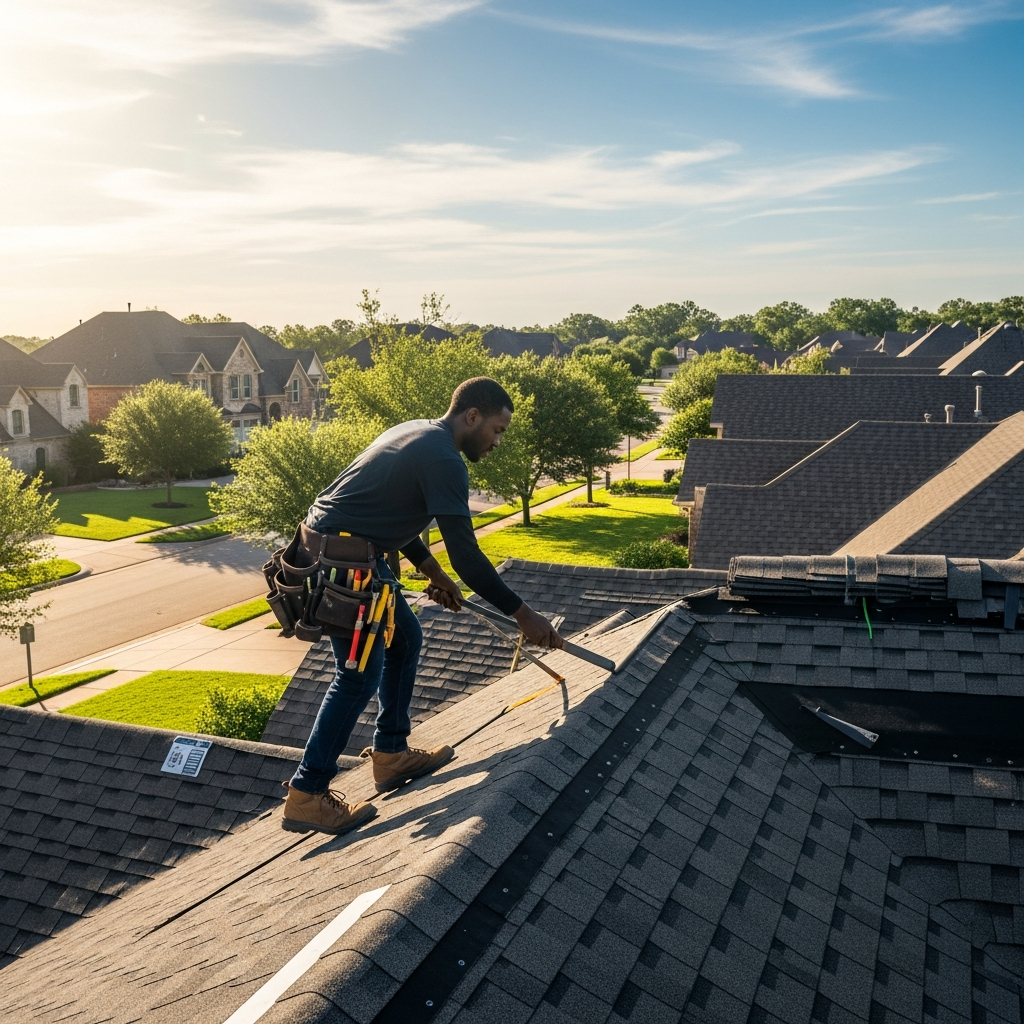
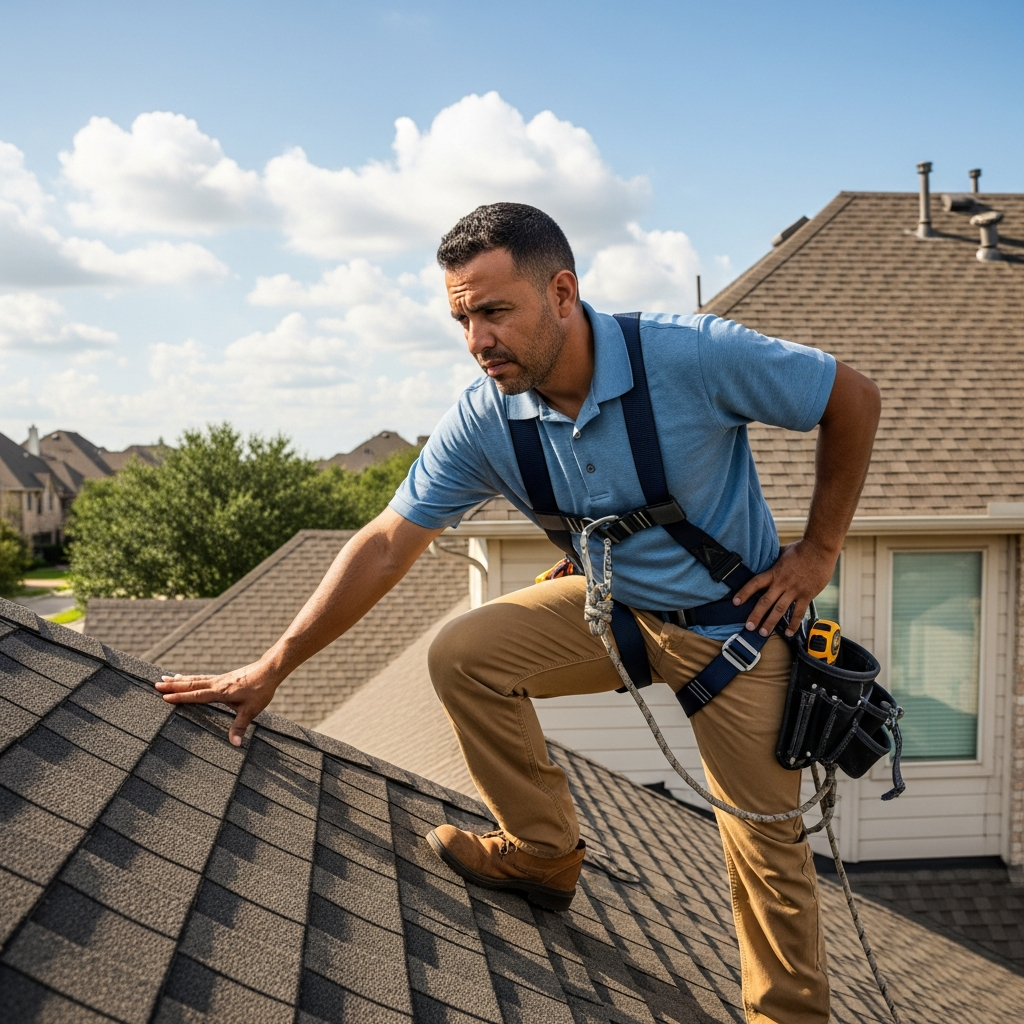
Don’t just glance up at your new roof and call it good. Get up there with your contractor (safely, of course) for the final inspection. Check the flashing around chimneys and vents – that’s where most leaks start.
Look at the gutters too. Did they clean them out? Reset them properly? These details matter more than you’d think, especially with our intense summer storms.
And here’s something I wish more homeowners knew: take pictures of everything. Not just the finished product, but the work in progress. If issues come up later, you’ll have documentation of what was actually done.
Trust Your Gut (But Verify Everything)
Sometimes a contractor just feels off, even if their paperwork looks good. Maybe they’re evasive about references or pushy about payment terms. Listen to that instinct.
But also verify their claims. Call those references. Drive by recent jobs if you can. Check with the Better Business Bureau – not because their rating is gospel, but because you want to see how they handle complaints.
The right contractor for your Garland home is out there. They’ll answer your questions without getting defensive, show up when they say they will, and treat your property like it’s their own. Don’t settle for less just because roofing decisions feel overwhelming.
The Red Flags You’ll Actually Miss (And Why)
Here’s the thing about choosing a roofing contractor – you’re probably going to focus on all the wrong stuff at first. Most homeowners get caught up in the lowest bid or the flashiest website, when honestly? Those might be warning signs, not green lights.
The biggest trap is the door-to-door guy who shows up right after a storm. I get it, your roof’s damaged and here’s someone offering to help immediately. But think about it… legitimate contractors don’t need to chase storms. They’ve got more work than they can handle already. These storm chasers often disappear faster than they arrived – sometimes with your deposit.
Solution: If someone knocks on your door, ask for local references from jobs they completed over a year ago. Real contractors will have them. Scammers won’t.
When “Fully Insured” Doesn’t Mean What You Think
This one trips up nearly everyone. A contractor says they’re insured, you feel relieved, and you move on. But here’s what you’re not asking – and what could cost you thousands.
There are different types of insurance, and some contractors only carry the bare minimum. They might have general liability but no workers’ compensation. Guess what happens if someone gets hurt on your property? Your homeowner’s insurance becomes the target.
I’ve seen homeowners get hit with six-figure lawsuits because they didn’t verify their contractor’s coverage was comprehensive. It’s not fun paperwork, but it’s critical paperwork.
Solution: Ask for certificates of insurance directly from their insurance company – not just a copy from the contractor. Call the insurance company to verify coverage is current. Yes, it’s extra steps, but so is bankruptcy.
The Estimate Game That Everyone Loses
You’ll get three estimates like everyone tells you to. Smart move. But then you’ll probably pick the middle one, thinking it’s the “reasonable” choice. Sometimes that works out… and sometimes you just picked mediocre at a medium price.
Here’s what makes estimates actually hard to compare: contractors include different things. One might include gutters, another might not. One allows for unexpected problems, another lowballs assuming everything goes perfectly (spoiler alert: it never does).
The real challenge? Knowing what questions to ask when the estimates are wildly different. A $15,000 gap between quotes usually means someone’s not including something important – or someone’s padding their numbers.
Solution: Make each contractor walk you through their estimate line by line. Ask specifically about permits, cleanup, disposal, and what happens if they find additional damage. Get it all in writing, even the verbal “oh, we’ll handle that” promises.
The Timeline Tango
Every contractor will give you a timeline. “Should take about a week,” they’ll say. Then week three rolls around and you’re still living with tarps. This isn’t always the contractor’s fault – weather, material delays, and discovering your roof has issues from 1987 can derail any schedule.
But some contractors overpromise because they know you want to hear “quick turnaround.” Others genuinely don’t know how to estimate because they’re inexperienced. Either way, you’re left wondering if you chose wrong.
The tricky part is distinguishing between reasonable delays and red flags. Rain delays? Normal. Taking three days off to start another job? Not normal.
Solution: Ask for a written timeline with specific milestones, not just “we’ll be done in a week.” Include weather contingencies and material delivery windows. Most importantly, establish how they’ll communicate delays – before you’re wondering where everyone went.
When Good Reviews Go Bad
Online reviews feel straightforward, right? High stars, happy customers, easy choice. But reviews can be manipulated, bought, or artificially inflated by contractors who know how to game the system.
Even legitimate good reviews might not tell the whole story. That five-star review from six months ago? The customer might not have discovered problems yet. Some roofing issues don’t show up until the next heavy rain… or the one after that.
Solution: Look for patterns in negative reviews – are there recurring complaints? Check recent reviews more heavily than old ones. Better yet, ask the contractor for references you can actually call. Most homeowners don’t mind a quick phone conversation if it helps a neighbor make a good choice.
The bottom line? Trust your gut, but verify everything your gut tells you. If something feels off – even if you can’t pinpoint why – keep looking. Good contractors understand that roofing decisions are stressful and won’t pressure you to sign immediately.
What to Expect During Your First Meeting
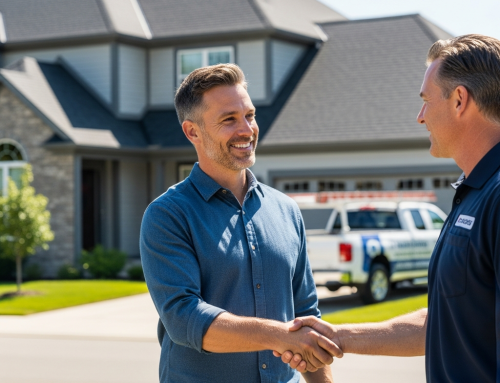
Your initial consultation shouldn’t feel like a high-pressure sales pitch. A reliable contractor will spend time actually listening to your concerns – whether that’s a leak that’s been driving you crazy or you’re just tired of looking at those worn shingles. They’ll ask questions about your timeline, budget concerns, and what you’re hoping to achieve.
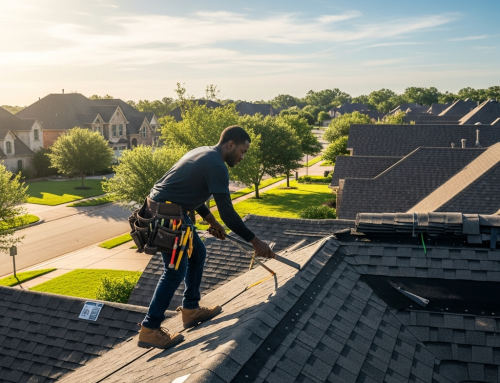
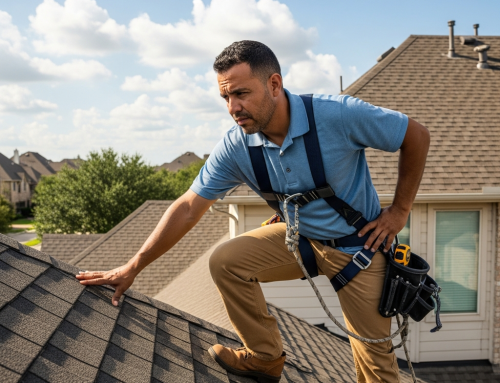
Don’t be surprised if they climb up on your roof (weather permitting) or at least walk around your house with a ladder. The good ones want to see the actual situation, not just give you a ballpark figure from the ground. This inspection usually takes 30-45 minutes, and honestly? If someone’s trying to rush through it, that’s your first red flag.
Most reputable contractors in Garland will provide a written estimate within 24-48 hours. Some might have preliminary numbers that day, but the detailed breakdown – materials, labor, timeline – that comes after they’ve had time to properly calculate everything.
Understanding Realistic Timelines
Here’s where expectations often get a bit… complicated. That contractor who promises to start next week? During peak season in Texas (hello, spring storm damage), they’re probably either overbooked or not as in-demand as you’d want them to be.
Quality contractors typically book 2-4 weeks out, sometimes longer during busy periods. I know, I know – when you’ve got a leak, waiting feels impossible. But think of it this way: would you rather wait for the surgeon everyone recommends, or go with whoever’s available right now?
The actual roofing work varies wildly depending on your project. A simple shingle replacement on a standard ranch home? Maybe 1-3 days if weather cooperates. Complex roof with multiple angles, chimneys, and skylights? Could be a week or more. And here’s the thing nobody tells you – weather delays are completely normal. Texas storms don’t check your contractor’s schedule.
The Contract and Payment Process
A reliable contractor will never – and I mean never – ask for full payment upfront. That’s just not how legitimate roofing works. Most follow a structure something like: small deposit to secure materials and scheduling (usually 10-20%), progress payments as work completes, and final payment when you’re satisfied with everything.
The contract should spell out everything. Materials (specific brands and grades, not just “shingles”), timeline, cleanup responsibilities, warranty details, and what happens if they discover additional issues once they start tearing things off. Because sometimes they do find surprises up there – rotted decking that looked fine from below, or previous repairs that weren’t done properly.
Speaking of surprises… budget for them. Not trying to be a pessimist here, but having an extra 10-15% cushion can save you stress if they uncover something that needs addressing.
Communication Throughout the Project
You shouldn’t have to wonder what’s happening with your roof. Good contractors check in regularly – not necessarily every day, but they’ll let you know about progress, any delays, or concerns that pop up.
Weather delays happen. A lot. Your contractor should communicate these quickly, not leave you wondering why nobody showed up. Same goes for material delays – sometimes specific shingles or flashing materials take longer to arrive than expected.
What Happens After Completion
The job isn’t done when the last nail gets hammered. Your contractor should do a thorough cleanup (including magnetic sweeps for nails – trust me, you don’t want to find those with your tires later), a final walkthrough with you, and provide all warranty documentation.
Most reliable contractors also do a follow-up call or visit within a few weeks to make sure everything’s settling well and answer any questions. Some even do annual check-ins, which… honestly, is pretty nice when you find someone who actually cares about the long-term relationship.
Setting Yourself Up for Success
Keep communication lines open, but don’t micromanage. Ask questions when you have them, but understand that good contractors know their process. Take photos of the work progress if you want – most contractors are fine with this, and it’s helpful for insurance documentation.
And remember, the cheapest bid isn’t always the best value. You’re not just buying materials and labor; you’re buying expertise, reliability, and peace of mind. That’s worth something, especially when it’s protecting everything you’ve worked for underneath that roof.
Finding Your Perfect Roofing Partner
You know what? Choosing the right contractor doesn’t have to feel like you’re playing roulette with your home’s biggest asset. When you’ve got a clear picture of what to look for – proper licensing, solid insurance, transparent communication, fair pricing, quality materials, proven experience, and genuine care for their community – the decision becomes so much clearer.
Think of it this way: your roof is like the guardian of everything you hold dear. Your family photos, that cozy reading nook, the kitchen where you make Sunday morning pancakes… it’s all sheltered under those shingles. That’s exactly why settling for anything less than exceptional just isn’t worth the risk.
The contractors who truly get it? They understand they’re not just installing roofing materials – they’re protecting your peace of mind. They’ll show up when they say they will, explain things in plain English (none of that technical jargon that makes your eyes glaze over), and treat your property like it’s their own grandmother’s house. These are the folks who’ll still answer your calls two years later if you notice something that doesn’t look quite right.
Here in Garland, we’re blessed with plenty of options, but that can actually make the choice feel overwhelming. Should you go with the big national chain or the local family business? The lowest bidder or someone in the middle range? Sometimes the answer isn’t immediately obvious, and that’s perfectly normal.
What I’ve learned from years of helping homeowners navigate these decisions is that your gut instinct usually knows more than you think it does. If something feels off during that initial consultation – maybe they’re pushing too hard for an immediate signature, or they can’t provide local references, or their insurance documentation seems sketchy – trust that little voice in your head.
On the flip side, when you meet a contractor who genuinely listens to your concerns, explains the process clearly, and makes you feel like you’re in capable hands… well, that feeling of relief is pretty unmistakable. It’s like finally finding a mechanic who doesn’t make you feel foolish for asking questions about your car.
We’re Here When You Need Us
Look, we know roof problems don’t exactly fit neatly into your schedule. Whether you’re dealing with storm damage that can’t wait, planning ahead for a replacement you’ve been putting off, or just want someone to take a look at those suspicious water spots on your ceiling – we’re here to help.
At our medical weight loss clinic… wait, I think I got my notes mixed up there!
Let me start that over – if you’re feeling uncertain about your roofing situation, don’t let that worry keep you up at night. A quick conversation can often clear up a lot of confusion and help you understand exactly what you’re dealing with. Sometimes it’s a simple repair, sometimes it’s time for something bigger, but either way, knowing where you stand beats wondering and worrying.
Give us a call, and let’s talk about what’s going on with your roof. No pressure, no sales pitch – just honest answers from people who actually care about keeping Garland homes safe and dry.