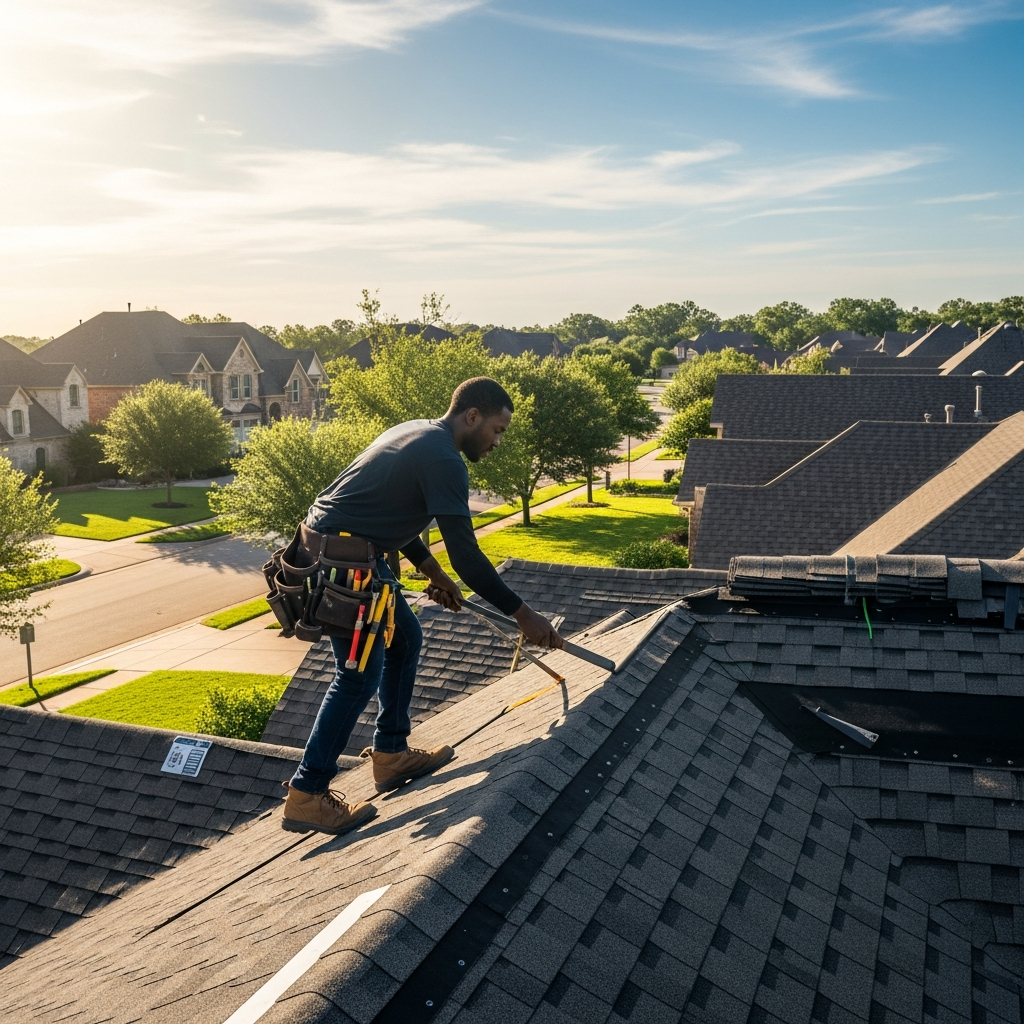
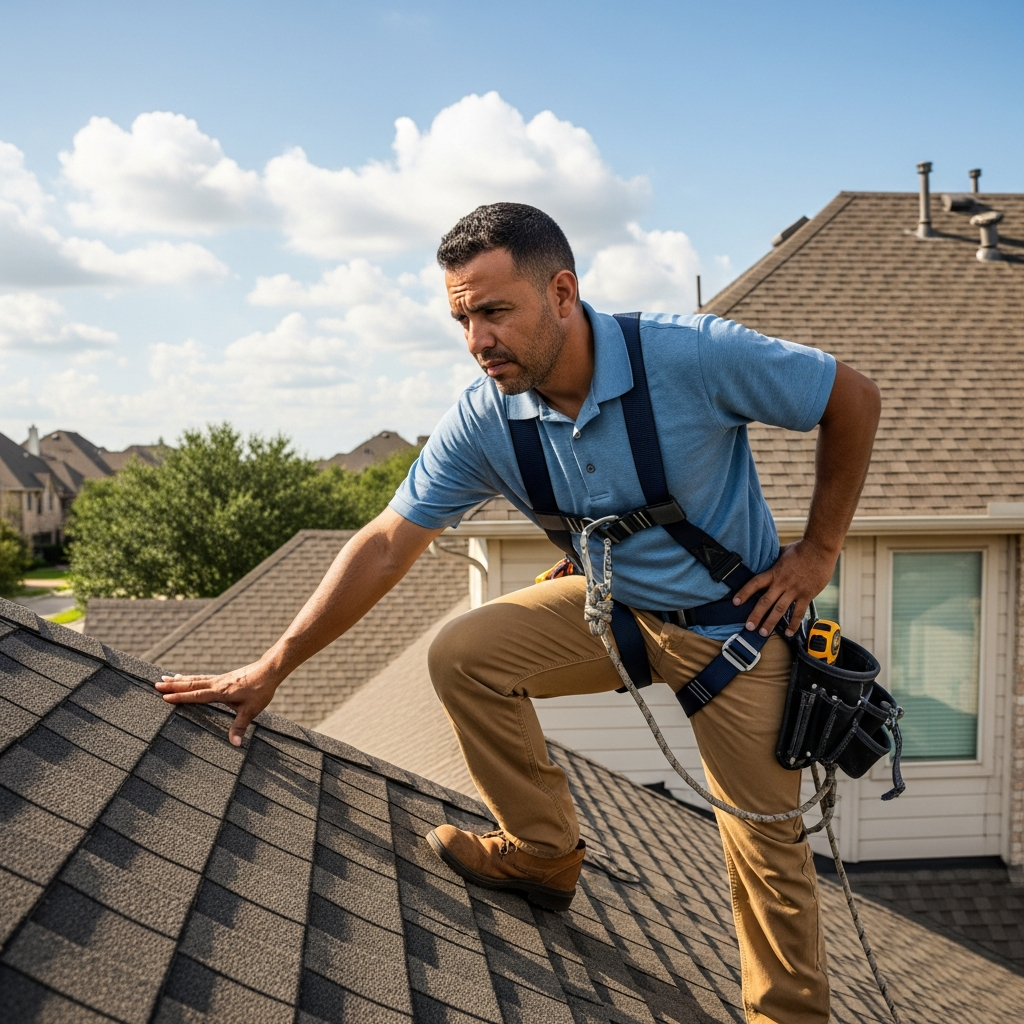
Roof Repair Done Right by Professional Roofing Contractors in Garland
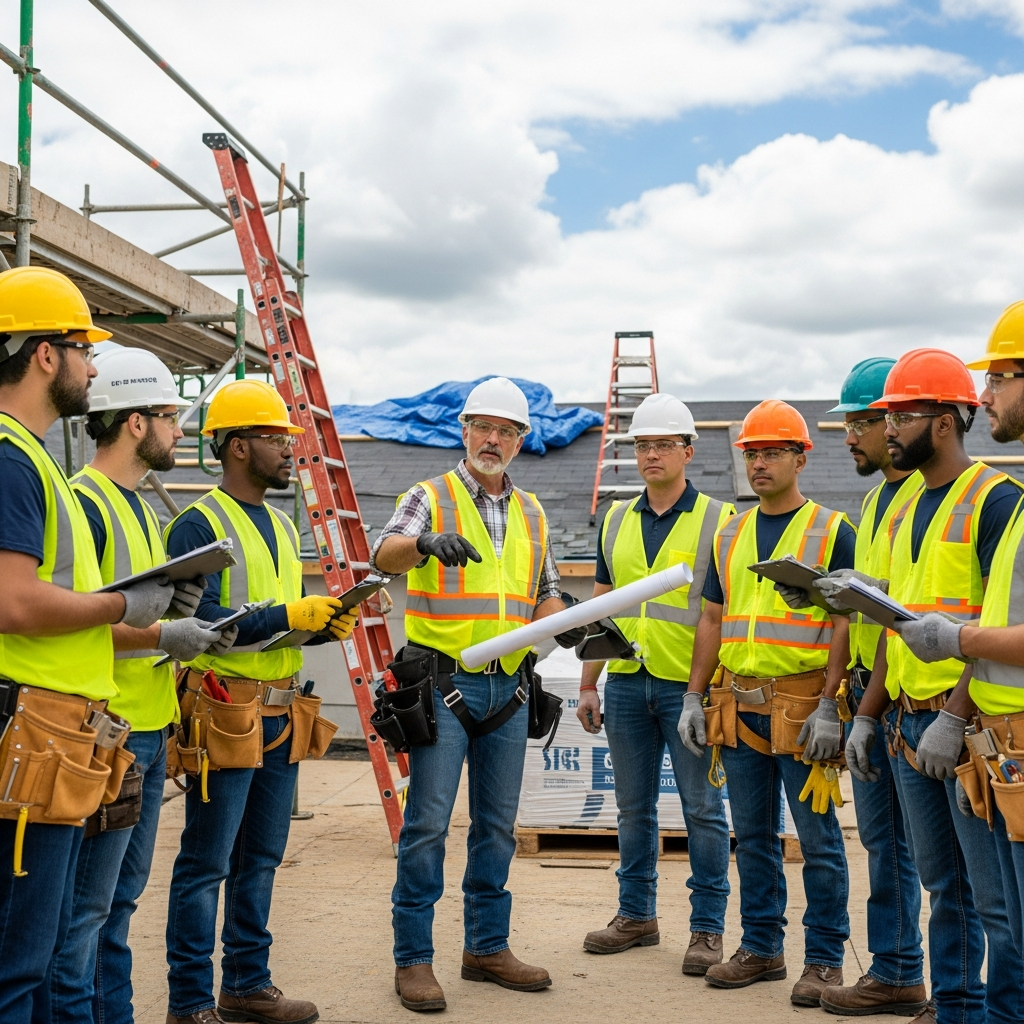
The first raindrop hits your forehead at 2:47 AM.
You’re lying in bed, half-asleep, when that cold, unexpected splash jolts you awake. For a split second, you wonder if you’re dreaming… then another drop lands squarely on your nose. Your heart sinks as reality crashes down along with that steady *drip, drip, drip* echoing through your bedroom.
Welcome to every homeowner’s nightmare – the midnight roof leak.
Maybe it wasn’t rain that woke you up. Maybe you noticed those suspicious dark spots spreading across your ceiling like a slow-motion stain. Or perhaps you’ve been putting off that “small” repair for months, telling yourself it’s fine, it’s manageable, you’ll get to it… until suddenly it’s not fine anymore.
Here’s the thing about roofs – they’re a lot like that friend who never complains. They silently protect you through blazing Texas summers, brutal hailstorms, and those surprise November tornadoes that seem to pop up out of nowhere in Garland. Day after day, year after year, your roof takes a beating and rarely makes a sound. Until the day it can’t take anymore.
And when your roof finally speaks up? It doesn’t whisper. It shouts.
You know what’s really frustrating? The internet is packed with DIY roof repair videos that make it look as simple as spreading peanut butter on toast. “Just slap some sealant on there!” they say. “Anyone can replace a few shingles!” Sure, and anyone can perform brain surgery if they watch enough YouTube videos, right?
The truth is, roofing in Garland isn’t just about hammering down loose shingles. We’re talking about North Texas weather – where your roof might face scorching 105-degree heat one week and golf ball-sized hail the next. The clay soil here shifts more than a teenager’s mood, which means your house is constantly settling and moving in tiny ways that put stress on every nail, every seal, every connection up there.
That’s before we even get into the insurance maze. Ever tried to file a hail damage claim without proper documentation? It’s like trying to solve a Rubik’s cube blindfolded… while riding a unicycle.
Professional roofing contractors in Garland – the good ones, anyway – understand something that weekend warriors don’t. They know that a twenty-dollar tube of caulk might stop today’s leak, but it won’t address the underlying issue that caused it. They see the bigger picture, literally from 20 feet up, and they know how to spot the warning signs that most homeowners miss completely.
Think about it this way: when your car makes a weird noise, you don’t just turn up the radio louder. You take it to a mechanic who can figure out if it’s a simple belt replacement or something that could leave you stranded on I-30 during rush hour. Your roof deserves the same respect.
But here’s where it gets tricky – not all roofing contractors are created equal. Some will show up after a hailstorm like door-to-door salespeople, promising quick fixes and insurance claim miracles. Others have been quietly serving Garland families for decades, building their reputation one properly installed shingle at a time.
The difference between a hack job and quality roofing work isn’t always obvious from the ground. But five years down the road? Oh, you’ll know. Trust me, you’ll know.
So whether you’re dealing with an emergency leak, planning ahead for storm season, or just tired of wondering if those loose shingles are going to end up in your neighbor’s pool after the next big wind… we’re going to walk through everything you need to know about getting roof repair done right in Garland.
We’ll talk about spotting red flags, asking the right questions, understanding what quality work actually looks like, and – yeah – navigating that insurance claim process without losing your sanity. Because at the end of the day, your family deserves a roof that protects them, not one that keeps you awake at night wondering when the next drip is coming.
Why Your Roof is More Complex Than You Think
You know how you never really think about your liver until something goes wrong? That’s basically your roof in a nutshell. It’s this massive, complex system working 24/7 to keep you dry, comfortable, and – let’s be honest – not dealing with water damage that’ll cost you your firstborn child to fix.
But here’s where it gets tricky. Most homeowners look up at their roof and see… well, shingles. Maybe some gutters. That’s like looking at a car and only seeing the paint job. Your roof is actually a carefully orchestrated symphony of materials, each playing a specific role. You’ve got underlayment (think of it as waterproof underwear for your house), flashing around chimneys and vents, ventilation systems, and drainage components that all need to work together.
When one piece starts failing – and trust me, they will – it’s rarely just that one piece you need to worry about.
The Domino Effect Nobody Warns You About
Here’s something that might surprise you: most roof “emergencies” actually start months or even years before you notice them. That tiny leak near your bathroom vent? It’s been slowly rotting the wood underneath, creating the perfect environment for mold, and probably compromising your insulation.
I’ve seen homeowners discover what they thought was a simple shingle replacement turned into a full deck rebuild because water had been playing hide and seek in their attic for two seasons. It’s like finding out that headache you’ve been ignoring is actually because you need glasses – the symptom and the real problem aren’t always obviously connected.
This is why professional contractors in Garland spend so much time on diagnostics. They’re not trying to upsell you (well, the good ones aren’t) – they’re trying to catch those hidden issues before they turn your roof repair into a roof replacement.
Material Science Meets Texas Weather
Now, let’s talk about materials for a second because this is where things get genuinely fascinating… and slightly overwhelming. The roofing industry has basically exploded with options over the past decade. You’ve got architectural shingles that look like slate but won’t bankrupt you, metal roofing that’ll outlast your mortgage, and synthetic materials that promise to survive everything short of a direct meteor strike.
But here’s the thing – and this is where working with local Garland contractors becomes crucial – not every “amazing” roofing material plays nice with North Texas weather. You know how some people just can’t handle humidity? Same concept. A material that performs beautifully in Colorado might curl up and die in our heat-humidity-hail trifecta.
The Inspector’s Eye vs. Your Eye
Professional roofing contractors see things you literally cannot see. Not because they have superhuman vision (though after 20 years climbing around roofs, they might as well), but because they know what to look for and where problems typically hide.
That slight discoloration around your chimney flashing? Could be nothing. Could be the beginning of a leak that’ll cost you thousands if left alone. Those granules collecting in your gutters? Normal aging or sign of accelerated deterioration? The difference between these scenarios often determines whether you’re looking at a $500 repair or a $15,000 replacement.
It’s like the difference between you checking your own pulse and having a cardiologist listen to your heart – you might catch the obvious stuff, but they’re trained to detect the subtle warning signs.
Why “Good Enough” Isn’t Good Enough
Here’s something that drives quality contractors absolutely crazy: the “good enough” mindset. Maybe it’s because roofing work happens above your head, literally out of sight and out of mind. But cutting corners on roof repairs is like using duct tape to fix a brake line – it might hold for a while, but when it fails, it fails spectacularly.
Professional installation isn’t just about having the right tools (though that matters). It’s about understanding how different materials expand and contract, how water flows, where ice dams form, and how to create redundant protection systems. Because when Mother Nature decides to test your roof – and in Garland, she definitely will – you want systems that were built to win, not just survive.
The difference between amateur and professional work often won’t show up for years… until it shows up in your living room ceiling.
When to Call for Help vs. DIY Attempts
Look, I get it – you see a few loose shingles and think, “How hard can this be?” But here’s the thing about roofing in Garland… our weather doesn’t mess around. Those sudden hailstorms and temperature swings that make your roof expand and contract? They create problems that aren’t always visible from the ground.
You can handle basic gutter cleaning and maybe replacing a few obvious shingles if you’re handy. But anything involving flashing, multiple damaged areas, or structural concerns? That’s when you need to step back. I’ve seen too many well-intentioned homeowners turn a $300 repair into a $3,000 insurance claim because they didn’t realize there was underlying damage.
Red flags that scream “call a professional”: Water stains on your ceiling (even small ones), granules collecting in your gutters like sand, or any damage near chimneys, vents, or skylights. Those areas are tricky – one wrong move and you’ve got a leak that’ll haunt you through the next rainy season.
Getting Multiple Estimates Without the Runaround
Here’s something most people get wrong – they call three contractors and just compare the bottom-line numbers. That’s like comparing cars based only on the sticker price without looking under the hood.
When you’re getting estimates, ask each contractor to break down their costs by materials, labor, and disposal fees. A good Garland roofer won’t just hand you a single number on a piece of paper. They should explain what they found during their inspection, what materials they recommend (and why), and give you a timeline that actually makes sense.
Pro tip: Schedule all your estimates within the same week if possible. Roofing material prices can fluctuate, and you want to compare apples to apples. Also, don’t automatically go with the lowest bid – I’ve seen that backfire spectacularly when corners get cut on underlayment or they use subpar shingles that won’t last through our Texas summers.
Red Flags in Contractor Selection
Storm chasers are everywhere after Garland gets hit with hail – guys with out-of-state plates offering to fix your roof for cash, no contract needed. Run. Fast.
Here’s what legitimate contractors do: they have local addresses (not just P.O. boxes), proper insurance that they can prove with certificates, and references from recent jobs you can actually drive by and see. They don’t pressure you to sign that day, and they definitely don’t ask for large payments upfront.
Watch out for contractors who: quote dramatically different prices than others without explanation, can’t provide local references, or promise to “work with your insurance” in ways that sound too good to be true. Good contractors work with insurance companies, sure, but they’re not miracle workers who can make covered damage appear out of thin air.
Understanding Your Insurance Coverage Limitations
This part trips up almost everyone… Your insurance adjuster isn’t trying to be difficult when they say certain damage isn’t covered. They’re following specific guidelines about what constitutes storm damage versus normal wear and tear.
Here’s the reality: Insurance typically covers sudden, weather-related damage but not gradual deterioration. Those shingles that have been slowly curling for two years? Probably not covered. The ones that got ripped off in last month’s windstorm? Different story.
Before your adjuster arrives, take photos of any damage you can safely document from the ground. Don’t get on your roof – that’s what your contractor is for. But having your own photos helps ensure nothing gets missed during the inspection.
Timing Your Repair for Best Results
Weather timing in Garland is everything. You don’t want to start a major roofing project in July when it’s 105 degrees and your contractor is working in dangerous conditions. Spring and fall are ideal – mild temperatures, fewer sudden storms, and contractors aren’t completely swamped.
But here’s the catch… if you’ve got active leaks, you can’t wait for perfect weather. Emergency repairs might cost more, but they’re cheaper than dealing with mold, damaged insulation, or ruined ceilings. A good contractor will be honest about what can wait and what needs immediate attention.
Emergency vs. planned timing: Small leaks during winter storms need tarps and temporary fixes until proper repairs can happen. But don’t let “temporary” stretch into months – I’ve seen too many homeowners forget about that blue tarp until the next storm season arrives.
When Good Intentions Meet Reality Checks
You know what’s funny? Most people think the hardest part about roof repair is finding a decent contractor. But honestly – and I’ve talked to enough homeowners to know this – the real challenges start way before you ever pick up the phone.
Take timing, for instance. Your roof doesn’t care that it’s the holidays, or that you just bought a new car, or that your kid needs braces. Leaks happen when they happen. I’ve seen families agonize for months over a “small” problem, watching that tiny water stain grow into a full-blown ceiling disaster because they kept putting off the call. The solution? Set aside a roof fund now, even if it’s just $50 a month. Future you will thank present you when that inevitable repair bill shows up.
The Information Overload Trap
Here’s where things get messy. You start researching online (because that’s what we do now), and suddenly you’re drowning in conflicting advice. One site says you need a complete replacement, another swears by patches, and your neighbor’s cousin who “knows about roofs” has yet another opinion entirely.
The truth is simpler than the internet makes it seem. Most legitimate contractors will give you a free assessment – not an estimate, but an actual look at what’s wrong. Get three of these. Not three estimates for the same work, but three professional opinions about what work actually needs doing. You’ll probably find more agreement than you expect… and if you don’t, well, that tells you something too.
The Weather Window Gamble
Living in Texas means you’re always gambling with weather. Too hot, too wet, too windy – there’s always something. And contractors know this better than anyone, which means scheduling can feel like trying to nail jello to a wall.
Smart homeowners work backwards from the seasons. Spring and fall are prime roofing time, which means they book up fast. If you’re dealing with emergency repairs, you might not have a choice. But for planned work? Start the conversation in winter for spring installation, or in summer for fall work. Yes, it requires planning ahead, but you’ll get better scheduling and often better prices when contractors aren’t swamped.
The “Good Enough” Temptation
Let’s be honest about something uncomfortable – sometimes the budget just doesn’t stretch to cover what really needs doing. You’re told you need $8,000 in repairs, but you’ve got $3,000 to work with. What then?
This is where honest contractors become worth their weight in gold. A good one will help you prioritize – what stops the immediate damage, what can wait six months, what’s cosmetic versus structural. They might suggest a phased approach: handle the urgent stuff now, budget for the rest over time. It’s not ideal, but it’s reality… and reality-based solutions actually work.
Communication Breakdowns (And How to Avoid Them)
You’d think talking to contractors would be straightforward, but it’s like speaking different languages sometimes. They’re thinking in technical terms – flashing, underlayment, pitch calculations. You’re thinking about whether your ceiling will cave in and how much this will cost.
The fix? Ask them to show you, not just tell you. Good contractors carry phones with cameras – ask them to take pictures of problem areas and explain what you’re looking at. When they give you an estimate, ask them to walk through each line item. If they won’t take five minutes to explain their own work… well, maybe keep looking.
The Permit Puzzle
Nobody wants to think about permits until someone mentions them, and then suddenly you’re worried you’ll end up in bureaucratic purgatory. The good news? In Garland, most roof repairs don’t require permits. Full replacements usually do, but repairs? Generally not.
Still, this is exactly the kind of thing your contractor should handle – or at least guide you through. If they don’t know the local requirements off the top of their head, that’s a yellow flag. Not necessarily disqualifying, but worth noting.
The biggest challenge isn’t really technical – it’s trusting your gut when everything feels overwhelming. When you find a contractor who explains things clearly, shows up when they say they will, and doesn’t pressure you into decisions, pay attention to that feeling. Your roof is important, but it’s not rocket science. The right professional makes it feel manageable.
Setting Realistic Expectations for Your Project
Let’s be honest – nobody wants to hear that their roof repair might take longer than expected. But here’s the thing: good work takes time, and rushing a roof repair is like trying to lose 50 pounds in a month. Sure, it’s technically possible, but you’re probably going to end up worse off than when you started.
Most standard repairs – we’re talking about replacing a few shingles, fixing some flashing, or patching small leaks – typically take anywhere from half a day to two full days. That might seem like forever when you’re staring at a bucket catching drips in your living room, but remember… your contractor isn’t just slapping a band-aid on the problem. They’re diagnosing the root cause, ensuring proper materials are used, and making sure the repair will actually last.
Larger repairs? Well, that’s where things get interesting. If you’re looking at significant structural work, multiple problem areas, or weather-related delays (because roofing and rain don’t mix), you might be looking at a week or more. I know – not what you wanted to hear while you’re rearranging furniture around that growing water stain.
The Weather Factor (Because Mother Nature Doesn’t Check Your Schedule)
Here in Garland, we know weather can be… unpredictable. One minute it’s sunny, the next we’re dealing with a surprise thunderstorm that would make Noah nervous. Professional contractors won’t work on your roof in dangerous conditions, and honestly? You don’t want them to.
Rain delays aren’t just about convenience – they’re about safety and quality. Wet shingles are slippery shingles, and trying to install materials on a damp surface is asking for problems down the road. Most reputable contractors will actually halt work if there’s even a chance of precipitation. It might feel frustrating, but it’s the difference between a repair that lasts and one that fails in six months.
Communication Throughout the Process
A good contractor will keep you in the loop – and I mean really in the loop, not just the “we’ll call you when we’re done” approach. You should expect regular updates, especially if delays occur or if they discover additional issues while working.
Speaking of additional issues… this happens more often than you’d think. Sometimes what looks like a simple shingle replacement reveals underlying problems – rotted decking, damaged underlayment, or structural issues that weren’t visible from the ground. It’s like going to the doctor for a routine checkup and finding out you need additional tests. Annoying? Absolutely. But better to catch and fix these problems now rather than deal with bigger headaches later.
What “Done Right” Actually Looks Like
When your contractor says they’re finished, the work should include more than just the visible repair. You should expect a thorough cleanup of debris (nobody wants nails in their driveway), a final inspection walkthrough, and documentation of what was done.
Many professional contractors will also provide photos of the completed work – both before and after shots. This isn’t just for their portfolio; it’s proof of proper installation and can be valuable for insurance purposes or future reference.
Your Role in the Process
Here’s something most people don’t think about: you have a part to play too. Clear access to the work area, moving vehicles if needed, and keeping pets indoors all help the project run smoothly. Also – and this might sound obvious – but being available for questions or decisions can prevent delays.
If your contractor discovers something unexpected, they’ll need your input on how to proceed. Being reachable (even if it’s just by phone) can mean the difference between completing the work on schedule or waiting another day.
Planning for Success
The best roof repairs happen when everyone’s expectations are aligned from the start. Don’t hesitate to ask your contractor about their typical timeline, what could cause delays, and how they handle unexpected discoveries. A professional who’s confident in their work won’t mind explaining their process.
And remember – a contractor who promises to finish your repair in half the time of everyone else might not be the bargain they seem. Quality work has its own pace, and trying to rush it usually leads to shortcuts you’ll regret later.
Your Home Deserves the Best Care
You know, there’s something deeply satisfying about knowing your roof is solid above your head. It’s that peace of mind that comes from making the right choice – not the quick fix, but the lasting solution. When you work with skilled professionals in Garland, you’re not just getting repairs… you’re investing in your family’s safety and your home’s future.
Think about it this way: your roof works 24/7, protecting everything you hold dear. Through Texas storms that seem to come out of nowhere, scorching summer heat that would make anyone wilt, and those surprise hail storms that sound like marbles bouncing on a trampoline. It deserves professional attention from people who understand exactly what it’s up against.
The contractors we’ve talked about – they’re not just in the business of fixing shingles. They’re problem solvers, weather warriors, and honestly? They’re the folks who’ll tell you when a repair isn’t worth it versus when it’s exactly what your roof needs. That kind of honesty is rare these days.
What really sets professional work apart isn’t just the quality materials or the proper techniques (though those matter tremendously). It’s the warranty backing up their work, the insurance that protects you, and the experience that spots problems before they become disasters. You’re not just paying for labor – you’re paying for expertise that could save you thousands down the road.
And here’s something we don’t always think about: a well-maintained roof actually makes your whole house work better. Better energy efficiency means lower bills. Better protection means fewer interior repairs. Better curb appeal means… well, your neighbors might start asking who did your work.
Ready to Give Your Roof the Attention It Deserves?
Look, roof problems don’t get better with time – they’re not like a fine wine aging in your cellar. That small leak? It’s probably planning a hostile takeover of your ceiling. Those loose shingles? They’re just waiting for the next strong wind to make their escape.
But here’s the good news: you don’t have to figure this out alone. Professional roofing contractors in Garland are ready to assess your situation, explain your options in plain English (not construction jargon), and help you make the best decision for your home and budget.
Whether you’re dealing with storm damage, age-related wear, or you just have that nagging feeling something isn’t quite right up there, reaching out for a professional evaluation is one of the smartest moves you can make. Most reputable contractors offer free assessments – no commitment, no pressure, just honest answers about what your roof needs.
Your home has been taking care of you… isn’t it time to return the favor? A simple phone call or quick online form can connect you with experienced professionals who understand both roofing and customer service. They’ll work with your schedule, explain everything clearly, and help you protect one of your biggest investments.
Don’t wait for the next storm to test your roof’s limits. Take action while you can plan and choose, rather than when you’re scrambling for emergency repairs. Your future self will thank you.