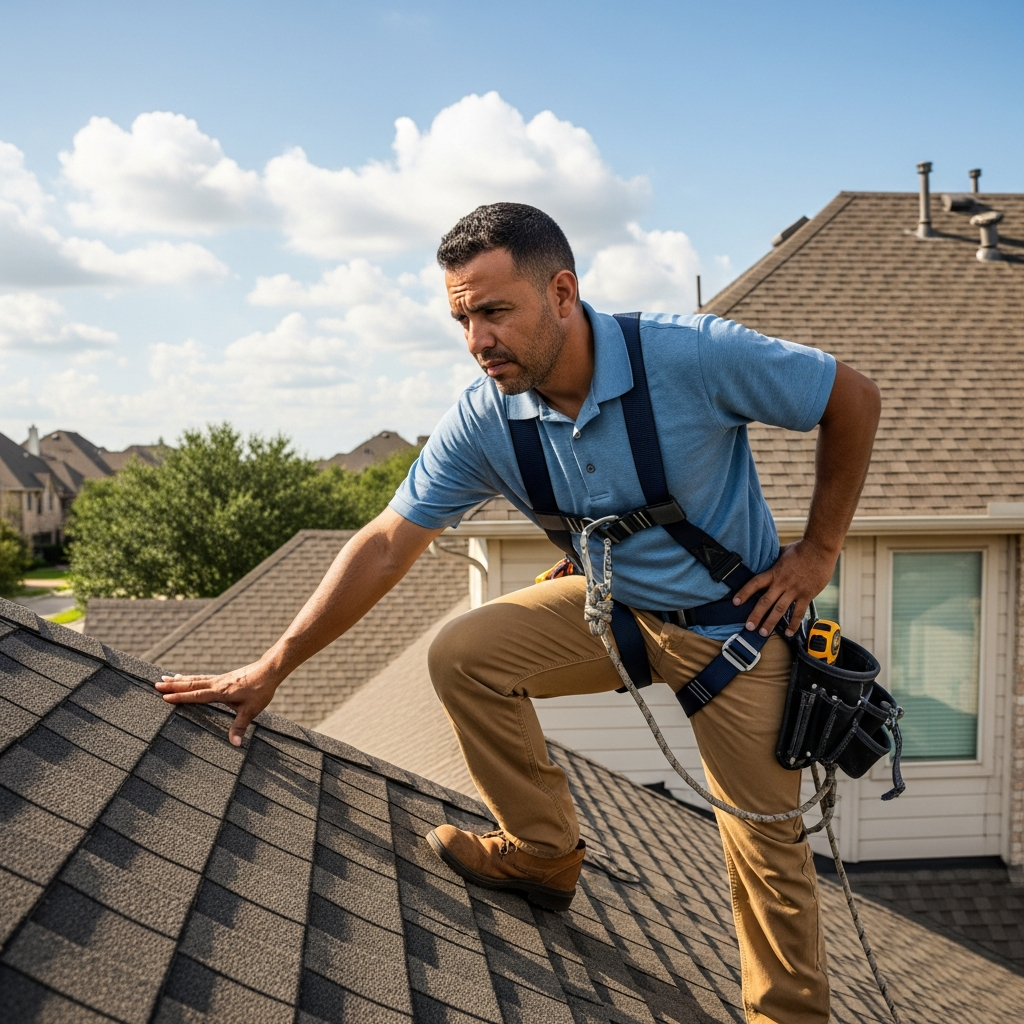
How Do Roofing Companies Price Roof Repair and Replacement in Mesquite?
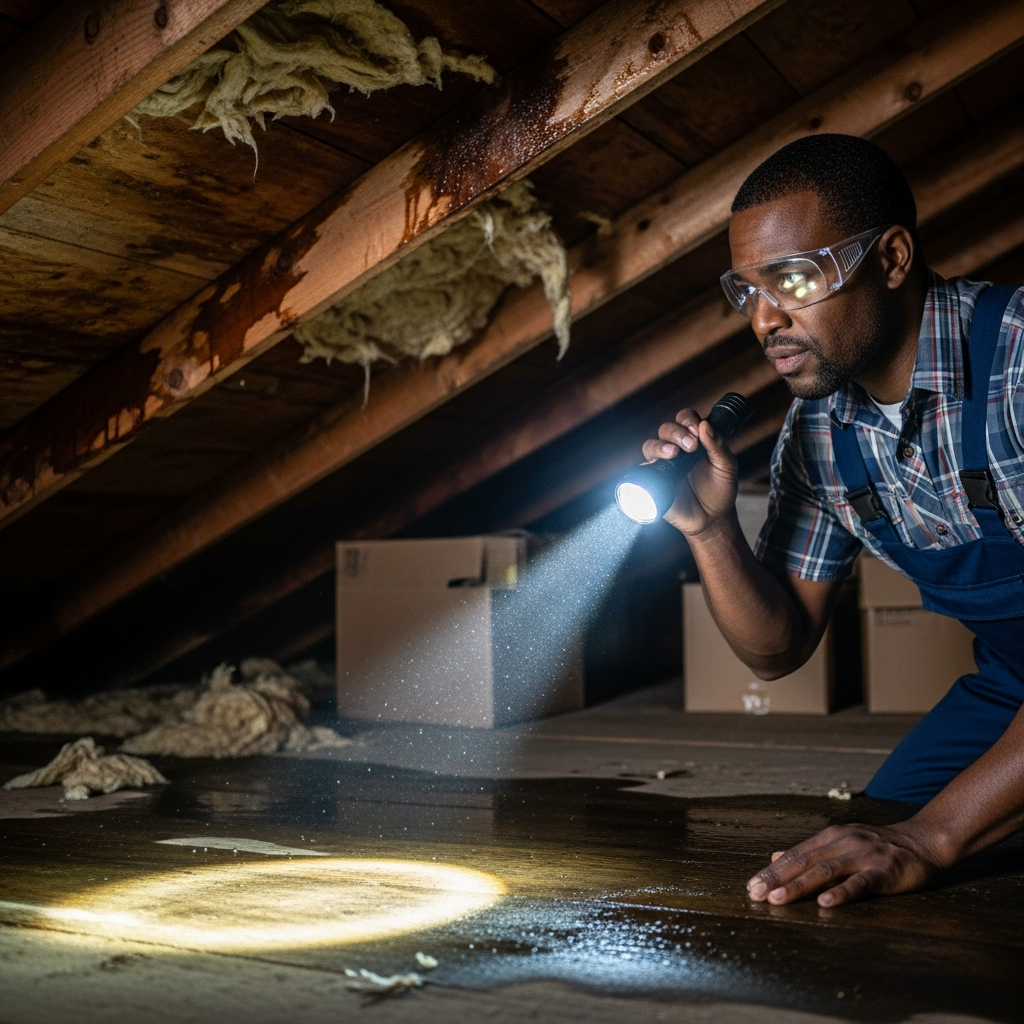
You’re standing in your kitchen, making your morning coffee, when you hear it – that distinctive *drip, drip, drip* that makes your stomach drop. Another spot on the ceiling is turning an ominous shade of brown, and you know exactly what that means. Your roof is telling you it’s time for a conversation you’ve been avoiding.
Maybe it started months ago with a small stain you convinced yourself was just discoloration from that old water heater leak. Or perhaps last month’s hailstorm left you staring up at missing shingles, knowing deep down that ignoring them won’t make them magically reappear. Either way, here you are – faced with the reality that your roof needs attention, and you have absolutely no idea what that’s going to cost you.
If you’re like most homeowners in Mesquite, the thought of calling roofing companies feels a bit like opening Pandora’s box. Will they quote you $3,000 or $30,000? How do you know if they’re being honest about what needs fixing versus trying to sell you a whole new roof when a few repairs would do? And why does every contractor seem to speak in a completely different pricing language?
Here’s the thing – roofing isn’t exactly something they teach you in “Adulting 101.” Most of us buy a house and assume the roof will just… work. Until it doesn’t. Then suddenly you’re thrust into this world of square footage calculations, material grades, labor costs, and permit fees, feeling completely out of your depth.
You’ve probably already discovered that getting straight answers isn’t easy. One company might quote you a price that seems reasonable, while another comes in 50% higher for what sounds like the same work. The third contractor? They’re somewhere in the middle but insisting you need twice as much work as the first guy suggested. It’s enough to make you want to just put another bucket under that leak and deal with it next year.
But here’s what’s really frustrating – it’s not that roofing companies are trying to confuse you (well, most aren’t). It’s that pricing a roof repair or replacement involves dozens of variables that most homeowners never think about. The age of your home, the type of materials currently up there, local building codes, the complexity of your roofline, even the time of year you’re getting quotes… it all factors into that final number.
And in Mesquite specifically? You’re dealing with unique challenges that make pricing even trickier. Our Texas weather throws everything at roofs – scorching summer heat that bakes asphalt shingles, sudden hailstorms that can shred materials in minutes, and those surprise ice storms that make contractors shake their heads and reach for their calculators. Plus, different neighborhoods have different requirements, and what works for a ranch-style home in one area might not fly for a two-story colonial in another.
The good news is that once you understand how roofing companies actually build their estimates, the whole process becomes a lot less mysterious. You’ll start to see why that second quote was so much higher (spoiler: they were probably including a lot more work), and you’ll be able to ask the right questions to get accurate comparisons.
We’re going to walk through exactly how professional roofers in Mesquite calculate their prices – from the basic square footage math that forms the foundation of every estimate, to those sneaky little add-ons that can bump your total up significantly. You’ll learn what questions to ask during consultations, how to spot red flags in pricing, and most importantly, how to make sure you’re comparing apples to apples when you’re juggling multiple quotes.
Because here’s the reality – your roof is probably your home’s most important defense system, and getting it fixed right the first time isn’t just about avoiding future leaks. It’s about protecting your family, maintaining your home’s value, and avoiding those middle-of-the-night panic moments when storms roll through and you’re wondering if everything will still be dry in the morning.
Ready to demystify roof pricing once and for all?
It’s Not Just About Square Footage (Though That Matters)
You’d think pricing a roof would be like buying carpet – measure the square footage, multiply by the price per square foot, and boom. Done. But roofs? They’re more like snowflakes… okay, that’s cheesy, but seriously – no two are exactly alike.
Sure, square footage is the starting point. Most contractors in Mesquite will calculate your roof’s “square” – and here’s where it gets weird – a roofing square isn’t actually square. It’s 100 square feet. So if your roof is 2,000 square feet, that’s 20 squares. Why they couldn’t just say 2,000 square feet like normal humans, I’ll never know.
But here’s where it gets interesting – and complicated. Your roof might be 2,000 square feet, but if it has more peaks and valleys than a roller coaster, you’re looking at way more work (and cost) than your neighbor’s simple ranch-style roof of the same size.
The Shape of Things (And Why Complexity Costs)
Think of it like cutting a pizza. A simple rectangular roof? That’s like cutting a square pizza into neat, even slices. Easy. Efficient. Not much waste.
But a roof with dormers, skylights, multiple angles, and chimneys? That’s like trying to cut pizza slices around a bunch of obstacles while blindfolded. More cuts, more waste, more time, more cursing from the crew.
Every penetration – that’s roofing speak for anything poking through your roof like vents, chimneys, or skylights – requires custom flashing and careful sealing. It’s detail work that takes time and skill. And time and skill cost money.
Materials: The Good, The Better, and The “Are You Serious?”
Here’s where things can get overwhelming fast. Walk into any roofing supply store and you’ll face more choices than a fancy coffee shop. Asphalt shingles alone come in architectural, luxury, impact-resistant, algae-resistant… the list goes on.
The basic 3-tab shingles are like the economy car of roofing – they’ll get the job done, but don’t expect luxury. Architectural shingles (also called dimensional or laminate shingles) are the sweet spot for most homeowners – better looking, longer lasting, and not crazy expensive.
Then you’ve got your premium options. Metal roofing, which sounds expensive but can actually save money long-term if you’re planning to stay put. Clay tiles that look gorgeous but weigh as much as a small car – your house better have the bones to handle them. And slate… well, slate is beautiful and lasts forever, but it costs about as much as a small car too.
Labor: Where the Real Magic (and Cost) Happens
Here’s something that might surprise you – labor often costs more than materials. A lot more. We’re talking skilled craftspeople working on a sloped surface, often in Texas heat that could melt your shoes to the pavement.
The complexity of your roof directly impacts labor costs. That simple ranch house? A crew might knock it out in a day or two. But a Victorian with multiple levels, steep pitches, and enough architectural details to make your head spin? That’s a different story entirely.
And here’s the thing about roofing labor in Mesquite – good roofers are worth their weight in… well, roofing materials. The difference between a skilled crew and corner-cutters isn’t just about quality – it’s about whether your roof will still be protecting your family when the next hailstorm rolls through.
The Hidden Factors That Move the Needle
Permit costs (yes, you usually need one), disposal fees for your old roof, potential structural repairs discovered once the old shingles come off – these all factor into the final price. It’s like renovating your kitchen and finding out the plumbing needs work once you open up the walls.
The time of year matters too. Try getting a roof replaced right after a major storm, and you’ll pay premium prices – supply and demand in action. But schedule it during the slower season, and you might find contractors more willing to negotiate.
Actually, that reminds me – always get multiple quotes. Not because all roofers are trying to rip you off (most aren’t), but because they might see different solutions to the same problem. One might recommend a complete tear-off, another might suggest an overlay if your roof structure can handle it.
Getting Quotes That Actually Mean Something
Here’s what most homeowners don’t realize – that initial estimate you get over the phone? It’s basically worthless. I mean, how can someone price your roof repair without actually seeing it? It’s like asking a doctor to diagnose you through a text message.
The smart move is to get at least three written estimates, but here’s the kicker – make sure they’re all looking at the same scope of work. I’ve seen homeowners compare a basic shingle replacement quote against a full roof system upgrade and wonder why there’s a $15,000 difference. Of course there is!
When the contractor shows up, walk the property with them. Ask questions. Why are they recommending tear-off versus overlay? What’s included in their debris removal fee? You’d be surprised how many “extras” suddenly appear on the final bill because nobody clarified upfront.
The Art of Timing Your Roofing Project
Want to save serious money? Don’t call when your neighbor’s tree just punched a hole through your roof during a storm. Emergency repairs cost 30-50% more than planned work – it’s simple supply and demand.
The sweet spot for scheduling in Mesquite is late fall through early spring. Summer’s brutal heat makes roofing work miserable (and more expensive), while spring storm season creates that emergency pricing I just mentioned.
Actually, here’s something most people miss… if you can be flexible with your start date, tell contractors you’re willing to fill in their schedule gaps. Sometimes they’ll knock off 10-15% just to keep their crews busy between bigger jobs. It’s like getting standby pricing on flights, but for your roof.
What Those Line Items Really Mean
Let’s decode some contractor-speak, shall we? When you see “roof system installation,” that usually means they’re doing more than just slapping new shingles up there. They’re talking underlayment, drip edge, maybe some ventilation upgrades. Good! But if someone quotes “shingle replacement” at a suspiciously low price… well, you might end up with exactly that. Just shingles. Over your existing problems.
Here’s a red flag: any estimate that lumps everything into one big number. Professional contractors break things down – materials, labor, permits, disposal. If they won’t itemize, they’re probably padding somewhere.
And those permits everyone tries to skip? Don’t. Seriously. The City of Mesquite requires permits for most roofing work, and getting caught without one turns your insurance claim into a nightmare. Plus, unpermitted work makes your house harder to sell later.
Hidden Costs That Bite Back
Oh, the things they don’t tell you upfront… Permit fees in Mesquite run about $100-200, but that’s just the start. Got an older home? You might need structural reinforcement to meet current codes. Surprise! That’s another $2,000-5,000.
Then there’s the fun discovery process. “Well, we found some rotted decking once we got the shingles off…” Of course you did. This is why smart homeowners budget an extra 15-20% for surprises. It’s not pessimistic – it’s realistic.
Disposal costs are another sneaky one. Some contractors include it, others charge $500-800 extra. Make sure you know which camp your estimate falls into.
Negotiation Tactics That Actually Work
Here’s something contractors won’t advertise: most have some wiggle room in their pricing, especially during slower seasons. But don’t just ask for a discount – that’s amateur hour. Instead, ask what they can include to add value. Maybe upgraded shingles at the standard price, or throwing in gutter guards.
If you’re getting multiple repairs done – say, roof and siding – bundling can save you 10-15%. Contractors love efficiency, and setting up once for multiple jobs is way more efficient than making separate trips.
The cash discount is still alive and well in roofing. Not because contractors are dodging taxes (hopefully), but because they don’t have to wait 30-45 days for credit payments to process. Offering to pay upon completion – in cash – might knock off 3-5%.
Reading Between the Lines of Warranties
Not all warranties are created equal, and this is where things get really interesting. A 20-year warranty sounds great until you realize it only covers materials, not labor. Or that it prorates after year five, meaning you’re paying an increasing percentage of replacement costs.
The best contractors offer comprehensive warranties that cover both materials and workmanship for at least 10 years. But here’s the catch – that warranty is only as good as the company behind it. Make sure you’re dealing with established local businesses, not fly-by-night operations that might disappear before your roof does.
When Estimates Don’t Match (And Why That’s Actually Normal)
You’ve got three estimates in hand, and they’re all over the map. One’s $8,000, another’s $15,000, and the third is somewhere in between but uses completely different materials. Welcome to the wonderful world of roofing quotes – where comparing apples to apples feels more like comparing apples to… well, pickup trucks.
Here’s the thing most contractors won’t tell you upfront: those estimates might be pricing completely different scopes of work. One might include gutters, another assumes you’ll handle permits yourself, and the third is planning to replace decking that the others haven’t even noticed yet. It’s not necessarily anyone being shady – it’s just that roofing involves a lot of moving parts, and not everyone sees (or prices) the same things.
Solution: Create a simple spreadsheet with line items. Ask each contractor to break down exactly what’s included – materials, labor, permits, cleanup, even things like gutter protection or attic ventilation. You’ll quickly see where the differences lie, and honestly? Sometimes the middle bid isn’t the best value.
The “While We’re Up There” Trap
This one gets almost everyone. You hire someone to fix a small leak, and suddenly they’re discovering all sorts of issues. Your flashing needs work, there’s some soft decking over here, oh and by the way, your gutters are shot too. Before you know it, your $500 repair has ballooned into a $5,000 project.
Now, sometimes this is legitimate – roofing problems rarely travel alone, and things that look minor from the ground can reveal bigger issues once someone’s actually up there with tools in hand. But sometimes… well, let’s just say not every “emergency” discovery is quite as urgent as it’s made to sound.
Solution: Ask for photos. Any reputable contractor should be happy to show you exactly what they’re seeing up there. Get a second opinion if the add-ons seem excessive, especially if they’re pushing for immediate approval. Real problems will still be problems next week – high-pressure tactics usually aren’t about your roof’s urgent needs.
Insurance Claims That Go Sideways
Insurance claims for roofing work can feel like navigating a maze blindfolded. Your insurance company says one thing, the contractor says another, and you’re stuck in the middle trying to figure out who’s actually looking out for your interests. Spoiler alert: it’s probably not the insurance adjuster who spent fifteen minutes on your roof.
The tricky part? Some contractors are genuinely helpful with insurance claims, while others see them as easy money and might inflate prices or push unnecessary work. Meanwhile, your insurance company is trying to pay out as little as possible while still meeting their obligations.
Solution: Get your own independent assessment before filing a claim if possible. Understand what your deductible actually covers – and remember, you don’t have to use the contractor your insurance company recommends. Shop around, even after approval. And here’s something most people don’t know: you can often negotiate with contractors on the deductible portion.
Material Confusion (AKA The Shingle Shell Game)
Architectural shingles, dimensional shingles, laminated shingles, designer shingles… sometimes it feels like manufacturers just make up names to confuse us. Add in different weights, warranties, and colors, and choosing materials becomes overwhelming fast.
Contractors don’t always help here either – some will push premium materials with hefty markups, while others default to builder-grade everything without explaining your options. You might pay extra for a “premium” shingle that’s really just marketing, or end up with materials that won’t hold up to Mesquite’s weather patterns.
Solution: Do a little homework on the big manufacturers – GAF, Owens Corning, CertainTeed. Look at actual samples, not just pictures. Ask specifically about wind ratings and heat resistance (both important here in Texas). Most importantly, ask your contractor why they’re recommending specific materials for your situation – good contractors love talking shop about this stuff.
Permit and Code Complications
Nobody thinks about permits until they become a problem. Maybe your contractor pulled permits but didn’t schedule inspections properly. Maybe they assumed you’d handle permits yourself. Or maybe – and this happens more than you’d think – they just skipped permits entirely because “it’s a small job.”
Fast forward to selling your house, and suddenly those unpermitted roof repairs are causing issues with buyers or their lenders.
Solution: Ask upfront who’s handling permits and what the timeline looks like. In Mesquite, most repairs over a certain dollar amount need permits – your contractor should know these rules cold. Get permit numbers and keep the paperwork. It’s boring stuff, but future you will thank present you.
What to Expect During Your First Consultation
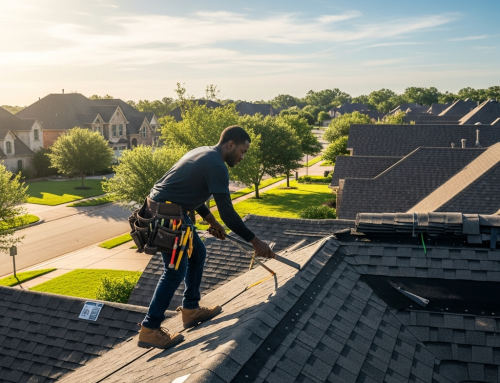
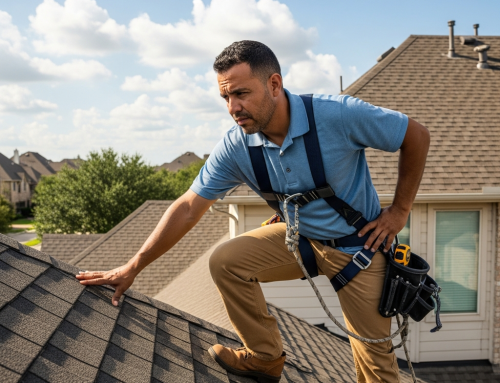
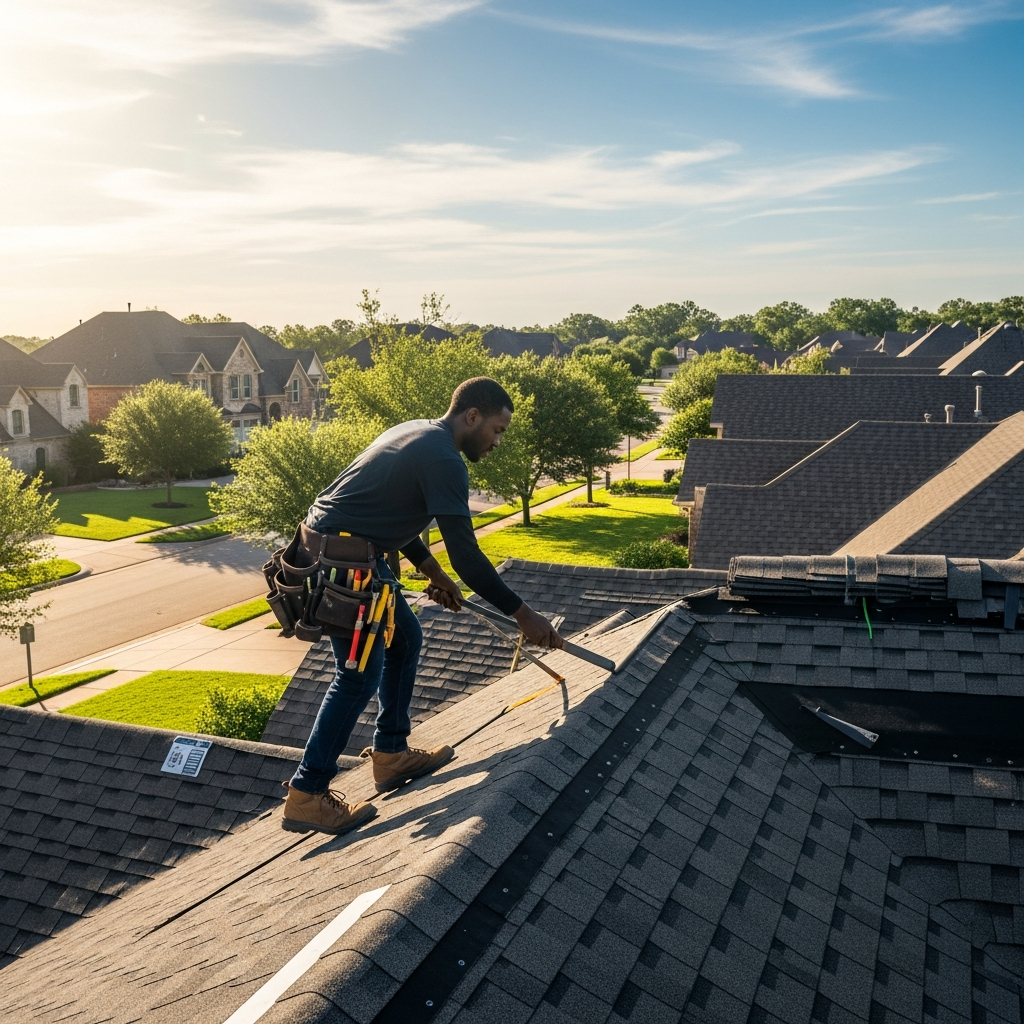
Most reputable roofing companies in Mesquite will start with a thorough inspection – and honestly, this part can feel a bit invasive. You’re going to have someone crawling around on your roof, poking at things, taking photos, and probably asking you questions about when you first noticed that leak or how long that stain has been there.
The good news? A solid consultation usually takes 45 minutes to an hour, and you should walk away with a clear understanding of what’s wrong. The contractor should be able to explain the issues in plain English (red flag if they’re throwing around a bunch of technical jargon without explaining what it means). You’ll typically get a written estimate within 24-48 hours – though during busy seasons like after hailstorms, that timeline might stretch a bit.
Here’s what’s normal: asking lots of questions about materials, warranties, and timeline. What’s not normal? High-pressure sales tactics or demands for money upfront before work begins.
Timeline Reality Check – Because Nobody Likes Surprises
Let’s be real about timing because… well, roofing projects rarely go exactly as planned. Weather happens. Material delays happen. Life happens.
For minor repairs – think fixing a few shingles or sealing a small leak – you’re looking at scheduling within a week or two, assuming decent weather. The actual work? Usually a day, sometimes less.
Major repairs get trickier. If you need significant work on multiple areas or structural issues, plan on 1-3 days of actual work time. But here’s the catch – scheduling might take 2-4 weeks, especially during peak season (basically any time it’s not winter in Texas).
Full roof replacement? Buckle up. For an average home, the work itself takes 2-5 days depending on size, complexity, and weather. But getting on the schedule… that’s where things get interesting. During slow periods, maybe 2-3 weeks. During busy season – which in Mesquite often follows severe weather – you could be looking at 6-12 weeks.
I know, I know. Nobody wants to hear that they might be dealing with tarps and buckets for three months. But honestly? Companies that promise to start “next week” during peak season are either desperate for work (which makes you wonder why) or they’re overpromising.
Getting Multiple Quotes – The Smart Move
You’ve probably heard you should get three quotes, and… yeah, that’s still good advice. But here’s what I wish someone had told me: don’t just collect numbers and pick the lowest one. That’s like choosing a surgeon based solely on price.
Pay attention to how each contractor explains the work needed. Are they all seeing the same problems? If one estimate is dramatically different – either much higher or much lower – dig deeper. Ask questions. Sometimes that outlier has spotted something others missed. Sometimes they’re just wrong.
Give yourself at least a week to collect and compare estimates. Rushing this decision because you’re stressed about the damage usually leads to regret later. Your roof has probably been developing these issues for months or years – another week of careful consideration won’t hurt.
The Money Talk – Payment and Financing Reality
Here’s something that catches people off guard: most legitimate roofing companies don’t expect full payment upfront. In fact, be suspicious if they do.
Standard payment structure usually looks like this: small deposit (10-15%) to get on the schedule, larger payment (40-50%) when materials arrive, and final payment when work is complete. Some companies work with financing options, which can be helpful for larger projects… just read the fine print carefully.
Insurance claims? That’s a whole different timeline. If you’re dealing with storm damage, the insurance adjuster needs to inspect before work can begin. This adds 1-2 weeks minimum to your timeline, sometimes longer if there’s back-and-forth about coverage.
Questions You Should Actually Ask
Beyond the obvious stuff about licensing and insurance, ask about material delivery timing. Supply chain hiccups have become surprisingly common, and delayed materials mean delayed projects.
Ask about their cleanup process too. You’d be amazed how many homeowners end up with nails in their driveway because they didn’t clarify this upfront.
And here’s one people forget: what happens if weather delays the project? How do they protect your home if work gets interrupted? These aren’t fun conversations, but they’re important ones.
The right contractor won’t be annoyed by your questions – they’ll appreciate that you’re thinking things through carefully.
Look, I know we’ve covered a lot of ground here – from material costs and labor rates to those sneaky little extras that can pop up when you least expect them. Your head might be spinning a bit, and honestly? That’s completely normal. Roofing decisions aren’t exactly something most of us deal with every day.
Here’s the thing though – you’re already ahead of the game just by doing your research. Most homeowners in Mesquite jump into roof projects blindly, then get hit with sticker shock or find themselves working with contractors who… well, let’s just say not everyone in this business has your best interests at heart.
What Really Matters at the End of the Day
When you strip away all the technical jargon and industry speak, it really comes down to this: you want a roof that protects your family without breaking the bank. You want to work with people who treat your home like it’s their own grandmother’s house. And you definitely don’t want any surprise bills showing up three months later.
The pricing information we’ve talked about – those square footage calculations, material grades, labor considerations – they’re your roadmap. But they’re not the whole story. A good roofing company will walk you through everything, explain why certain costs exist, and help you understand where you can save money without compromising on quality.
Trust Your Gut (But Verify Everything)
You’ve probably heard this before, but it bears repeating: if something feels off during the estimate process, it probably is. That contractor who shows up at your door after a storm offering to do your roof for half the going rate? Yeah, there’s usually a reason for that discount.
On the flip side, the most expensive bid isn’t automatically the best choice either. Sometimes you’re just paying for fancy trucks and slick marketing materials. The sweet spot is usually somewhere in the middle – fair pricing from contractors who’ve been around long enough to know what they’re doing.
You Don’t Have to Figure This Out Alone
I get it – roof repairs and replacements feel overwhelming. The costs, the decisions, the worry about choosing the wrong contractor… it’s a lot. But here’s what I’ve learned after years in this business: the right roofing company doesn’t just fix your roof. They become your advocate, your guide through the process, and honestly? They should make this whole experience feel a lot less scary.
Whether you’re dealing with a few missing shingles or facing a complete replacement, you deserve to work with professionals who respect your time, your budget, and your peace of mind. You deserve transparent pricing, clear communication, and the confidence that comes from knowing your home is in good hands.
If you’re ready to move forward – or even if you just want to talk through your options with someone who won’t try to oversell you – we’re here. No pressure, no pushy sales tactics. Just honest conversations about what your roof needs and how we can help make it happen. Sometimes the best next step is simply picking up the phone and having a real conversation about your specific situation.