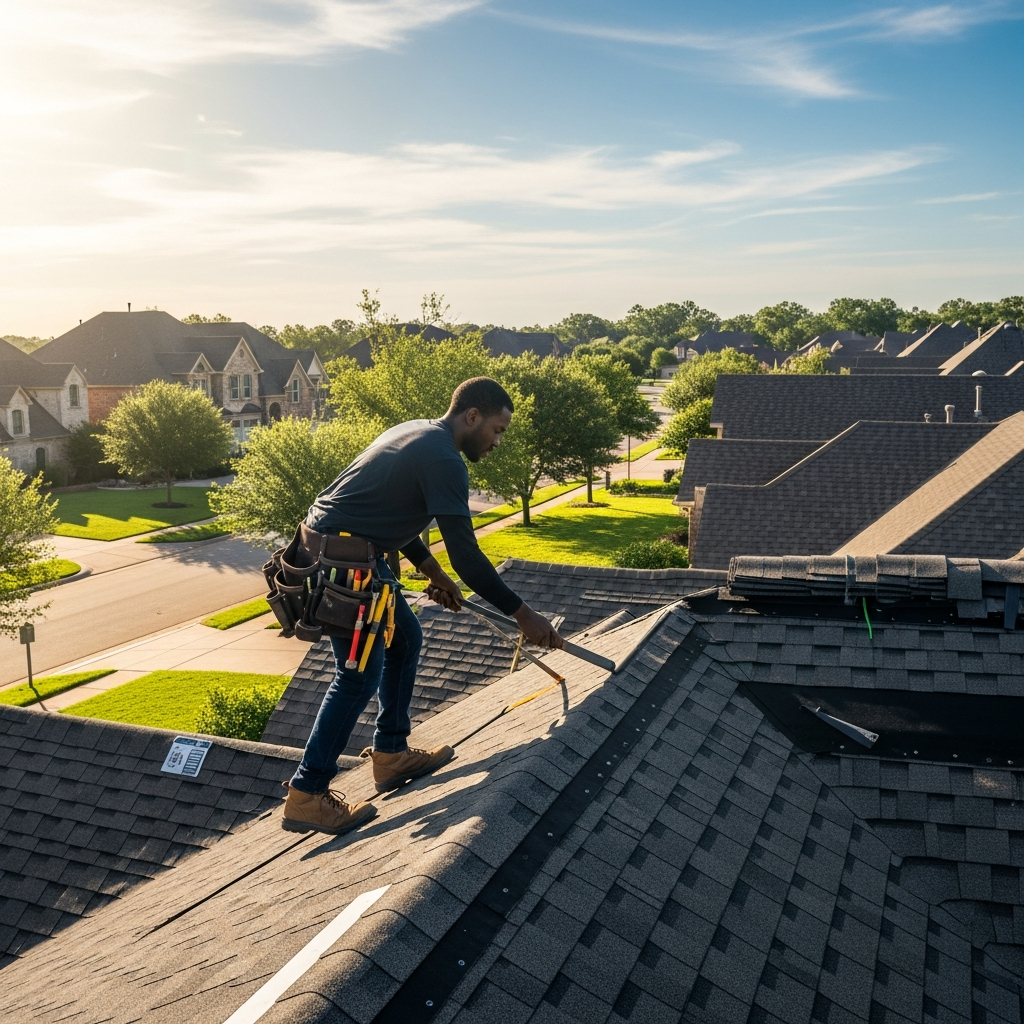
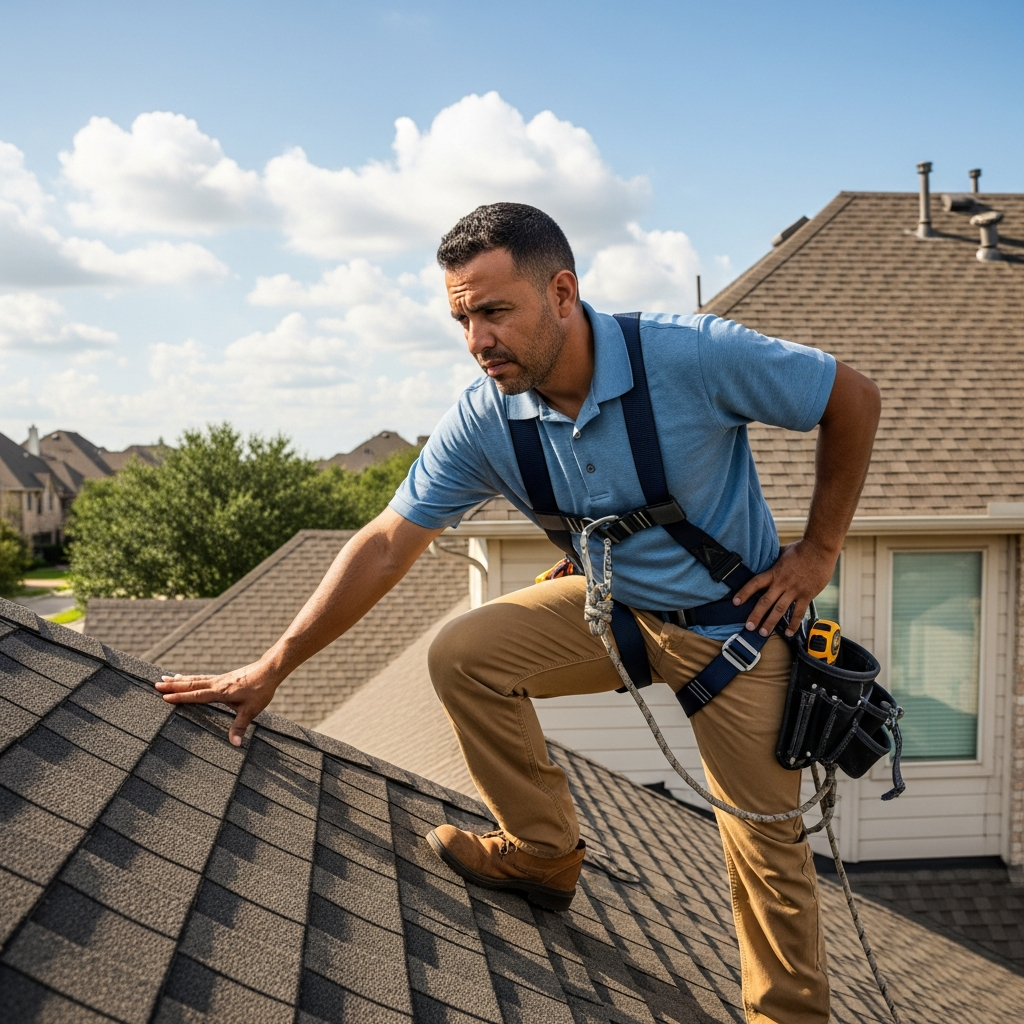
Emergency Roof Repair Near Me When You Need It Most in Forney

You’re lying in bed at 2 AM when you hear it – that dreaded *drip, drip, drip* coming from somewhere in your house. Your heart sinks because you know exactly what that sound means, and it’s not good news for your wallet… or your sleep schedule.
Welcome to every homeowner’s nightmare: the emergency roof repair situation that couldn’t have picked a worse time to announce itself. Maybe it’s the middle of a Texas thunderstorm (because of course it is), or perhaps you’ve just discovered water stains spreading across your ceiling like some abstract art you definitely didn’t commission. Either way, you’re now part of that exclusive club nobody wants to join – people frantically googling “emergency roof repair near me” while water drips into strategically placed buckets.
Here in Forney, we know a thing or two about weather that likes to test our roofs. Those sudden hailstorms that roll through, the scorching summer heat that makes your shingles feel like they’re melting, and don’t even get me started on those surprise wind gusts that can turn a loose shingle into a flying projectile. Your roof takes a beating year-round, and sometimes… well, sometimes it waves the white flag at the most inconvenient moment possible.
But here’s the thing – and this is important – not every roofing company that claims to offer “emergency services” actually means it. You know what I’m talking about, right? You call that number, desperate for help, only to reach a voicemail that cheerfully informs you they’ll get back to you “during normal business hours.” Meanwhile, your living room is starting to look like it’s auditioning for a water feature.
What Makes a Real Emergency (And What Doesn’t)
Let’s be honest for a second. That small stain you’ve been ignoring for months? That’s not an emergency – that’s procrastination coming home to roost. But when Mother Nature decides to redecorate your interior with uninvited rainwater, or when a tree branch crashes through your roof during a storm… yeah, that’s when you need someone who actually picks up the phone at midnight.
The tricky part is knowing who to call when crisis strikes. Because here’s what nobody tells you about roofing emergencies: the companies that are actually equipped to handle them don’t always have the flashiest websites or the biggest Yellow Pages ads. Sometimes the best emergency roofer is the local crew that’s been quietly fixing Forney roofs for decades, not the outfit that just moved to town with their shiny trucks and too-good-to-be-true prices.
Why Location Actually Matters More Than You Think
You might be wondering why I keep emphasizing “near me” when you’re already here in Forney. Well, when your roof is leaking and it’s 3 AM, you don’t want to wait for someone to drive in from Dallas or Mesquite. You want someone who knows exactly where you live, understands the local building codes, and can navigate to your house without GPS – even in the dark, even in a storm.
There’s something reassuring about knowing your emergency roofer has probably worked on houses just like yours, maybe even in your neighborhood. They understand how our Texas weather affects different types of roofing materials, they know which local suppliers stock the parts you’re likely to need, and they’ve probably seen whatever problem you’re dealing with before.
What We’re Going to Cover (The Stuff You Actually Need to Know)
In this article, we’re going to talk about the real deal – not just the polished marketing speak, but the practical stuff you need to know when your roof decides to have a breakdown. We’ll cover how to spot a true emergency versus something that can wait until morning, what to do in those crucial first minutes when you discover a problem, and most importantly, how to find reliable emergency roof repair services right here in Forney.
We’ll also dive into those questions that keep you up at night (besides the dripping): How much is this going to cost? What should you do while you’re waiting for help to arrive? And how do you tell the difference between a legitimate emergency roofer and someone who’s just looking to take advantage of your crisis?
Because let’s face it – when your roof fails, you need answers, and you need them fast.
What Actually Counts as a Roof Emergency?
You know that sinking feeling when you hear water dripping where water definitely shouldn’t be dripping? Not every roof problem needs a 2 AM panic call, but some absolutely do. Think of your roof like the lid on a pressure cooker – when it’s working properly, you don’t give it a second thought. But when something goes wrong… well, that’s when things can get messy fast.
A genuine roof emergency usually involves active water intrusion, missing shingles after a storm, or visible structural damage. That steady drip-drip-drip into your living room bucket? Emergency. A few loose shingles you noticed while getting the mail? Probably not an emergency, but don’t ignore it either.
Here’s what’s tricky though – sometimes what looks like a small issue is actually the tip of the iceberg. I’ve seen homeowners dismiss a “tiny” leak only to discover weeks later that water had been quietly destroying their attic insulation and wooden beams. It’s like ignoring a check engine light… sure, your car might keep running for a while, but you’re probably not doing yourself any favors.
Why Forney’s Weather Makes Everything More Complicated
Living in Forney means dealing with Texas weather – and honestly, Mother Nature doesn’t mess around here. We get everything from sudden hailstorms that can turn your roof into Swiss cheese to those intense wind gusts that can peel shingles off like they’re stuck on with chewing gum.
The thing about North Texas weather is how unpredictable it can be. One minute you’re enjoying a beautiful spring afternoon, the next you’re watching golf ball-sized hail bounce off your driveway. And those summer storms? They don’t just bring rain – they bring the kind of driving wind and water that can find every tiny weakness in your roof’s armor.
What makes this particularly challenging is that damage isn’t always immediately obvious. Sure, if a tree branch punches a hole through your roof, you’ll know about it right away. But hail damage, loose flashing, or wind-lifted shingles might not reveal themselves until the next heavy rain… which could be months away.
The Anatomy of Emergency Roof Damage
Think of your roof as a complex system – not just shingles sitting on top of your house. You’ve got underlayment (basically waterproof paper), flashing around chimneys and vents, gutters, and the actual roof deck underneath it all. When emergency repair folks talk about roof damage, they’re looking at how all these pieces work together.
Missing or damaged shingles are the most obvious problem. It’s like having holes in your umbrella – rain’s going to find its way through. But sometimes the shingles look fine while the real damage is happening underneath. Wind can lift shingles just enough to break the seal without actually tearing them off, creating invisible entry points for water.
Flashing issues are sneaky troublemakers. This metal stuff around your chimney, vents, and roof edges is supposed to direct water away from vulnerable spots. When it gets damaged or works loose, water can slip behind it and start causing problems you won’t see until significant damage has occurred.
Actually, that reminds me of something a roofing contractor once told me – he said emergency calls often start with “it’s just a small leak,” but by the time he gets up there, he’s looking at problems that have been building for months or even years.
When Time Really Matters (And When It Doesn’t)
Here’s the thing about roof emergencies – genuine urgency usually revolves around water intrusion and structural integrity. If water is actively coming into your house, every hour you wait potentially means more damage to insulation, drywall, flooring, and electrical systems. Water damage spreads like… well, like spilled coffee on a white shirt. It just keeps getting bigger and more expensive to clean up.
But not everything needs immediate attention, even if it feels urgent. A few loose shingles after a windstorm? You’ll want to get them fixed soon, but you probably don’t need to call an emergency service at midnight. Missing gutters? Same thing – important, but not necessarily drop-everything urgent unless you’re in the middle of a storm.
The key is understanding that your roof is designed to handle some damage temporarily. Most roofing systems have multiple layers of protection, so even if the outer layer gets compromised, you might have some breathing room to find the right contractor and get proper repairs done.
When Minutes Matter: Your Emergency Action Plan
Look, I’m not going to sugarcoat this – when your roof decides to give up during a thunderstorm, you’ve got maybe 20 minutes before water damage turns from “manageable” into “call your insurance adjuster and start crying.” Here’s what you actually need to do, not the generic advice you’ll find everywhere else.
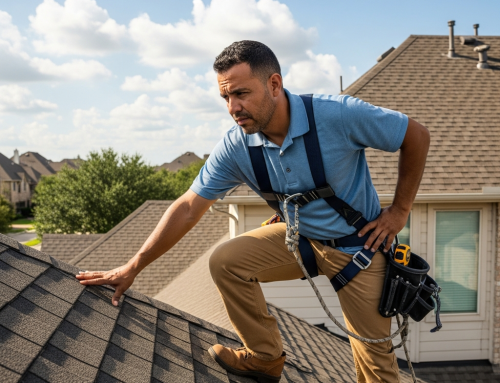
First things first: safety trumps everything. I don’t care if your grandmother’s china cabinet is getting soaked – you’re not climbing on a wet roof in a storm. Period. But you can absolutely minimize damage from the ground while you wait for professional help.
Grab every bucket, pot, and container you own. Yes, even that fancy serving bowl you only use for holidays. Place them strategically under leaks, and here’s the trick nobody tells you – put a towel in the bottom of each container. This prevents that maddening *plink, plink, plink* sound that’ll drive you insane at 2 AM, and it reduces splashing that can damage floors.
The Tarp Trick That Actually Works
You’ve probably heard about using tarps for emergency roof repair, but most people do it wrong. Don’t just throw a tarp over the hole like you’re covering a barbecue grill. That’s basically creating a water slide directly into your living room.
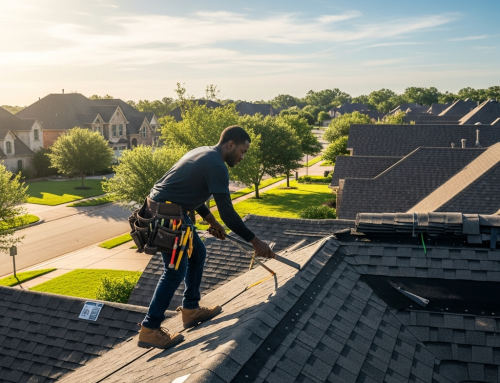
Instead, you want to create what roofers call a “diverter system.” If you can safely access your roof (and I mean SAFELY – dry conditions, stable ladder, someone spotting you), extend the tarp well beyond the damaged area. The key is getting at least 4 feet of tarp uphill from the damage. Water needs somewhere to go, so give it a path that leads away from your house.
Secure it with 2x4s if you have them, or use sandbags. Those little tarp clips from the hardware store? They’re basically worthless in Texas wind. You need weight and coverage.
The Inside Game: Damage Control 101
While you’re waiting for help (because let’s be honest, every roofer in Forney is swamped after a storm), you can do some serious damage control from inside. Move everything valuable away from the affected area – and I mean everything. Water has this sneaky way of traveling along beams and showing up in places you’d never expect.
Here’s something most homeowners don’t think about: poke small holes in any ceiling areas where water is pooling. I know it sounds counterintuitive, but a controlled drip is infinitely better than having your entire ceiling collapse under the weight of trapped water. Use a screwdriver or awl, and do it right above your bucket placement.
Finding Real Help Fast (Not Just Anyone With a Ladder)
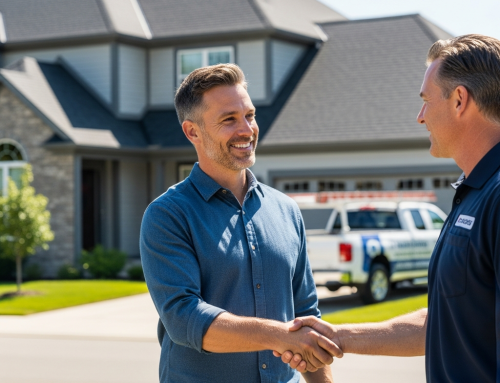
When storm season hits Forney, suddenly everyone’s a “roofer.” Your neighbor’s cousin who helped with a shed once? Not who you want fixing your roof. Here’s how to separate the pros from the opportunists when time is critical.
Real emergency roofers will ask you specific questions over the phone: What type of roofing material do you have? Where exactly is the damage? Can you see daylight through the hole? They’re gathering information to bring the right materials and give you an accurate timeline.
Be suspicious of door-to-door contractors after storms. I’m not saying they’re all scammers, but… actually, yeah, a lot of them are. Legitimate local contractors are usually booked solid after major weather events – they’re not driving around looking for work.
The Money Talk Nobody Wants to Have
Emergency repairs cost more. That’s just reality. But here’s what you need to know about pricing so you don’t get taken advantage of when you’re stressed and desperate.
Legitimate emergency work typically runs 25-50% more than standard repairs because of the urgency, weather conditions, and after-hours nature. If someone quotes you triple the normal rate? That’s gouging. If they want full payment upfront for emergency work? Red flag.
Most reputable contractors will do emergency stabilization work and then give you a proper estimate for permanent repairs once the weather clears. That’s normal and actually shows they’re thinking about doing the job right, not just slapping something together.
Keep receipts for everything – your insurance company will want documentation of both the emergency measures you took and any professional work you had done. Even that $30 tarp could be reimbursable.
The bottom line? Emergency roof situations are stressful enough without making preventable mistakes. Take a breath, prioritize safety, and remember – your house has probably weathered worse storms than this one.
When Everything Goes Wrong at Once
You know what’s funny – not ha-ha funny, more like cosmic-joke funny? Roof emergencies never happen on sunny Tuesday afternoons when you’ve got nothing planned. Nope, they strike during the worst possible storms, on holidays, or right before your daughter’s wedding reception that you’re hosting in the backyard.
And here’s the thing that really gets people… when you’re standing in your living room with a bucket catching drips, your first instinct is to panic-call the first roofer you find on Google. Which – let’s be honest – usually leads to either getting completely ghosted or dealing with someone who shows up three days later with a half-hearted “temporary” fix that costs more than your monthly mortgage payment.
The real challenge? Emergency roof repair isn’t just about fixing holes. It’s about making smart decisions when your brain is in full crisis mode.
The “Good Weather Trap” That Gets Everyone
Here’s something most homeowners don’t realize until it’s too late – reputable roofers in Forney are often booked solid during nice weather. Makes sense when you think about it, right? They’re trying to knock out all their scheduled jobs before the next storm system rolls through.
So when that emergency hits, the available crews are often… well, let’s just say they might not be your first choice under normal circumstances.
The solution? Start building relationships before you need them. I know, I know – it sounds like homework. But think of it as insurance you actually want to use. Drive around your neighborhood after storms and see which crews are doing quality work. Chat with neighbors about who they’ve used. Keep a couple of business cards in your kitchen drawer.
Actually, that reminds me of my neighbor Jim – he met his go-to roofer at a barbecue, not during an emergency. When a tree branch punched through his roof during that crazy ice storm last winter, he had someone he trusted just a phone call away.
The Money Panic (And Why It Makes Everything Worse)
Let’s talk about the elephant in the room – emergency repairs are expensive. Not just a little pricey… we’re talking potentially thousands of dollars you weren’t planning to spend. And when water’s literally dripping onto your grandmother’s antique dining table, rational budgeting goes right out the window.
This is where people make their biggest mistakes. They either
– Say yes to the first quote without getting a second opinion (because panic) – Go with the cheapest option that sounds too good to be true (spoiler alert: it usually is) – Try to DIY something that really, really needs a professional
The trick is having what I call a “reality check system” in place. Maybe it’s a trusted friend who can talk you down from making hasty decisions, or maybe it’s a simple rule like “get three quotes unless the roof is literally caving in.”
When Mother Nature Doesn’t Care About Your Schedule
Weather delays are probably the most frustrating part of emergency roof repair. You’ve found a great contractor, worked out the details, and then… it rains for six straight days. Meanwhile, your temporary tarp is doing its best impression of a leaky umbrella.
The contractors get it – they really do. Most reputable roofers in Forney will work with you on scheduling and won’t leave you hanging indefinitely. But weather is weather, and rushing a repair job during a storm usually creates bigger problems than you started with.
Your best bet? Focus on damage control while you wait. That means maximizing your temporary fixes, moving valuable items out of harm’s way, and – this is crucial – documenting everything for insurance purposes. Take photos, keep receipts, write down dates and times.
The Insurance Maze (It’s Trickier Than You Think)
Oh, insurance… where do I even start? You’d think emergency roof repair would be straightforward – roof gets damaged, insurance pays to fix it, everyone’s happy. But insurance companies have gotten really, really good at finding reasons why your particular damage might not be covered.
The key is getting ahead of the paperwork game. Call your insurance company immediately – like, before you even call the roofer. Some policies require you to report damage within a specific timeframe, and missing that deadline could cost you thousands.
Also? Don’t let the contractor handle all the insurance communication. Stay involved, ask questions, and keep your own records. You want to be the squeaky wheel here – politely squeaky, but squeaky nonetheless.
What to Expect During the Repair Process
Let’s be honest – emergency roof repairs aren’t exactly a walk in the park. When you’re dealing with water dripping into your living room or shingles scattered across your yard, you want everything fixed yesterday. But here’s the thing… quality work takes time, even in emergencies.
Most contractors can get to your Forney home within 24-48 hours for urgent situations. That might feel like forever when you’re moving buckets around to catch drips, but it’s actually pretty reasonable. Think of it like the emergency room – the most critical cases get seen first, and sometimes that means waiting your turn.
The initial visit usually involves tarping or temporary patching to stop immediate damage. This isn’t the final fix – it’s more like putting a band-aid on a cut until you can get proper stitches. Your contractor will assess the damage, take photos (lots of them, for insurance), and give you a realistic timeline for permanent repairs.
Weather plays a huge role here in Texas. You might get your temporary fix on Tuesday, but if storms roll through Wednesday and Thursday… well, you’re looking at Friday at the earliest for the real work to begin. It’s frustrating, but rain and roofing work just don’t mix.
Getting Your Permanent Repairs Scheduled
Once the immediate crisis is handled, you’ll move into the scheduling phase. This is where patience becomes your best friend – and trust me, I know that’s easier said than done when part of your roof is basically held together with hope and a tarp.
For minor repairs (a few missing shingles, small leaks), you’re probably looking at 1-2 weeks to get on the schedule. Moderate damage? Think 2-4 weeks. Major repairs or partial roof replacement… that could be 4-8 weeks, especially during busy storm seasons.
Here’s what’s normal: contractors will give you a window, not an exact day. “We’ll be there sometime between Tuesday and Thursday” is standard practice. They’re juggling multiple jobs, weather delays, and material deliveries. It’s not that they don’t respect your time – it’s just the nature of the business.
You’ll want to get everything in writing before work begins. The estimate, timeline, materials being used, cleanup expectations – all of it. Good contractors won’t mind putting these details down on paper. Actually, they prefer it because it protects everyone involved.
Working With Your Insurance Company
Insurance claims can feel like learning a foreign language, but most reputable roofing contractors speak “insurance” fluently. They’ll help you navigate the process, meet with adjusters, and provide the documentation needed for your claim.
The insurance inspection usually happens within a week of filing your claim – sometimes sooner if there’s obvious storm damage throughout your neighborhood. The adjuster will assess the damage and determine what’s covered under your policy.
Here’s where timing gets tricky… insurance companies can take 2-4 weeks to approve claims and issue payments. Your contractor might require partial payment upfront, but be wary of anyone demanding full payment before work begins. A typical payment schedule might be 10% down, 40% when materials arrive, 40% at completion, and the final 10% after you’ve had time to inspect everything.
Preparing Your Home and Family
Emergency repairs mean strangers will be on your roof, around your house, and making noise – potentially a lot of noise. If you work from home, plan for disruptions. Hammering, nail guns, and workers calling to each other isn’t exactly background music for Zoom calls.
Move vehicles away from the house – falling debris and tools happen more often than you’d think. Cover outdoor furniture and plants if possible. Inside, you might want to remove pictures from walls near the repair area. The vibration from roofing work can knock things loose.
Keep pets indoors during active work hours. Dogs especially can get spooked by the noise and activity, and the last thing you need is a missing pet on top of roof problems.
Most importantly, don’t expect your daily routine to be normal until repairs are complete. There will be workers arriving early, trucks in your driveway, and materials stacked in your yard. It’s temporary, but it’s also unavoidable.
The good news? Once quality repairs are finished, you can stop worrying about that section of your roof for years to come. That peace of mind is worth the temporary inconvenience.
You Don’t Have to Face This Alone
Here’s the thing about roof emergencies – they have this awful way of making you feel completely helpless. One minute you’re going about your day, and the next? You’re staring at water dripping into your living room, wondering how on earth this became your reality.
But take a breath. You’re not as stuck as you might feel right now.
The truth is, Forney has some genuinely good people in the roofing business – contractors who understand that when your roof fails, it’s not just about shingles and tar paper. It’s about your sense of security, your family’s safety, your peace of mind. These folks get calls at all hours because they know that roof damage doesn’t wait for business hours… or good weather… or convenient timing.
What I’ve learned from talking to homeowners who’ve been through this is that the anxiety often comes from not knowing what to expect. Will they show up when they say they will? Are they going to try to oversell you? Can you trust them in your home? These are completely normal concerns – actually, they’re smart questions to ask.
The best emergency roofers in the area? They understand this completely. They’ll walk you through what they’re seeing, explain your options without the hard sell, and help you figure out what absolutely needs to happen now versus what can wait. Because here’s what most people don’t realize – not every roof issue requires a full replacement, even when it looks pretty scary from where you’re standing.
Sometimes it’s a strategic patch job that buys you time to plan properly. Sometimes it’s addressing one problem area that’s causing most of the chaos. And yes, sometimes it really is time for a bigger conversation about replacement – but a good contractor will help you understand the difference.
The most important thing? Don’t let a roof emergency turn into a roofing disaster because you waited too long to get help. That small leak might seem manageable today, but roof problems have this sneaky way of snowballing. What costs a few hundred dollars to fix this week could easily become a few thousand dollar headache next month.
Your home is probably your biggest investment – and definitely your family’s safe haven. You don’t have to become a roofing expert overnight, but you do deserve someone who’ll treat your emergency like it matters. Because it does matter. Your stress matters. Your family’s comfort matters.
If you’re dealing with roof damage right now and feeling overwhelmed by the whole situation, reach out for help. A quick conversation with a local roofing professional can give you clarity about what you’re facing and what your realistic options are. No pressure, no obligation – just someone who understands roofs taking a look at your specific situation.
You’ve got enough to worry about. Let someone else worry about your roof for a while. That’s literally what they’re there for, and most of them genuinely want to help you get back to normal as quickly and affordably as possible.
Your roof emergency won’t last forever – but getting the right help now will make everything easier.