Can Roof Repair Fix Leaks Without Replacing the Roof in Garland?

You’re lying in bed at 2 AM when you hear it – that dreaded *drip, drip, drip* echoing from somewhere in your house. Your heart sinks because you know exactly what that sound means, and it’s not the kitchen faucet this time. You flip on the lights, grab a flashlight, and there it is: a telltale water stain spreading across your ceiling like some sort of unwelcome modern art piece.
Welcome to every homeowner’s nightmare.
If you’re reading this in Garland, Texas, you’re probably staring at that stain right now… or maybe you’ve been dancing around buckets strategically placed throughout your living room for weeks. Either way, there’s one question burning in your mind: *Do I really need to replace my entire roof, or can I somehow fix this without emptying my bank account?*
Here’s the thing – and this might actually make you feel a little better – most people assume that a leaking roof automatically means a complete roof replacement. It’s like thinking a flat tire means you need a new car. Sometimes? Sure, the damage is extensive enough that replacement makes sense. But more often than not, especially here in North Texas where we deal with everything from hailstorms to those surprisingly intense summer downpours, targeted roof repairs can absolutely solve your leak problem.
I get it, though. When you’re dealing with water dripping into your home, panic mode kicks in fast. You start imagining worst-case scenarios… thousands of dollars, contractors tearing off your entire roof, living under tarps for weeks. Your mind goes straight to those horror stories your neighbor told you about their “simple leak” that turned into a $15,000 nightmare.
But take a deep breath for a second.
The truth is, most roof leaks – even the ones that seem pretty dramatic – can be traced back to specific problem areas. Maybe it’s a few damaged shingles from that last hailstorm we had. Could be flashing around your chimney that’s gotten loose over time. Sometimes it’s something as simple as caulking that’s dried out and cracked after years of Texas heat.
Think of your roof like… well, like a really expensive umbrella that covers your entire house. When your umbrella gets a small tear, you don’t throw the whole thing away – you patch it. Same principle applies here, just with higher stakes and hopefully better materials than duct tape.
Now, I’m not saying every leak can be fixed with a quick patch job – that would be irresponsible of me, and frankly, pretty misleading. Some roofs have reached the point where repairs are basically putting a band-aid on a broken arm. Age, extensive damage, multiple problem areas… there are definitely situations where replacement is your best (and safest) option.
But here’s what most roofing companies won’t tell you upfront: they make a lot more money on full replacements than they do on repairs. Not saying they’re all trying to rip you off – many contractors are genuinely honest and will recommend repairs when appropriate. But it’s worth understanding that economic reality when someone immediately jumps to “you need a whole new roof” after a five-minute inspection.
So how do you figure out which camp you’re in? How do you know if your leak can be fixed without breaking the bank? And if repairs are possible, what should you expect in terms of cost, timeline, and long-term reliability?
That’s exactly what we’re going to walk through together. We’ll talk about the most common types of leaks that can absolutely be repaired, warning signs that might indicate bigger problems, and – probably most importantly – how to find a contractor who’ll give you straight answers instead of an immediate sales pitch for a complete roof overhaul.
Because honestly? You’ve got enough stress in your life without wondering if that bucket in your living room is going to overflow before you can empty it again. Let’s figure out how to solve this leak situation once and for all – hopefully without requiring a second mortgage in the process.
When Patches Actually Work (And When They Don’t)
Think of your roof like a good winter coat. You know how sometimes you get a small tear in the sleeve, and a little patch job keeps you warm for another season? But other times, the whole lining is shot, the zipper’s busted, and you’re basically wearing Swiss cheese… that’s when patching becomes a losing game.
Roof repairs work on the same principle. A few loose shingles after a storm? That’s patch-worthy. But when water’s been sneaking in for months – or worse, years – well, that’s when things get complicated.
Here’s what trips people up: visible damage doesn’t always tell the whole story. You might see a couple of missing shingles and think “easy fix,” but underneath? The decking could be rotted, insulation soaked, and structural elements compromised. It’s like seeing a small bump on your car after an accident, only to discover the frame is bent.
The Sneaky Nature of Water Damage
Water is basically the ultimate home invader. It doesn’t just break in through the front door – it finds every tiny crack, loose nail, and worn seal. And once it’s inside? It spreads like gossip in a small town.
This is where repair decisions get tricky. Sometimes you’re not just fixing the leak – you’re dealing with everything the water touched on its way down. That “simple” shingle replacement might need new underlayment, decking repair, maybe even some framing work.
I’ve seen homeowners discover this the hard way. They call for a quick leak fix and end up with contractors pulling back layers of their roof like peeling an onion… each layer revealing more problems than the last.
Age Matters More Than You’d Think
Your roof’s age plays a huge role in whether repairs make sense. It’s like maintaining an older car – at some point, you’re throwing good money after bad.
Most asphalt shingle roofs are designed to last 20-25 years (though Garland’s intense heat can shorten that). If your roof is pushing 15 years or older, repairs become a bit of a gamble. Sure, you can fix today’s leak, but what about next month’s? Or next year’s?
That said – and this might seem counterintuitive – sometimes an older roof with good bones is more repairable than a newer roof with installation issues. I’ve seen 18-year-old roofs that just needed minor fixes, and 8-year-old roofs that were disasters from day one.
The Materials Reality Check
Here’s something that catches people off guard: not all roofing materials play well with repairs.
Asphalt shingles? Pretty forgiving. You can usually match colors reasonably well, and individual shingle replacement is straightforward… assuming the surrounding shingles aren’t too brittle from sun exposure.
Clay tiles are trickier. Finding exact matches can be like hunting for a specific LEGO piece in your kid’s room – theoretically possible, but frustrating. Plus, walking on tile roofs for repairs often breaks more tiles than you started with.
Metal roofing sits somewhere in between. Small punctures or loose panels? Totally fixable. But if the fastening system is failing across large sections, you’re looking at bigger problems.
The Weather Factor in North Texas
Living in Garland means your roof faces some serious challenges. Those summer temperatures that hit the roof deck can reach 160°F or higher – imagine wearing a black t-shirt in a sauna all day, every day.
This extreme heat makes materials brittle over time. Shingles crack, sealants dry out, and metal expands and contracts until fasteners work loose. It’s why a roof repair that would last 10 years in Minnesota might only buy you 3-5 years here.
And then there are our storms… those sudden downpours that test every vulnerable spot, and hail that can turn a perfectly good roof into something resembling a golf ball.
Cost Considerations Beyond the Obvious
Here’s where math gets interesting. That $800 repair might seem like a steal compared to a $12,000 replacement. But if you’re doing $800 repairs twice a year… well, you can see where this is heading.
The real question isn’t just “can we fix this leak?” but “how many more leaks are waiting in the wings?” Sometimes the most expensive decision you can make is choosing the cheapest option.
When You Can Skip the Full Replacement (And When You’re Just Kidding Yourself)
Here’s the thing about roof repairs – they’re like that friend who keeps borrowing money and promising they’ll pay you back. Sometimes it works out beautifully, other times… well, you end up throwing good money after bad.
If your roof is under 15 years old and you’re dealing with localized damage – maybe a few missing shingles after that nasty storm last month, or a small leak around the chimney – repair is absolutely your best bet. You’d be crazy to replace an entire roof for what amounts to a Band-Aid situation.
But if you’re constantly playing whack-a-mole with leaks? That’s your roof telling you it’s ready to retire. I’ve seen homeowners spend $3,000 over two years on “small fixes” when a replacement would’ve cost $8,000 total. The math just… doesn’t work.
The 20% Rule (Your Secret Weapon for Decision Making)
Professional roofers have this unspoken rule – and honestly, most won’t tell you this upfront because, well, repairs pay the bills too. If the damaged area covers more than 20% of your roof’s surface, replacement usually makes more financial sense.
Think of it like this: you wouldn’t patch half the holes in a colander and expect it to hold water, right? Same principle applies here. Count the problem spots, estimate their size, and do the math. It might sting initially, but you’ll save yourself years of stress and surprise expenses.
Weather Timing That Actually Matters
Everyone says “don’t do roof work in winter” – but that’s not the whole story. In Garland’s climate, your sweet spot is actually late fall through early spring for repairs. The humidity’s lower, workers aren’t dying from heat exhaustion, and materials perform better in moderate temperatures.
But here’s what most people don’t consider… emergency repairs during peak storm season (March through May) cost about 30% more because demand skyrockets. If you spot a small issue in January, don’t wait until tornado season to address it. That’s like buying concert tickets at the door instead of in advance.
The Real Cost Breakdown (No Sugar-Coating)
Basic shingle replacement runs about $300-$600 per “square” (that’s 100 square feet in roofing speak). Flashing repairs? Usually $200-$500, depending on location and complexity.
But here’s where it gets tricky – and where contractors sometimes aren’t completely transparent. Once they start pulling up damaged materials, they often discover additional problems underneath. That innocent-looking water stain might reveal rotted decking that needs replacement. Suddenly your $800 repair becomes $2,200.
Always – and I mean always – ask for a worst-case scenario estimate. Good contractors will give you a range and explain what could drive costs higher. The sketchy ones will lowball you to get the job, then hit you with “unforeseen circumstances” once your roof is torn open.
DIY vs. Professional: Where to Draw the Line
Look, I get it. YouTube makes everything look manageable, and roof repairs seem straightforward enough. But here’s some tough love: if you’re asking whether you can DIY a roof repair, you probably shouldn’t.
That said, there are a few things you can safely handle yourself. Cleaning gutters, replacing obvious loose shingles (on single-story homes), and sealing minor flashing gaps with appropriate caulk. But anything involving structural elements, electrical work around vents, or repairs near chimneys? Call the professionals.
Your homeowner’s insurance won’t cover damage caused by improper DIY repairs – and trust me, they’ll investigate if you file a claim later.
Getting Multiple Quotes Without Going Crazy
Three quotes is the magic number, but make sure you’re comparing apples to apples. Some contractors include cleanup and disposal, others charge extra. Some use premium materials as standard, others offer upgrades for additional cost.
Ask each contractor to walk you through their assessment process. The good ones will explain what they’re looking for, point out potential problems, and give you honest timelines. Anyone who gives you a quote without actually examining the problem areas? Run. Fast.
And here’s an insider tip: the most expensive quote isn’t necessarily the best, but the cheapest one usually means corners will be cut somewhere. Look for the contractor who asks the most questions and provides the most detailed explanation of the work involved.
When Weather Doesn’t Cooperate with Your Timeline
You know what’s frustrating? Finding a leak during the worst possible time – like when it’s been raining for three straight days and every roofer in Garland is booked solid. This is probably the biggest challenge homeowners face when trying to get repairs done quickly.
The reality is that most roof work can’t happen during active rain (obviously), and the good contractors are going to be swamped after storms. You’re looking at potentially weeks of waiting while using buckets and tarps as temporary solutions. Here’s what actually works: get on multiple waiting lists immediately, not just with one contractor. Many will call if they have a cancellation or can squeeze in a quick repair between bigger jobs.
Pro tip – sometimes roofing crews can do interior inspections and prep work even when it’s wet outside. Ask about this when you call… it keeps the process moving and shows you’re serious about getting the work done.
The “While We’re Up Here” Trap
This one gets expensive fast. You call for a simple leak repair, and suddenly the contractor is telling you about three other “urgent” issues they’ve discovered. Some of this is legitimate – when professionals are up on your roof, they do spot problems you can’t see from the ground. But it can also turn a $300 repair into a $3,000 surprise.
The trick is knowing when to say yes and when to pump the brakes. Ask for photos of any additional problems they find. Get specific explanations about why each issue needs immediate attention versus what can wait until your next planned maintenance. A trustworthy contractor won’t pressure you into same-day decisions on major additional work.
If multiple “urgent” problems keep popping up during what should be a simple repair… that might actually be your roof telling you it’s time for replacement conversations instead of playing repair whack-a-mole.
Finding the Actual Source (It’s Trickier Than You Think)
Water is sneaky. Really sneaky. That drip in your living room might be coming from a roof problem that’s fifteen feet away from where you see the water. This is why some leak repairs fail – the contractor fixes where they think the problem is, not where it actually originates.
Here’s what makes this challenging: water can travel along beams, through insulation, and around obstacles before it finally shows up as that annoying drip. In older Garland homes especially, you might be dealing with multiple small entry points rather than one obvious breach.
The solution involves patience (I know, not what you want to hear when there’s water in your house). Good contractors will do thorough inspections, sometimes using water testing where they systematically flood different sections while someone watches inside. Yes, it means more water temporarily, but it pinpoints the real problem.
Matching Materials That Don’t Exist Anymore
This hits homeowners with older roofs particularly hard. Your shingles might be discontinued, or the exact color match isn’t available. Even if you find something close, it can look patchy – like wearing one black sock and one navy sock. They’re both dark, but you notice the difference.
Sometimes contractors can source salvage materials or find overstock from previous jobs, but this requires extra time and calling around. Don’t expect your roofer to automatically handle this detective work – you might need to make some calls yourself or accept that the repair area will look slightly different.
For tile roofs, this gets especially tricky. Terra cotta tiles age and weather differently, so even “matching” tiles can stand out. The honest truth? Sometimes a slightly mismatched repair is better than a leaking roof, and you learn to live with the cosmetic imperfection.
Temporary Fixes That Become Permanent Problems
We’ve all been there – you throw a tarp over the problem area thinking you’ll get it properly fixed next month, and suddenly it’s been six months. Or you use that roof cement stuff from the hardware store as a “quick fix” that hardens into something no contractor wants to deal with later.
The challenge is that temporary solutions can actually make permanent repairs harder and more expensive. That roofing cement? It has to be completely scraped off before proper repairs can happen. Tarps that stay too long can trap moisture and create bigger problems.
Set actual deadlines for yourself. Write them down. If you’re going the temporary route, pick a specific date when you’ll transition to permanent repairs, regardless of how well the quick fix seems to be working. Trust me on this one – temporary fixes have a way of failing at the worst possible moments.
Setting Realistic Expectations for Your Roof Repair Timeline
Here’s the thing about roof repairs – they’re a bit like treating a chronic condition. You want immediate relief, but the healing process… well, it takes time. And honestly? That’s completely normal.
Most homeowners expect their roofer to show up, wave a magic wand, and boom – problem solved by lunchtime. The reality is a bit more nuanced. A simple patch job for a small leak might indeed wrap up in a few hours. But if we’re talking about replacing damaged flashing around your chimney or fixing multiple problem areas (which is often the case in Garland’s weather), you’re looking at anywhere from one to three days of work.
Weather plays the villain here more often than we’d like. Your roofer might be ready to start on Tuesday, but then – surprise! – a spring thunderstorm rolls through. Now you’re waiting until Thursday or Friday because, trust me, you don’t want anyone working on your roof during a downpour. It’s dangerous for them and potentially damaging for you.
What “Fixed” Actually Means
This might sound obvious, but it’s worth saying: a repair isn’t always an instant fix. Sometimes there’s a settling-in period.
Think of it like this – if you’ve had a slow leak for months, the surrounding materials have gotten used to being damp. After the repair, everything needs time to dry out completely. You might still notice some minor dampness or discoloration for a week or two. That doesn’t mean the repair failed; it means your house is healing.
Actually, that reminds me of something important… if you’re dealing with multiple leak points (common with older roofs), your contractor might recommend a phased approach. Fix the worst problems first, monitor for a few weeks, then address any remaining issues. It’s not that they’re trying to stretch out the work – they’re being strategic about where to invest your money.
The Inspection Reality Check
Before any repair work begins, expect a thorough inspection. And I mean thorough. A good roofer won’t just look at the obvious problem spot – they’ll examine your entire roof system because leaks are sneaky little things that rarely travel in straight lines.
This inspection might reveal additional issues you weren’t aware of. I know, I know – nobody wants to hear that news. But here’s the silver lining: catching problems early almost always means less expensive fixes down the road. Your roofer isn’t trying to upsell you; they’re trying to prevent you from calling them back in six months with a bigger, costlier problem.
The inspection alone can take anywhere from 45 minutes to several hours, depending on your roof’s size and complexity. Some contractors include this in their service call fee, others charge separately. Always ask upfront – no surprises are good surprises when it comes to your budget.
What Happens After the Work is Done
Once your repair is complete, don’t just wave goodbye and forget about it. Most reputable contractors will schedule a follow-up check, especially if you’ve had extensive work done. This usually happens within 30 to 60 days – timing it to catch at least one good rainstorm.
You’ll also want to keep an eye on things yourself. Not obsessively (please don’t climb up there after every light drizzle), but during moderate to heavy rains, do a quick check of your previously problematic areas. Look for any signs of new moisture, discoloration, or that telltale drip-drip-drip sound.
Document everything with photos if possible. Most contractors offer warranties on their work – typically one to five years depending on the scope – and having good documentation makes any warranty claims much smoother.
Planning Your Investment
Let’s talk money for a minute. Roof repairs can range from a few hundred dollars for minor fixes to several thousand for extensive work. The key is understanding that quality repairs are an investment in preventing much larger expenses later.
If your contractor gives you an estimate that seems too good to be true… well, you know how that saying goes. Conversely, the most expensive option isn’t always the best. Look for contractors who explain their pricing clearly and don’t pressure you to decide immediately.
Remember, a well-executed repair can extend your roof’s life by years – sometimes even decades. When you frame it that way, the investment starts making a lot more sense.
When You’re Ready to Make the Call
Look, I get it – standing in your living room with a bucket catching drips while you’re trying to figure out if this is a quick fix or a financial catastrophe… it’s not exactly anyone’s idea of fun. But here’s what I want you to remember: most leaks don’t mean you need to start shopping for a brand new roof. Really.
Think of your roof like your body – sometimes you need a band-aid, sometimes you need physical therapy, and yes, occasionally you might need surgery. But you wouldn’t jump straight to the operating table for a headache, right? Same principle applies here. A skilled roofer can often work magic with targeted repairs, strategic patching, and smart preventative measures that’ll buy you years of protection.
The thing about Garland’s weather (and honestly, Texas weather in general) is that it keeps us on our toes. One day it’s blazing sun, the next it’s hail the size of golf balls, then we’re dealing with those sneaky ice storms that seem to come out of nowhere. Your roof’s been fighting this battle for years, and sometimes it just needs a little backup – not a complete replacement.
What really matters is getting someone up there who knows what they’re looking at. Because here’s the truth: that small leak you’re catching in a bucket? It might be telling a simple story about a loose shingle or compromised flashing. Or… it could be whispering about something bigger brewing underneath. You won’t know until someone with experience takes a proper look.
I’ve seen too many homeowners put off that phone call because they’re worried about what they might hear. They’d rather live with the drip-drip-drip than face the possibility of bad news. But waiting rarely makes things better – it usually just gives small problems time to become bigger, more expensive ones.
The good news? Most roofing professionals will give you straight talk about what you’re dealing with. They’re not trying to sell you something you don’t need – they want to solve your problem in the most practical way possible. Sometimes that’s a simple repair that costs a few hundred dollars. Sometimes it’s a more involved fix. And yes, occasionally it might mean replacement is your best long-term option.
But you won’t know until you ask.
Getting the Help You Need
If you’re sitting there with a leak that’s driving you crazy – or even if you just want peace of mind about some suspicious spots on your ceiling – don’t let it eat away at you. Reaching out for a professional assessment isn’t admitting defeat; it’s being smart about protecting one of your biggest investments.
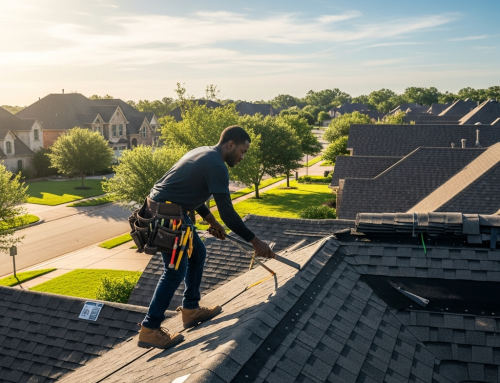
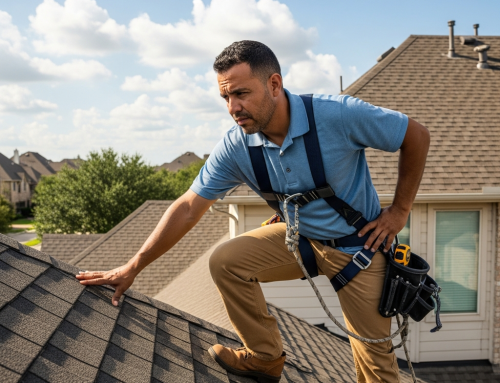
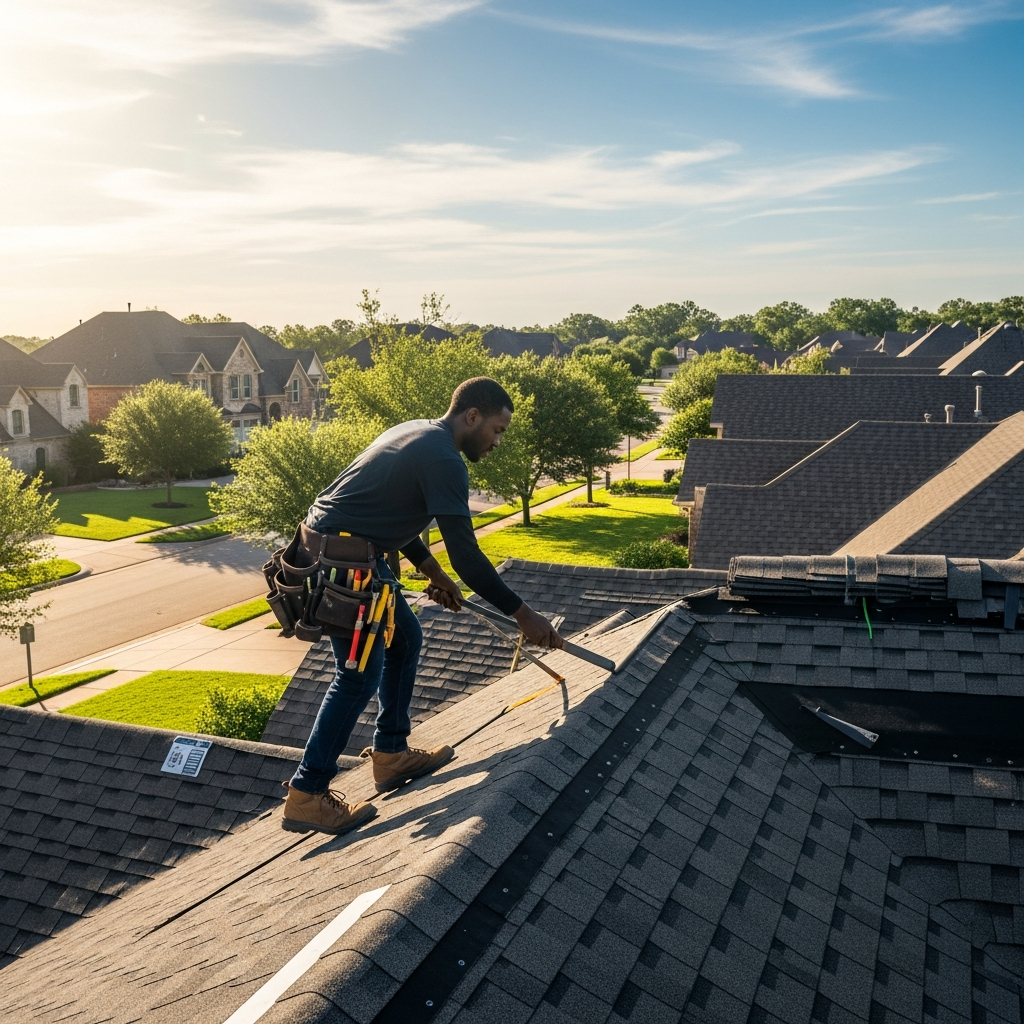
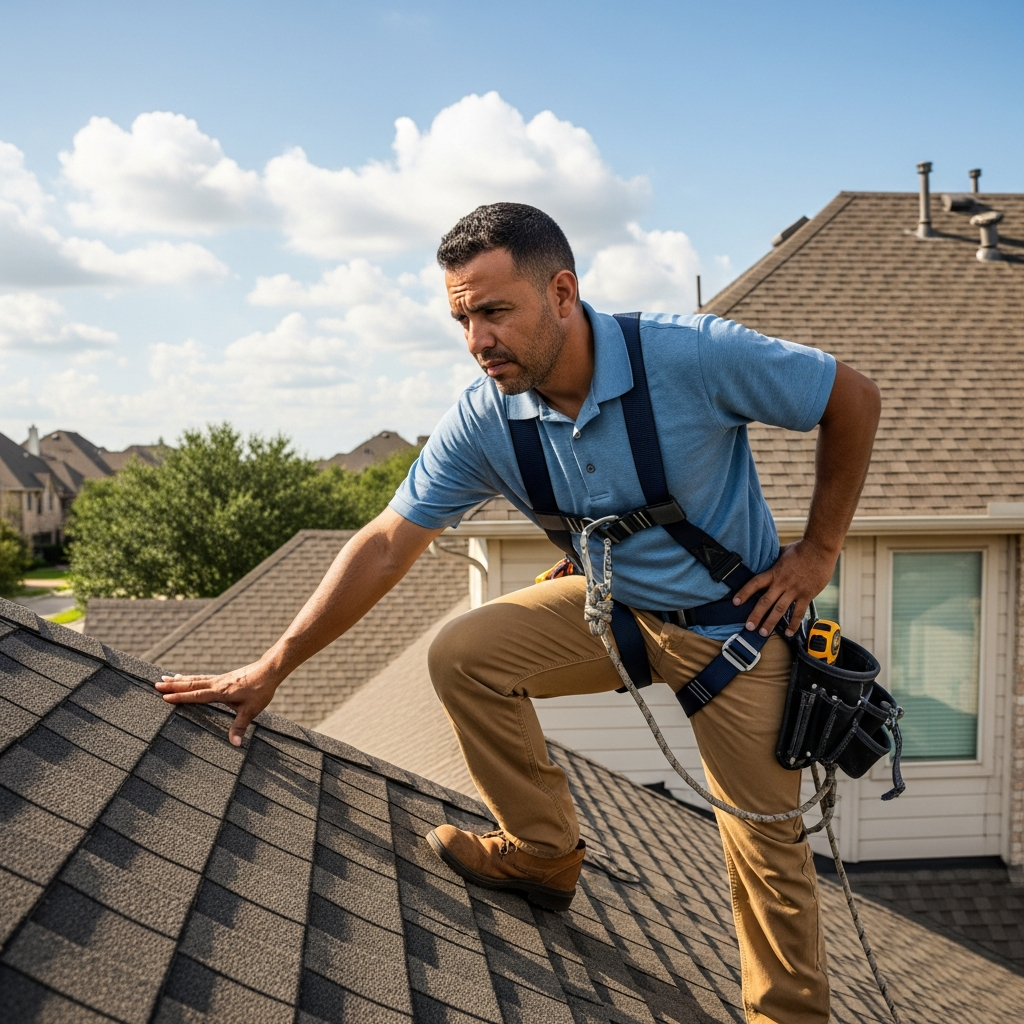
A good roofer will climb up there, take a thorough look around, and give you options. Real options, with honest pricing and realistic timelines. They’ll explain what they see, what needs attention now, and what might need watching down the road.
You don’t have to figure this out alone. Give us a call, and let’s get someone out to take a look at what’s really going on up there. Sometimes the solution is simpler than you think.