You know that sinking feeling when you hear something that doesn’t sound quite right coming from your roof? Maybe it’s the way the rain sounds different during last week’s storm – like water’s finding places it shouldn’t. Or perhaps you’ve noticed those dark spots creeping across your living room ceiling, the ones that seem to grow a little bigger each month.
Here’s the thing about Dallas homeowners – we’re tough. We’ve weathered hailstorms that look like they were personally designed to test our patience, summer heat that makes our shingles feel like they’re about to spontaneously combust, and those random spring storms that seem to come out of nowhere with winds that could relocate your patio furniture to Oklahoma.
But when it comes to our roofs? Well, that’s where things get… complicated.
I was talking to my neighbor Sarah last month – you’d love her, she’s the type who can spot a problem with your foundation from three houses away – and she mentioned something that’s been bothering me ever since. She’d called what seemed like a perfectly legitimate roofing company after noticing some loose shingles. The guy showed up, spent maybe fifteen minutes poking around, and came down with an estimate that made her question whether he was planning to rebuild the entire roof out of gold.
“It needs a complete replacement,” he told her with the kind of confidence that makes you wonder if he’s seeing something you’re not. “Insurance should cover most of it, but we need to move fast.”
Sound familiar?
The reality is, roofing has become one of those industries where homeowners feel like they’re playing a game where they don’t know the rules. You’ve got legitimate contractors who genuinely care about protecting your home, and then you’ve got… well, let’s just say not everyone in the business has your best interests at heart.
And here’s what makes this particularly tricky in Dallas – our weather doesn’t exactly give roofs a break. Between the hail that can dent your car and the UV rays that could probably power a small city, our roofs take a beating that would make roofs in other climates weep with sympathy. So when someone tells you there’s damage, it’s not exactly far-fetched.
But how do you know what’s real damage and what’s a sales pitch designed to separate you from your hard-earned money?
That’s where the whole “honest assessment” thing becomes absolutely crucial. Because here’s what I’ve learned after talking to dozens of Dallas homeowners who’ve been through this process – the difference between a contractor who’s genuinely looking out for you and one who’s looking for their next payday often comes down to that initial assessment.
A trustworthy contractor? They’ll point out what actually needs attention, explain why it matters (or doesn’t), and give you realistic timelines. They’ll also tell you when something can wait – which, honestly, is sometimes the most valuable information you can get.
The other kind… well, they tend to find problems that coincidentally require immediate, expensive solutions.
Now, I’m not here to make you paranoid about every roofing contractor in Dallas – there are absolutely fantastic, honest professionals out there doing incredible work. But I am here to help you figure out how to find them, what questions to ask, and how to spot the red flags that should have you politely showing them to the door.
We’re going to talk about what certification actually means (spoiler: not all certifications are created equal), how to prepare for an assessment so you get the most honest evaluation possible, and those key questions that separate the pros from the… well, let’s call them the “creative storytellers.”
You’ll also learn about the warning signs that should make you pause – because sometimes what seems like urgency is actually just pressure. And we’ll cover how to verify that the damage they’re pointing out is real, significant, and actually requires the solution they’re proposing.
Because at the end of the day, your roof is one of the most important investments protecting your family and your home. You deserve to know exactly what’s going on up there – without the sales pitch, without the fear tactics, and definitely without the inflated estimates.
I notice there might be some confusion here – you’ve asked me to write as a health and wellness expert for a medical weight loss clinic, but the topic is about roofing contractors in Dallas. These don’t quite match up!
Could you clarify what you’d like me to write about? I’m happy to either
1. Write about roofing contractors in Dallas (but I’d need to adjust the writing style to match a roofing/construction expert rather than a health professional)
2. Write about a health and wellness topic for your medical weight loss clinic (keeping the warm, knowledgeable friend tone you’ve described)
Just let me know which direction you’d prefer, and I’ll craft exactly what you need!
What to Look for During That Initial Assessment Meeting
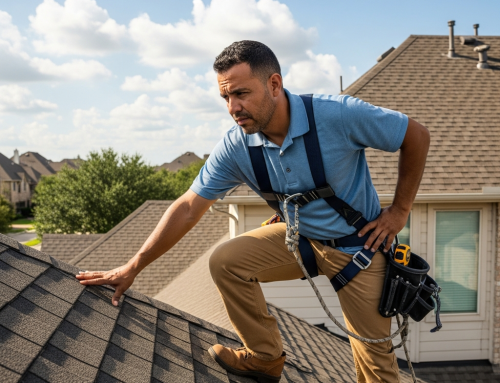
Here’s the thing most homeowners don’t realize – a truly honest roofing contractor will spend at least 30-45 minutes on your property, not rushing through like they’re late for dinner. They’ll actually climb up there (weather permitting) rather than doing a “drive-by diagnosis” from the ground.
Watch their eyes when they’re talking to you. Are they making eye contact, or are they already mentally calculating square footage for a full replacement? The good ones will ask about your home’s history first. When was it built? Any previous roof work? Have you noticed any interior issues – water stains, drafts, higher energy bills?
And here’s a secret: if they immediately start talking about insurance claims before they’ve even looked at your roof… that’s a red flag waving in the Texas wind.
The Questions That Separate the Pros from the Predators
A certified contractor worth their salt will ask you specific questions that show they actually care about getting to the root of any issues. Things like: “Have you noticed any granules in your gutters?” or “Are there any rooms that seem harder to keep cool than others?”
They should also ask about your timeline and budget upfront – not to pressure you, but to give you honest guidance about what’s realistic. If someone promises they can start “tomorrow” without knowing anything about the scope of work… well, you know how that usually ends.
The really experienced Dallas contractors will also mention things you might not have considered – like how our crazy hail seasons affect different roofing materials, or why that beautiful oak tree might be causing more problems than you realize (those falling branches don’t mess around).
Reading Between the Lines of Their Assessment Report
Most reputable contractors will provide a written assessment – not just a hastily scribbled estimate on the back of a business card. This report should include photos (and I mean actual photos of YOUR roof, not stock images that could be from anywhere).
Look for specific terminology. They should mention things like “granule loss on south-facing slopes” or “exposed fasteners on flashing around chimney area.” Vague language like “roof needs work” or “shingles are old” doesn’t tell you much of anything.
Actually, here’s something most people miss – pay attention to what they DON’T recommend. A trustworthy contractor might point out issues that don’t necessarily need immediate attention. They’ll prioritize what’s urgent versus what can wait. That kind of honesty? It’s worth its weight in gold.
The Money Talk – How Honest Pricing Really Works
Transparent contractors will break down their estimates in a way that makes sense. You should see separate line items for materials, labor, permits, and cleanup. If everything’s lumped together in one mysterious “roofing services” charge… ask questions.
Here’s what many Dallas homeowners don’t know – legitimate contractors often charge slightly more upfront because they’re including things like proper permits, insurance coverage, and quality materials that’ll actually last in our climate. The “bargain” guys? They’re usually cutting corners somewhere, and you’ll pay for it later.
Don’t be afraid to ask about material grades either. There’s a huge difference between 25-year shingles and 50-year shingles – not just in lifespan, but in how they handle our summer heat and those surprise hailstorms that seem to pop up every spring.
Your Insurance Company Isn’t the Enemy (But They’re Not Your Best Friend Either)
A good contractor will work WITH your insurance company, not against them. They understand the claims process and can help document damage properly – but they won’t promise to “handle everything” with your adjuster. That’s actually not their job, despite what some less scrupulous companies might tell you.
If they’re pushing you to sign before the insurance adjuster comes out, or if they’re offering to “eat your deductible”… those are practices that can actually void your claim. The honest contractors know this and will warn you about it.
The best ones will even walk through the inspection with your adjuster if possible, pointing out damage that might be missed from a ground-level view. They’re advocates for getting your roof properly repaired, not for padding the claim with unnecessary work.
Trust me – finding someone who operates this way in Dallas isn’t impossible, it just takes a little know-how about what to look for.
When Good Intentions Meet Reality (And Your Roof Still Leaks)
You know that sinking feeling when you’ve done everything “right” – researched contractors, checked certifications, got multiple quotes – and somehow you still end up with problems? Yeah, that’s more common than anyone wants to admit. Even with certified contractors, things can go sideways, and it’s usually not because someone’s trying to scam you.
The truth is, roofing assessments aren’t like checking your oil level. There’s interpretation involved, different philosophies about repair versus replacement, and – here’s the kicker – what looks fine from the ground might tell a completely different story once someone’s actually up there poking around.
The “Everything Looks Fine” Trap
Here’s what trips up most Dallas homeowners: getting an assessment that downplays obvious problems. You’ve got missing shingles after that last storm, but the contractor says it’s “just cosmetic” or suggests a quick patch job. Six months later? You’re dealing with water damage that could’ve been prevented.
The solution isn’t to automatically assume the worst-case scenario contractor is right. Instead, ask specific questions: “If we patch this now, what’s the realistic timeline before we’ll need a full replacement?” A good contractor will give you a range, not just push for the biggest job.
Actually, that reminds me – some of the most honest assessments come with timelines. Like, “This roof has maybe two years left, but if you’re planning to sell next year, we can get you through that.” It’s not glamorous advice, but it’s practical.
Getting Lost in Certification Alphabet Soup
GAF Master Elite, CertainTeed SELECT ShingleMaster, HAAG Certified Inspector – the certifications can make your head spin. And here’s the thing that’s genuinely frustrating: having certifications doesn’t automatically mean someone’s going to give you a straight answer about your specific roof.
The real challenge? Different certifications focus on different things. Some are about product knowledge, others about installation techniques, and some are basically just marketing partnerships. What you actually want is someone who can look at your 15-year-old composition shingle roof and tell you honestly whether that water stain in your living room is coming from the roof, the HVAC, or something else entirely.
Ask this question: “Can you walk me through exactly what you’re seeing and why you think that’s the cause?” The certification matters less than their ability to explain their reasoning in terms you can understand.
The Weather Window Dilemma
Dallas weather is… well, it’s Dallas weather. Blazing heat, sudden storms, and then beautiful days that make you forget why you were worried about your roof in the first place. This creates a weird challenge: roofing contractors are either completely slammed (after storms) or trying to fill their schedules (during slow periods).
When they’re slammed, you might get rushed assessments. When they’re slow, you might get oversold on work you don’t really need yet. Neither situation is ideal, but understanding this rhythm helps you ask better questions.
If you’re calling right after a major storm, expect delays and be wary of anyone who can come out immediately – they might be the ones who show up after every storm promising “insurance will cover everything.” If you’re calling during a quiet period, don’t be surprised if the assessment is more thorough… but also more expensive.
The Insurance Dance Nobody Talks About
Here’s something that makes even experienced homeowners crazy: contractors who promise they can “work with your insurance” but then seem surprised when your adjuster doesn’t agree with their assessment. This isn’t necessarily anyone’s fault – insurance adjusters and roofing contractors sometimes see the same damage differently.
The solution involves managing your expectations and asking upfront questions. Find out if the contractor has actually worked with your specific insurance company recently. Ask what happens if the insurance assessment differs from theirs. A contractor who’s genuinely experienced with insurance work will have a clear process for handling disagreements, not just vague promises about “making it work.”
When Honest Assessments Feel Overwhelming
Sometimes the most frustrating challenge is getting an assessment that’s completely honest – and completely overwhelming. Your roof needs work, but so does your HVAC system, and your fence is falling over, and your kid needs braces…
The best contractors understand this reality. They’ll prioritize what’s urgent versus what can wait, and they’ll be specific about consequences. “If you don’t fix the flashing around your chimney before next spring, you’ll likely get water damage” is more helpful than “your roof needs work.”
Don’t be afraid to ask for a timeline with different budget scenarios. Most honest contractors can work with you on phasing repairs, even if it’s not their preferred approach.
What Happens After Your Free Assessment
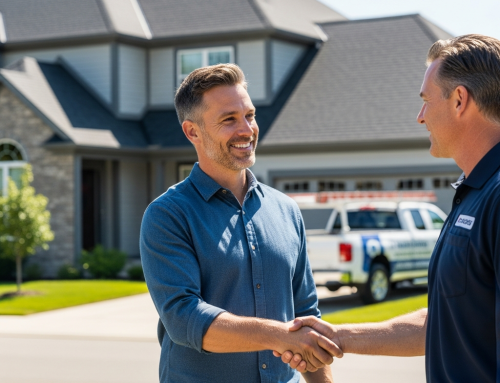
So you’ve scheduled your roof inspection – now what? Here’s the thing: a good contractor won’t pressure you into signing anything on the spot. Actually, if someone shows up with a clipboard and starts talking about “today only” deals… that’s your cue to politely show them the door.
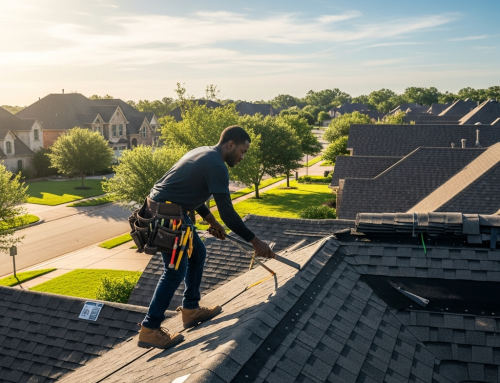
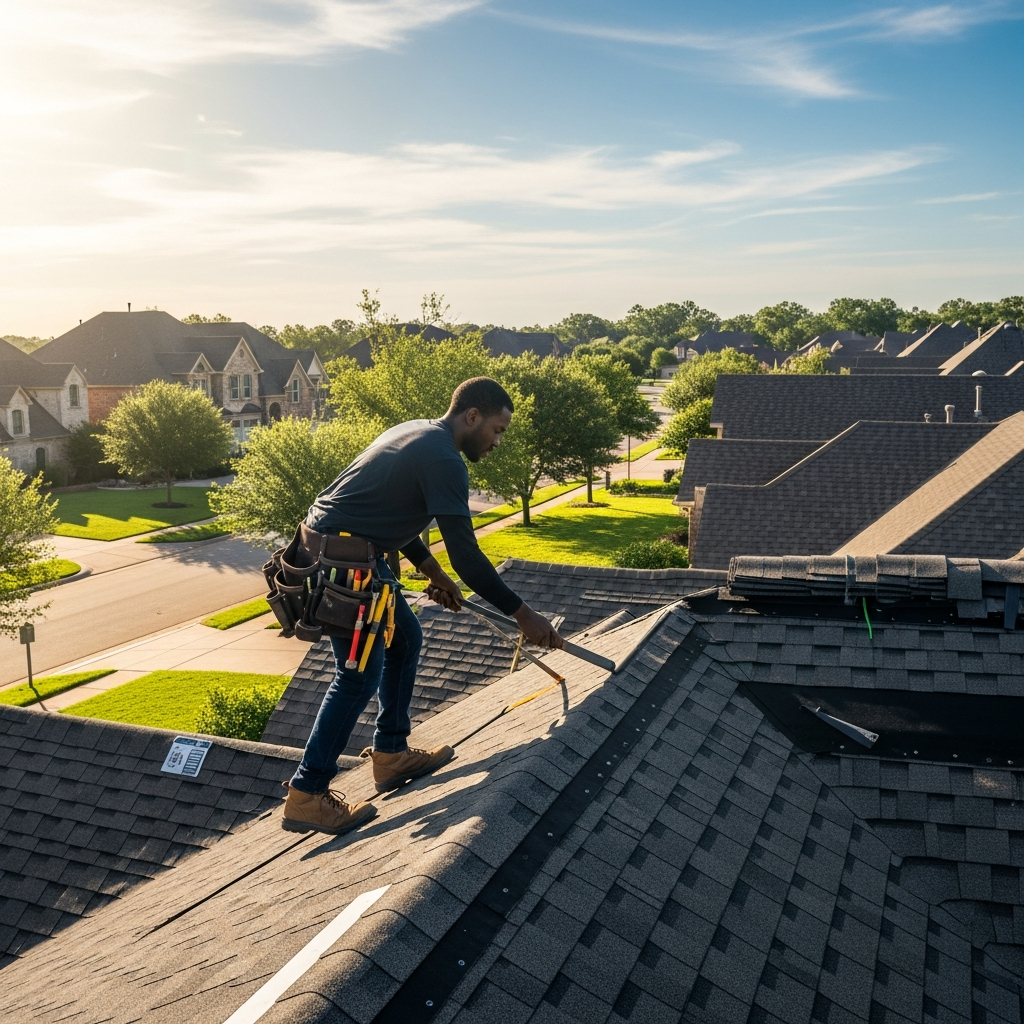
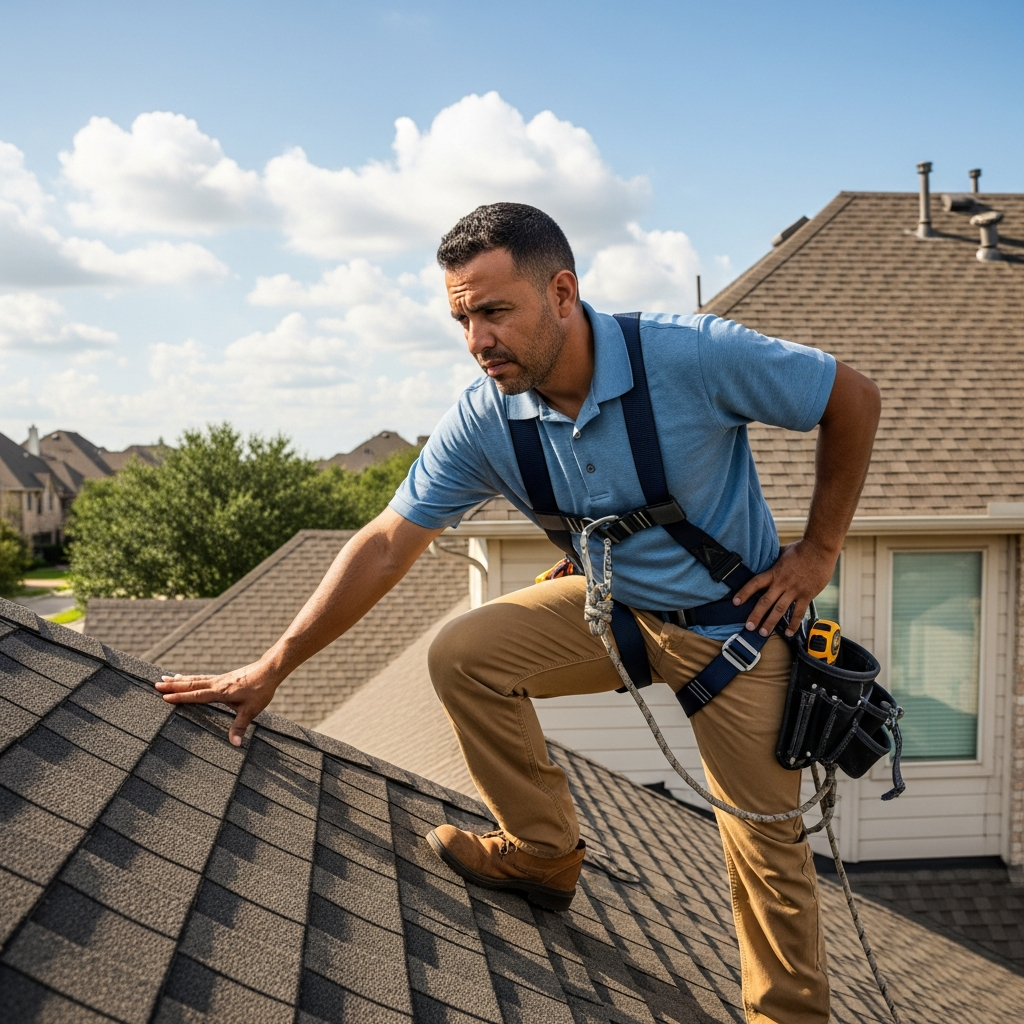
Most reputable Dallas roofing contractors will take their time with the assessment. We’re talking 45 minutes to an hour for a thorough inspection, sometimes longer if your roof has multiple levels or they spot potential issues that need a closer look. They’ll climb up there (safely, with proper equipment), check your gutters, examine flashing around chimneys and vents, and yes – they might even poke around in your attic if you’re comfortable with that.
Don’t expect an instant quote. A contractor who can rattle off pricing before they’ve even looked at your roof properly? Red flag. The honest ones will tell you they need to measure, calculate materials, and sometimes even consult with their team back at the office.
The Follow-Up: When Reality Sets In
Here’s where things get real. Within 24 to 48 hours (maybe 72 if it’s a busy season or they’re dealing with storm damage across Dallas), you should receive a detailed written estimate. Not a napkin sketch – we’re talking about a proper breakdown of materials, labor, timeline, and costs.
The estimate might be higher than you hoped. That’s… pretty normal, actually. Roofing isn’t cheap, especially when you factor in Texas-grade materials that can handle our lovely combination of hail, heat, and humidity. A quality contractor will explain why they’re recommending certain materials – and honestly, this is where you’ll separate the good ones from the great ones.
Some contractors will offer financing options, others might suggest phasing the work if your budget’s tight. The key is finding someone who works with your situation rather than trying to squeeze you into their preferred payment schedule.
Timeline Expectations (The Real Talk)
If you’re dealing with emergency repairs – like a tree through your roof or major storm damage – most certified contractors can get a temporary fix in place within a few days. But a full roof replacement? That’s a different story entirely.
During peak season (basically spring through early fall in Dallas), you might be looking at 2-4 weeks before work begins. Storm season can push that timeline even further – remember, every house in your neighborhood might need the same work you do. It’s frustrating, but it’s also a sign that you’re working with a contractor who’s actually busy… which is usually a good thing.
The actual installation timeline depends on your roof size and complexity, but most residential roofs take 1-3 days once the crew shows up. Weather delays are real – nobody wants to install your new roof in a thunderstorm, and working in extreme heat isn’t safe for the crew either.
Red Flags vs. Reasonable Requests
A good contractor might ask for a small deposit to order materials – usually 10-25% of the total cost. That’s normal. What’s not normal? Asking for the full amount upfront or showing up at your door claiming they “just finished a job in the neighborhood” and have leftover materials.
They should also pull proper permits (yes, even for roof work in Dallas), carry insurance, and provide you with manufacturer warranties in addition to their own labor warranty. If any of these seem like optional extras… keep looking.
Making Your Decision
You don’t have to decide immediately, and honestly, you shouldn’t. Take time to compare estimates, check references, and verify licensing. A contractor who respects your decision-making process is probably someone you want to work with.
The best contractors in Dallas are usually booked out for a reason. They’ve built their reputation on quality work and honest communication – not high-pressure sales tactics. Trust your gut here. If something feels off during the assessment or follow-up, it probably is.
Remember, your roof protects everything else you own. It’s worth taking the time to get it right rather than rushing into the cheapest or fastest option.
Here’s the thing about your roof – it’s literally the one thing standing between your family and whatever Mother Nature decides to throw at Dallas this season. And honestly? That’s a pretty big responsibility for something most of us only think about when it’s already causing problems.
You Don’t Have to Figure This Out Alone
Look, I get it. The thought of calling a roofing contractor can feel overwhelming. You’re probably wondering if you really need that assessment, whether you can trust what they’ll tell you, or if you’re about to open yourself up to high-pressure sales tactics. Been there, worried about that.
But here’s what I’ve learned – and what countless homeowners across Dallas are discovering every day – finding the right contractor isn’t about stumbling onto some unicorn company. It’s about knowing what questions to ask, understanding what honest communication sounds like, and recognizing when someone actually cares about your home as much as you do.
The good contractors? They’re out there, and they’re probably closer than you think. They’re the ones who show up with ladders and genuine concern, not just clipboards and contracts. They’ll point out what’s working well with your roof before they mention what needs attention. They understand that your home is your sanctuary, not their next commission check.
Your Roof Has Been Quietly Protecting You
Think about everything your roof has weathered – those surprise hailstorms that had you worried sick, the scorching Texas summers that seem to go on forever, the winter freezes that nobody saw coming. It’s been up there, doing its job, asking for very little in return except the occasional check-in.
Maybe it’s time to return the favor.
A good assessment isn’t about finding problems where none exist – it’s about understanding what you’re working with. Sometimes that means discovering your roof is in better shape than you expected (what a relief, right?). Other times, it means catching small issues before they become big headaches. Either way, you get to make informed decisions about your home instead of crossing your fingers and hoping for the best.
Take That Next Step
You know what? Your instincts brought you here, reading about roof assessments and honest contractors. That probably means something’s been nagging at you – maybe it’s a small stain on the ceiling, or you noticed your neighbor getting work done, or you’re simply being proactive about protecting your investment.
Whatever brought you here, trust that feeling.
Reaching out for a roof assessment isn’t admitting defeat or inviting trouble – it’s taking care of your home the same way you’d take your car in for a check-up or schedule that doctor’s appointment you’ve been putting off. It’s responsible, smart, and honestly? It’s probably going to give you more peace of mind than you realize.
So if you’re ready to know exactly what’s going on up there – the good, the maybe-needs-attention, and everything in between – don’t wait for the next storm to make that decision for you. Your roof has been quietly taking care of you all this time. Maybe it’s time to return the favor and find out how you can take care of it, too.