How Do I Compare Quotes From Roofing Contractors Near Me in Dallas?
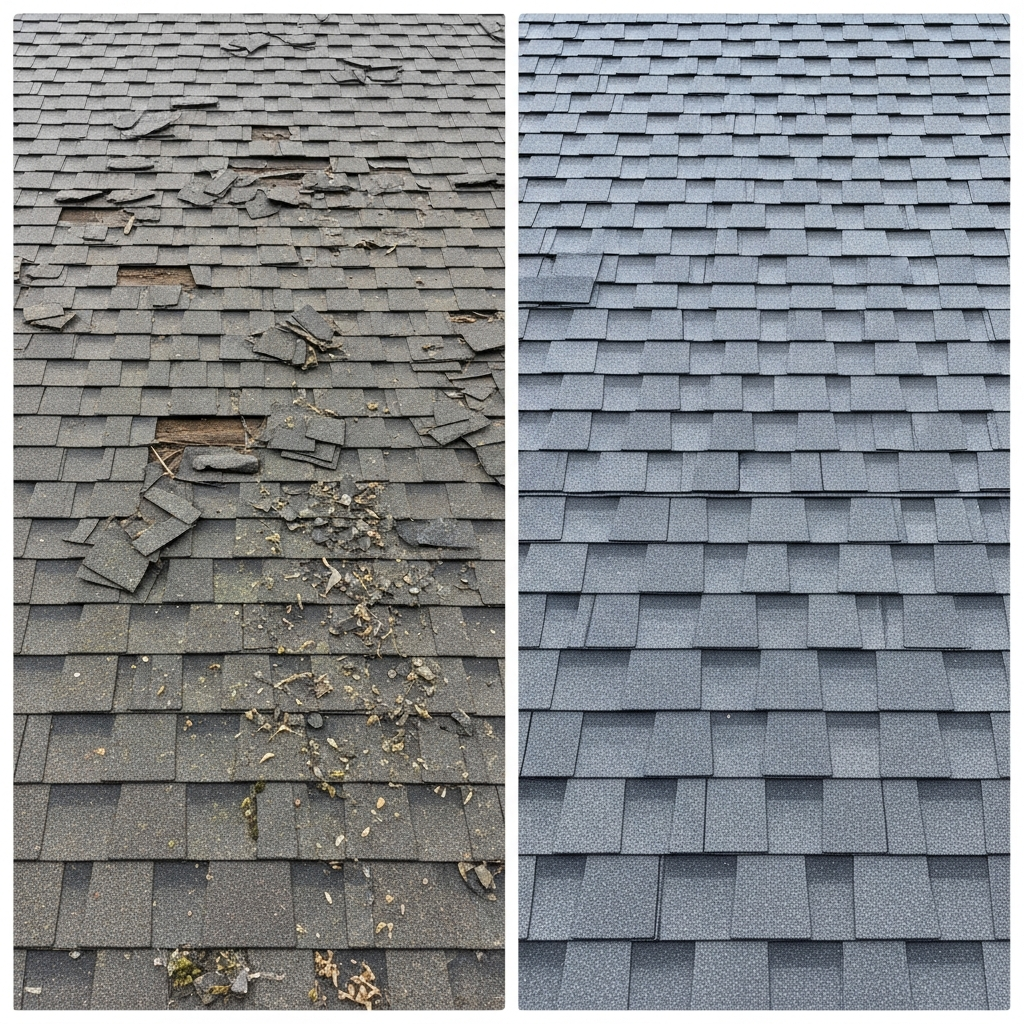
You know that sinking feeling when you walk outside after a storm and see… well, let’s just say your roof isn’t looking quite as waterproof as it did yesterday morning?
Maybe it was that hail storm last Tuesday that had your neighbors all scrambling to check their attics. Or perhaps you’ve been ignoring that suspicious water stain on your ceiling for months (we’ve all been there), telling yourself it’s probably just… condensation? From what, exactly, you’re not entirely sure.
Now you’re staring at your phone, thumb hovering over the search bar, about to type “roofing contractors Dallas” – and suddenly you realize you have absolutely no idea what comes next. Sure, you’ll get a list of companies. Probably dozens of them, all claiming to be the best, most trusted, most affordable option in the metroplex. Great. Super helpful.
Here’s the thing about getting roofing quotes in Dallas – it’s not like shopping for groceries where you can compare apples to apples (literally). One contractor gives you a number that makes your eye twitch. Another comes in so low you wonder if they’re planning to fix your roof with duct tape and good intentions. The third guy… well, he spent twenty minutes explaining why your gutters are also a problem, your siding needs work, and have you considered solar panels?
I’ve been helping homeowners navigate these waters for years, and honestly? The quote comparison process doesn’t have to feel like you need a degree in construction management just to protect your investment. But here’s what I’ve learned – most people approach this completely backwards.
They call around, get some numbers, and pick the middle option thinking they’re being smart. Or they go with the lowest bid because, hey, a roof is a roof, right? (Spoiler alert: it’s really not.) Sometimes they choose based on who showed up first, or who had the fanciest truck, or – and I see this a lot – whoever made them feel less stupid for not knowing the difference between architectural shingles and… well, whatever the other kind are.
The truth is, comparing roofing quotes isn’t really about the numbers at the bottom of the page. Don’t get me wrong – price matters, especially when we’re talking about potentially thousands of dollars. But if you’re only looking at the total cost, you’re missing about 80% of what actually determines whether you’ll be happy with your decision a year from now.
Think about it this way: you wouldn’t choose a surgeon based solely on who charges the least, would you? Your roof is literally what stands between your family and everything Mother Nature throws at North Texas – and if you’ve lived here for more than five minutes, you know she’s got quite an arsenal.
What you really need is a way to decode what these contractors are actually offering, spot the red flags that could cost you big time down the road, and figure out which company will still answer your calls if something goes wrong next winter. You need to know what questions to ask that separate the pros from the guys who learned roofing from YouTube videos. And honestly? You need to understand what you’re buying well enough that you won’t feel completely helpless when some contractor starts throwing around terms like “flashing” and “underlayment.”
Over the next few minutes, we’re going to walk through exactly how to collect quotes that you can actually compare – not just the dollar amounts, but everything that matters. We’ll talk about what should be included in every legitimate estimate, the warning signs that should send you running, and how to spot quality workmanship before anyone even touches your roof.
You’ll learn what questions to ask that make contractors take you seriously (trust me, there’s a difference), how to verify that these companies are actually legit, and – this is important – how to protect yourself from the high-pressure sales tactics that pop up like dandelions after every storm.
Because here’s the deal – you’re probably going to live with this decision for the next 15 to 20 years. Might as well make sure you get it right.
Why Getting Multiple Quotes Isn’t Just Smart – It’s Essential
You wouldn’t buy the first car you test drive, right? Same logic applies to roofing contractors. But here’s where it gets tricky – unlike cars, roofs aren’t something most of us shop for regularly. Actually, if you’re like most homeowners, this might be your first rodeo with roof replacement quotes.
The thing is, roofing quotes can vary wildly. I’m talking thousands of dollars in difference for the exact same job. It’s not always about one contractor trying to rip you off (though… that happens too). Sometimes it’s about different approaches, materials, or – let’s be honest – how busy they are. A contractor who’s swamped might quote high because they don’t really need your job. Another might be hungry for work and price aggressively.
The Anatomy of a Roofing Quote – What You’re Actually Comparing
This is where things get interesting, because not all quotes are created equal. Think of it like restaurant menus – one place lists “chicken dinner” for $15, another lists “herb-crusted free-range chicken breast with seasonal vegetables and artisan bread” for $28. Are you comparing the same thing? Hard to tell.
Roofing quotes work similarly. One contractor might give you a bare-bones estimate: “Replace roof – $12,000.” Another provides a detailed breakdown covering everything from permit fees to cleanup costs. The detailed quote might look more expensive at first glance, but you’re actually seeing the full picture instead of getting hit with surprise costs later.
Labor costs typically eat up about 60% of your total bill – that’s the biggest chunk. Then you’ve got materials (obviously), disposal of your old roof, permits, and all those little extras that add up faster than you’d expect.
Materials Matter More Than You Think
Here’s something that confused me when I first learned about roofing: not all shingles are created equal, even within the same brand. It’s like comparing a basic Honda Civic to a fully-loaded Accord – they’re both Hondas, but the price difference reflects real differences in quality and features.
Architectural shingles versus three-tab shingles… different weights, different lifespans, different looks. Some contractors default to the cheapest option unless you specify otherwise. Others automatically quote premium materials. This is why two quotes for “asphalt shingle roof replacement” can be thousands apart – you might be comparing apples to oranges without realizing it.
And don’t get me started on the underlayment (that’s the protective layer under your shingles). Some contractors use basic felt paper, others use synthetic materials that cost more but last longer. Guess which approach shows up cheaper in the initial quote?
The Hidden Variables That Mess With Your Comparisons
This part’s honestly a bit frustrating – there are so many variables that can throw off your quote comparisons. Roof complexity is huge. A simple rectangular roof? Pretty straightforward. But add some dormers, skylights, multiple levels, or unusual angles… suddenly you’re in custom territory where experience and expertise really matter.
Weather timing affects pricing too – and in Dallas, we all know how unpredictable that can be. Contractors might charge more during storm season when everyone suddenly needs roof work. Supply chain issues (remember 2021?) can make material costs swing wildly between quotes obtained just weeks apart.
Then there’s the warranty situation, which… honestly, it’s more complicated than it should be. Some contractors offer extensive workmanship warranties, others stick to basic manufacturer coverage. The contractor with the better warranty might cost more upfront but save you headaches down the road.
Why Your Neighbor’s Experience Might Not Match Yours
You know how your neighbor always has opinions about contractors? Take those with a grain of salt. Their roof situation probably differs from yours – different size, different pitch, different access challenges. What worked perfectly for them might be overkill (or underkill) for your situation.
Plus, contractor availability and pricing change constantly. That “amazing deal” your neighbor got last spring might not be available now, or that contractor might be booked solid for months. The roofing business is surprisingly seasonal and demand-driven, which means pricing fluctuates more than you’d expect.
What Red Flags Should Stop You in Your Tracks
You know that feeling when something seems too good to be true? Trust it. Door-to-door contractors offering “leftover materials from a job down the street” are basically the equivalent of those emails from Nigerian princes. Same energy, different scam.
Here’s what should make you pause: quotes that are dramatically lower than others (we’re talking 40% or more), contractors who demand full payment upfront, or anyone pushing you to sign “today only” deals. Actually, that reminds me of a client who almost fell for the “we can start tomorrow if you sign now” pitch. Turns out the contractor’s license had expired two years ago.
Also – and this might sound obvious – but check if they actually have a physical address. Not a P.O. Box, not “I’ll text you my location.” A real business address you can verify on Google Street View.
Breaking Down the Fine Print (Because Someone Should)
Most people skim contract details like they’re reading terms of service for an app update. Don’t be most people. Look for specifics about materials – not just “shingles” but the exact brand, model, and warranty length. If they list “premium roofing materials,” that’s about as useful as saying you’ll eat “food” for dinner.
Pay attention to cleanup language too. Some contractors consider cleanup “removing large debris” while leaving your yard looking like a construction tornado hit it. You want explicit language about magnet sweeps for nails, disposal of old materials, and restoring landscaping they damage.
Weather delays should be addressed upfront. Dallas weather can be… unpredictable, let’s say. A good contract specifies how rain delays affect timelines without penalizing you or leaving your half-finished roof exposed for weeks.
The Money Talk (It’s Always Awkward, But Necessary)
Here’s something most homeowners don’t realize: the payment schedule tells you a lot about a contractor’s financial health and business practices. Legitimate contractors typically ask for a small amount upfront – maybe 10-15% – with the bulk paid upon completion.
If someone wants 50% down, they’re either financing their business with your money (red flag) or they’ve had customers stiff them before (different red flag). Neither situation works in your favor.
Get everything in writing about change orders too. Prices have a funny way of creeping up when you’re dealing with someone who quotes verbally. “Oh, we didn’t mention the extra charge for disposal” becomes a lot harder to pull when it’s explicitly included in your written estimate.
Making Apples-to-Apples Comparisons Actually Work
This is where it gets tricky – and where most people make costly mistakes. You can’t just line up three quotes and pick the middle number, hoping it’s the “safe” choice.
Create a simple spreadsheet (or even a piece of paper) with categories: materials quality, warranty length, cleanup inclusion, timeline, total cost, and payment schedule. Sometimes the “expensive” quote becomes the best value when you realize it includes things others charge extra for later.
Don’t forget about the intangibles either. Which contractor answered your questions without making you feel like you’re bothering them? Who showed up on time for the estimate? These details matter when you’re trusting someone with a $15,000+ project on your most valuable asset.
Trust Your Gut (It’s Smarter Than You Think)
After all the spreadsheets and contract reviews, sometimes it comes down to that feeling in your stomach. The contractor who seems rushed, pushy, or evasive about references probably isn’t hiding good news.
I’ve seen too many homeowners ignore their instincts because the price was right, only to regret it when communication breaks down mid-project or corners get cut when they think you’re not watching.
The best contractors? They’re usually booked out several weeks (good sign), they ask YOU questions about what you want, and they explain things without talking down to you. They also don’t mind if you want to sleep on the decision or get a second opinion.
Your roof replacement isn’t an emergency purchase (unless actual emergency circumstances brought you here). Take the time to feel confident in your choice – your future self will thank you when the next big storm rolls through Dallas.
When Contractors Speak a Different Language
You know that feeling when you’re at the mechanic and they start rattling off technical terms that might as well be ancient Greek? Roofing contractors do the same thing. They’ll throw around words like “ice and water shield,” “drip edge,” and “valley flashing” like you’re supposed to know what they mean.
Here’s the thing – you don’t need to become a roofing expert overnight, but you do need to understand the basics. When you get quotes that mention completely different materials or methods, it’s impossible to compare apples to apples. One contractor might include synthetic underlayment while another uses felt paper. The difference? About $500-800 in cost and significantly different performance.
The fix: Ask each contractor to explain their material choices in plain English. A good contractor won’t mind breaking it down – they’ll actually appreciate that you care enough to ask. If they get annoyed or brush you off… well, that tells you something important about how they’ll handle problems later.
The Lowest Bid Trap (And Why Your Gut Knows Better)
We’ve all been there. You get five quotes, and one comes in at $8,000 while the others hover around $12,000-14,000. Your brain immediately jumps to “jackpot!” but your stomach feels… off.
Trust that feeling.
That low-ball quote usually means one of three things: they’re cutting corners on materials, they’re planning to hit you with change orders later, or they’re desperate for work (which might mean they’re not very good at what they do). I’ve seen homeowners choose the cheapest option only to end up paying more in the long run when they have to fix shoddy work or deal with leaks.
The reality check: If a quote is significantly lower than the others – we’re talking 20% or more – there’s almost always a reason. Don’t be afraid to ask pointed questions: “Your quote is quite a bit lower than others I’ve received. Can you help me understand why?” A legitimate contractor will explain their reasoning. A sketchy one will dodge the question.
When Everyone Insists Their Way is “Industry Standard”
Here’s where it gets maddening – every contractor will tell you their approach is the “right” way or the “industry standard.” One swears by architectural shingles, another pushes metal roofing, and a third insists tile is the only sensible choice for Dallas weather.
The truth? There usually isn’t one “right” answer. Your roof needs depend on your specific house, your budget, and honestly, what you can live with. A contractor who immediately dismisses other options without hearing about your priorities is probably more interested in selling what’s profitable for them than what’s right for you.
Cut through the noise: Ask each contractor to explain why they’re recommending their solution for your specific situation. What about your house, your neighborhood, or your stated priorities led them to this recommendation? The answers will tell you who’s actually paying attention and who’s just running through their standard sales pitch.
The Change Order Nightmare
This one’s brutal. You sign a contract for $12,000, work starts, and suddenly you’re hearing about “unexpected issues” that’ll cost another $3,000. Some of these are legitimate – you really can’t know what’s under old roofing until you tear it off. But others… not so much.
The worst part? By the time change orders come up, your roof is already torn apart. You’re basically held hostage. It’s like being told your car needs a new transmission after they’ve already taken the engine apart.
Protect yourself: Ask upfront about potential additional costs. What typically gets discovered once work starts? How do they handle change orders? Get it in writing that any additional work over $500 requires your written approval. And honestly – set aside 10-15% of your budget for surprises. Better to have it and not need it than the other way around.
When Schedules Turn Into Suggestions
“We’ll start next Tuesday” somehow becomes “we’ll get to you sometime in the next few weeks.” Dallas weather doesn’t help – summer heat and sudden storms can throw schedules into chaos. But the real issue is contractors who overbook themselves or don’t communicate when delays happen.
Stay sane: Ask about their current workload and realistic timelines upfront. A contractor who promises to start tomorrow when everyone else says two weeks? Red flag. And insist on regular updates – even if it’s just a quick text about delays.
What to Expect After Getting Your Quotes
Okay, so you’ve got your quotes in hand – now what? First things first: don’t expect contractors to get back to you instantly. Good roofers in Dallas are busy (especially during storm season), and a quality estimate takes time to prepare properly.
Most reputable contractors will get you a detailed quote within 3-7 business days. If someone shows up at your door the same day with a “special deal” that expires tomorrow… well, that’s usually not the contractor you want working on your biggest investment.
When those quotes start rolling in, you might feel a bit overwhelmed. The prices could vary by thousands of dollars, and honestly? That’s completely normal. You’re not just comparing apples to apples here – you’re looking at different materials, warranties, labor practices, and company overhead costs.
Making Sense of the Numbers (And Everything Else)
Here’s something I wish more homeowners knew: the cheapest quote isn’t automatically a red flag, but it deserves extra scrutiny. Same goes for the most expensive one, actually.
Take your time reviewing each proposal. We’re talking about your home here – the place where you make pancakes on Sunday mornings and argue over the thermostat setting. A good contractor won’t pressure you to sign immediately.
Look for contractors who include detailed breakdowns of materials, labor, permits, and cleanup. Vague line items like “roofing work – $15,000” should make you pause. You want transparency, not mystery math.
And here’s a reality check about timing… if a contractor says they can start next week during peak roofing season (hello, spring in Dallas), be a little skeptical. Quality contractors usually have a backlog, especially after those lovely Texas hailstorms we all know and love.
The Decision Timeline That Actually Works
Give yourself at least a week to review quotes thoroughly – more if you’re not dealing with emergency damage. This isn’t like buying a coffee maker on Amazon; you can’t just return it if you don’t like how it works out.
During this time, don’t be afraid to call contractors with questions. Actually, please do call them. How they handle your follow-up questions tells you a lot about how they’ll handle issues that come up during the job (and trust me, something always comes up).
Some contractors might follow up with you, others won’t. Neither approach is necessarily good or bad – some folks prefer the low-pressure route, others want that personal touch. Just make sure you’re comfortable with their communication style before signing anything.
Red Flags vs. Green Lights
Watch out for contractors who suddenly “find additional damage” that wasn’t in the original quote. While legitimate issues can surface once work begins, dramatic scope changes should be discussed thoroughly before moving forward.
On the flip side, contractors who point out potential issues upfront – even if it means a higher initial quote – are usually the ones you want. They’re being honest about what your roof actually needs, not just telling you what you want to hear.
Getting Ready for Next Steps
Once you’ve made your decision (and it’s okay to take a few days to sleep on it), expect to sign a detailed contract. Don’t sign anything that feels rushed or incomplete.
Most reputable contractors will require some money upfront, but be wary of anyone asking for the full amount before starting work. A typical payment schedule might be 10-20% to start, progress payments as work milestones are met, and final payment upon completion.
Make sure you understand the timeline, weather contingencies (because this is Texas, after all), and what happens if problems arise. Good contractors will walk you through all of this without making you feel like you’re bothering them.
When Things Don’t Go According to Plan
Sometimes your first-choice contractor isn’t available when you need them, or maybe none of the quotes feel quite right. That’s okay – it happens more often than you’d think.
Don’t feel pressured to settle just because you’ve invested time in getting quotes. Your roof is going to be up there for decades, hopefully. Taking a little extra time to find the right contractor is worth it in the long run.
Remember, the goal isn’t just getting your roof fixed – it’s getting it fixed right, by people you trust, at a price that makes sense for your situation.
You’ve Got This – And You’re Not Alone in the Process
Here’s the thing about getting your roof fixed or replaced – it’s not just about shingles and gutters and all those technical details that make your head spin. It’s about protecting your home, your family, your peace of mind. And honestly? That’s a pretty big responsibility to carry on your shoulders.
But you’ve already taken the hardest step by deciding to get multiple quotes and do your homework. Most folks just go with the first contractor who knocks on their door (usually right after a storm, promising to “help with insurance”). You’re being smart about this.
Remember, the lowest bid isn’t always your friend – and neither is the highest one, for that matter. It’s like buying a car… you wouldn’t just look at the sticker price, right? You’d want to know about reliability, warranty, what happens if something goes wrong six months down the road. Your roof deserves that same careful consideration.
The contractors who take time to really explain their process, who don’t pressure you to sign today, who actually listen when you ask questions – those are your people. Trust that gut feeling when something doesn’t seem right. Maybe it’s the way they avoided eye contact when talking about timeline, or how they kept pushing for a decision before you’d even seen their references.
And speaking of references… actually call them. I know, I know – it feels awkward reaching out to strangers. But most homeowners are happy to share their experience, especially if it helps someone avoid a nightmare contractor situation. Plus, you might learn something useful about what to expect during the work.
Don’t forget about the boring stuff either – insurance, permits, cleanup procedures. These aren’t exciting topics, but they’re the difference between a smooth project and months of headaches. The right contractor will handle these details like a pro, not make you feel like you’re asking too much.
Weather delays happen in Dallas – it’s just part of life here. Spring storms, summer heat waves, unexpected freezes… a good contractor plans for this stuff and communicates with you when Mother Nature doesn’t cooperate with the schedule.
When You Need a Reality Check
Sometimes you need someone outside the situation to help you think through all these quotes and decisions. Maybe you’re overwhelmed by conflicting advice, or you’re not sure if that middle-priced contractor is really the sweet spot you’re hoping for.
That’s completely normal, by the way. Roofing decisions affect your home for decades – of course you want to get it right.
If you’re feeling stuck or just want to talk through your options with someone who understands both the technical side and the real-world challenges of major home improvements, we’re here. Our team has helped countless Dallas homeowners navigate these exact decisions, and we’d be happy to offer some perspective on your specific situation.
No pressure, no sales pitch – just honest guidance when you need it most. Sometimes having someone listen and ask the right questions is exactly what you need to move forward with confidence.
Ready to get some clarity on your roofing decision? Give us a call at or drop us a message. We’re here to help you protect what matters most.