Roof Repair Services That Prevent Costly Future Damage in Mesquite
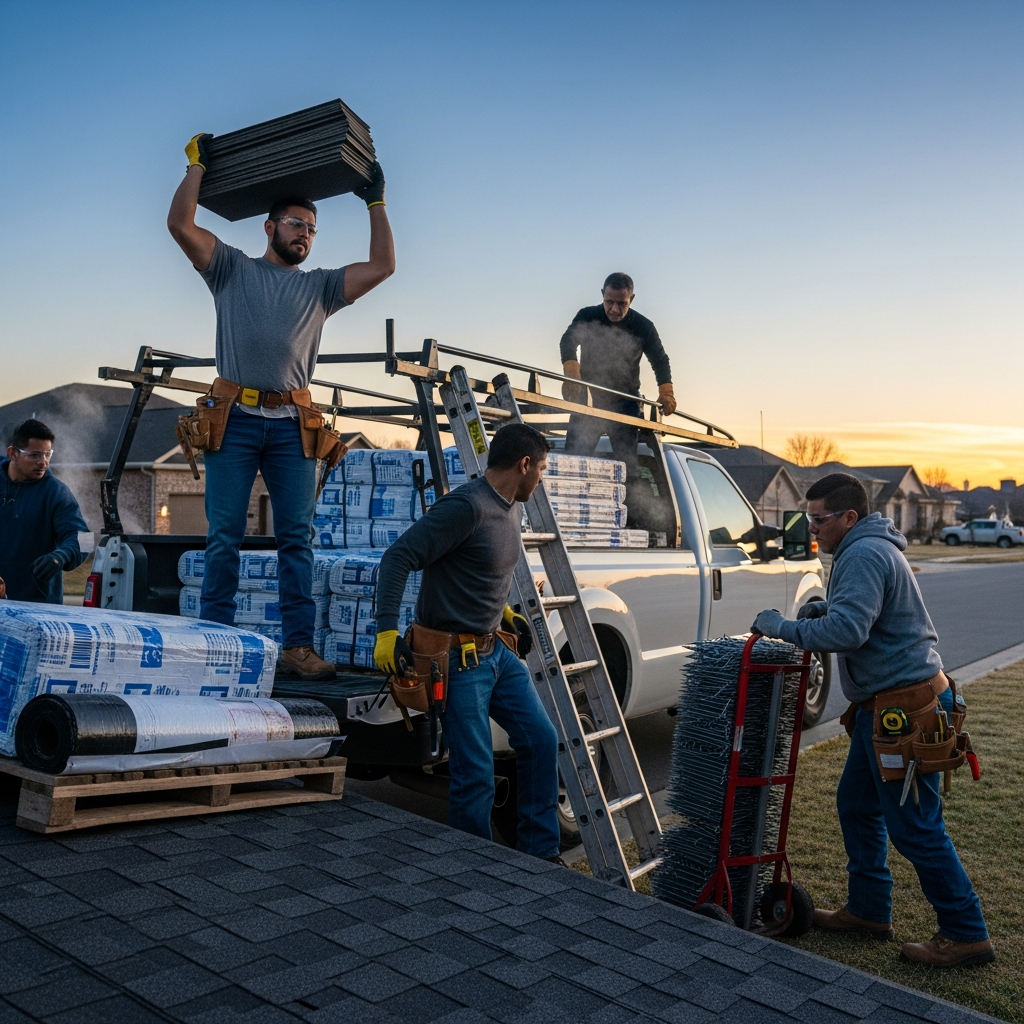
Picture this: you’re sitting in your living room on a Tuesday evening, half-watching something on TV, when you notice a small brown spot on the ceiling. You tell yourself it’s probably nothing. Maybe it’s been there for a while and you just hadn’t noticed. You make a mental note to “look into it” and then… life happens. The spot sits there for another three weeks while you deal with work deadlines, kids’ schedules, and everything else demanding your attention.
Then comes the rain.
And suddenly that small, ignorable brown spot becomes a drip. Then a steady stream. And when you finally get someone up in the attic to look around, you hear the words no homeowner ever wants to hear: “Yeah, this has been going on for a while.”
If you’ve lived in Mesquite for any length of time, this scenario probably doesn’t feel all that far-fetched. The weather here doesn’t mess around – brutal summer heat that can push well past 100 degrees, sudden hailstorms that seem to come out of nowhere, and wind events that would rattle even the sturdiest rooftop. Your roof takes the hit for all of it, every single day, while you go about your life completely unaware of what’s quietly happening up there.
Here’s the thing most people don’t realize until it’s too late: roofing problems almost never announce themselves loudly at first. They whisper. A lifted shingle here, a compromised flashing joint there, some granule loss you’d never notice from the ground. These tiny, seemingly minor issues are doing something insidious – they’re creating pathways for water, for heat, for the kinds of structural damage that can turn a $400 repair into a $12,000 nightmare. It’s a bit like ignoring a small crack in your car’s windshield. Every day you wait, that crack has more chances to spread.
Mesquite homeowners are in a particularly interesting position because of where we sit geographically and climatically. We’re not in a coastal hurricane zone, so roofing doesn’t always feel urgent. But the combination of Texas heat expansion and contraction cycles, periodic severe storms, and the age of many homes in the area creates a very real and very consistent vulnerability that deserves more attention than most of us give it.
And yet – and this is what actually matters – most of the expensive damage that ends up devastating homeowners was preventable. Not with some wildly complicated system or enormous upfront investment, but with timely, smart roof repair services handled by people who actually know what they’re looking at.
That’s really what this is about.
This article is going to walk you through everything you need to know about roof repair in Mesquite – not in a way that drowns you in technical jargon, but in a way that helps you make genuinely informed decisions about one of your home’s most critical systems. We’ll talk about what the most common roofing problems look like in this specific climate (because what damages roofs in Seattle isn’t exactly what’s gunning for yours in North Texas). We’ll cover how to spot warning signs before they escalate, what questions to ask when you’re vetting a roofing contractor, and honestly, why timing matters so much more than most homeowners expect.
Actually, that last point is worth pausing on for a second. One of the most consistent patterns roofing professionals in this area see is homeowners who waited – not out of negligence, but out of a completely understandable uncertainty about whether something was “bad enough” to act on yet. The tricky part? By the time it feels obviously urgent, the damage has usually already compounded significantly.
You don’t need to become a roofing expert. You don’t need to spend every weekend inspecting your shingles with a flashlight. But you do deserve to understand what’s at stake, what to watch for, and what genuinely good, preventative roof repair looks like in Mesquite.
Because protecting your home shouldn’t feel like a gamble. And it definitely shouldn’t end with you standing in your living room watching water drip onto your hardwood floors, wishing you’d paid attention to that brown spot a little sooner.
Why Your Roof Does More Than Just Keep Rain Out
Most people think of their roof as basically a giant umbrella. And sure, that’s part of it – but it’s a pretty dramatic undersell of what’s actually happening up there. Your roof is a complex system of materials, layers, and components that work together to regulate temperature, manage moisture, protect your home’s structural integrity, and yes, keep the rain off your furniture. When one piece of that system starts failing, it doesn’t just fail alone. It starts pulling everything around it into the problem.
Think of it like a crack in a car windshield. Small chip today, no big deal. But the pressure, the temperature changes, the vibration – suddenly that little chip is a spiderweb across your entire field of vision. Roof damage works almost exactly the same way.
The Mesquite Climate Is Genuinely Hard on Roofs
Here’s something that surprises a lot of homeowners: Mesquite’s weather isn’t dramatic in the way people picture “roof-destroying” weather. There’s no constant hurricane season, no feet of snow loading up the structure. But that’s actually what makes it tricky.
What Mesquite *does* have is relentless heat, intense UV exposure, and those severe summer storms that seem to appear out of nowhere. The temperature swings between seasons – and even within a single day – cause roofing materials to expand and contract over and over again. It’s that repetitive stress, kind of like bending a paperclip back and forth until it snaps, that quietly wears down shingles, flashing, and sealants long before you’d ever notice from the ground.
Hail is another big one. North Texas hail can be deceptively small and still cause significant granule loss on asphalt shingles. Those granules aren’t decorative – they’re actually protecting the asphalt layer underneath from UV breakdown. Lose enough of them and you’ve essentially stripped away your roof’s sunscreen.
The Components That Actually Need Your Attention
Okay, so what are we actually talking about when we say “roof system”? Because this part gets a little technical, but it’s worth knowing.
Shingles are the obvious one – they’re the outermost layer and your first line of defense. But underneath them is a underlayment, a water-resistant barrier that catches anything that sneaks past the shingles. Below that is the decking – the wooden structure everything sits on. If moisture gets through both the shingles and the underlayment (which happens more than you’d think), that decking can rot, and now you’re not just replacing shingles anymore. You’re replacing structural wood. The cost difference there is… significant.
Then there’s flashing – the metal pieces around your chimney, vents, skylights, and roof valleys. Honestly, flashing is responsible for more leaks than shingles are. It’s a small detail that does enormous work, and it’s often the first thing to fail because it deals with the most complex water-management challenges on the whole roof.
The Counterintuitive Truth About “Small” Repairs
Here’s the thing that frustrates a lot of people when they finally call a roofer: the damage they *can* see is rarely the whole story. A few lifted shingles after a storm might look like a $200 fix. But water is patient and clever – it finds paths you’d never expect, travels horizontally under materials, and shows up as a ceiling stain three rooms away from the actual entry point.
This is why early repair actually saves money in a way that feels almost backwards. Spending a few hundred dollars now to fix flashing or replace a handful of damaged shingles can prevent thousands in decking replacement, insulation damage, or mold remediation later. It’s not exciting advice. Nobody’s thrilled to spend money on something they can barely see. But it’s genuinely one of the better financial decisions a homeowner can make.
What “Preventive” Actually Means in Practice
Preventive roof care isn’t about fixing problems before they exist – it’s about catching them in that early window when they’re still cheap and simple to address. A professional inspection can identify cracked sealants, compromised flashing, early granule loss, and soft spots in decking before any of those issues have had time to compound.
In Mesquite specifically, most roofing professionals recommend inspections after major hail or wind events, and at least once a year otherwise – typically in fall before winter temperature swings kick in.
What Mesquite Homeowners Should Actually Check Before Calling Anyone
Before you even pick up the phone, take 20 minutes on a weekend morning – when the light is good and the roof has cooled down from the Texas heat – and do a quick visual from the ground. Binoculars work great for this. You’re looking for shingles that are curling at the edges, any dark patches that look wet or discolored, and granules collecting in your gutters. That last one? Hugely telling. Asphalt shingles shed granules as they age, and if your gutters look like they’re full of coarse black sand, your shingles are telling you something important.
Also check your attic on a bright day with the lights off. If you can see daylight peeking through anywhere – even tiny pinprick spots – water can find those same gaps. Every time.
The Repairs That Actually Prevent the Expensive Stuff
Here’s what most people don’t realize: the big, scary roof replacements that cost $15,000 or more usually start as $300 fixes that got ignored. In Mesquite specifically, there are a few trouble spots that come up again and again.
Flashing around chimneys and vents is probably the number one culprit. Metal flashing expands and contracts with our brutal summer-to-winter temperature swings, and over time those seals crack. A roofer can re-seal or replace flashing in a few hours. Ignore it, and you’re looking at water damage that works its way into your decking, your insulation, your drywall…
Ridge cap shingles take a beating from north Texas wind. They sit at the very peak of your roof and take hits from every direction. When they crack or go missing, that’s your roof’s spine getting exposed. Worth replacing quickly – it’s not a big job.
Soffit and fascia damage looks cosmetic but isn’t. Once these start rotting, pests find their way in, and water follows. Have them inspected any time you’re having other work done. It’s easy to miss and easy to fix early.
How to Vet a Mesquite Roofing Contractor Without Getting Burned
This is where people make expensive mistakes. Anyone can slap a magnetic sign on a truck after a hailstorm rolls through – and they do. Here’s what actually matters
Ask for their Texas Department of Insurance contractor registration. Legitimate roofers in Texas operating with insurers should have this. Ask specifically if they work with your insurance company directly, and whether they’ll handle the supplement process if the adjuster misses damage. A good contractor knows how to document everything properly.
Get three written estimates – not ballpark numbers over the phone. Real estimates. And when you compare them, you’re not just looking at the bottom line. You’re looking at what materials they’re specifying. There’s a world of difference between a 25-year architectural shingle and a basic 3-tab, and not every contractor will volunteer that information unless you ask.
Also – and this is genuinely important – ask who’s actually doing the work. Some larger companies sub everything out to crews that change week to week. Nothing wrong with subcontractors necessarily, but you want to know who’s going to be on your roof and whether they’re covered under the company’s liability policy.
Timing Your Repair in the Mesquite Climate
Don’t wait until spring storm season hits, because every other homeowner in the area will be calling at the same time and you’ll be waiting weeks. Late winter – February especially – is actually a smart time to schedule inspections and minor repairs. Contractors have more availability, and you’re getting ahead of the severe weather window.
After any hail event, even a minor one, get an inspection within 30 days. Insurance claims have time limits, and hail damage that looks minor on the surface can be hiding compromised granule coverage that’ll cost you significantly in two or three years when the shingles start failing prematurely.
One last thing worth mentioning: if you have an older home – say, built before 2000 – ask your inspector specifically about roof deck condition and ventilation. Poor attic ventilation is a quiet destroyer of roofs in this climate. It superheats the underside of your shingles from below while the Texas sun hammers them from above. Fixing ventilation is relatively inexpensive and can genuinely extend your roof’s life by years.
When You Can’t Tell If It’s Actually a Roof Problem
Here’s one that trips up almost every homeowner at some point. You’ve got a water stain on your ceiling – but is that your roof? A pipe? Condensation from your HVAC? Honestly, it’s not always obvious, and calling the wrong contractor first means wasted time and a service call fee you didn’t need.
The honest answer is that a reputable roofing contractor in Mesquite will tell you upfront if what you’re describing sounds like it could be a plumbing issue instead. If they won’t even have that conversation before showing up, that’s a red flag. Before anyone comes out, take photos of the stain and note whether it gets worse after rain versus randomly appearing on dry days. Rain-related? Probably the roof. Appears anytime? Worth checking your pipes first.
The “I’ll Wait Until Next Season” Trap
Oh, this one. This is the one that turns a $400 repair into a $4,000 nightmare.
Mesquite summers are brutal – we’re talking sustained heat that pushes 100°F for weeks at a stretch. That kind of heat accelerates everything: it dries out sealants, warps flashing, and causes shingles to crack and curl faster than most people realize. A small compromise in your roof’s surface isn’t staying small. It’s getting bigger every time the temperature swings.
The solution isn’t complicated, it’s just hard to prioritize: get a roof inspection in the spring before the brutal heat arrives, and again in the fall. Most reputable local contractors offer these for free or a nominal fee. Put it on your calendar the same way you’d schedule an HVAC tune-up. Treat it like the maintenance it is.
Finding Someone You Can Actually Trust
This is probably the most legitimate frustration homeowners have – and honestly, it’s warranted. The roofing industry does have its share of storm chasers and fly-by-night contractors who show up after a hail event, pressure you into filing an insurance claim, do questionable work, and disappear before you realize something’s wrong.
So what actually works? Ask for a physical address in or near Mesquite – not a P.O. box. Check that they’re licensed with the Texas Department of Licensing and Regulation. Look at reviews, but go deeper than star ratings – read what people say about communication, whether the crew cleaned up, whether the contractor was reachable after the job. A contractor who’s been working in Mesquite for years has a local reputation to protect. That matters.
And don’t let anyone rush you. A legitimate contractor understands you need time to get a second quote.
When Insurance Gets Complicated
Filing a claim for roof damage sounds straightforward until you’re actually doing it. Adjusters may assess damage differently than your contractor does. There might be disputes about what’s “storm damage” versus normal wear and tear – and insurance companies, not surprisingly, prefer the latter interpretation.
Here’s what helps: have your contractor present during the insurance adjuster’s inspection if at all possible. A good Mesquite roofing company has done this dozens of times and knows how to document damage in the language adjusters and insurance companies respond to. They can point to specific areas, provide written assessments, and advocate for what your roof actually needs. Don’t just send the adjuster up alone and hope for the best.
The Budget Problem Nobody Talks About Honestly
Roof repairs aren’t cheap, and sometimes the timing is terrible. A necessary repair doesn’t care that you just replaced your water heater.
The practical move – and this is worth asking about directly – is whether the contractor offers financing options. Many do. Some work with third-party lenders that offer manageable monthly payments. It’s not ideal, but a financed repair now is almost always cheaper than emergency damage control six months from now when that small leak has worked its way into your decking and insulation.
Also worth knowing: smaller repairs done promptly are almost always more affordable than waiting. A damaged flashing seal, caught early, might take an hour to fix. Ignore it through a Mesquite rainy season and you might be looking at decking replacement, interior damage, and mold remediation. The math isn’t complicated – it’s just uncomfortable to think about when money is already tight.
What Actually Makes a Repair Last
Not all materials are created equal, and in Mesquite’s climate specifically, this matters. Ask your contractor about impact-resistant shingles rated for Texas weather conditions. Ask what sealants they’re using and how they hold up in extreme heat. A contractor who can answer these questions clearly – without getting defensive – is a contractor who knows their craft.
What to Expect When You Call a Roofer
Here’s the honest truth: getting your roof repaired isn’t always a quick, painless process. And that’s okay – knowing what’s normal ahead of time saves you a lot of frustration later.
When you first reach out to a roofing company in Mesquite, most reputable contractors will schedule an inspection before they give you any numbers. Some can get out within a day or two. Others, especially during storm season or after a big hail event rolls through the DFW area, might be booked out a week or more. That’s not a red flag – that’s actually a sign they’re busy because they’re good. The companies that can show up same-day every day of the week? Worth a second look.
The inspection itself usually takes anywhere from 30 minutes to a couple of hours depending on your roof’s size and complexity. They’ll get up there, poke around, check the flashing, look at your gutters, assess any damage they can see. A good inspector will also check your attic if you’ll let them – because some of the most telling signs of roof trouble show up from the inside, not the outside.
Understanding the Estimate (and Why It Might Change)
Once you have your inspection, you’ll get an estimate. Here’s something most people don’t realize: that number can change. Not because contractors are trying to pull a fast one on you – but because roofs have a way of hiding surprises. Rotted decking under shingles, damaged underlayment, issues that just weren’t visible until someone started pulling things apart.
A trustworthy contractor will explain this upfront. They’ll tell you there’s a possibility of additional costs if they find something unexpected. If a roofer gives you an iron-clad price before they’ve even looked at the damaged area closely… that’s worth being skeptical about.
Also, don’t be surprised if you get quotes that vary pretty significantly between contractors. Roofing is one of those industries where pricing can swing wildly based on materials, experience level, warranty offerings, and honestly – just how busy someone is. Getting two or three estimates isn’t being cheap or difficult. It’s being smart.
How Long Will the Actual Repair Take?
For most standard repairs – replacing a section of damaged shingles, fixing flashing around a chimney or vent, patching a small leak area – you’re typically looking at a few hours to a full day. Not weeks. Not a major production.
Larger jobs are different, of course. If you’ve got significant structural damage, widespread shingle failure across the whole roof, or you’re doing a full replacement, that’s a multi-day project. Weather matters too. Roofers can’t work in the rain (for obvious reasons), and in North Texas, you know how unpredictable spring weather can be. A job scheduled for Tuesday might get pushed to Thursday. That’s just reality.
The Waiting Game After Repairs
After the work is done, there’s a normal adjustment period – especially if you’ve had leak repairs. You might be tempted to watch every rain shower like a hawk for the next month. That’s completely understandable. Give it a couple good rains and see how things hold up. Most quality repairs will show their results pretty quickly.
If you had a warranty on the work – and you should, always ask about this – keep that paperwork somewhere you can actually find it. Not buried in a junk drawer under takeout menus. Somewhere real.
Your Actual Next Step
If you’ve been putting off a roof inspection because it feels like opening a can of worms… it might be time to just open the can. The thing about roof damage in Mesquite is that the Texas heat, the hail seasons, the occasional brutal windstorm – they don’t wait around for you to feel ready. Small issues have a way of becoming expensive ones when they’re ignored through another summer or another round of spring storms.
You don’t have to commit to anything by making a phone call. An inspection is just information. And honestly, knowing what you’re dealing with – even if the news isn’t great – puts you in a far better position than wondering and worrying every time clouds roll in.
That peace of mind? It’s actually worth something.
Your roof does a lot of quiet, thankless work. Day after day, it takes the full force of Texas sun, surprise hailstorms, and those relentless spring winds that seem determined to test every shingle’s resolve. Most homeowners don’t think about it until something goes wrong – and that’s completely understandable. Out of sight, out of mind is pretty much human nature.
But here’s the thing… the small stuff rarely stays small. That little lifted flashing around your chimney, the granules collecting in your gutters, the tiny soft spot you noticed when you were up there cleaning out leaves last fall – those are your roof’s way of asking for help before the situation turns into a soaked ceiling and a five-figure repair bill. Catching those warning signs early is genuinely one of the smartest financial moves a Mesquite homeowner can make.
What It Really Comes Down To
Protecting your roof isn’t about being paranoid or spending money you don’t have. It’s about paying a little now so you don’t pay a lot later – which, honestly, applies to most things worth taking care of in life. A professional inspection and some targeted repairs will almost always cost a fraction of what water damage, structural rot, or full roof replacement would run you. We’ve seen it play out that way more times than we can count.
And the peace of mind? That part’s genuinely priceless. Knowing your home is protected when the next storm rolls through Mesquite – and it will roll through – is worth something real.
You Don’t Have to Figure This Out Alone
Roofing can feel overwhelming, especially if you’re not sure what you’re looking at or whether a contractor is giving you a straight answer. There’s a lot of confusing terminology, a lot of varying opinions, and – let’s be honest – a few bad actors in the industry who’d rather replace than repair. It’s okay to feel uncertain.
That’s exactly why having a trusted local team matters. Someone who knows Mesquite’s specific weather patterns, who understands how the heat cycles affect certain materials, who’s going to give you an honest assessment rather than just a sales pitch. That relationship is worth building before you’re standing in your living room with a bucket under a drip.
Ready When You Are
If any part of this article made you think *”hm, I should probably have someone look at that”* – trust that instinct. It’s usually right.
Reaching out doesn’t mean you’re committing to anything. It just means getting eyes on the problem and understanding what you’re actually dealing with. A good roofing professional will walk you through what they find, explain your options clearly, and let you make the decision that makes sense for your home and your budget. No pressure, no drama.
Whether you’ve got a specific concern you’ve been putting off or you simply can’t remember the last time anyone looked at your roof properly, this is a great time to change that. Give us a call, shoot us a message, ask your questions – we genuinely love helping Mesquite homeowners protect what they’ve worked hard to build.
Your home deserves that kind of attention. And so do you.