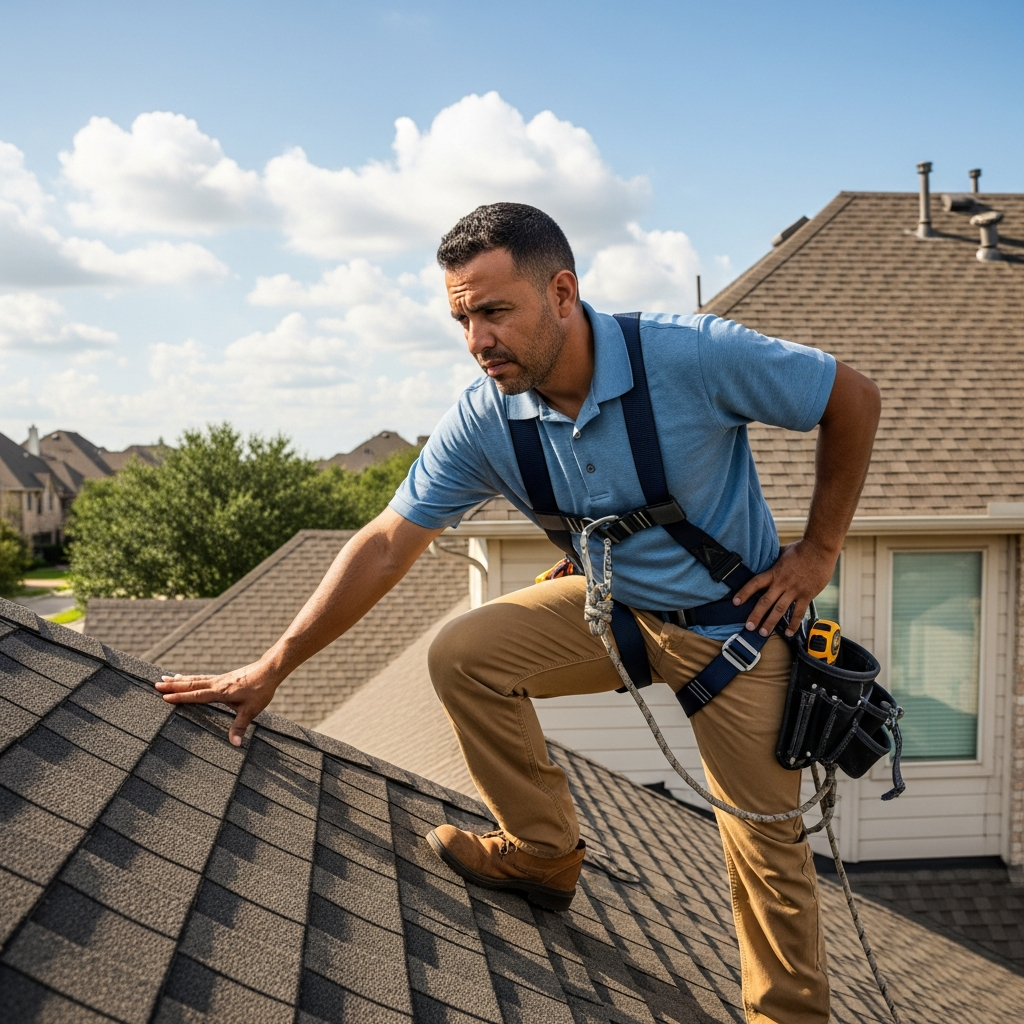
Unraveling the Mystery: What about Roofing Materials?
In a world full of choices, making decisions can often be an overwhelming task. This is especially true when it comes to selecting roofing materials for your property. With a multitude of options available, each with its own distinct benefits and drawbacks, how do you know which one is the ‘right choice’? Whether you’re a homeowner seeking to replace a worn-out roof, a construction enthusiast designing your dream house, or a professional roofer looking to expand your knowledge, understanding roofing materials is crucial.
Welcome to our comprehensive guide on ‘What about Roofing Materials?’ where we aim to demystify the complex world of roofing materials, shedding light on the various types available, their pros and cons, and essential factors to consider when choosing the right one. But why does all of this matter? Well, the roof isn’t just about providing shelter from the elements. It’s also a significant factor in energy efficiency, resale value, and the overall aesthetic appeal of your property.
This in-depth journey into the realm of roofing materials will arm you with the knowledge needed to make an informed decision, whether you’re selecting a material for a new construction project or considering a roof replacement. We’ll explore commonly used materials like asphalt shingles and metal roofing, delve into eco-friendly options like solar tiles and green roofs, and even touch on the more luxurious choices like slate and clay tiles.
Moreover, we’ll also guide you through the various factors that should influence your choice of roofing material: your local climate, budget constraints, architectural style of your home, and personal aesthetic preferences. We believe that with the right knowledge and understanding, you can make a choice that not only suits your needs but also contributes positively to your home’s overall appeal and value.
But we won’t stop there. We’ll also discuss the role of professional roofing companies and roofers in the selection and installation process. Choosing the right roofing material is only half the battle; proper installation is equally important. Expert roofers not only ensure that your chosen material is installed correctly but also provide valuable advice based on their experience and knowledge.
To help you navigate this, we’ll cover how to choose a reliable roofing company, what to expect during the installation process, and how to maintain your roof to maximize its lifespan. After all, a well-maintained roof can serve you efficiently for decades, while a poorly maintained one may require frequent, costly repairs or replacements.
By the end of this guide, our aim is to equip you with all the essential knowledge and tools you need to confidently answer the question – ‘What about roofing materials?’ No longer will this topic be a source of confusion or stress; instead, it will be a field where you feel informed and in control.
Remember, your roof is more than just a protective cover for your home. It’s a long-term investment that can enhance your home’s value, improve its energy efficiency, and significantly impact its visual appeal. So let’s embark on this journey together, unraveling the intricacies of roofing materials, and empowering you to make the best decision for your unique needs and circumstances.
Stay tuned as we delve into the world of roofing materials, providing you with valuable, actionable insights that will help you make the best roofing decisions for your property. Let’s get started!
Fundamental Framework: An Insight into Roofing Materials
Roofing, an essential part of any building structure, serves as the primary shield against external elements. It protects against weather conditions, provides insulation, and significantly influences the aesthetic appeal of a building. Understanding the different roofing materials available on the market is crucial for homeowners, architects, and builders alike. This knowledge enables informed decision-making regarding the best roofing solution for a specific building project, considering factors like durability, cost, maintenance requirements, and environmental impact.
Roofing materials are diverse, each having unique attributes that make them suitable for various architectural styles and weather conditions. The choice of roofing material can profoundly impact a building’s longevity, energy efficiency, and overall value. Therefore, it is crucial to understand the fundamentals of the different types of roofing materials available.
1. Asphalt Shingles: Asphalt shingles are among the most commonly used roofing materials due to their cost-effectiveness and ease of installation. They consist of a fiberglass mat coated with asphalt and topped with mineral granules, providing a good balance between affordability and durability. Asphalt shingles are versatile in terms of color and style, making them suitable for a wide range of house designs. They typically last around 15-30 years.
2. Metal Roofs: Metal roofs have gained popularity due to their longevity (40-70 years), energy efficiency, and resistance to extreme weather conditions. Metals used include steel, aluminum, copper, and zinc alloy. They can be designed to mimic traditional roof styles and are recyclable at the end of their lifespan, contributing to sustainability.
3. Slate Roofs: Known for their remarkable durability (up to 150 years) and high-end aesthetic appeal, slate roofs are made from natural stone. They require specialized installation and maintenance but offer excellent fire protection and environmental friendliness.
4. Wood Shingles and Shakes: Traditionally made from cedar, wood shingles and shakes offer a natural look and good insulation properties. However, they require regular maintenance to prevent decay and are less fire-resistant unless treated with fire retardants.
5. Clay and Concrete Tiles: Clay tiles are highly durable (up to 100 years), fire-resistant, and energy-efficient but relatively heavy, requiring a robust roof support structure. Concrete tiles offer similar benefits at a lower cost but with added weight.
6. Synthetic Roofing: Synthetic materials, including rubber, plastic, and polymer composite, are designed to mimic traditional roofing materials like slate and wood. They offer a balance between cost-effectiveness, ease of maintenance, and aesthetic appeal.
7. Green Roofs: A more recent development in roofing materials is the green roof – roofs covered with vegetation. These roofs provide excellent insulation, reduce stormwater runoff, and help combat urban heat island effect. They require a waterproof membrane and specialized installation.
8. Built-up Roofing (BUR): A traditional hot-mop built-up roof (BUR) consists of layers of asphalt, tar or adhesive alternated with layers of roofing felt finished off with a layer of gravel. It’s a very durable roofing option for flat roofs.
9. Solar Tiles: Advanced solar collectors integrate seamlessly into existing shingles, generating up to 1 kilowatt of energy per 100 square feet. They’re particularly good for sunny roofs in homeowners’ associations that forbid typical solar panels.
The selection of the right roofing material is not just a matter of cost. It involves considering the building’s architectural style, local climate, environmental impact, and maintenance requirements over the material’s lifespan. It is also important to consider the expertise and experience of the roofing contractor for proper installation and maintenance.
In conclusion, understanding roofing materials is fundamental in the construction and renovation process. Regardless of whether you are building a new home or replacing an old roof, knowledge about these materials will allow you to make an informed decision that will impact your home’s comfort, energy efficiency, and longevity.
A Comprehensive Guide to Roofing Materials: Practical Steps and Real-World Scenarios
Understanding the various roofing materials available in the market is essential when planning a new construction or a roof replacement project. This detailed guide will provide you with practical knowledge and actionable advice on different roofing materials, including their strengths and weaknesses.
1. Asphalt Shingles
Asphalt shingles are the most popular roofing material due to their cost-effectiveness and easy installation. They come in a variety of colors and styles, offering flexibility for any architectural design. However, they have a shorter lifespan compared to other roofing materials, typically lasting between 15 to 30 years.
When hiring a roofing company, ensure they are experienced in installing asphalt shingles. Ask for examples of their past projects and references from previous clients to verify their quality of work.
2. Metal Roofing
Metal roofs are known for their durability and longevity, lasting anywhere from 40 to 70 years. They are also highly resistant to extreme weather conditions and fire. However, they can be more expensive to install than asphalt shingles.
If you’re considering a metal roof, look for a roofer who specializes in this material. They should be knowledgeable about the different types of metal roofing—such as aluminum, steel, and copper—and be able to advise you on the best choice for your specific needs.
3. Clay and Concrete Tiles
Clay and concrete tiles add elegance to a home while providing durability and fire resistance. However, they are heavy, requiring additional roof support, and can be more expensive than other options.
If you’re interested in clay or concrete tiles, find a roofing company that has experience with these materials. They should be able to assess whether your house can support the weight and guide you on any necessary structural changes.
4. Slate
Slate roofs are attractive, incredibly durable, and fire-resistant. They can last up to 100 years if properly maintained. However, like clay and concrete tiles, they are heavy and may require additional roof support.
When hiring a roofer for a slate installation, it’s crucial to ensure they have specific experience with this material. Incorrect installation can lead to leaks and premature failure of the roof.
5. Wood Shingles and Shakes
Wood shingles and shakes offer a natural and rustic look. They are more environmentally friendly than asphalt shingles but require regular maintenance to prevent decay and fire.
If you’re considering wood shingles or shakes, choose a roofing company that understands the maintenance these materials require. They should be able to educate you on proper care and provide ongoing maintenance services.
6. Synthetic Roofing
Synthetic roofing materials include rubber, plastic, and polymer roofing. They are designed to mimic the aesthetic appeal of natural materials like slate and wood, but at a lower cost and with less maintenance.
When hiring a roofer for synthetic roofing installation, ensure they are familiar with these materials and their installation process. Incorrect installation can void warranties and shorten the lifespan of your roof.
In conclusion, the choice of roofing material depends on your budget, aesthetic preferences, and desired lifespan of the roof. No matter what material you choose, finding a qualified and experienced roofer is crucial to ensure proper installation and longevity of your roof. Always do your research, ask for references, and get multiple quotes before making your final decision.
A Comprehensive Guide to Roofing Materials: Challenges, Solutions, and Expert Tips
In the vast world of construction, roofing plays an indispensable role in ensuring the safety and longevity of your home or commercial property. However, the process of choosing the right roofing material can often be a daunting task, thanks to the plethora of options available in the market today. This guide is designed to address common challenges, provide viable solutions, present expert tips, and debunk misconceptions related to roofing materials.
**1. Common Challenges with Roofing Materials**
A significant challenge while selecting roofing materials is to balance aesthetics, durability, and cost-effectiveness. Some materials may look attractive but may not withstand harsh weather conditions or might require frequent maintenance. Additionally, homeowners often find it challenging to understand the installation complexities and lifespan of different roofing materials.
Another challenge is the environmental impact. Not all roofing materials are eco-friendly, and some can even contribute to heat islands, raising temperatures in urban areas.
**2. Solutions and Best Practices**
To overcome these challenges, it is crucial to understand the various types of roofing materials and their characteristics
**A. Asphalt Shingles:** These are the most common roofing materials due to their affordability and easy installation process. They come in a variety of colors and styles and can last up to 20 years. However, they have a relatively short lifespan compared to other materials and are less eco-friendly.
**B. Metal Roofing:** Metal roofing is durable, fire-resistant, and can last up to 70 years. It reflects solar radiant heat, which can reduce cooling costs. However, they can be noisy during rainstorms and are more expensive to install.
**C. Slate Roofing:** Slate roofs are highly durable, fire-resistant, and environmentally friendly. They can last over 100 years if well-maintained. However, they are quite expensive and require specialized installation.
**D. Wood Shingles:** Wood shingles offer natural beauty and a high level of durability. They are more energy-efficient than asphalt but require regular maintenance to prevent decay and rot.
**E. Tile Roofing:** Tile roofs are extremely durable and can withstand harsh conditions. They come in a variety of styles and colors but are heavy, requiring additional structural support.
To choose the right material, consider the climate of your location, the slope of your roof, local building codes, and your budget.
**3. Expert Tips**
**A. Professional Consultation:** Always consult with a professional roofer or roofing company before making a decision. They can provide valuable advice based on your specific needs and local weather conditions.
**B. Consider Lifespan:** While initial cost is an important factor, also consider the lifespan of the material. A cheaper material that requires frequent replacements may end up costing more in the long run.
**C. Energy Efficiency:** Consider the energy efficiency of the material. For example, “cool” roofs can reflect more heat and reduce air conditioning costs.
**D. Maintenance:** Understand the maintenance requirements of each material. Some materials like slate or tile may require less maintenance but costs more upfront.
**4. Debunking Misconceptions**
**Misconception 1:** “The more expensive the material, the better quality it is.” This is not always true. Different materials have different advantages, and a good fit depends on your specific needs and conditions.
**Misconception 2:** “Roofing is a good DIY project.” Roofing projects require professional skills and safety measures. Improper installation can lead to leaks, damage, and even reduce the lifespan of the roofing material.
**Misconception 3:** “All roofing companies are the same.” It’s crucial to research and choose a reputable roofing company with good customer reviews and a proven track record.
Remember, the primary purpose of your roof is to protect your home from the elements. Therefore, invest in a roofing material that is durable, fits your aesthetic preferences, and aligns with your budget. A well-informed decision can lead to a strong, lasting roof that will serve you well for many years to come.
When it comes to selecting the right roofing material for your home or business, there are several factors to consider. These include the type of the roof, the climate and weather conditions of the area, the cost, and the overall aesthetic appeal. Roofing materials can vary greatly in price and lifespan, so it’s critical to choose a material that is suitable for your specific needs.
A wide variety of roofing materials are available in the market today. Asphalt shingles are most commonly used due to their affordability and durability. They are light, easy to install, and available in a variety of colors. You can expect asphalt shingles to last between 15 to 30 years.
Metal roofing, on the other hand, is known for its longevity and energy efficiency. Although more expensive than asphalt, metal roofs can last up to 70 years and reflect solar radiant heat, which can reduce cooling costs by 10-25%. Metal roofs are also resistant to wind, fire, and hail, making them an excellent choice for areas with severe weather conditions.
Slate and tile roofs are known for their distinctive appearance and durability. These materials are quite heavy, so they require a strong support structure. While slate and tile roofs can be costly to install, they have a lifespan of over 100 years, making them a cost-effective choice over time.
Wood shake roofs offer a natural aesthetic appeal and provide excellent insulation. However, they require more maintenance than other roofing materials and have a shorter lifespan of about 20-30 years.
Rubber roofing is another option that is gaining popularity due to its durability and ease of repair. It’s especially useful for flat or low-slope roofs where traditional shingles may not work.
Once you’ve chosen your roofing material, you’ll need to hire a professional roofing company to carry out the installation. It’s essential to choose a company that is licensed, insured, and experienced in installing the type of roof you’ve selected.
The roof installation process may vary depending on the type of roof and the roofing company, but here’s a general timeline you can expect
1. Pre-Installation: Your roofer should conduct an inspection of your existing roof to determine the scope of work. This usually includes measuring the roof, checking for any structural issues, and providing a detailed estimate.
2. Material Delivery: Once you approve the estimate, your roofer will order the necessary materials. This can take anywhere from a few days to a few weeks, depending on the type of material and its availability.
3. Installation: The installation process can take several days to a week, depending on the size of your roof and weather conditions. During this time, the old roof will be removed, any necessary repairs will be made to the underlying structure, and the new roof will be installed.
4. Post-Installation: After the installation is complete, your roofer should conduct a final inspection to ensure everything is installed correctly. They should also clean up any debris and dispose of your old roofing material.
After your new roof is installed, it’s crucial to maintain it properly. Regular inspections and maintenance can help identify any potential issues early and extend the lifespan of your roof. It’s recommended to have your roof inspected at least once a year, or after any severe weather events.
In conclusion, choosing the right roofing material and roofing company is a significant decision that can impact your property’s value and durability. Therefore, it’s essential to consider all factors, including cost, lifespan, aesthetics, and climate suitability when making your choice. Always remember that investing in a high-quality roof can protect your property and provide peace of mind for many years to come.
In conclusion, understanding roofing materials is undeniably significant for homeowners, contractors, and real estate developers alike. The choice of materials can significantly impact the longevity, durability, aesthetic appeal, and overall value of a property. Therefore, an informed decision can ensure that the investment you make today will stand the test of time.
We’ve discussed several types of roofing materials throughout this article, each with its own set of advantages and drawbacks. Asphalt shingles, one of the most popular roofing materials due to their affordability and ease of installation, have been noted for their versatility and wide range of colors and styles. However, they also have a shorter lifespan compared to some other materials and may not withstand extreme weather conditions as well.
Metal roofing, on the other hand, is durable, fire-resistant, and capable of withstanding harsh weather conditions. Its longevity and energy efficiency make it an attractive option for many homeowners. Yet, it requires a higher initial investment and professional installation.
Wood shakes and shingles offer a traditional and natural look to your house but require regular maintenance to prevent decay, mold, and insects. Slate roofing stands out for its longevity and durability, although it requires a substantial initial investment and skilled installation.
Tile roofing, particularly clay or concrete, is known for its durability and fire resistance, making it an excellent choice in areas prone to wildfires. However, the weight of tile roofs can be a drawback as not all structures can support them.
Lastly, synthetic roofing materials like rubber, plastic, and polymer are gaining popularity due to their durability, ease of maintenance, and variety in styles and colors. However, their environmental impact and relatively new presence in the market may raise some concerns.
Remember that each material’s performance can vary greatly depending on the climate and weather conditions in your area. It’s important to consider factors like sun exposure, temperature variations, wind, snow, and rain while selecting the right roofing material.
Your roof is more than just a structure; it’s a long-term investment that protects your home and adds value to your property. It’s crucial to choose the right material that suits your budget, meets your specific needs, and compliments the style of your home.
The content discussed above only scratches the surface of the vast world of roofing materials. Each material comes with its own set of specifications, installation methods, maintenance requirements, and lifespan. Therefore, making the right choice can be daunting, especially for first-time homeowners or those who have never undertaken a roofing project before.
That’s where we come in. Our team of experienced professionals is here to guide you through every step of the process. We can provide expert advice tailored to your specific needs and circumstances. Whether you’re contemplating a new roofing project or considering replacing the existing one, we’re here to help.
Remember, a well-informed decision is the key to a successful roofing project. Don’t hesitate to reach out to us for further information or assistance. We’re committed to providing you with the best service and ensuring that your investment in your roof pays off in the long run.
So why wait? Contact us today and let us help you make the best roofing decision for your home.