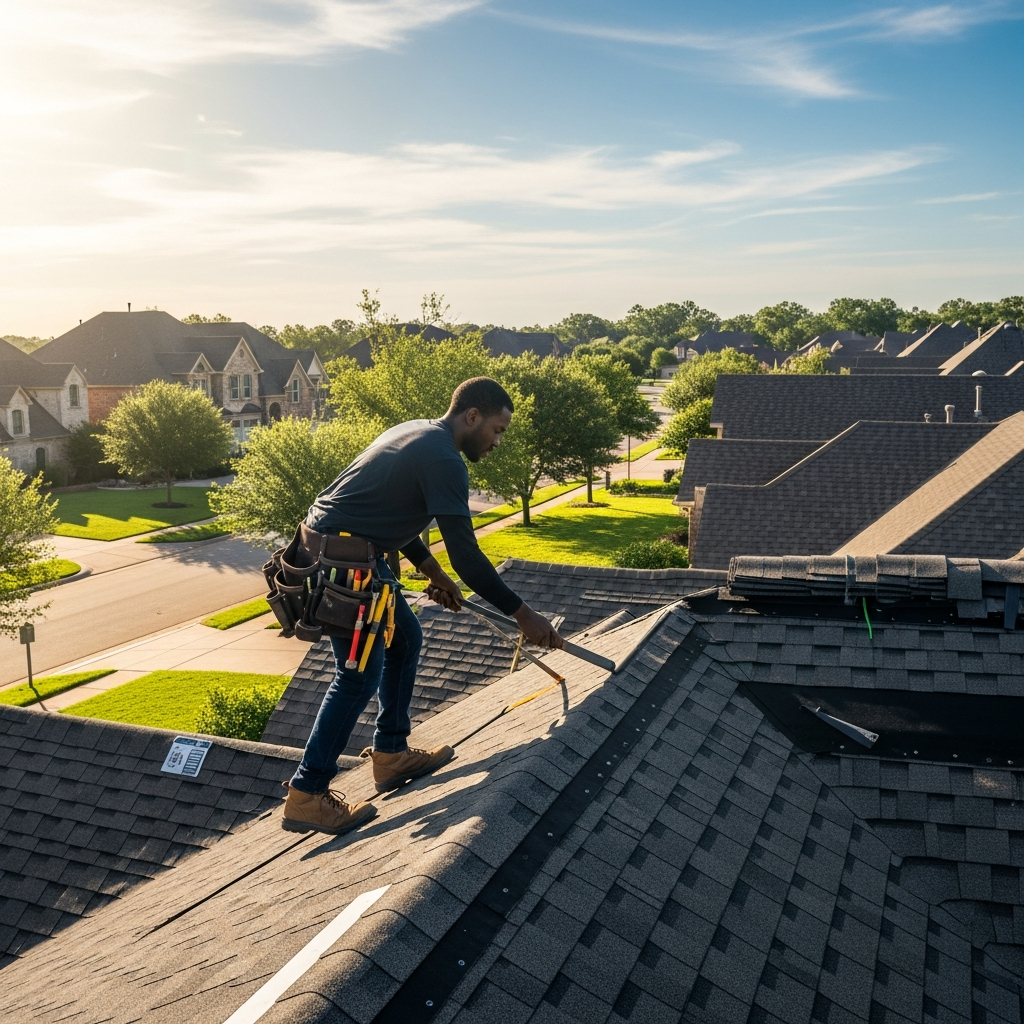
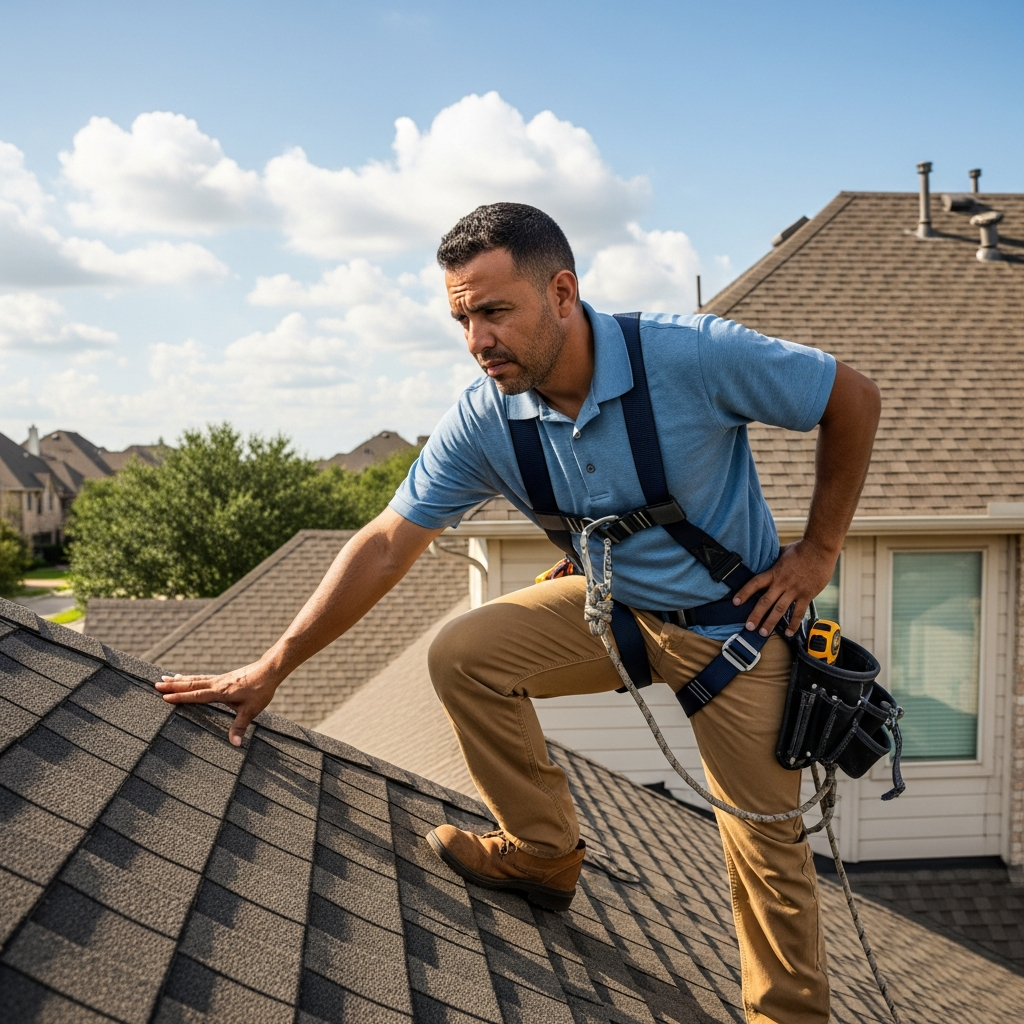
10 Things Roofing Companies Want Homeowners to Know in Garland
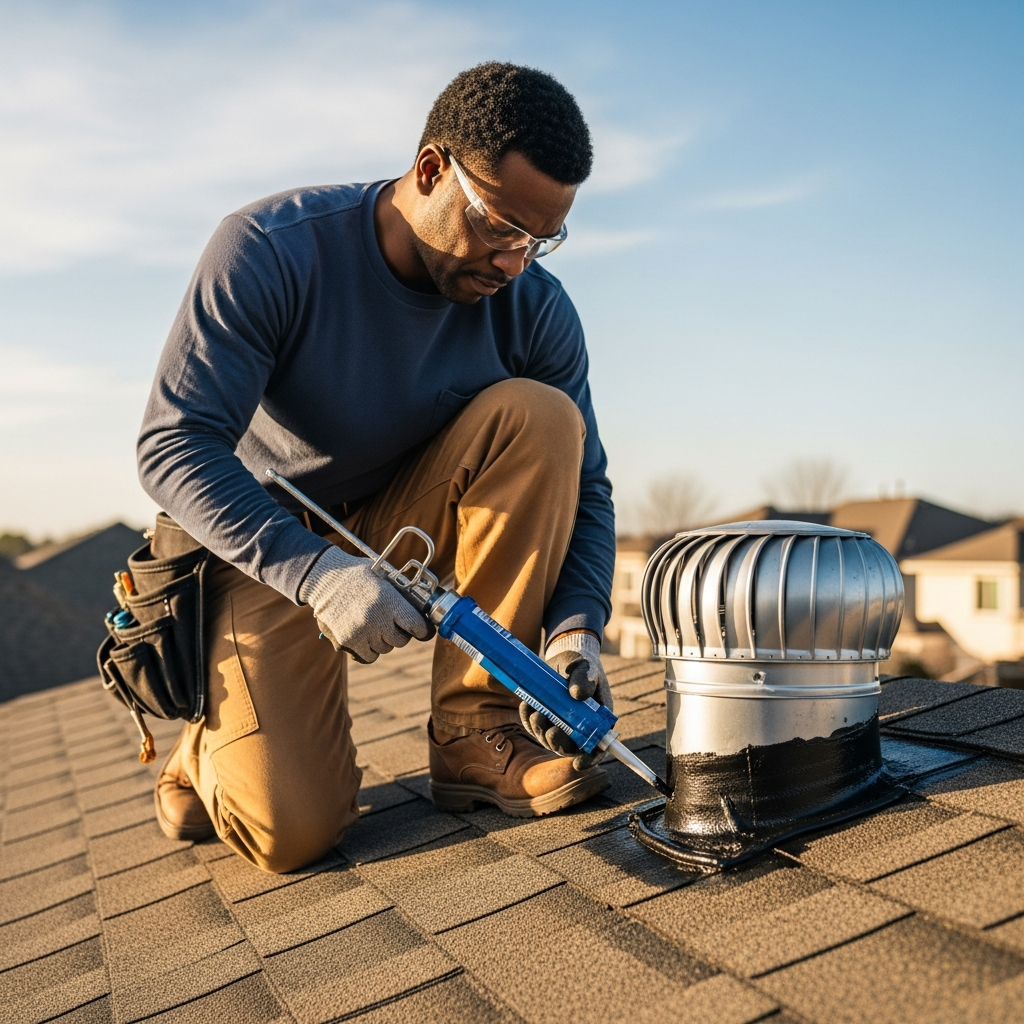
You’re lying in bed at 2 AM when you hear it – that unmistakable *drip, drip, drip* hitting your hardwood floor. Your heart sinks as you realize the ceiling stain you’ve been ignoring for months has finally turned into an active leak. Sound familiar?
If you’re a homeowner in Garland, chances are you’ve been there. Maybe it wasn’t a midnight wake-up call… maybe it was the day you climbed into your attic and discovered mysterious dark spots spreading across the plywood. Or perhaps you’ve been putting off that roof inspection because, honestly, who wants to deal with contractors and estimates when your Netflix queue isn’t going to watch itself?
Here’s the thing though – and I say this as someone who’s talked to dozens of local roofing professionals – most homeowners are flying blind when it comes to their roofs. We treat them like that relative we only call when we need something. Out of sight, out of mind, right?
But your roof? It’s working 24/7, taking a beating from Texas weather that would make a meteorologist weep. Those scorching summer days when your car’s steering wheel becomes a medieval torture device… those sudden hailstorms that sound like bowling balls dropping from the sky… that one random tornado warning that had you huddled in your bathroom thinking about life choices.
Your roof handles all of it.
The problem is, most of us know about as much about roofing as we do about quantum physics. We nod along when contractors throw around terms like “underlayment” and “flashing,” secretly wondering if they’re just making stuff up. (Spoiler alert: they’re not, and those things actually matter quite a bit.)
After spending time with some of Garland’s most experienced roofers – the ones who’ve seen it all, from storm damage disasters to DIY projects gone spectacularly wrong – I’ve learned there’s a massive disconnect between what homeowners think they know and what they actually need to know.
Take my neighbor Jim, for instance. He spent last weekend pressure washing his roof because he read online that it would “extend its lifespan.” Three days later, he’s dealing with damaged shingles and a very expensive lesson about why some maintenance tasks should be left to professionals. Or there’s Sarah down the street, who’s been getting quotes for months but keeps postponing the work because she’s convinced all roofing companies are trying to scam her. Meanwhile, that small leak is slowly turning her attic into a science experiment.
The truth is, good roofers aren’t sitting around plotting ways to separate you from your money. Most of them genuinely want to help you protect what’s probably your biggest investment. But they’re constantly frustrated by the misconceptions, the delayed decisions, and the “my brother-in-law can do it cheaper” mentality that often leads to bigger problems down the road.
That’s exactly why I wanted to pull back the curtain and share what these professionals really want you to know. Not the sales pitch stuff – the real, behind-the-scenes insights that could save you thousands of dollars and a whole lot of heartache.
We’re going to talk about timing (hint: waiting until you have a leak is like waiting until your car breaks down to change the oil), budgeting realities that might surprise you, and red flags that should send you running from certain contractors faster than you’d flee a wasp nest.
You’ll discover why that “bargain” estimate might end up being the most expensive option, how Garland’s specific weather patterns affect your roof differently than your cousin’s house in Portland, and what questions you should be asking that most homeowners never think to bring up.
Because here’s what I’ve learned: an informed homeowner isn’t just a smarter consumer – they’re a homeowner who sleeps better at night, knowing their family is protected by more than just hope and wishful thinking.
Ready to become one of those homeowners who actually knows what’s going on above their head?
Your Roof is More Complex Than You Think
Look, I get it – a roof seems pretty straightforward, right? Shingles on top, keep the rain out, done. But here’s the thing… your roof is actually more like a sophisticated layered cake than a simple hat for your house.
There’s the decking (that’s your foundation layer), then underlayment (think waterproof insurance), then the shingles you actually see. Each layer has a job, and when one fails – well, that’s when your Tuesday morning gets really expensive really fast.
In Garland’s climate, this complexity matters even more. We’re dealing with scorching summers that can literally cook your shingles, sudden hailstorms that’ll pummel them like golf balls, and those lovely temperature swings that make everything expand and contract like it’s doing yoga.
The Weather Here Isn’t Playing Around
Texas weather is… let’s call it “moody.” One day it’s 85 degrees and sunny, the next you’ve got marble-sized hail and winds that sound like freight trains. Your roof takes all of this abuse while you’re inside, blissfully unaware, wondering why your energy bills keep climbing.
Those temperature fluctuations? They’re constantly making your roofing materials expand and contract. Imagine putting a rubber band in the freezer, then immediately stretching it in 100-degree heat – over and over again. Eventually, something’s gonna give.
And don’t get me started on UV exposure. The sun here doesn’t just shine, it *assaults*. Those asphalt shingles are basically slowly baking all summer long, which is why you’ll sometimes see them curling or losing their granules after a few years.
Insurance Companies Have… Opinions
Here’s where things get interesting – and by interesting, I mean potentially frustrating. Insurance companies in Texas have become increasingly picky about roofs, and honestly? I can’t blame them entirely.
After years of major hailstorms and massive claims, many insurers now want to see roofs that are less than 10-15 years old. Some won’t even write policies for homes with roofs over 20 years old. It’s like they’re saying, “Sure, we’ll insure your house, but only if we’re pretty confident the roof won’t fall apart next Tuesday.”
This creates this weird situation where you might think your roof looks fine from the ground, but your insurance company disagrees. And trust me, you don’t want to find out about coverage issues *after* the storm hits.
The “Good Enough” Trap
Here’s something that trips up a lot of homeowners – the difference between “functional” and “actually protecting your investment.” Just because your roof isn’t actively leaking doesn’t mean it’s in good shape.
Think of it like your car’s brakes. They might work fine… until they don’t. And when they fail, it’s not gradual – it’s sudden and expensive.
Roofing contractors see this all the time: homeowners who’ve been ignoring small issues (a few missing shingles here, some flashing that’s come loose there) until one bad storm turns those minor problems into major disasters. What could’ve been a $500 repair becomes a $15,000 replacement.
Materials Matter More Than You’d Expect
Not all shingles are created equal – and in Garland’s climate, this isn’t just contractor sales talk. It’s actually critical.
Basic 3-tab shingles might look fine in the store, but they’re like bringing a knife to a gunfight when facing Texas weather. Meanwhile, architectural shingles or impact-resistant materials can handle our weather mood swings much better.
The thing is, you can’t always tell the difference by looking. It’s like buying a winter coat – they might look similar, but one’s designed for a spring chill while the other can handle a blizzard.
Timing Is Everything (And Not What You Think)
Most people think about their roof only when something’s obviously wrong. But here’s the counterintuitive part – the best time to address roofing issues is when everything seems fine.
Spring inspections can catch winter damage before summer storms make it worse. Fall maintenance can prepare your roof for whatever winter throws at it. It’s like getting an oil change – boring, but way cheaper than rebuilding an engine.
The roofing companies that really know their stuff? They’re not just waiting for your emergency call. They’re thinking about your roof’s long-term health, even when you’re not.
Getting Multiple Quotes? Here’s What Actually Matters
Look, I get it – you’ve been told to get three quotes, and you’re dutifully collecting them. But here’s the thing most homeowners miss: you’re not just comparing numbers on paper. You’re comparing apples, oranges, and sometimes… well, rotten fruit.
When that first contractor shows up and gives you a quote that’s suspiciously low, don’t start celebrating just yet. Ask specific questions. What type of underlayment are they using? Are they including drip edge? Will they replace pipe boots and vent covers, or just work around the old ones?
The best contractors – the ones who’ve been around the block – they’ll actually appreciate these questions. It shows you’re serious, not just price shopping. And here’s a little secret: if a roofer gets defensive about details, that tells you everything you need to know about their work quality.
The Insurance Game Nobody Explains Properly
Your insurance adjuster isn’t your enemy, but they’re also not exactly your best friend. They work for the insurance company, not for you. And here’s what most people don’t realize – that initial estimate they provide? It’s often missing things.
Smart homeowners in Garland know to have their chosen roofer present during the insurance inspection. Not hovering over the adjuster’s shoulder (that’s annoying), but available to point out damage that might be missed. Those little things add up – damaged gutters, worn pipe boots, compromised flashing around chimneys.
Actually, that reminds me… if your roofer offers to “eat the deductible” or promises to work within whatever insurance pays, run. Fast. That’s either insurance fraud or a sign they’re cutting corners somewhere you can’t see.
Timing Your Project Like a Pro
Everyone wants their roof done yesterday, especially after a storm. But here’s the reality check – the best crews are booked out weeks, sometimes months in advance. And honestly? That’s usually a good sign.
The contractors who can start “tomorrow” are often the ones you should be most wary of. Either they’re brand new (not necessarily bad, but you’re taking a risk), or they’re not getting repeat business (definitely bad).
If you’re not dealing with an emergency leak, consider scheduling your project for late fall or winter. Yes, it sounds counterintuitive, but quality contractors often offer better pricing during slower seasons. Plus, you’ll get more attention from the crew when they’re not rushing between five other jobs.
Material Choices That Actually Matter
Here’s where things get interesting – and expensive. Your contractor might suggest upgrading to architectural shingles, and your first instinct might be to stick with basic three-tab to save money. But in Garland’s climate, with our temperature swings and occasional hail storms, that upgrade often pays for itself.
The real question isn’t three-tab versus architectural. It’s understanding what you’re getting with different manufacturers. Some offer better wind resistance ratings, others have superior algae resistance (trust me, this matters more in Texas than you’d think).
And about those “lifetime” shingles… they’re not actually lifetime warranties for you, the homeowner. Read the fine print. Most are prorated after 10-15 years, and they only cover manufacturing defects, not weather damage or normal wear.
Red Flags That Should Send You Running
Door-to-door salesmen after storms – just no. Legitimate roofing companies don’t need to hunt for work this way. They’re busy enough with referrals and repeat customers.
Requests for full payment upfront? Absolutely not. Even a hefty deposit should make you uncomfortable. Most reputable contractors ask for a small amount to order materials, then payment upon completion.
Here’s a subtle one that homeowners often miss: contractors who can’t provide local references. Not just a list of names and numbers, but actual addresses where you can drive by and see their work. In Garland’s tight-knit neighborhoods, word travels fast about both good and bad work.
The Real Cost of Cutting Corners
That bargain quote might look tempting on paper, but roof work isn’t the place to hunt for deals. Cheap work often means shortcuts – maybe they’re not replacing all the damaged decking, or they’re reusing flashing that should be replaced.
The thing is, you won’t see these problems immediately. They show up months or years later as mysterious leaks, premature wear, or warranty claims that get denied because the work wasn’t done to manufacturer specifications.
Your roof protects everything else you own. It’s worth investing in someone who’ll do it right the first time.
When Your Roof Estimate Makes Your Wallet Cry
Let’s be honest – you probably weren’t expecting that roofing quote to hit quite so hard. Most homeowners in Garland think about roof replacement the way they think about dental work: something that’ll probably cost a few thousand dollars and be done in a week or two.
Reality check? A quality roof replacement often runs $15,000-30,000, and that’s not contractors trying to buy their third vacation home. It’s just… expensive. Like, really expensive.
The solution isn’t to go with the cheapest bid (trust me on this one). Instead, ask contractors to break down their estimates line by line. Materials, labor, permits, disposal – you want to see where every dollar goes. Some companies will even offer financing options, and many manufacturers have rebate programs that can knock off a decent chunk. Don’t be afraid to ask about timing your project during slower seasons when some contractors might be more flexible on pricing.
The Insurance Maze That Makes You Question Everything
Here’s where things get messy, and honestly, it’s not entirely anyone’s fault. Your insurance adjuster comes out, looks at your hail damage, and approves $8,000. Your contractor estimates $15,000. Now what?
This happens because adjusters and contractors literally see different things. Adjusters are trained to spot obvious damage and work within specific guidelines. Contractors are looking at the whole picture – the subtle granule loss that’ll cause problems in two years, the flashing that needs upgrading, the ventilation issues that weren’t obvious from the ground.
The trick? Get involved in the inspection process. Walk the roof with both the adjuster and your contractor (safely, obviously). Ask questions. Take photos. Insurance companies aren’t evil entities trying to shortchange you – they just need documentation. The more evidence you provide, the better your chances of getting a fair settlement.
And here’s something most people don’t know: you can request a second inspection if the first estimate seems way off.
When Weather Turns Your Project Into a Sitcom
You’ve scheduled your roof replacement, cleared your calendar, warned the neighbors about the noise… and then Texas weather happens. Because apparently, Mother Nature didn’t get the memo about your carefully planned timeline.
Spring in Garland can be especially brutal for roofing projects. One day it’s perfect, the next day there’s a severe thunderstorm watch. Summer brings scorching heat that makes afternoon work dangerous (some contractors won’t work on roofs when temperatures hit 95+ degrees). Fall seems ideal until that random cold front brings three days of rain.
The reality? Good contractors build weather delays into their schedules, but they can’t control everything. What you can control is your expectations and your preparation. Have a backup plan for where you’ll stay if the project gets extended. Keep important items away from exterior walls. And remember – a contractor who prioritizes safety over speed is someone you want working on your house.
The Communication Black Hole
This one’s frustrating for everyone involved. You’re expecting daily updates, your contractor is buried in actual work, and somehow three days pass without anyone talking to anyone.
Most communication breakdowns happen because homeowners and contractors have different ideas about what needs to be communicated. You want to know when they’re arriving, how long each phase will take, and what that weird noise was at 7 AM. Contractors are thinking about material deliveries, weather windows, and whether the permit inspector will show up on time.
Set expectations upfront. Ask for a daily check-in time – maybe 4 PM when the crew’s winding down. Find out who your main point of contact is (spoiler: it’s usually not the crew working on your roof). Get their direct phone number and establish how they prefer to communicate.
Most contractors are juggling multiple projects, so don’t take delayed responses personally. But if you’re consistently unable to reach anyone for more than 24 hours? That’s a red flag worth addressing directly.
The Permit Process That Nobody Warns You About
Getting roofing permits in Garland isn’t exactly rocket science, but it’s not automatic either. The process can take anywhere from same-day approval to several weeks, depending on your specific situation and the city’s current workload.
Here’s what trips people up: assuming your contractor handles everything. While most reputable contractors do pull permits, you’re ultimately responsible for making sure it happens. Ask to see the permit before work begins, and don’t let anyone convince you that permits are optional – they’re not.
What Actually Happens After You Sign That Contract
So you’ve picked your contractor, signed on the dotted line, and now you’re wondering… what’s next? Here’s the thing – roofing projects don’t start the next morning like some magical home improvement fairy tale. There’s actually quite a bit that happens behind the scenes.
First, your contractor needs to order materials. And unless you’re going with the most basic shingles (which, honestly, might not be the best choice for Texas weather), this usually takes 1-2 weeks. Sometimes longer if you’ve chosen something special or if there’s a supply hiccup. Yes, it’s frustrating when you’re excited to get started, but rushing this part often leads to mismatched materials or delays later on.
Then there’s the permit dance. Most roofing work in Garland requires permits, and the city needs time to review and approve them. This isn’t your contractor being slow – it’s just how the system works. Plan on another week or so for this step.
The Weather Reality Check
Here’s something nobody likes to talk about but everyone needs to hear: weather delays are completely normal. We’re in Texas, where a sunny morning can turn into a thunderstorm by lunch. Your contractor isn’t trying to frustrate you when they can’t work in the rain – they’re protecting your home and their workers.
A typical residential roof replacement takes 2-4 days of actual work time. But spread that across 2-3 weeks of calendar time when you factor in weather, material deliveries, and the fact that good crews are usually juggling multiple projects. I know, I know… you want it done yesterday. But would you rather have a rushed job or a roof that’ll protect your family for decades?
Communication Isn’t Always Perfect (And That’s Okay)
Let’s be real about communication expectations. Your project manager probably isn’t going to text you daily updates – and honestly, you don’t want them to. When they’re spending time writing novels about every nail they’ve hammered, they’re not focused on your roof.
That said, you should expect updates at key milestones: when materials arrive, when work begins each day, if there are any unexpected issues (and there usually are at least minor ones), and when each phase is complete. A good contractor will also give you a heads-up the evening before they plan to start work.
If you haven’t heard anything for several days and work was supposed to be happening, absolutely reach out. But try to resist the urge to check in every few hours – remember, these folks are literally on your roof trying to focus on not falling off.
When Things Don’t Go According to Plan
Here’s what seasoned homeowners know: something unexpected almost always comes up. Maybe they discover some rotted decking once they pull up the old shingles. Perhaps your fascia boards need more attention than anyone realized from the ground. Sometimes – and this one’s particularly fun – they find evidence of previous “repairs” that… well, let’s just say they weren’t done by professionals.
This isn’t necessarily a sign of a bad contractor trying to upsell you. Roofs hide their secrets well, and some issues only become visible once the old materials are removed. A trustworthy contractor will show you photos, explain what needs to be addressed, and give you options for moving forward.
The Final Walkthrough Actually Matters
When your contractor says the job is finished, don’t just take their word for it. Do a thorough walkthrough together – both inside and outside your home. Check the gutters, look for any debris in your yard, make sure flashing looks secure around chimneys and vents. This isn’t about being difficult; it’s about making sure you’re both on the same page before final payment.
Most reputable contractors actually appreciate homeowners who pay attention during this phase. It shows you care about the work and gives them a chance to address any small issues before they become big problems.
Your Roof’s Break-In Period
Don’t panic if you hear some settling sounds for the first few weeks after installation. New roofing materials need time to adjust to your home’s structure and the weather. A few creaks here and there? Totally normal. However, any leaks or visible issues should be addressed immediately – don’t wait and hope they’ll resolve themselves.
Your Roof Doesn’t Have to Be a Source of Stress
Here’s what I want you to remember as you look up at your ceiling tonight – your roof is doing its job right now, protecting everything you care about. That’s pretty amazing when you think about it.
You’ve learned a lot today about maintenance schedules, warning signs, and when to call for help. But honestly? The most important thing isn’t remembering every single detail… it’s knowing you don’t have to figure this out alone. Roofing companies in Garland aren’t trying to take advantage of you – most of them genuinely want to help you protect your home before small problems become major headaches.
Think of it this way: you wouldn’t ignore a strange noise from your car’s engine, right? Your roof deserves that same attention. Those missing shingles after last month’s storm, the slight discoloration on your ceiling, the way water seems to pool in that one spot – these aren’t things to lose sleep over, but they’re definitely worth a phone call.
And you know what’s interesting? The best roofing professionals actually prefer catching problems early. It’s more satisfying work for them, less stressful for you, and usually much easier on your wallet. They’d rather spend an afternoon replacing a few damaged shingles than dealing with the aftermath of a leak that’s been hiding in your walls for months.
I’ve seen too many homeowners beat themselves up for “not knowing” something was wrong with their roof. Please don’t do that to yourself. Unless you’re up there regularly (which, frankly, you shouldn’t be), how would you know what to look for? That’s exactly why professional inspections exist – not because you’ve failed somehow, but because roofing is specialized work that requires trained eyes.
The truth is, most roofing issues develop gradually. Your roof might be perfectly fine today and need attention six months from now. Or that small repair you’ve been putting off might be creating bigger problems behind the scenes. There’s no shame in asking for help – actually, it’s pretty smart.
Ready to Take the Next Step?
If something we’ve talked about today resonated with you – maybe you’ve noticed one of those warning signs, or it’s been a while since your last inspection – consider reaching out to a local roofing company. A quick assessment can give you real peace of mind.
Look for someone who takes time to explain what they’re seeing, doesn’t pressure you into immediate decisions, and treats your home with the same care they’d want for their own. Good roofers know that building trust matters more than making a quick sale.
Your home is your sanctuary, and your roof is its first line of defense. You deserve to feel confident about what’s happening up there. Whether you need a simple inspection, minor repairs, or you’re dealing with storm damage, there’s help available right here in Garland.
Don’t let roofing concerns keep you awake at night. One conversation with the right professional can turn those worries into an actionable plan – and that’s a pretty good trade-off.