10 Warning Signs You May Need Roof Repair or Replacement in Dallas
The first heavy rainstorm of spring hits Dallas, and you’re lying in bed listening to that familiar *pitter-patter* on the roof above. Comforting, right? Until you hear something else – a slow, rhythmic *drip… drip… drip* coming from somewhere in your house that definitely shouldn’t be making that sound.
You grab a flashlight and start the dreaded treasure hunt, following water stains across your ceiling like some twisted roadmap. Maybe you find the culprit dripping into a pot you’ve strategically placed (again), or worse – you discover a growing dark spot on your bedroom ceiling that wasn’t there last week. Sound familiar?
Here’s the thing about roofs – they’re like that friend who never complains until they’re absolutely falling apart. Your roof has been up there, silently taking a beating from Texas heat, hail storms that come out of nowhere, and those infamous Dallas wind gusts that can make your house feel like it’s doing the cha-cha. Day after day, season after season, it’s protecting everything you care about inside your home.
But roofs don’t send you a polite email when they’re struggling. They don’t tap you on the shoulder and say, “Hey, I could really use some attention up here.” Instead, they send subtle signals that are easy to miss… until they’re not so subtle anymore.
The problem? Most of us are pretty good at the fine art of denial when it comes to home maintenance. That small water stain? It’s probably nothing. Those few missing shingles after last month’s storm? They’ll hold. That weird noise during windy nights? Must be the neighbor’s tree.
I get it – nobody wakes up excited about roof problems. It’s not like you’re browsing Instagram and think, “You know what would really complete my weekend? A roofing estimate!” But here’s what I’ve learned after years of watching Dallas homeowners deal with everything from minor repairs to complete roof replacements: the signs are usually there long before the emergency happens.
And in a city like Dallas, where we get the full Texas weather experience – from scorching summers that can literally cook your shingles to surprise hailstorms that sound like someone’s throwing golf balls at your house – your roof is working overtime. We’re talking about a climate that can swing from drought conditions to flash flooding, sometimes in the same week. Your roof isn’t just dealing with gradual wear and tear; it’s surviving what basically amounts to meteorological warfare.
The thing is, catching these warning signs early isn’t just about avoiding that middle-of-the-night panic when water starts dripping onto your favorite chair. It’s about protecting your investment, sure, but it’s also about protecting your peace of mind. There’s something uniquely stressful about roof problems – maybe because they literally hang over your head, or because they can turn from “minor issue” to “major disaster” faster than Dallas traffic on I-35 during rush hour.
What really gets me is how many homeowners I’ve talked to who say something like, “I knew something was wrong, but I kept putting it off.” They noticed the signs but figured they’d deal with it later… until later became now, and now became expensive, and expensive became really, really stressful.
So here’s what we’re going to do. We’re going to walk through the ten warning signs that your roof might be trying to tell you something important. Some of these you can spot from your driveway – no ladders required, thank you very much. Others might require a little detective work inside your house or up in the attic (you know, that space you only visit when you absolutely have to).
I’m not trying to turn you into a paranoid homeowner who inspects their roof every morning with binoculars. But I do want to give you the knowledge to catch problems while they’re still problems, not disasters. Because trust me – your future self will thank you for paying attention to these signs now, rather than dealing with the consequences later.
Ready to become a roof detective? Let’s figure out what your roof might be trying to tell you…
I notice there might be some confusion here – you’ve asked me to write about roof repair as a health and wellness writer for a medical weight loss clinic. That doesn’t quite match up!
Could you clarify what topic you’d actually like me to cover? Are you looking for
– Content about roof repair (in which case, I’d need different writer guidelines) – Or health and wellness content about warning signs for something medical (which would fit my expertise as a health writer)
Just want to make sure I give you exactly what you’re looking for! Let me know and I’ll get right on it.
When to Call the Pros vs. When You Can Wait
Here’s the thing about roofing issues – they don’t all require the same level of panic. I’ve seen homeowners rush into expensive repairs for minor problems, and I’ve also watched people ignore serious red flags until… well, until they’re dealing with a much bigger mess.
Minor issues you can monitor: Small granule loss on older shingles, a few loose gutters, or minor flashing gaps around non-critical areas. These won’t cause immediate damage, but add them to your “keep an eye on this” list. Take photos with your phone and check them monthly – if things start progressing, that’s your cue.
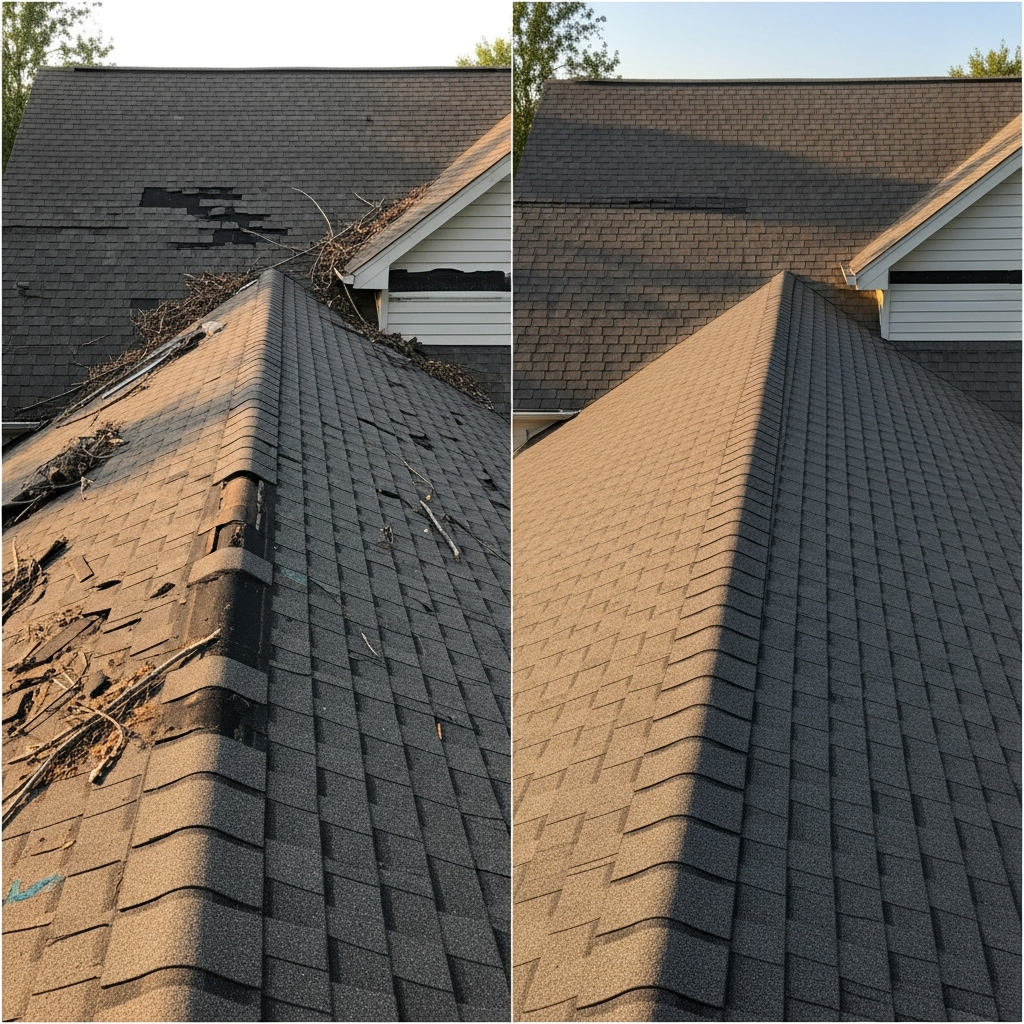
Call immediately if you see: Active leaks, large sections of missing shingles (especially after storms), sagging areas, or exposed decking. Don’t wait for the next rain to “see how bad it gets.” Trust me, it always gets worse.
The Dallas Weather Factor – Timing Your Repairs
You know how unpredictable Texas weather can be. One day it’s 75 degrees, the next you’re dealing with golf ball-sized hail. This actually works in your favor if you’re strategic about it.
Best times for roof work in Dallas: Late fall through early spring. Contractors aren’t swamped with storm damage calls, materials are more readily available, and you won’t be competing with half the neighborhood for scheduling. Plus, you’re not asking workers to install shingles in 105-degree heat – they’ll do better work when they’re not melting.
Storm season reality check: If we get hit with a major hail storm (and let’s face it, we will), expect a 2-6 month backlog for quality contractors. File your insurance claim promptly, but don’t rush into signing with the first door-knocker who shows up. Those guys… they’re usually not the ones you want on your roof.
Getting Multiple Estimates Without Going Crazy
I’ll be honest – getting three estimates can feel like a part-time job. But here’s how to streamline the process without sacrificing quality.
The smart approach: Schedule all three contractors within the same week. Take the same photos from the same angles, ask the same questions, and – here’s the key – don’t mention what the other guys quoted. You want their honest assessment, not their competitive pricing.
Red flag questions to ask: “How long have you been working in Dallas?” (Storm chasers often can’t answer this well.) “Can you show me examples of work you’ve done in my neighborhood?” “What’s your timeline, and what might delay it?” The good contractors will give you realistic answers. The sketchy ones will promise everything will be perfect and finished impossibly fast.
The estimate sweet spot: If one quote is dramatically different from the others – either way higher or way lower – dig deeper. Sometimes the low bid is missing crucial work. Sometimes the high bid includes unnecessary upgrades. The middle estimate isn’t always right, but it often tells the most complete story.
Insurance Claims – What They Don’t Tell You
Your insurance adjuster is not your enemy, but they’re also not your advocate. They’re doing a job, and part of that job is keeping claim costs reasonable. Here’s what actually helps…
Document everything before they arrive: Photos, videos, measurements if you can safely get them. I’ve seen adjusters miss obvious damage because they spent 15 minutes on a roof that deserved an hour. Your documentation fills in those gaps.
The magic words: “I want to ensure we’re identifying all storm-related damage.” Don’t accuse anyone of missing things – just express your concern about thoroughness. Most adjusters will take another look.
Depreciation reality: Your claim will likely include depreciation that gets paid after work completion. Factor this into your contractor payments – you don’t want to be stuck covering that gap if paperwork gets delayed.
Material Choices That Actually Matter in Our Climate
Skip the premium designer shingles with 15 color blends – they’ll all look the same after a few Texas summers anyway. Instead, focus on what matters here: impact resistance and heat reflection.
Class 4 impact-resistant shingles might cost 15-20% more upfront, but they often come with insurance discounts and hold up better to our hail storms. Some insurers offer permanent premium reductions that’ll pay for the upgrade over time.
For color, lighter is genuinely better in Dallas. Not just for energy costs, but for shingle longevity. Those gorgeous dark charcoal shingles? They’re absorbing every bit of our brutal summer sun and aging faster because of it.
The “I’ll Deal With It Later” Trap
You know that feeling when you spot something concerning on your roof, and your brain immediately goes into negotiation mode? “Oh, that’s probably nothing… I’ll check it again after the next storm… Maybe it’ll fix itself somehow…”
Here’s the thing – roofs don’t heal themselves. That tiny leak you’re ignoring? It’s not going to politely wait until you’re financially ready to address it. Water is incredibly patient and incredibly destructive. While you’re postponing that repair, it’s busy rotting your wooden beams, encouraging mold growth, and potentially turning a $500 fix into a $15,000 catastrophe.
The solution isn’t to panic every time you see a loose shingle – it’s to get educated about what actually requires immediate attention versus what can wait a few weeks. That missing shingle during storm season? Priority one. Those granules collecting in your gutters? You’ve got some time, but put it on your calendar.
When Professional Inspections Feel Like a Sales Trap
Let’s be honest – calling a roofing company for an inspection can feel like inviting a used car salesman onto your roof. You’re worried they’ll find problems that don’t exist, quote you astronomical prices, or pressure you into work you don’t really need.
This fear keeps a lot of Dallas homeowners stuck in analysis paralysis. They know something’s wrong, but they’re terrified of getting taken advantage of, so they… do nothing. Which, ironically, often leads to exactly the expensive repairs they were trying to avoid.
The key is getting multiple opinions, but doing it strategically. Don’t call three companies in one day and have them all tramping around your roof like it’s an open house. Space out your inspections, ask specific questions about what they’re seeing, and request photos of any damage. A legitimate contractor will gladly show you exactly what they’re concerned about.
The Insurance Maze Nobody Warns You About
Here’s something that catches people off guard – dealing with insurance companies after roof damage feels like learning a foreign language while blindfolded. They have their own timeline, their own preferred contractors, and their own definition of what constitutes “necessary repairs.”
The biggest mistake? Waiting to call your insurance company until after you’ve gotten repair estimates. By then, you might have missed crucial documentation opportunities or made decisions that affect your coverage.
Start with your insurance company first – understand your coverage, know your deductible, and find out their preferred process. Some insurers want to send their own adjuster before you get any estimates. Others are fine with you gathering information first. Don’t guess – ask.
The Cost Conversation No One Wants to Have
Money. Let’s talk about it because pretending roof repairs are affordable doesn’t make them so. Quality roof work in Dallas isn’t cheap, and there’s a reason for that. Your roof protects literally everything you own – cutting corners here is like buying discount parachutes.
But here’s what trips people up: they get one quote, have sticker shock, then spend months shopping around looking for someone cheaper instead of understanding why the work costs what it costs. Meanwhile, that small problem becomes a bigger problem.
The smarter approach? Get educated about pricing ranges before you need the work. Understand that materials, labor, permits, and insurance all factor into costs. Know that the lowest bid often comes with hidden costs down the road. Budget for roof maintenance the same way you budget for car maintenance – it’s going to happen eventually.
The Weather Window Gamble
In Dallas, we have this weird relationship with weather. We’ll postpone roof work because it might rain next week, then scramble when a storm actually damages something we could have prevented.
The reality is there’s never a “perfect” time for roof work, especially emergency repairs. Yes, contractors are busier after storms. Yes, prices might be higher. But waiting for ideal conditions while your roof deteriorates is like refusing to see a doctor until you feel perfectly healthy.
The solution? Plan ahead when possible, but don’t use weather as an excuse to delay necessary repairs. A good contractor can work around typical weather patterns – they’ve been doing this longer than you’ve been worrying about it.
What to Expect After Spotting Warning Signs
Let’s be honest – finding potential roof problems isn’t exactly anyone’s idea of a good time. You’re probably sitting there wondering if that water stain is going to turn into a financial nightmare, or if those missing shingles mean you’ll be eating ramen for the next six months. I get it.
Here’s the thing though… most roof issues don’t require immediate panic mode. Unless you’ve got water actively pouring through your ceiling (and I mean actually pouring, not just a small drip), you usually have some time to make smart decisions rather than rushed ones.
The timeline for addressing roof problems really depends on what you’ve discovered. That loose flashing around your chimney? You’ve probably got weeks or even months to handle it properly. But if you’re seeing daylight through your roof boards, well… that’s more of a “call someone this week” situation.
Your First Move (It’s Not What You Think)
Before you start calling contractors, grab your phone and document everything. I know, I know – more photos. But trust me on this one. Take pictures of water stains, missing shingles, damaged gutters… everything you’ve noticed. Date them if you can.
Why? Because roofing problems have this sneaky way of evolving, and you’ll want to show contractors exactly what you’ve observed and when. Plus, if insurance gets involved later, they’ll want to see the progression of damage.
Actually, speaking of insurance… if you suspect storm damage or have multiple warning signs appearing suddenly, it might be worth giving your insurance company a heads up. Not necessarily filing a claim yet, but just getting the conversation started. Some policies have strict timeframes for reporting potential issues.
The Reality of Getting Estimates
Here’s where things get interesting (and sometimes frustrating). Good roofing contractors in Dallas are busy – especially during peak season from late spring through early fall. You might wait anywhere from a few days to several weeks just to get someone out for an estimate.
Don’t let that timeline stress you out too much. Most established contractors book out because they’re good at what they do, not because they’re trying to make you wait. The guy who can come out this afternoon? Maybe he’s great, but… maybe ask why he’s so available.
When contractors do show up, expect them to spend at least 30-45 minutes really looking at your roof – not just glancing up from the ground. They should be willing to explain what they’re seeing and why certain repairs are (or aren’t) necessary. If someone tries to pressure you into signing something immediately, that’s your cue to politely decline and get other opinions.
Understanding Your Options
Once you know what you’re dealing with, you’ll typically have three paths forward: patch it, repair it, or replace it.
Patching is exactly what it sounds like – a temporary fix to buy you time. This might cost a few hundred dollars and could last anywhere from months to a few years, depending on the issue and how well it’s done.
Repairs are more substantial fixes that address the root problem. We’re talking anywhere from $500 to several thousand, depending on what needs attention. A good repair should last years, not months.
Replacement… well, that’s the big one. Full roof replacements in Dallas typically run $8,000 to $20,000+ depending on your home’s size, the materials you choose, and how complex your roofline is.
Managing the Timeline and Your Sanity
If you’re looking at major repairs or replacement, start planning for a process that could take several weeks from decision to completion. Good contractors need time to order materials, schedule crews, and work around weather (because yes, even in Texas, rain happens at inconvenient times).
The waiting is honestly the hardest part for most homeowners. You know something needs fixing, but you can’t just snap your fingers and make it happen. Try to focus on the things you can control – getting multiple estimates, researching contractors, maybe setting aside some emergency buckets if rain’s in the forecast.
Remember, your roof has probably been developing these issues over months or years. Taking a few extra weeks to make the right decision isn’t going to make things dramatically worse… but rushing into the wrong choice might.
I think you might have me confused with someone else! I’m actually a health and wellness writer who specializes in medical weight loss content – you know, the kind of person who gets excited about metabolism and meal planning rather than shingles and gutters.
It sounds like you’re looking for someone who knows their way around roofing terminology and Dallas weather patterns. While I’d love to help (and I’m flattered you thought of me!), I’d probably end up writing about how a leaky roof could stress-eat your way to poor sleep habits… which isn’t exactly what you’re after.
You’ll want to find a writer who actually knows the difference between flashing and fascia boards – someone who can speak authentically about Dallas’s notorious hailstorms and how they wreak havoc on roofing materials. They’ll be able to give your readers the genuine, trustworthy advice they need when they’re staring up at water stains on their ceiling at 2 AM, wondering if that’s just a small problem or if their roof is basically sending them an SOS.
A roofing expert would know how to reassure worried homeowners that those warning signs don’t always mean disaster, but they also shouldn’t be ignored. They’d understand the local contractors, the insurance claim process, and all those practical details that make the difference between helpful advice and just… well, generic content.
Hope you find the perfect roofing writer for your project! And hey, if you ever need someone to write about how stress from home repairs can derail your weight loss goals, or why proper sleep (you know, the kind you get when your roof isn’t leaking) is crucial for maintaining a healthy metabolism… I’m your person.
Actually, that reminds me – there’s probably some interesting content to be written about how home maintenance stress affects our eating habits. When you’re dealing with contractor quotes and insurance adjusters, it’s so easy to fall into that cycle of stress-snacking and skipping regular meals. But that’s a topic for another day!
Good luck with your roofing article – I’m sure your readers will appreciate having someone who really understands what they’re going through when they’re dealing with potential roof issues in the Dallas heat.